What Is Spicy Mayo Made Of? Ingredients and Simple Recipe Guide
Spicy mayo is made primarily from mayonnaise blended with chili-based ingredients such as sriracha or other hot sauces, sometimes enhanced with garlic, lime juice, or sesame oil for extra flavor. This combination gives it a creamy texture with a spicy kick that's popular as a dipping sauce or sandwich spread.
Understanding what spicy mayo consists of matters because its balance of heat and creaminess can transform simple dishes like sushi, burgers, or fries. Knowing the base ingredients also allows for easy customization at home depending on your preferred spice level or taste preferences.
This article will explain the typical ingredients in spicy mayo, variations you might find based on regional or personal preferences, and provide practical guidance on making your own spicy mayo. You'll also learn how to adjust the flavors and pairing suggestions to use with this versatile sauce.
Basic Ingredients That Make Spicy Mayo
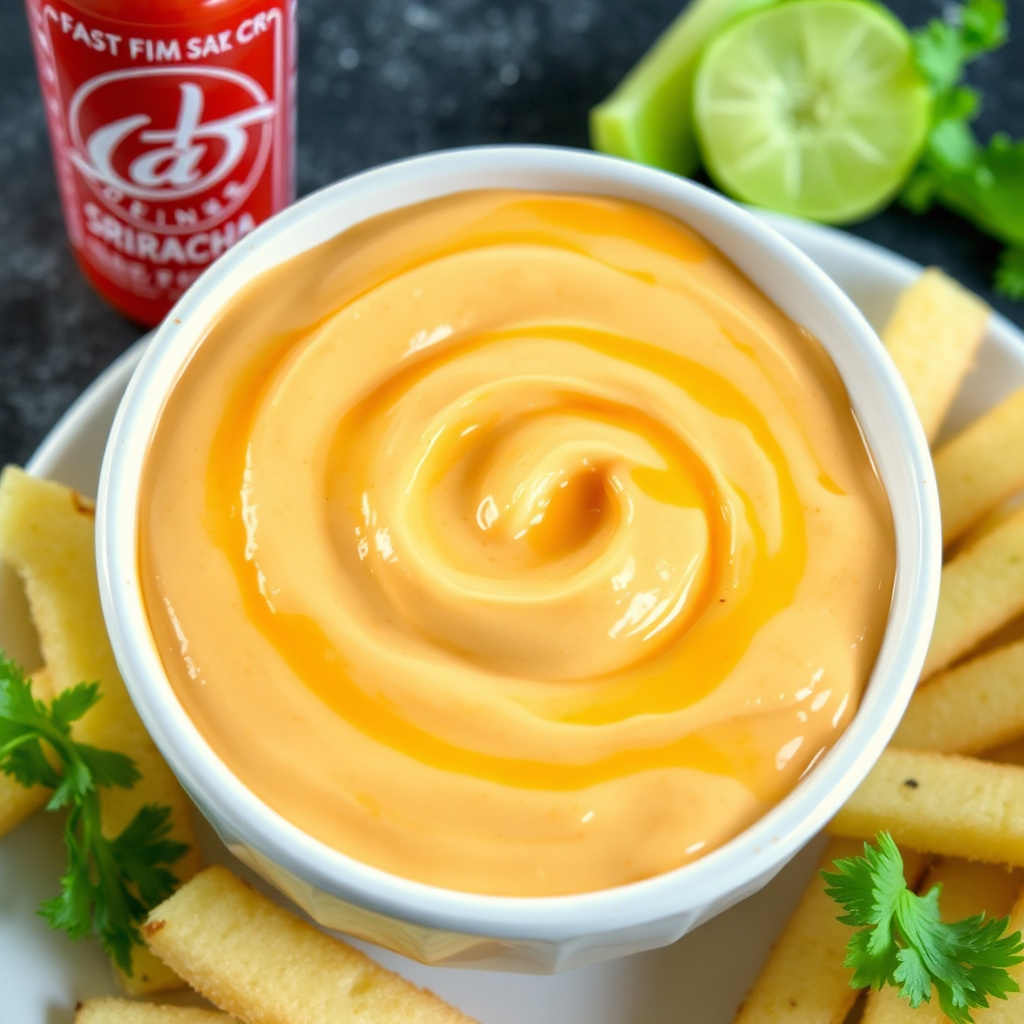
Mayonnaise: The Creamy Base
Mayonnaise serves as the creamy base of spicy mayo, providing a smooth texture that balances heat from spicy ingredients. Typically, store-bought or homemade mayonnaise made from egg yolks, oil, and vinegar is used.
The richness of mayonnaise helps to mellow the sharpness of chili sauce while binding additional flavors. Some prefer light or vegan mayonnaise versions depending on dietary needs.
Heat Sources: Sriracha and Beyond
The signature spicy component in spicy mayo usually comes from sriracha, a popular chili garlic sauce with a moderate heat level. It adds both spice and a slightly sweet, garlicky flavor.
Alternatives like gochujang, chipotle sauce, or cayenne pepper can also be used based on desired heat intensity or flavor profile.
- Sriracha sauce
- Gochujang (Korean chili paste)
- Chipotle chili sauce
- Ground cayenne pepper
Flavor Enhancers to Customize Spicy Mayo

Adding Garlic and Citrus
Fresh garlic or garlic powder frequently complements spicy mayo, deepening the savory flavor. Lime or lemon juice is often added to introduce a bright acidity that cuts through the richness.
These additions elevate the sauce, making it more vibrant and well-rounded rather than one-dimensional spicy cream.
Incorporating Sesame Oil and Other Oils
A few drops of toasted sesame oil can add a nutty, aromatic quality to spicy mayo, common in Asian-inspired versions. Some recipes use other oils like chili oil to increase heat and complexity.
Adjusting oil types and quantities can tailor the sauce for different cuisines or personal preferences.
Preparing Spicy Mayo: Mixing and Storage Tips

Simple Mixing Method
To make spicy mayo, combine mayonnaise with your chosen spicy sauce in a bowl, then mix thoroughly until smooth and uniform. The ratio often starts around 1:1 or 2:1 mayo to hot sauce, adjusted for taste.
Taste actively during mixing to avoid overpowering heat or dilution. Adding small amounts incrementally leads to better control over flavor balance.
For more on this, see our related guide: What’s in a Spicy Tuna Roll? Ingredients and Variations Explained.
Proper Storage and Shelf Life
Store spicy mayo in a sealed container in the refrigerator for up to one week. Since it contains mayonnaise and raw ingredients, keeping it cool prevents spoilage.
Always use clean utensils when scooping to maintain hygiene and prevent contamination.
Common Variations of Spicy Mayo Around the World

Japanese-Style Spicy Mayo
Japanese-style spicy mayo often includes Kewpie mayonnaise, which has a richer umami flavor than Western mayonnaise, paired with sriracha or togarashi chili seasoning.
This version is popular with sushi and okonomiyaki, prized for its creaminess and delicate heat.
Southwestern and Mexican Influences
Southwestern variations may add chipotle peppers, lime juice, and cumin for smoky, earthy heat. This style works well with tacos, grilled meats, and sandwiches.
Integration of fresh herbs like cilantro can also introduce brightness and complexity.
Using Spicy Mayo in Your Cooking

As a Dip or Sauce
Spicy mayo is frequently used as a dipping sauce for fries, tempura, or fried chicken. It adds a creamy, spicy contrast enhancing simple fried foods.
It can also serve as a drizzle over roasted vegetables or seafood for added flavor layers.
For more on this, see our related guide: What Is a Spicy Tuna Roll? A Clear Guide to This Popular Sushi Dish.
As a Spread or Dressing
Spreading spicy mayo on sandwiches or burgers provides moisture and a flavorful kick. It pairs well with both grilled and fried proteins.
Diluting it slightly with vinegar or yogurt can create a zesty salad dressing alternative.
Health Considerations and Alternatives for Spicy Mayo

Calorie and Fat Content
Traditional spicy mayo is calorie-dense due to its mayonnaise base high in fat. Those monitoring fat intake should use it sparingly or explore lighter mayonnaise versions.
Lower-fat or reduced-calorie mayonnaise brands can reduce overall calories without drastically altering texture.
For detailed information about the base ingredient of spicy mayo, check out the Mayonnaise Wikipedia article. Mayonnaise Wikipedia article.
Vegan and Allergy-Friendly Options
Vegan spicy mayo uses plant-based mayonnaise alternatives made from soy, aquafaba, or nuts combined with vegan hot sauces. This maintains texture and spice naturally.
For egg or dairy allergies, choosing allergy-friendly mayo substitutes ensures inclusive enjoyment.
Spicy Mayo Variations Comparison
Here’s a quick comparison of popular spicy mayo types highlighting key ingredients and typical uses.
| Variation | Base Mayo Type | Spicy Ingredient | Common Use | Flavor Profile |
|---|---|---|---|---|
| Japanese-Style | Kewpie mayonnaise | Sriracha or Togarashi | Sushi and seafood | Creamy, umami, mild heat |
| Southwestern | Regular or light mayo | Chipotle chili | Tacos and grilled meats | Smoky, spicy, tangy |
| Classic American | Regular mayo | Sriracha | Fries and sandwiches | Creamy, garlicky, medium heat |
| Vegan | Plant-based mayo | Sriracha or chili oil | Allergy-friendly dips | Smooth, spicy, dairy-free |
| Homemade Variants | Custom mayo or yogurt blends | Various hot sauces or powders | Flexible | Adjustable spice and texture |
Frequently Asked Questions
Can I make spicy mayo without sriracha?
Yes, you can substitute sriracha with other hot sauces like chipotle, gochujang, or cayenne pepper to vary the flavor and heat of the spicy mayo.
How long does homemade spicy mayo last in the refrigerator?
Homemade spicy mayo typically lasts about one week in the refrigerator when stored in an airtight container and handled with clean utensils.
Is spicy mayo gluten-free?
Most spicy mayo recipes using mayonnaise and typical hot sauces like sriracha are gluten-free, but it's important to check specific product labels to ensure no gluten-containing ingredients.
Can I make spicy mayo vegan?
Absolutely, use plant-based mayonnaise and a vegan hot sauce to create a vegan spicy mayo that maintains similar creaminess and heat.
What can I use spicy mayo on besides sushi?
Spicy mayo complements many dishes beyond sushi, including sandwiches, burgers, fries, grilled vegetables, and as a dip for fried foods.
Key Takeaways
- Spicy mayo is made by mixing mayonnaise with chili-based sauces for heat and creaminess.
- Flavor enhancers like garlic, lime juice, and sesame oil can customize the taste.
- Variations exist worldwide, including Japanese-style using Kewpie mayo and Southwestern smoky blends.
- It works well as a dip, spread, or dressing and can be adapted for vegan and dietary needs.
Conclusion
Knowing what spicy mayo is made of helps you appreciate how simple ingredients combine to create a flavorful, creamy, and spicy condiment. The mayonnaise base provides richness while chili sauce adds heat, allowing for balanced, versatile flavors. Being aware of these components also empowers you to tailor spicy mayo to your personal taste by adjusting the ratios or adding elements like garlic, citrus, or oils.
Among the many options, traditional spicy mayo made with regular or Kewpie mayonnaise and sriracha remains a popular choice for everyday use. For those interested in smoky or bold flavor profiles, a chipotle-based Southwestern variant fits well with grilled foods and tacos. Vegan or allergy-friendly alternatives using plant-based mayos and suitable hot sauces make spicy mayo accessible for all diets without sacrificing flavor or texture.
If you enjoy cooking or experimenting with condiments, making spicy mayo at home allows control over spice level, freshness, and ingredient quality. Start by mixing mayonnaise with sriracha to taste, then consider flavor enhancers like garlic or lime to make it uniquely yours. Store it properly and use it generously to elevate your meals with a creamy, spicy twist.