What Is Sweet and Sour Pork? A Flavorful Chinese Classic Explained
Sweet and sour pork is a popular Chinese dish featuring bite-sized pork pieces that are battered, deep-fried, and tossed in a vibrant sauce combining sweetness and tanginess. The sauce usually balances flavors from sugar, vinegar, ketchup or tomatoes, and soy sauce, creating a palette-pleasing contrast. This dish offers a crisp texture from the fried pork while delivering an intense flavor punch.
Originating from Cantonese cuisine, sweet and sour pork has become a staple in Chinese restaurants worldwide, celebrated for its bold flavor profile and the harmonious blend of contrasting tastes. Its appeal lies in how it delivers a playful yet balanced complexity through simple ingredients, making it a comfort food favorite for many.
This article will explore the ingredients that make up sweet and sour pork, explain the cooking techniques involved, examine variations of the recipe, and highlight tips for recreating this dish authentically at home.
Understanding the Ingredients of Sweet and Sour Pork
Key Components of the Pork
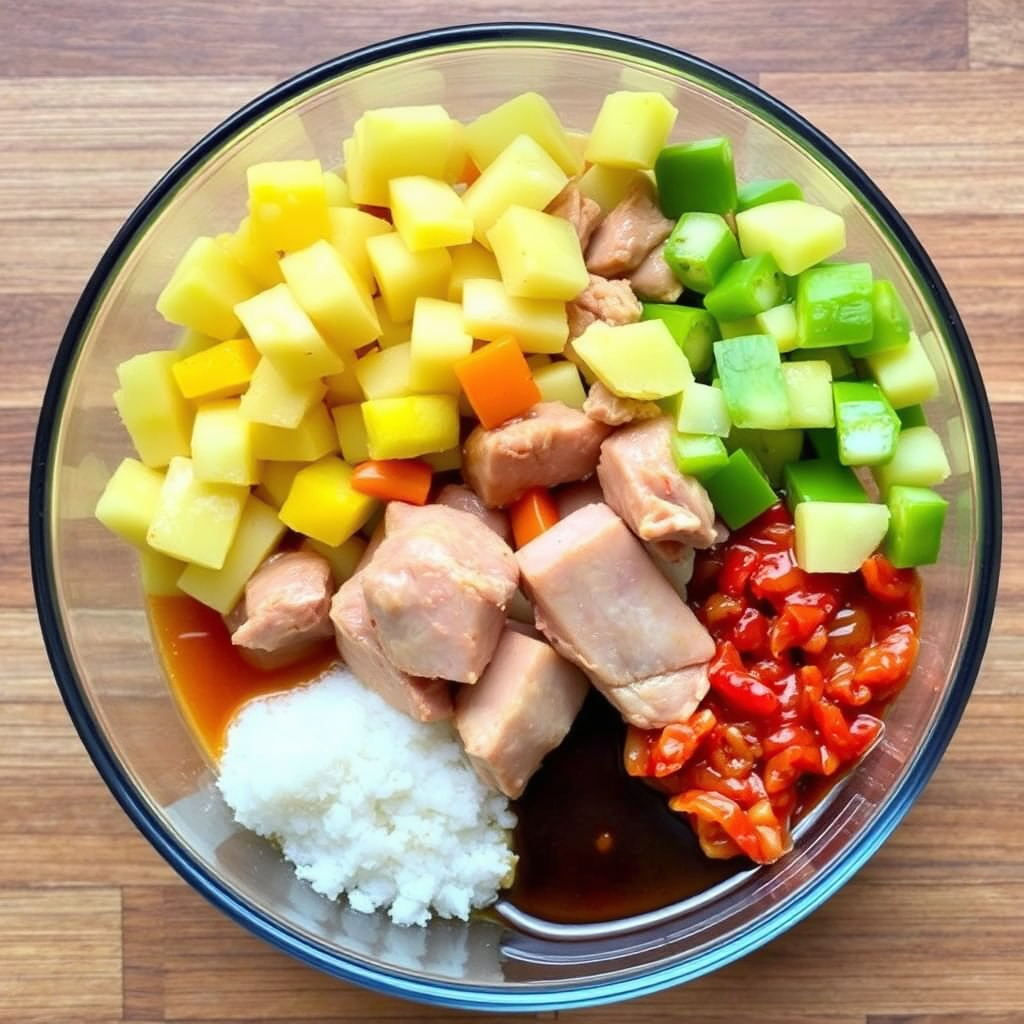
The main protein in sweet and sour pork is usually pork shoulder or pork loin cut into bite-sized pieces. These cuts provide a tender texture that holds up well to frying. The pork is often marinated briefly in soy sauce, ginger, or egg whites to tenderize and add subtle flavor underneath the batter.
A light coating of cornstarch or a batter made from flour and egg helps create the signature crispy exterior after frying. This crust is essential to contrast with the rich, saucy exterior after the pork is tossed in the sweet and sour sauce.
Crafting the Chinese Sweet and Sour Sauce
The sauce itself is a balance of fruity sweetness and tangy acidity. Traditionally, it includes sugar, white vinegar, ketchup or tomato paste, soy sauce, and sometimes pineapple juice for sweetness. Cornstarch is added to thicken the sauce to the proper glaze consistency.
Vegetables such as bell peppers, onions, and pieces of pineapple are common additions both for flavor and vibrant appearance, contributing freshness and texture that complement the fried pork.
The Cooking Process: Achieving Perfect Sweet and Sour Pork
Preparing and Frying the Pork
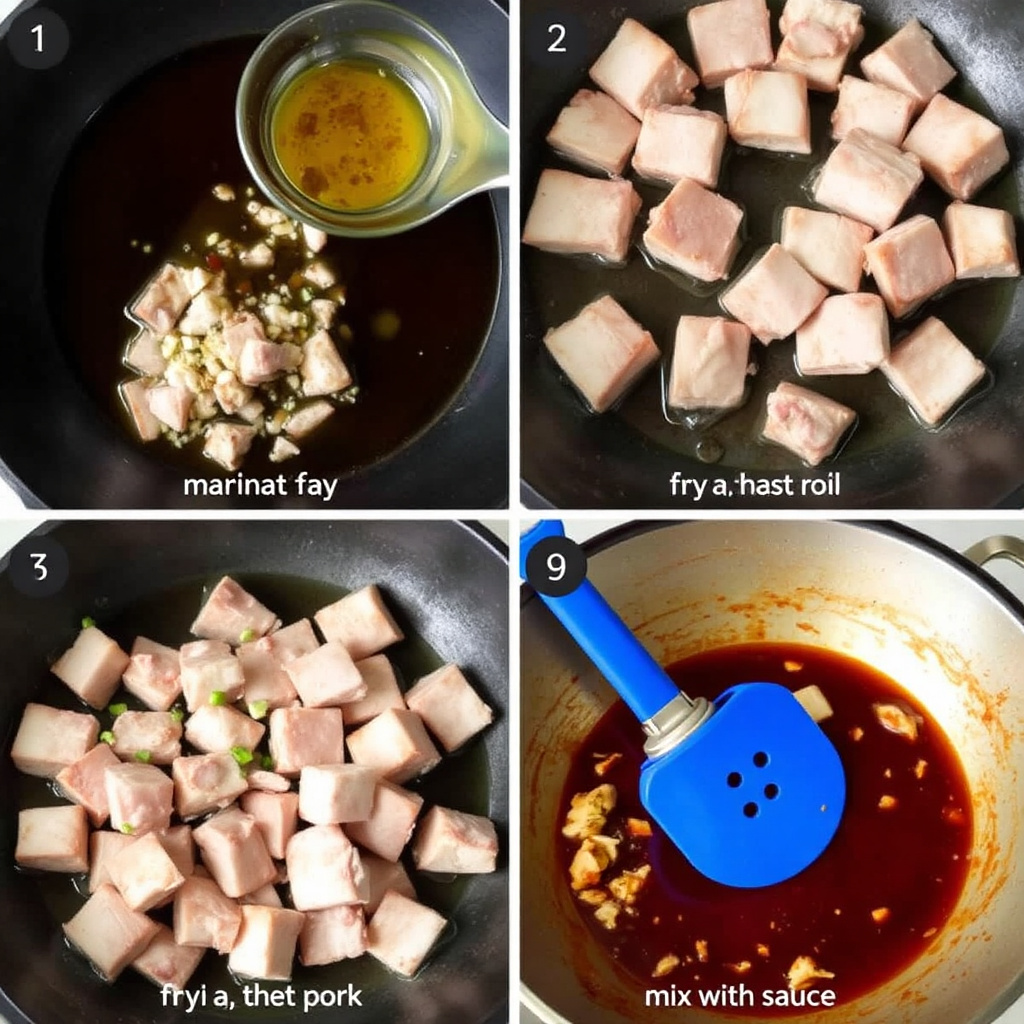
Begin by cutting pork into uniform cubes, marinating briefly, then coating with a light batter or cornstarch. Deep frying at a temperature around 350°F (175°C) results in a crisp crust while keeping the meat juicy inside. Fry the pork in batches to avoid overcrowding and loss of heat.
After frying, pork pieces should be drained on paper towels to remove excess oil and maintain crispness prior to saucing.
- Use fresh oil for frying
- Maintain consistent oil temperature
- Avoid overcrowding the fryer
For more on this, see our related guide: What Is Singapore Rice Noodles? Understanding This Popular Dish.
Simmering with Sauce and Vegetables
The sweet and sour sauce is cooked separately by combining its ingredients in a wok or skillet, then thickened to a glaze. Quickly stir-frying vegetables like bell peppers and onions before adding the sauce adds texture and color. Finally, toss the fried pork into the hot sauce and vegetables just long enough to coat thoroughly, avoiding sogginess.
This step ensures the crust remains crisp while the sauce evenly coats every piece, delivering that signature sweet and tangy flavor in each bite.
- Pre-cook vegetables for crunch
- Stir continuously while thickening sauce
Cultural Variations of Sweet and Sour Pork

Traditional Cantonese Style
In Cantonese cuisine, sweet and sour pork typically emphasizes clarity in flavors and fresh ingredients. The sauce is bright, slightly tangy, and not overly sweet, with tender pork alongside crisp vegetables and pineapple chunks for contrast.
Presentation is also a focus, with colorful garnishes and a neat plating style to appeal visually as well as in taste.
Western and Regional Variants
Western versions of sweet and sour pork often increase sweetness levels, sometimes using additional sugary syrups or more ketchup. Breading may be thicker and vegetables less prominent, catering to different palates.
Regional Chinese variants might include additional spices or substitute pork with chicken or fish, adapting to local ingredients and preferences.
Serving Suggestions and Pairings
Common Side Dishes
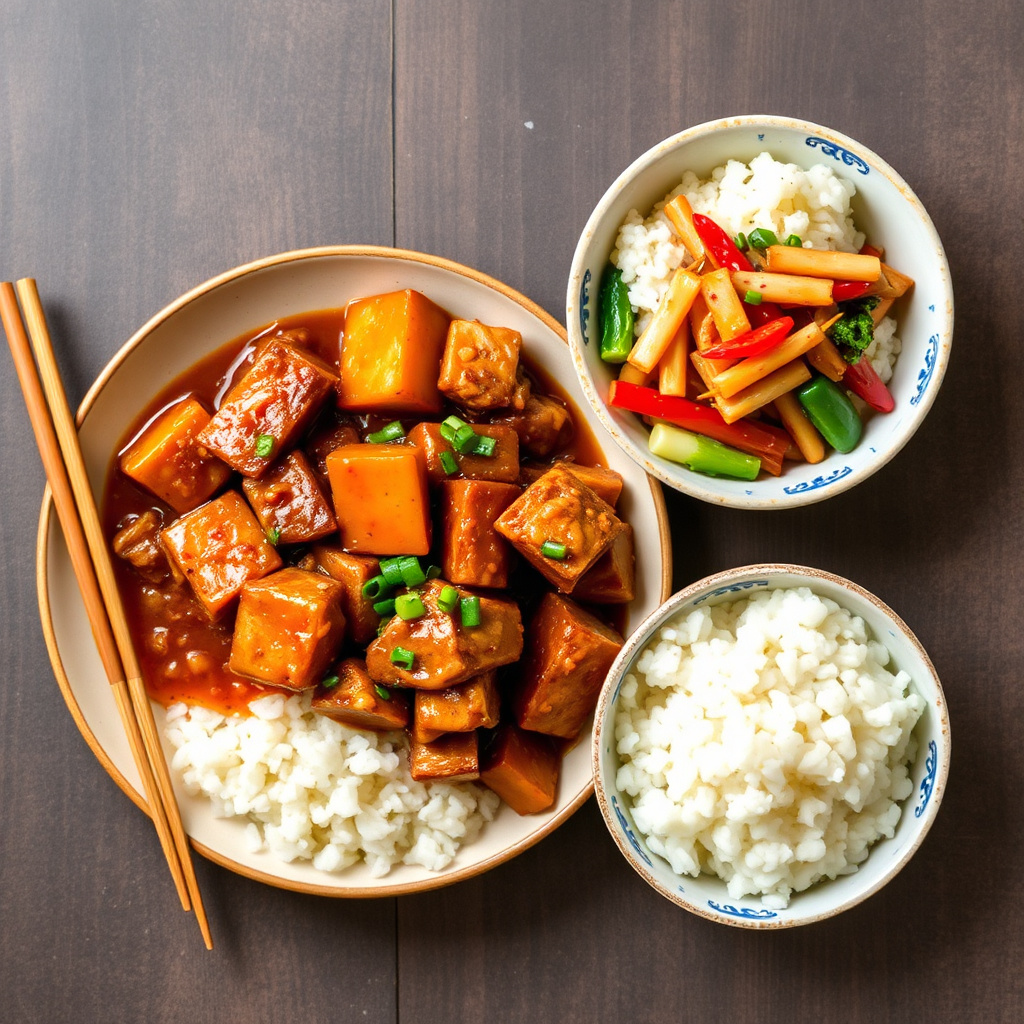
Sweet and sour pork is traditionally served with steamed white rice, which helps balance the rich, tangy sauce. Stir-fried vegetables such as bok choy or broccoli also make excellent complementary sides that add freshness and nutrients.
For a more casual meal, it pairs well with fried rice or noodles, adapting to the eater’s preference.
- Steamed jasmine or white rice
- Stir-fried greens
- Egg fried rice or chow mein noodles
For more on this, see our related guide: What is Mapo Tofu? Understanding this Iconic Sichuan Dish.
Beverage Pairings
Light, slightly sweet beverages like jasmine tea or a mild lager work well to refresh the palate between bites. Avoid overly bitter or heavy drinks that can clash with the tangy sweetness.
For an adult option, Riesling or Gewürztraminer wines with slight sweetness and acidity complement the dish nicely.
- Jasmine or green tea
- Light lagers
- Semi-sweet white wine
Tips for Making Sweet and Sour Pork at Home

Selecting Ingredients for Authenticity
Choose fresh pork cuts with some fat marbling for juiciness. Use real vinegar such as rice or white vinegar, not substitutes, to achieve the right tang in your sweet and sour sauce. Fresh bell peppers and pineapple chunks brighten the dish beautifully.
Avoid pre-made sauces if possible to control sweetness and acidity yourself, gaining a better homemade flavor profile.
To learn more about the history and variations of sweet and sour pork, you can visit its Wikipedia entry. Sweet and sour pork on Wikipedia.
Balancing Sweet and Sour Flavors
Experiment with sugar and vinegar ratios carefully—start with moderate amounts and adjust based on taste. Cornstarch should be added to thicken without making the sauce too gloopy. The goal is a glossy, smooth coating that doesn't overpower the pork.
Taste the sauce before adding to the pork and tweak components to your liking for a personalized version.
- Adjust sugar and vinegar gradually
- Add cornstarch slurry slowly for thickness
- Taste and adjust before final step
Sweet and Sour Pork Style Comparison
This comparison chart highlights differences among popular sweet and sour pork styles to help identify which may suit your taste.
| Style | Sauce Sweetness | Typical Vegetables | Protein Texture | Sauce Base |
|---|---|---|---|---|
| Traditional Cantonese | Moderate | Bell peppers, onion, pineapple | Tender with light crisp crust | Vinegar, sugar, ketchup, soy sauce |
| Western Adaptation | High | Bell peppers with fewer vegetables | Heavier breading, crunchier | Ketchup-heavy, extra sugar |
| Regional Chinese | Variable | May include carrots, peas | Sometimes replaced with chicken or fish | Customized with local spices |
| Quick Home Recipe | Balanced | Onion, bell pepper | Light batter, easy frying | Simplified vinegar and sugar mix |
Frequently Asked Questions
Is sweet and sour pork always fried?
Yes, traditionally the pork in sweet and sour pork is battered and deep-fried to achieve a crisp texture before being coated with sauce.
Can sweet and sour sauce be made without ketchup?
While ketchup is common, some recipes use tomato paste or fresh tomatoes combined with vinegar and sugar to create the sweet and sour sauce base.
What vegetables are typically used in sweet and sour pork?
Bell peppers, onions, and pineapple chunks are the most common vegetables used, adding color and texture to the dish.
Is sweet and sour pork a healthy dish?
Due to frying and sugar content, sweet and sour pork should be enjoyed in moderation. Using lean pork cuts and fresh vegetables can improve its nutritional balance.
Can I substitute pork with other meats?
Yes, chicken, fish, or tofu can replace pork in sweet and sour dishes, adapting the recipe to different dietary preferences.
Key Takeaways
- Sweet and sour pork combines crispy fried pork with a vibrant tangy-sweet sauce.
- The sauce balances sugar, vinegar, ketchup, and soy sauce for distinctive flavor.
- Vegetables like bell peppers and pineapple add texture and color.
- Proper frying technique is essential for maintaining pork’s juicy crunch.
Conclusion
Sweet and sour pork exemplifies how contrasting flavors and textures can come together to create a dish that appeals broadly across cultures and tastes. When deciding how to make or enjoy this dish, focus on balancing the sweet and sour elements in the sauce and achieving a crisp coating on the pork. Recognizing the importance of fresh ingredients and thoughtful cooking steps allows anyone to capture the classic qualities of this beloved dish.
For those inspired to prepare sweet and sour pork at home, starting with traditional Cantonese-style methods ensures authentic flavor and texture results. Using fresh pork shoulder or loin, preparing a home-made sweet and sour sauce with rice vinegar and natural sugar, and including bright vegetables like bell peppers and pineapple chunks will bring vibrancy to your meal. Alternatively, exploring Western adaptations or simpler home recipes can offer convenient variations suited to individual tastes or time constraints.
Ultimately, crafting sweet and sour pork is about personal preference intersecting with culinary technique. Once comfortable with the basics, feel free to adjust sweetness levels and experiment with vegetables or protein types. For an introduction to the cultural background and culinary history behind this dish, exploring reliable food history resources can deepen appreciation and inspire new approaches.