What’s in a Spicy Tuna Roll? Ingredients and Variations Explained
A spicy tuna roll typically contains raw tuna mixed with spicy mayo, wrapped in sushi rice and seaweed. The key to its signature kick comes from combining fresh, finely chopped tuna with a spicy sauce made from mayonnaise and chili paste, often sriracha. This mixture is then rolled with vinegared rice, sometimes including other ingredients like cucumber or avocado, and wrapped with nori seaweed.
This roll is popular in sushi restaurants worldwide because it blends the clean, fresh taste of raw fish with a creamy, spicy element that adds complexity and excitement to each bite. The balance between heat and flavor makes it a favorite among sushi lovers who enjoy a little zest without overwhelming the natural flavor of the tuna.
In this article, you will find a detailed breakdown of the common ingredients found in a spicy tuna roll, variations that enhance taste and texture, a guide to making your own spicy tuna roll at home, and tips for picking the freshest tuna and best condiments.
Basic Ingredients in a Spicy Tuna Roll

Fresh Tuna
The core ingredient of a spicy tuna roll is fresh raw tuna, typically sushi-grade yellowfin or bluefin. The fish is finely diced or minced to allow the spicy sauce to coat it evenly, enhancing flavor integration throughout the roll.
Freshness is critical because it affects texture and taste. The tuna should be firm, vibrant red, and have a clean ocean smell. Sushi-grade guarantees it’s safe for raw consumption.
Spicy Sauce
The spicy element is usually a creamy sauce combining mayonnaise and chili paste such as sriracha. This mixture adds both heat and smoothness, balancing the umami of the tuna.
Different versions may include additional seasonings like sesame oil, garlic, or ponzu, but the foundational blend typically remains mayo and chili paste.
- Mayonnaise
- Chili paste (sriracha)
- Optional sesame oil or garlic
Supporting Components and Textures
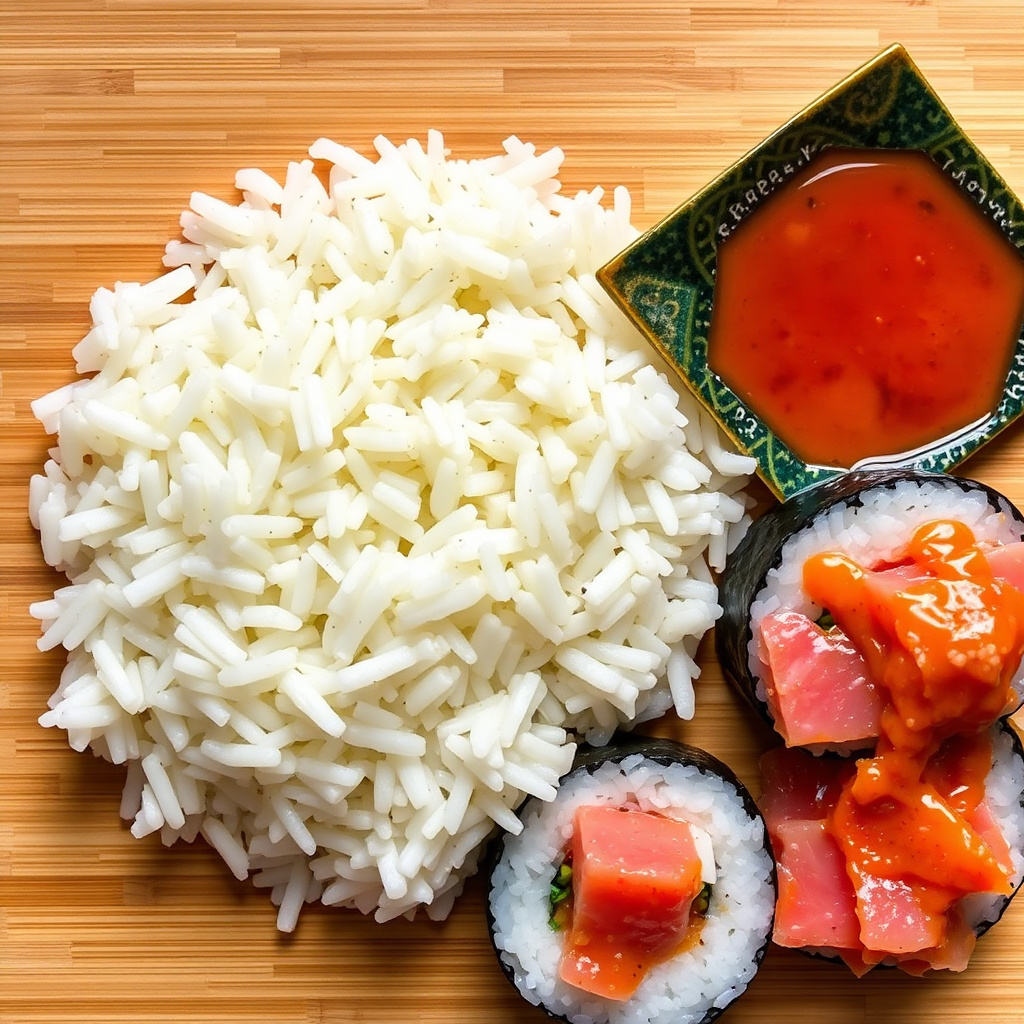
Sushi Rice
Sushi rice is a sticky, short-grain rice seasoned with rice vinegar, sugar, and salt. It forms the body of the roll, holding the ingredients together and providing a slightly sweet and tangy contrast to the spicy tuna filling.
Properly cooked and seasoned rice is essential to prevent dryness and complements the roll’s overall flavor profile.
Nori Seaweed and Add-ins
Nori, or dried seaweed sheets, wrap the roll, providing a subtle briny note and a chewy texture. Sometimes cucumber or avocado slices are added inside for crunch and creaminess, respectively.
These add-ins enhance texture contrasts and sometimes mellow the spiciness without overshadowing the tuna's flavor.
- Nori seaweed sheets
- Cucumber (optional)
- Avocado (optional)
Variations of the Spicy Tuna Roll

Crunchy Spicy Tuna Roll
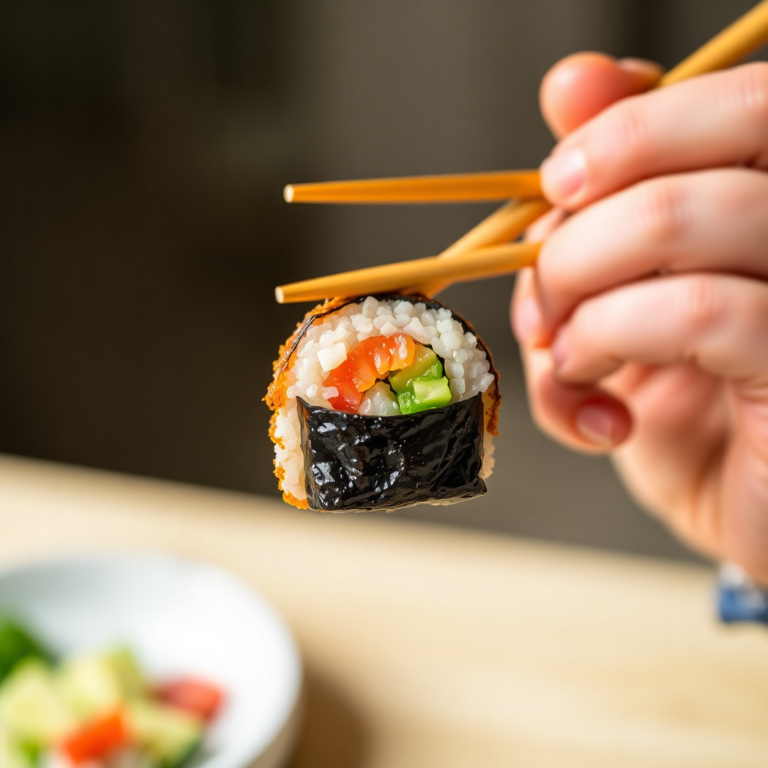
Some spicy tuna rolls include tempura flakes or fried onions sprinkled inside or on top for crunch. This adds an extra layer of texture that contrasts with the soft tuna and rice.
The crunchy element also absorbs some of the sauce, giving a burst of flavor and enhancing mouthfeel.
- Tempura flakes
- Fried onions
For more on this, see our related guide: What Is a Spicy Tuna Roll? A Clear Guide to This Popular Sushi Dish.
Spicy Tuna Roll with Toppings
Various toppings like green onions, sesame seeds, or jalapeño slices are sometimes placed on top to boost flavor complexity and visual appeal. These toppings add freshness or extra heat to the roll.
Wasabi mayo or eel sauce drizzle on top are other common enhancements that enrich flavor.
- Green onions
- Sesame seeds
- Jalapeño slices
- Wasabi mayo drizzle
Making Spicy Tuna Rolls at Home

Preparing the Tuna Mixture
Start by finely chopping fresh sushi-grade tuna and mixing it with spicy mayo. Adjust the ratio and spice level to your preference by varying the amount of chili paste.
Make sure to keep the tuna chilled until use to maintain freshness and food safety.
Rolling Techniques
Use a bamboo sushi rolling mat to layer seasoned rice evenly over nori, then add the spicy tuna mixture and optional fillings. Roll tightly to ensure the roll holds together and slice carefully with a sharp knife.
Wet the knife blade before slicing to prevent sticking and preserve shape.
Choosing Ingredients for Best Flavor and Safety

Selecting Sushi-Grade Tuna
Buy tuna labeled 'sushi-grade' or 'sashimi-grade' from reputable sellers. This ensures the fish has been handled and frozen to eliminate parasites and is safe to eat raw.
Check for firm texture, bright color, and smell before purchasing.
For more on this, see our related guide: What Is in a Philadelphia Roll? Ingredients and Variations Explained.
Quality of Spicy Sauce Components
Use high-quality mayonnaise and chili paste for the sauce. Homemade mayo or well-known brands with minimal additives improve flavor.
Fresh chili paste like sriracha provides a clean heat that balances creaminess without overpowering.
Serving and Enjoying Spicy Tuna Rolls

Accompaniments
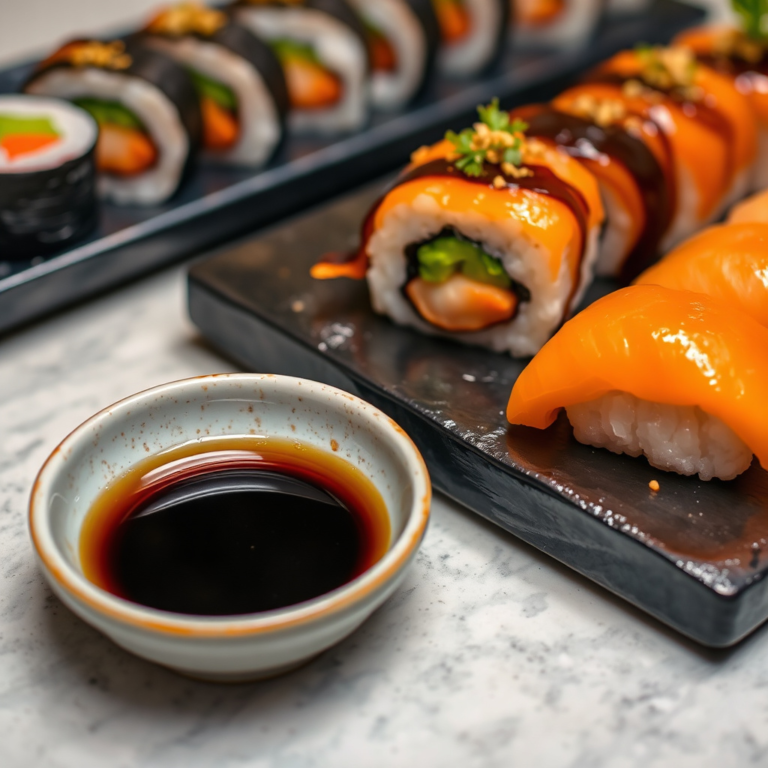
Serve spicy tuna rolls with traditional sushi accompaniments such as soy sauce, pickled ginger, and wasabi. The ginger refreshes the palate, and wasabi adds an extra layer of heat if desired.
These condiments complement the roll’s flavor and provide balance between spicy, sweet, and umami elements.
For more background on sushi varieties including spicy tuna rolls, refer to this spicy tuna roll Wikipedia article. spicy tuna roll Wikipedia article.
Pairing Drinks
Light, crisp beverages like green tea or cold sake pair well with spicy tuna rolls by cleansing the palate without overwhelming the delicate fish flavors.
Avoid heavy or sugary drinks that could clash with the roll's spicy and fresh notes.
Spicy Tuna Roll Variations Comparison
Below is a comparison of several popular spicy tuna roll styles highlighting ingredients, texture, and typical price ranges.
| Roll Type | Key Ingredients | Texture Profile | Average Price (per roll) |
|---|---|---|---|
| Classic Spicy Tuna Roll | Tuna, spicy mayo, rice, nori | Soft with slight creaminess and heat | $8-$12 |
| Crunchy Spicy Tuna Roll | Classic + tempura flakes/onions | Added crunchy texture | $10-$14 |
| Spicy Tuna with Avocado | Classic + avocado slices | Creamy and spicy | $9-$13 |
| Spicy Tuna Hand Roll | Classic in seaweed cone | Portable, slightly crisp | $7-$11 |
| Baked Spicy Tuna Roll | Spicy tuna baked with sauce | Warm, creamy, and spicy | $12-$16 |
Frequently Asked Questions
Is the spicy tuna roll safe to eat raw tuna?
Yes, spicy tuna rolls use sushi-grade tuna which is handled and frozen to ensure it is safe to eat raw. Always buy from reputable sources to minimize risk.
Can I make spicy tuna rolls without raw fish?
You can substitute cooked tuna or ahi poke-style cooked fillings to create a spicy tuna roll variant if you prefer not to use raw fish.
What makes the spicy mayo in spicy tuna rolls?
Spicy mayo usually consists of mayonnaise mixed with chili paste like sriracha, sometimes enhanced with sesame oil or garlic for flavor.
Why is sushi rice important in a spicy tuna roll?
Sushi rice holds the roll together and provides a slightly sweet and tangy profile that balances the spicy tuna filling.
Are there vegetarian alternatives to spicy tuna rolls?
Yes, spicy rolls can use vegetables like spicy avocado or spicy tofu with similar sauce mixes to mimic the flavor while being vegetarian-friendly.
Key Takeaways
- A spicy tuna roll combines fresh sushi-grade tuna with a spicy mayo sauce inside sushi rice and nori.
- Freshness and quality of tuna and sauce ingredients directly impact the roll’s taste.
- Variations include crunchy tempura flakes, avocado, and toppings like green onions or jalapeños.
- Proper rolling technique and accompaniments enhance texture and flavor enjoyment.
Conclusion
Understanding the fundamental ingredients of a spicy tuna roll helps you appreciate why this sushi variety is so popular. The mix of fresh sushi-grade tuna and a spicy sauce creates a flavorful balance that elevates the simple components of rice and seaweed. Knowing what goes inside and the role each ingredient plays helps you identify quality rolls and spot freshness indicators when dining out or shopping for ingredients.
If you want to try different spicy tuna rolls, consider classic versions or those with added texture like crunchy tempura flakes or creamy avocado slices. Each version offers a slightly different eating experience while maintaining the spicy and savory profile that defines the roll. For at-home preparation, focus on sourcing fresh sushi-grade tuna and using a good spicy mayo to match restaurant-quality flavors.
Once equipped with this knowledge about spicy tuna roll ingredients and variations, your next step could be making your own at home or ordering a version tailored to your taste preferences. Enjoy experimenting with spice levels and added textures to find your perfect roll combination.




2 Comments