Hoisin Sauce vs Oyster Sauce: Understanding the Key Differences and Uses
Hoisin sauce and oyster sauce are both popular Asian condiments but have distinct flavors and uses. Hoisin sauce is thick, sweet, and tangy, made from fermented soybeans, garlic, vinegar, and sugar. Oyster sauce, on the other hand, is savory and slightly briny, made primarily from oyster extracts and soy sauce. Understanding the hoisin sauce vs oyster sauce difference is essential when cooking to pick the right one for the dish you want.
These sauces add unique tastes and textures, shaping how dishes turn out whether you're preparing stir fries, marinades, dipping sauces, or glazes. Using the wrong sauce can alter a recipe’s balance drastically, so knowing the nuances helps in choosing what suits your cooking style and flavor preferences.
This article will explain the main distinctions between hoisin sauce and oyster sauce, their typical ingredients, flavor profiles, and which dishes suit each. We'll also explore substitution options, how to use them in cooking, and compare various types on the market so you can confidently decide which sauce meets your culinary needs.
Understanding the Ingredients and Flavor Profiles

What is Hoisin Sauce Made Of?
Hoisin sauce is traditionally made from fermented soybeans, sugar, vinegar, garlic, and chili peppers. The fermentation process gives it a complex, sweet-savory taste with a hint of tanginess. Its dark, thick texture resembles barbecue sauce, making it easy to spread or incorporate into glazes.
This sauce often contains additional spices like star anise or five-spice powder, which lends a mildly aromatic quality. The sweetness pairs well with meat and vegetable dishes by balancing saltiness and enhancing umami flavors.
Key Components of Oyster Sauce
Oyster sauce is made primarily from oyster extracts, water, sugar, salt, and sometimes cornstarch as a thickener. Its signature taste is rich and briny with subtle sweetness, making it an excellent enhancer of savory dishes.
Unlike hoisin, oyster sauce is thinner and less sweet, focusing on umami depth. This flavor profile works well for seasoning stir-fries, vegetables, and grilled meats without overpowering other ingredients.
Common Culinary Uses and Pairing Suggestions

Dishes Suited for Hoisin Sauce
Hoisin sauce is perfect for glazing roasted meats, adding to dipping sauces for spring rolls, or mixing into marinades. Its sweet and tangy flavor complements duck, pork, and chicken dishes exceptionally well.
In addition, it works as a base for barbecue-style sauces and can be stirred into noodles or fried rice for a slightly sweet undertone.
- Peking duck glaze
- Spring roll dipping sauce
- Barbecue chicken marinade
- Stir-fry noodle flavoring
Best Ways to Use Oyster Sauce
Oyster sauce shines as a savory seasoning in stir-fries, sautéed greens like bok choy or Chinese broccoli, and meat or tofu dishes. It blends easily with soy sauce and sesame oil to create balanced sauces that boost umami.
Due to its less sweet profile, oyster sauce is ideal for dishes that require depth without excessive sweetness or strong tang.
- Vegetable stir-fries
- Beef and broccoli dishes
- Tofu savory sauces
- Sautéed greens seasoning
Taste and Texture Differences in Detail

Exploring Hoisin’s Sweet-Savory Balance
Hoisin sauce is thick and sticky with a sweetness that softens any saltiness or spice it accompanies. Its texture makes it a great binder in sauces or toppings that coat ingredients fully.
This balance helps dishes achieve a richer, rounded taste that remains approachable and versatile in various recipes.
For more on this, see our related guide: Chow Mein vs Chow Fun: How to Choose the Best Noodle Dish for Your Taste Buds.
Oyster Sauce’s Umami and Briny Notes
Oyster sauce has a thinner consistency and showcases strong umami with a mild briny edge from oysters. It lacks the sweetness of hoisin and instead delivers a subtle salinity that deepens flavor complexity.
The sauce’s smooth texture allows it to integrate seamlessly without overshadowing other elements.
Substitution Tips and When to Use Alternatives

Can You Replace Hoisin with Oyster Sauce?
Because hoisin sauce is sweet and complex, substituting oyster sauce directly will change your dish’s flavor profile significantly. Oyster sauce lacks the sweetness and thickness hoisin provides, so use it only if you want a less sweet, more savory result.
Adjusting sugar or other sweeteners can help mimic hoisin, but the characteristic tang and spice are hard to replicate exactly with oyster sauce.
Replacing Oyster Sauce in Recipes
Hoisin sauce can sometimes stand in for oyster sauce if you reduce the sweetness by adding salty or savory elements like soy sauce or fish sauce. However, this will create a different taste, leaning sweeter and less briny.
A suitable alternative to oyster sauce in vegetarian cooking is mushroom-based sauces that replicate the umami flavor without seafood ingredients.
- Use mushroom soy sauce for vegetarian dishes
- Mix soy sauce with a dash of sugar to mimic oyster sauce
Popular Brands and Varieties in the Market

Leading Hoisin Sauce Brands
Brands like Lee Kum Kee, Kikkoman, and Panda offer widely recognized hoisin sauces. Lee Kum Kee’s hoisin is known for balanced sweetness and authentic spice notes, making it a consistent choice for Asian cooking.
Some brands add extra sugar or salt, so checking ingredient lists can help find options suitable for dietary preferences.
- Lee Kum Kee Premium Hoisin Sauce
- Kikkoman Hoisin Sauce
- Panda Brand Hoisin Sauce
For more on this, see our related guide: Lo Mein vs Chow Mein: Understanding the Key Differences in Chinese Noodle Dishes.
Top Choices for Oyster Sauce
Lee Kum Kee also dominates the oyster sauce market, offering varieties ranging from premium oyster extract sauces to lighter flavor versions. These differing intensities allow cooks to select sauces based on the strength of umami desired.
Other brands like Maekrua and Dragonfly provide popular, budget-friendly options for everyday use.
- Lee Kum Kee Premium Oyster Sauce
- Maekrua Oyster Sauce
- Dragonfly Oyster Sauce
Storing and Shelf Life Guidance
Proper Storage for Hoisin Sauce
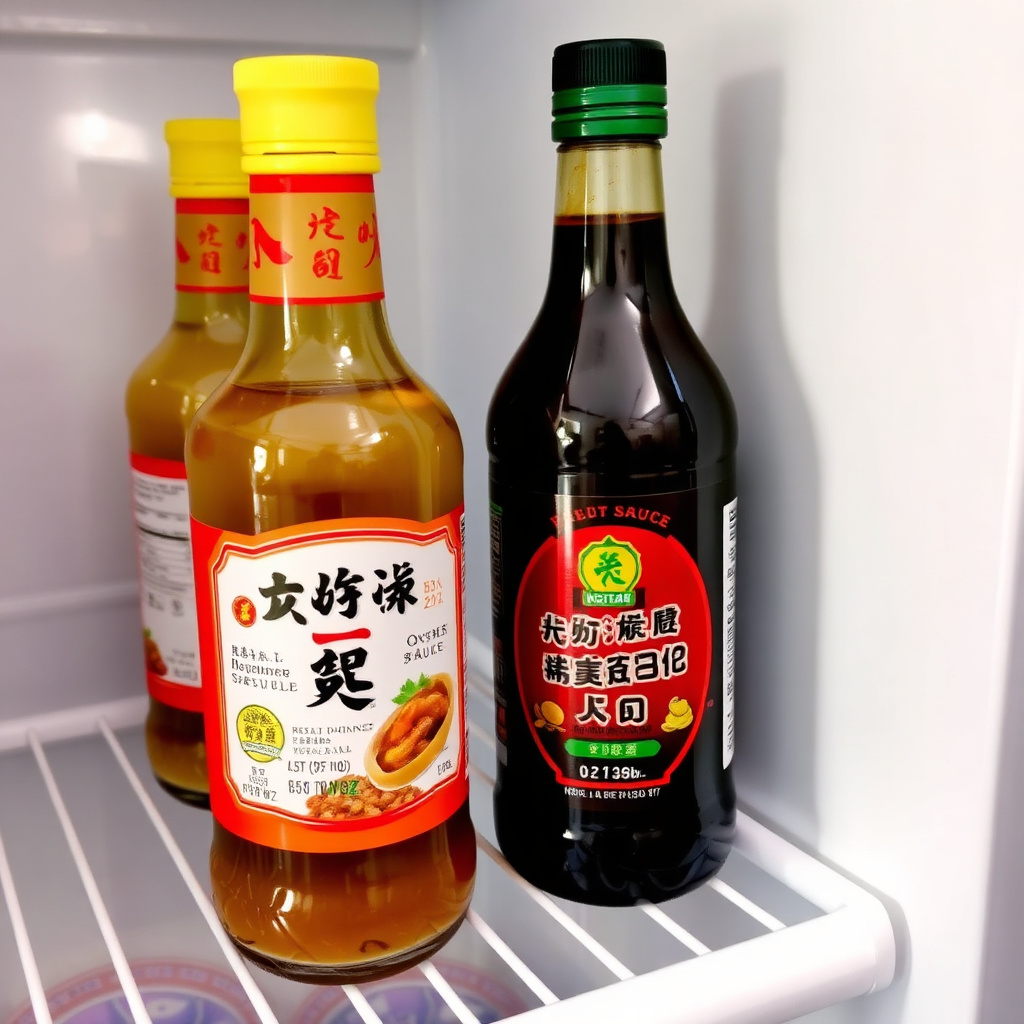
Unopened hoisin sauce can be stored in a cool, dark place like a pantry for up to 12 months. Once opened, refrigeration extends shelf life to roughly 3 to 6 months, preserving flavor and preventing mold.
Keep the bottle tightly sealed and avoid contaminating the contents with food particles or moisture.
For more detailed information on traditional Asian sauces, see this comprehensive Asian condiments guide. Asian condiments guide.
Keeping Oyster Sauce Fresh
Oyster sauce should also be kept in a cool, dry place before opening. After opening, refrigeration is recommended to maintain quality and prevent spoilage. It typically lasts 6 months or longer in the fridge.
Due to its seafood base, oyster sauce can spoil faster if not properly sealed, so close the cap tightly after each use.
Comparison of Hoisin Sauce vs Oyster Sauce Characteristics
Here is a clear comparison to understand how hoisin sauce and oyster sauce differ in various culinary attributes and typical uses.
| Characteristic | Hoisin Sauce | Oyster Sauce |
|---|---|---|
| Primary Ingredients | Fermented soybeans, sugar, vinegar, garlic | Oyster extract, soy sauce, sugar, salt |
| Flavor Profile | Sweet, tangy, slightly spicy | Savory, umami, mildly briny |
| Texture | Thick, sticky | Thinner, smooth |
| Common Uses | Glazes, marinades, dipping sauce | Stir-fries, sautéed vegetables, seasoning |
| Vegetarian Friendly | Usually yes (no seafood) | No (contains oysters) |
| Shelf Life Opened | 3-6 months refrigerated | 6+ months refrigerated |
Frequently Asked Questions
Can hoisin sauce and oyster sauce be used interchangeably?
They are not perfect substitutes due to different flavors; hoisin is sweet and thick, oyster sauce is savory and thinner. Substitution will alter the taste noticeably.
Is oyster sauce suitable for vegetarians?
Traditional oyster sauce contains oyster extracts, so it is not vegetarian. Vegetarian alternatives often use mushroom extracts instead.
Why is hoisin sauce sweeter than oyster sauce?
Hoisin sauce includes sugar and vinegar, contributing sweetness and tanginess, while oyster sauce focuses on umami with less sugar.
How should I store hoisin sauce once opened?
Keep hoisin sauce refrigerated after opening, tightly sealed, to maintain freshness for 3-6 months.
What dishes work best with oyster sauce?
Oyster sauce is excellent for vegetable stir-fries, beef and broccoli, and savory tofu dishes due to its rich umami flavor.
Key Takeaways
- Hoisin sauce is sweet, thick, and tangy, ideal for glazing and dipping.
- Oyster sauce is savory, umami-rich, with a thinner consistency for stir-fries.
- They are not directly interchangeable due to distinct flavor profiles.
- Choosing the right sauce impacts authenticity and taste in Asian cooking.
Conclusion
Distinguishing between hoisin sauce vs oyster sauce is essential when cooking Asian dishes to achieve the desired flavor balance. Hoisin sauce contributes sweetness and complex tanginess with its fermented soybean base, while oyster sauce delivers deep umami and a mild briny note from oyster extracts. Understanding these flavor foundations guides your choice based on whether your recipe benefits more from a sweet glaze or umami seasoning.
If your dish calls for a rich, sticky coating like Peking duck or a sweet marinade, hoisin sauce is your best option. Conversely, for stir-fried vegetables, beef, or tofu where savory depth is key without extra sweetness, oyster sauce adds the perfect layer of flavor. Brands like Lee Kum Kee offer dependable versions of both sauces that suit varied culinary needs and preferences. Vegetarian cooks should consider mushroom-based alternatives to oyster sauce due to dietary restrictions.
For your next meal, identify the flavor profile you want and select hoisin or oyster sauce accordingly. Experimenting with small amounts in sauces or marinades will also help you appreciate their differences firsthand. Visiting a well-stocked Asian market or trusted online retailer can provide a range of authentic choices to complement your cooking arsenal.