What Is a Rainbow Roll? A Complete Guide to This Popular Sushi Dish
A rainbow roll is a type of sushi roll that features a colorful assortment of fish and avocado layered over a traditional California roll base. It typically includes crab or imitation crab, cucumber, and avocado inside, topped with various slices of tuna, salmon, yellowtail, and avocado, creating a visually stunning and flavorful dish.
This sushi roll earns its name from the vibrant, multi-colored arrangement of fresh seafood on top, which resembles a rainbow. It stands out because it combines the freshness of raw fish with the familiar flavors of a California roll, making it appealing both in taste and appearance.
This article will explain the components of the rainbow roll, how it differs from other sushi rolls, the best ingredients to use, tips for choosing a quality roll at restaurants, and some variations you can explore to enjoy this delightful sushi creation.
Ingredients That Make Up a Classic Rainbow Roll
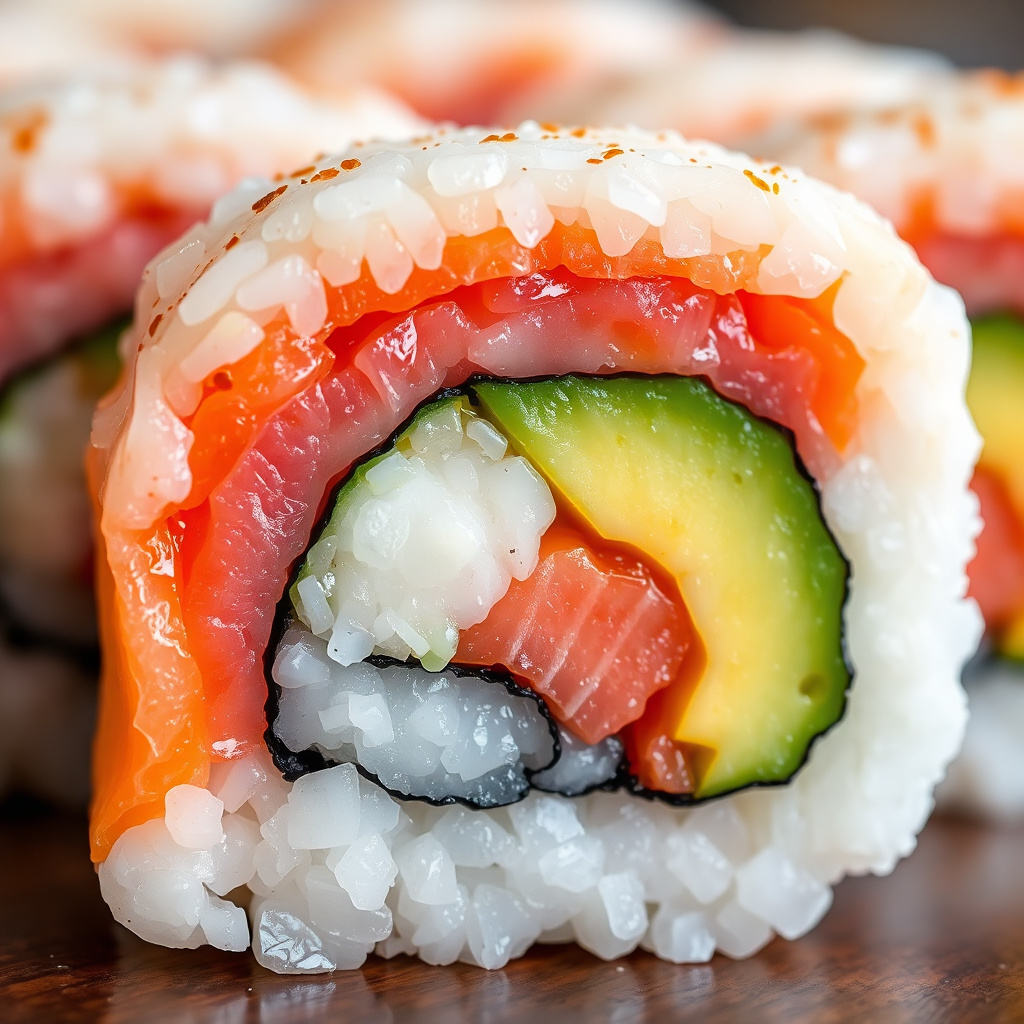
Inside the Roll: The Foundation of a Rainbow Roll
The base of a rainbow roll is essentially a California roll, which contains sushi rice, seaweed (nori), crab meat or imitation crab, cucumber strips, and avocado. The blend provides a creamy, crunchy, and mildly sweet foundation that balances the raw fish on top.
The California roll is well-known for its mild and approachable flavors, making the rainbow roll accessible to sushi beginners as well as experienced eaters.
On Top: The Rainbow of Fish and Avocado
The standout feature of the rainbow roll is the assortment of fresh seafood layered on top. Commonly used fish include slices of tuna, salmon, yellowtail, and even white fish like snapper.
Avocado slices are often added along with the fish to enhance creaminess and provide additional color contrast. The quality and freshness of these toppings greatly impact the taste and presentation of the roll.
- Tuna
- Salmon
- Yellowtail
- White fish (e.g., snapper)
- Sliced avocado
How a Rainbow Roll Differs from Other Sushi Rolls

Contrasting Features with the California Roll
While a rainbow roll is built on a California roll, the addition of assorted raw fish on top transforms its flavor profile from mild to more complex and rich. The California roll itself is often cooked or uses imitation crab, whereas the rainbow roll embraces raw fish variety.
This difference makes the rainbow roll a great choice for those who want to explore raw fish flavors without stepping too far beyond familiar sushi textures.
Comparison with Other Specialty Rolls
Some specialty rolls incorporate fried ingredients, spicy sauces, or tempura for texture. By contrast, the rainbow roll relies on the freshness and natural flavors of the fish and avocado for its appeal.
Its colorful appearance is also more visually striking than simpler rolls, which is a common reason it’s ordered at sushi restaurants.
Choosing the Best Rainbow Roll Ingredients
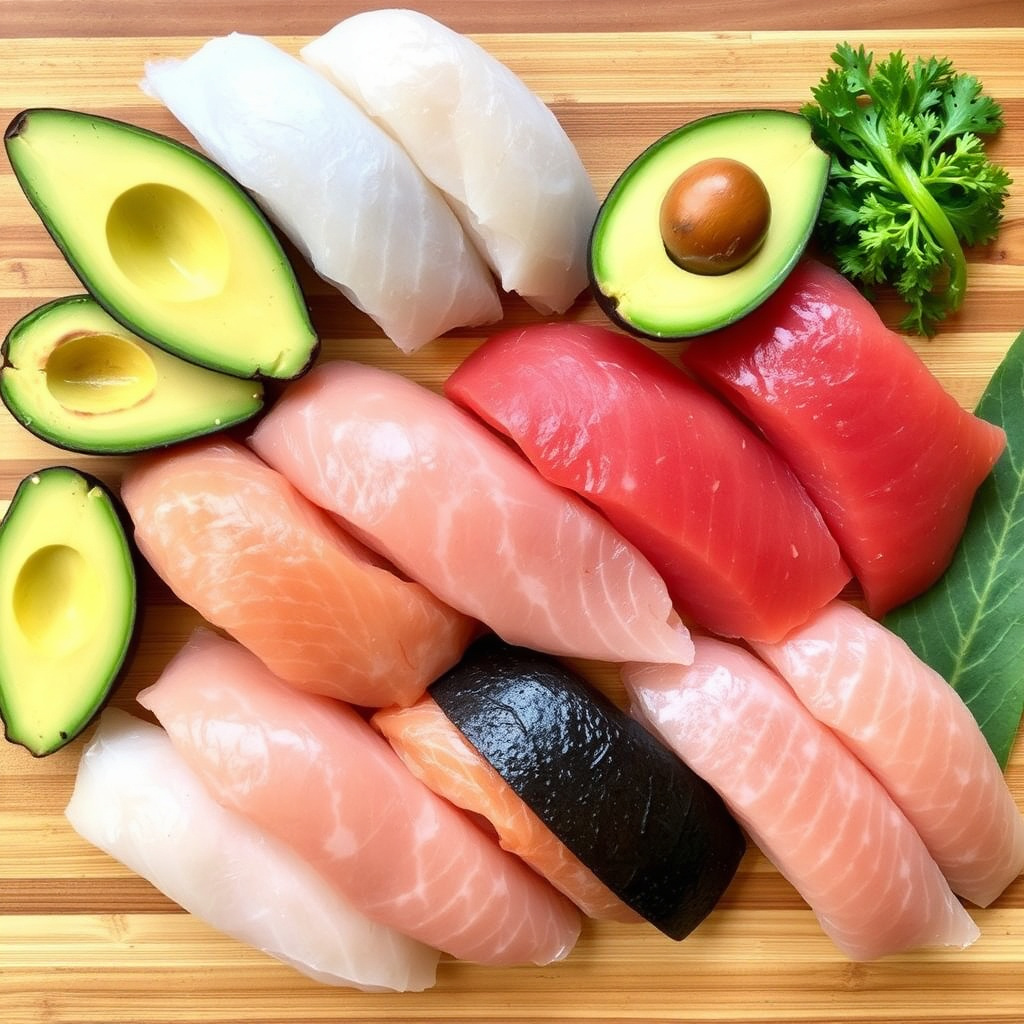
Selecting the Right Fish for Quality and Flavor
The best rainbow roll ingredients include sushi-grade tuna, salmon, and yellowtail, which are prized for their texture and flavor. Always look for bright color and firm flesh when selecting fish for homemade rolls.
Using fish from a trusted supplier or seafood market ensures freshness and safety, which is crucial since the fish will be served raw.
Additional Ingredients to Enhance the Roll
Using ripe but firm avocados prevents mushiness while adding creaminess to the roll. Some chefs add a light brush of spicy mayo or eel sauce to complement the natural flavors.
Fresh cucumber and high-quality sushi rice seasoned with vinegar provide the needed balance and texture inside the roll.
- Ripe but firm avocado
- Seasoned sushi rice
- Fresh cucumber strips
- Optional spicy mayo or eel sauce
Tips for Ordering or Making a Rainbow Roll

What to Look for When Ordering Rainbow Rolls at Restaurants
When ordering, check that the roll looks bright and fresh, with crisp fish slices and no discoloration or dryness. Ask if the fish is sushi grade and if the roll is made fresh to order.
Avoid pre-made rolls with soggy rice or wilted avocado, as these affect both taste and safety.
Basic Steps to Prepare a Rainbow Roll at Home
Start with preparing seasoned sushi rice and spreading it evenly on nori sheets. Add crab or imitation crab, cucumber, and avocado as the filling.
After rolling tightly, lay thinly sliced raw fish and avocado on top, then slice into pieces. Using a sharp knife prevents crushing the roll.
- Prepare sushi rice seasoned with rice vinegar
- Place crab, cucumber, and avocado inside nori and rice
- Lay sliced fish and avocado on top
- Slice carefully with a sharp knife
Variations and Customizations of the Rainbow Roll

Popular Variations with Different Toppings
Some versions swap one or two fish types for other seafood like shrimp, eel, or scallops to add flavor variety. Others spice it up with a drizzle of spicy mayo or tobiko on top for texture.
Vegetarian options replace fish with mango, cucumber, or bell pepper slices while keeping avocado for creaminess.
Customizing the Roll to Personal Preferences
You can adjust the fish selection based on what’s fresh or preferred, and add garnishes like sesame seeds, thin scallions, or pickled ginger on the side.
Some choose to add tempura crunch inside for textural contrast or switch to brown rice for a healthier twist.
Nutritional Information and Health Benefits of Rainbow Rolls

Nutritional Profile of a Typical Rainbow Roll
Rainbow rolls offer a good balance of protein from fish and crab, healthy fats from avocado, and carbohydrates from sushi rice. They tend to be moderate in calories but rich in omega-3 fatty acids.
The vegetables inside contribute fiber and vitamins, making this sushi roll a nutritious option among fast meals.
For further details on various sushi types, including the rainbow roll, see this informative sushi overview. rainbow roll on Wikipedia.
Health Benefits and Considerations
Eating rainbow rolls can support heart health due to omega-3s and antioxidants in fish and avocado. Additionally, the low saturated fat content makes it a reasonable choice for balanced eating.
However, watch sodium intake if soy sauce is heavily used, and ensure fish is fresh to avoid foodborne risks.
Types of Sushi Rolls Compared: Rainbow Roll vs Similar Options
Here’s how the rainbow roll stacks up against other popular sushi rolls based on key features, ingredients, and flavor profiles.
| Roll Type | Fish Variety | Toppings | Texture | Suitability for Beginners |
|---|---|---|---|---|
| Rainbow Roll | Tuna, salmon, yellowtail, white fish | Avocado, crab, cucumber | Creamy, fresh, layered | Moderate |
| California Roll | None or imitation crab | Avocado, cucumber | Soft, crunchy | High |
| Spicy Tuna Roll | Tuna | Spicy sauce | Soft, spicy | Moderate |
| Dragon Roll | Eel | Avocado, eel sauce | Sweet, rich, crunchy | Moderate |
| Tempura Roll | Varies | Tempura batter, spicy mayo | Crunchy, rich | Varies |
Frequently Asked Questions
Is the rainbow roll a raw fish sushi?
Yes, a traditional rainbow roll includes raw fish slices like tuna, salmon, and yellowtail on top of the roll, though the inside typically features cooked crab or imitation crab.
Can I make a rainbow roll at home?
Definitely. With sushi-grade fish, sushi rice, nori, and basic fillings like crab, cucumber, and avocado, you can prepare a rainbow roll at home using a sushi mat for rolling.
What makes the rainbow roll colorful?
The rainbow roll’s signature colorful look comes from the variety of fish slices and avocado placed on top, mimicking the multi-colored spectrum of a rainbow.
Is the rainbow roll suitable for sushi beginners?
It can be a good choice for sushi beginners who are comfortable trying raw fish since the inside is familiar and mild, but the raw fish toppings may be a new flavor experience.
What sauces go well with rainbow rolls?
Common accompaniments include soy sauce, wasabi, and pickled ginger. Some also enjoy drizzles of spicy mayo or eel sauce for extra flavor.
Key Takeaways
- A rainbow roll layers colorful raw fish and avocado over a California roll base.
- Freshness and quality of fish are essential to the roll’s flavor and safety.
- The roll balances creamy avocado, crunchy vegetables, and savory seafood.
- It’s versatile, with many variations and suitable for adventurous sushi eaters.
Conclusion
Choosing a rainbow roll means enjoying a fusion of textures and flavors in one sushi dish, where fresh, high-quality raw fish plays a key role atop a familiar base of crab, avocado, and cucumber. The vibrant presentation reflects the care in ingredient selection and preparation. Whether you are new to sushi or seeking a colorful option, understanding the components helps you appreciate why this roll remains a popular choice worldwide.
For those looking to try a rainbow roll, ordering from reputable sushi restaurants guarantees the best fish quality. If preparing it at home, consider sourcing the best sushi-grade fish available, along with fresh avocado and properly seasoned sushi rice. Variations with different fish or additional toppings such as spicy sauces can tailor the experience. This flexibility means you can adapt the roll to suit personal tastes or dietary preferences while maintaining its signature look and flavor balance.
Ultimately, the rainbow roll offers a fresh, attractive, and satisfying sushi experience worth exploring. Next time you visit a sushi bar or shop for ingredients, try a rainbow roll to taste the blend of savory seafood and creamy textures. Learning how to prepare it yourself can be rewarding, giving you control over freshness and customization. This dish is an inviting way to expand your sushi repertoire.



2 Comments