How Many Calories Are in a Philadelphia Roll? A Complete Nutritional Guide
A typical Philadelphia roll contains around 320 to 350 calories per roll, depending on the size and exact ingredients used. This sushi roll often includes smoked salmon, cream cheese, cucumber, and rice, all wrapped in seaweed.
Understanding the calorie content of a Philadelphia roll matters for anyone keeping track of their daily intake, especially because cream cheese can significantly raise the calorie count compared to simpler sushi rolls. Knowing the nutritional facts allows sushi lovers to enjoy their meal without unexpected calorie spikes.
This article will examine the calorie breakdown of a Philadelphia roll, compare it to other sushi rolls, explore variations that affect calories, and offer tips on making healthier choices while still enjoying this popular roll.
Calorie Breakdown of a Philadelphia Roll

Ingredients and Their Calorie Contributions
The main ingredients in a Philadelphia roll are smoked salmon, cream cheese, cucumber, rice, and nori (seaweed). Smoked salmon adds lean protein with moderate calories, typically about 50-70 calories per serving in the roll.
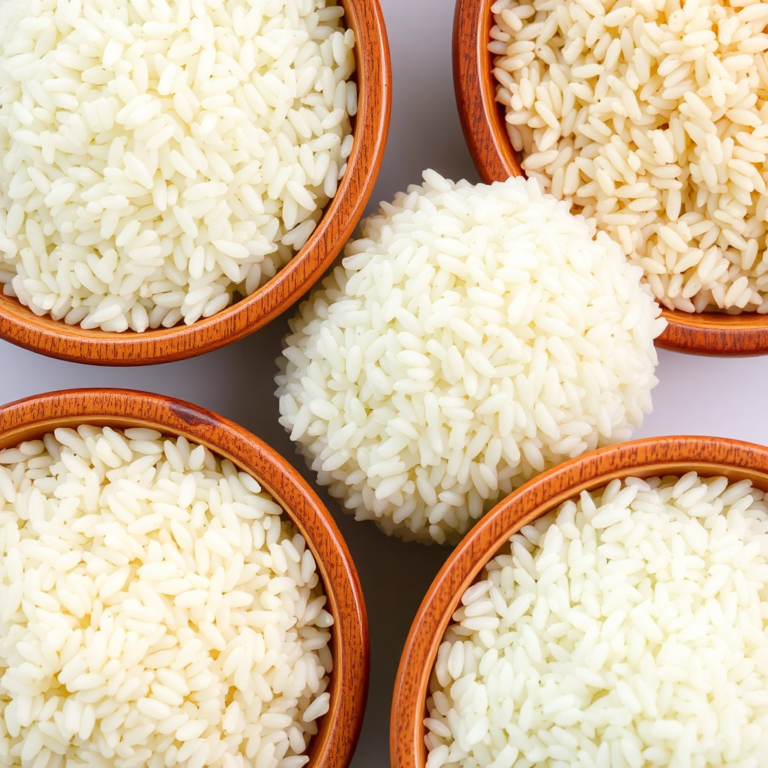
Cream cheese is the main source of fat and calories, contributing around 80-100 calories per roll. Cucumber and nori add minimal calories, while sushi rice, usually seasoned with sugar and vinegar, contributes roughly 150-180 calories depending on amount used.
Typical Calorie Range per Serving Size
A standard Philadelphia roll slice contains about 50-60 calories, with a typical full roll of 6-8 pieces ranging from 320 to 350 calories. Variations in portion size or additional sauces can push this higher.
Portions at restaurants can vary, but homemade rolls tend to have slightly fewer calories due to more controlled ingredient amounts. It's key to watch serving sizes if calories are a concern.
Philadelphia Roll Nutrition Facts

Macronutrient Profile
A typical Philadelphia roll provides a balanced amount of macronutrients: approximately 12-15 grams of protein mainly from smoked salmon, 10-12 grams of fat from cream cheese and fish oils, and 30-40 grams of carbohydrates primarily from sushi rice.
The fat content is relatively higher than many basic sushi rolls due to the cream cheese, while protein remains moderate. Carbohydrates come mostly from rice, making it a good energy source.
Vitamins, Minerals, and Other Nutritional Highlights
Smoked salmon provides omega-3 fatty acids, beneficial B vitamins, and minerals like selenium and phosphorus. The cucumber adds fiber and vitamin K, while seaweed contributes iodine.
Despite moderate calories, the Philadelphia roll offers some nutritional benefits, though the cream cheese adds saturated fats, so moderation is advisable for heart health.
Comparing Philadelphia Roll Calories to Other Sushi Rolls
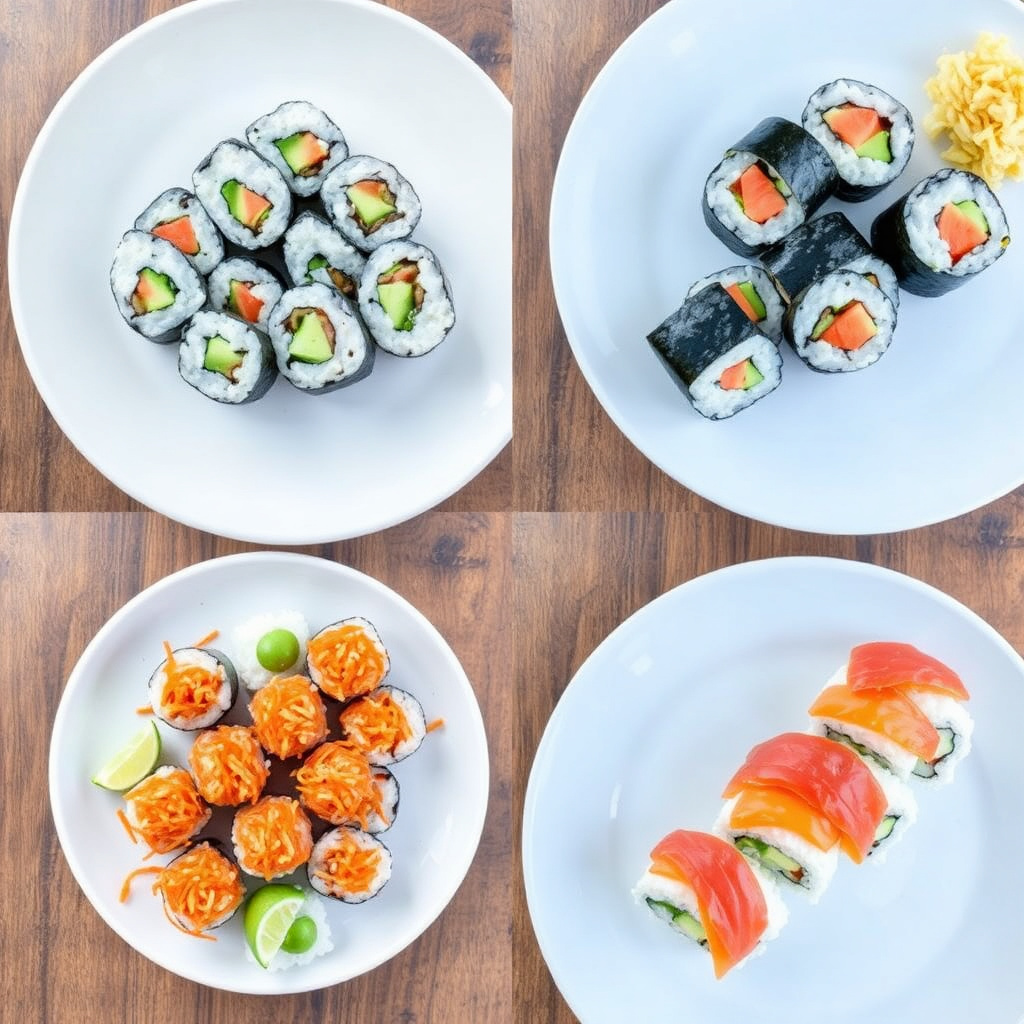
Lower-Calorie Sushi Roll Options
Sushi rolls such as cucumber roll or tuna roll typically have fewer calories, often around 150-250 per roll, since they lack cream cheese and use leaner fish or vegetables.
For those watching calorie intake, rolls without creamy or fried ingredients offer a lighter alternative, allowing for more pieces or sides without excessive calories.
For more on this, see our related guide: How Many Calories Are in a California Roll? A Clear Calorie Guide.
Higher-Calorie Sushi Roll Variations
Specialty rolls with fried tempura, mayonnaise-based sauces, or extra cheese feature higher calories, sometimes exceeding 500 calories per roll. The Philadelphia roll falls in the mid-range due to its cream cheese but mixed seafood and frying increase calories substantially.
Eating these higher-calorie rolls occasionally can satisfy cravings but regular consumption may challenge calorie goals.
How to Reduce Calories in a Philadelphia Roll

Ingredient Substitutions to Lower Calories
Using low-fat cream cheese or reducing its amount cuts calories significantly. Swapping white sushi rice for brown rice adds fiber and marginally lowers calories due to different starch structure.
Increasing cucumber or avocado in place of cream cheese can maintain texture and flavor while reducing fat and calories.
- Low-fat or light cream cheese
- Brown rice instead of white rice
- More vegetables like cucumber or avocado
Serving and Portion Control Tips
Limiting rolls to 4-6 pieces instead of a full 8-piece roll is another way to control calorie intake without sacrificing enjoyment.
Avoiding calorie-dense sauces like spicy mayo or eel sauce also helps keep the roll lighter.
- Order smaller portion sizes
- Skip or reduce creamy sauces
The Role of Philadelphia Roll in a Balanced Diet

Incorporating Sushi Rolls for Nutritional Variety
Including the Philadelphia roll occasionally provides a tasty source of protein, healthy fats, and some essential nutrients, fitting into a varied diet with moderation.
Balancing sushi meals with vegetables, soups, and low-calorie sides ensures adequate fiber and micronutrients often missing from sushi alone.
For more on this, see our related guide: What Is in a Philadelphia Roll? Ingredients and Variations Explained.
Considerations for Special Diets
For those monitoring saturated fat or sodium, Philadelphia rolls may need moderation since cream cheese and smoked salmon can be higher in these areas.
People with lactose intolerance should note the cream cheese content, while gluten considerations depend on soy sauce used alongside sushi.
Where to Find Calorie Information for Philadelphia Rolls

Checking Restaurant Menus and Websites
Many sushi restaurants now provide nutrition facts either on menus or online. Checking these resources helps diners plan meals according to calorie goals.
When unavailable, asking staff or referencing standard sushi nutrition databases is useful.
For more details on various sushi rolls and their typical ingredients, see the Philadelphia roll nutrition information on Wikipedia. Philadelphia roll nutrition information.
Using Nutrition Apps and Calculators
Apps and online calculators can estimate calories by inputting ingredients and serving sizes, handy for homemade Philadelphia roll variations.
These tools often include barcode scanning or pre-set food profiles to improve accuracy.
Philadelphia Roll vs. Other Sushi Rolls Calorie Comparison
Here’s a comparison of calorie counts and key features among different popular sushi rolls to help evaluate Philadelphia roll calories in context.
| Sushi Roll | Calories per Roll | Main Protein | Key Ingredients |
|---|---|---|---|
| Philadelphia Roll | 320-350 | Smoked Salmon | Cream cheese, cucumber, sushi rice |
| California Roll | 250-300 | Crab (imitation or real) | Avocado, cucumber, sushi rice |
| Tuna Roll | 180-220 | Tuna | Sushi rice, nori |
| Cucumber Roll | 140-160 | None (vegetarian) | Cucumber, sushi rice |
| Dragon Roll | 450-550 | Eel | Avocado, eel sauce, sushi rice |
Frequently Asked Questions
Does the Philadelphia roll have more calories than other sushi rolls?
Yes, due to the cream cheese and smoked salmon, a Philadelphia roll typically has more calories than basic rolls like cucumber or tuna rolls but fewer than fried or sauce-heavy specialty rolls.
Can I reduce calories in a Philadelphia roll without sacrificing flavor?
Absolutely. Using lower-fat cream cheese, brown rice, and adding more vegetables can reduce calories while maintaining the roll's characteristic taste.
Is the Philadelphia roll healthy to eat regularly?
While it offers protein and omega-3s, the cream cheese raises saturated fat. Moderation is best as part of a balanced diet rich in vegetables and fiber.
How many pieces are usually in a Philadelphia roll?
A typical Philadelphia roll is cut into 6 to 8 pieces, with calorie counts usually based on a full roll size.
Are there any allergens in a Philadelphia roll?
Yes, common allergens include fish (smoked salmon), dairy (cream cheese), and sometimes soy if soy sauce is used.
Key Takeaways
- A Philadelphia roll contains roughly 320-350 calories per roll.
- Cream cheese significantly increases the fat and calorie content.
- Substitutions like low-fat cream cheese and brown rice can lower calories.
- Comparing sushi rolls helps choose options that fit your nutritional goals.
Conclusion
Estimating how many calories are in a Philadelphia roll helps those tracking nutritional intake balance enjoyment with health goals. The roll combines smoked salmon and cream cheese for a unique taste but also adds calories through fat and carbohydrates. Knowing the calorie range and ingredient breakdown allows informed choices tailored to personal dietary needs.
If you seek moderate calorie sushi, a standard Philadelphia roll fits well compared to fried rolls yet may exceed simpler rolls like tuna or cucumber. Adjusting ingredients or portion sizes can make it more diet-friendly. For example, substituting low-fat cream cheese or incorporating more vegetables lessens calorie load without losing flavor. This makes it a flexible choice for diverse eating patterns.
To finalize your decision, check menus, use apps, or prepare rolls at home for precise calorie control. Consider your broader diet and lifestyle to enjoy the Philadelphia roll as part of balanced eating rather than an indulgence. Keeping track of calories in the Philadelphia roll empowers you to savor sushi while maintaining personal health goals.