Does Sushi Go Bad? What You Need to Know About Sushi Safety
Yes, sushi does go bad, and consuming spoiled sushi can lead to foodborne illness. Fresh sushi is best eaten within a few hours of preparation, especially if it contains raw fish. Improper storage dramatically shortens its edible lifespan and raises health risks.
Because sushi often includes raw ingredients like fish, rice, and seaweed, the chance of bacterial growth increases quickly at room temperature or if refrigerated improperly. Understanding how to tell if sushi is no longer safe helps prevent sickness and lets you enjoy sushi safely.
In this article, we will cover how to assess if sushi has gone bad, how long different types of sushi last, proper storage methods, how to spot spoilage, and the health risks linked to eating spoiled sushi.
How Long Does Sushi Last Before It Goes Bad?

Shelf Life of Raw Fish Sushi
Sushi containing raw fish typically lasts 24 hours if stored properly in the refrigerator at or below 40°F (4°C). Beyond this window, the risk of harmful bacterial growth increases significantly. The texture and flavor also begin to deteriorate after this time frame.
If sushi is left out at room temperature, the safe consumption window shortens drastically to about 2 hours, or just 1 hour if the temperature exceeds 90°F (32°C). Rapid refrigeration is crucial for extending its freshness.
- Refrigerate sushi within 2 hours after purchase
- Keep sushi at or below 40°F to slow bacterial growth
Shelf Life of Cooked and Vegetarian Sushi
Cooked sushi varieties, such as those containing cooked shrimp or tempura, generally keep fresh for slightly longer, up to 3 days refrigerated, provided they have been stored properly. However, their crispiness and flavor decline more noticeably with time.
Vegetarian sushi tends to have the longest shelf life among sushi types. Since it lacks raw fish, it's safer to consume within 3-4 days refrigerated, but freshness still depends on the ingredients used and storage conditions.
- Cooked sushi: best within 3 days refrigerated
- Vegetarian sushi: fresh for up to 4 days refrigerated
How to Store Sushi to Keep It Fresh

Refrigeration Techniques
To maintain sushi freshness, store it in an airtight container or wrap tightly with plastic wrap to reduce exposure to air, which causes drying and bacterial growth. Place sushi on a middle shelf where temperature is most consistent, avoiding the door for temperature fluctuations.
Using a dedicated sushi storage container designed to maintain moisture balance can help keep the rice from becoming hard while preserving the fish's texture. Avoid overcrowding sushi pieces to prevent crushing.
- Use airtight containers or plastic wrap
- Store sushi in the fridge’s middle shelves
Avoiding Temperature Abuse
Avoid leaving sushi at room temperature for more than 2 hours. During picnics or travel, use insulated coolers with ice packs to keep it under safe temperatures.
Never refreeze sushi once it has thawed or been left out. Temperature fluctuations promote bacterial growth and compromise safety.
- Keep sushi below 40°F during storage and transport
- Never refreeze thawed sushi
Signs That Sushi Has Gone Bad

Visual and Smell Indicators
Spoiled sushi often develops a dull, slimy surface coating on the fish or rice. Fish may discolor from vibrant pink or white to grayish or brown. The presence of mold or unusual spots is a direct sign of spoilage.
A strong, sour, or ammonia-like smell signals bacterial overgrowth and that the sushi is unsafe to eat.
- Dull or discolored fish
- Slimy texture
- Off or sour odor
For more on this, see our related guide: How to Tell If Sushi Has Gone Bad: Simple Signs to Watch For.
Texture and Taste Changes
Fresh fish should be firm and moist. If it feels mushy or sticky, it has likely degraded. Similarly, rice that has hardened or turned overly dry is past its prime.
Consuming sushi with an altered taste, such as bitterness or sourness, indicates spoilage and should be discarded immediately.
- Fish becomes mushy instead of firm
- Rice loses moisture and hardens
- Unpleasant or sour taste
Health Risks of Eating Spoiled Sushi
Foodborne Illness from Bacteria
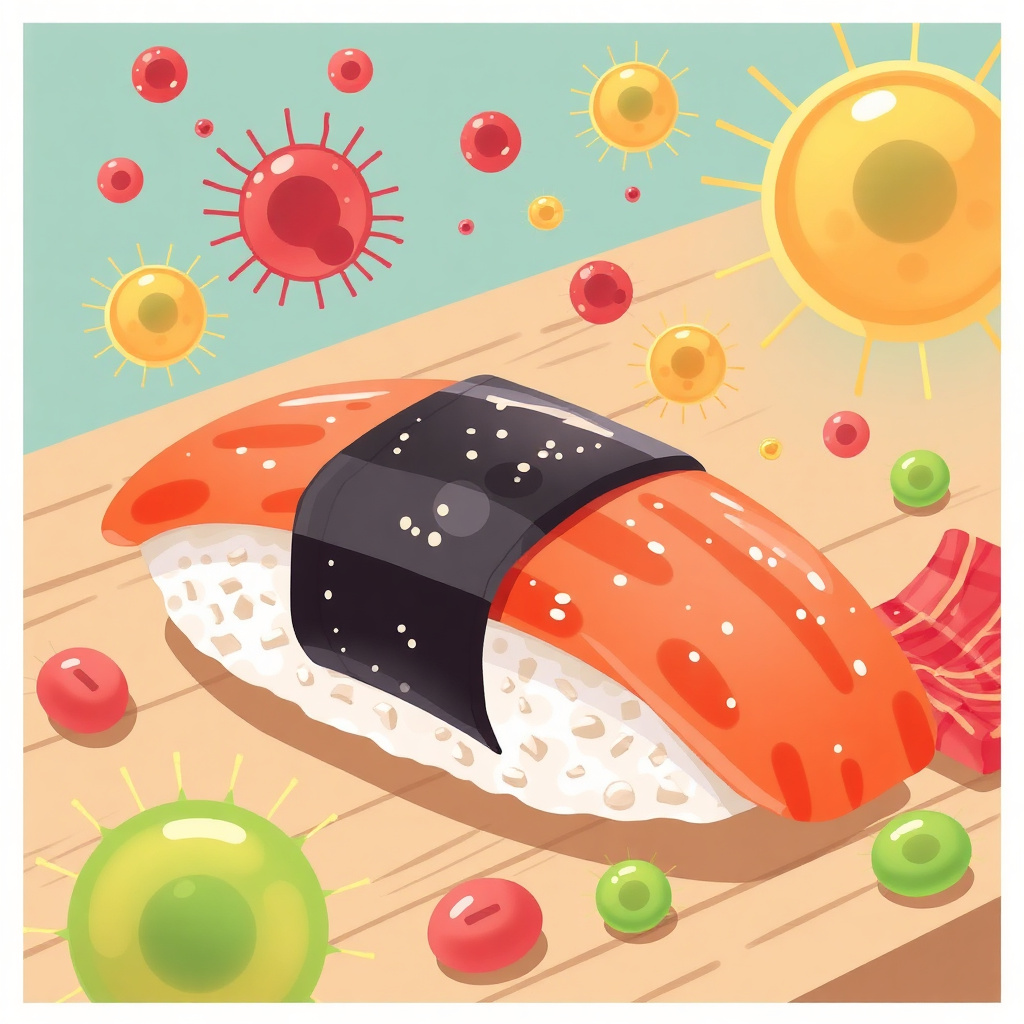
Eating spoiled sushi can expose you to pathogens like Salmonella, Listeria, and Vibrio, which cause symptoms such as nausea, vomiting, diarrhea, and abdominal cramps. Raw fish is particularly vulnerable to bacterial contamination.
High-risk groups like pregnant women, children, the elderly, and those with weakened immune systems should be especially cautious about sushi freshness.
Parasitic Infections
Some raw fish sushi can carry parasites such as Anisakis worms if not frozen properly before serving. Consuming infected sushi may lead to parasitic infections that cause digestive issues and require medical attention.
Reputable sushi establishments freeze fish at temperatures that kill parasites, reducing this risk, but home storage mishandling can lead to contamination.
Tips for Eating Sushi Safely at Home and Restaurants

Choosing Sushi Safely
Select sushi from venues with high turnover to ensure it’s freshly made. If buying pre-packaged sushi, check the sell-by date and avoid packages with damaged seals or condensation inside.
When ordering at restaurants, opt for reputable places that follow strict hygiene and refrigeration standards to minimize food safety risks.
- Check packaging date and condition
- Choose busy sushi establishments
For more on this, see our related guide: How Long Does Cooked Rice Last? Essential Food Safety Guidelines.
Handling Leftovers Properly
If you have leftover sushi, refrigerate it immediately in an airtight container. Consume it within 24 hours if raw fish is included. Avoid leaving leftovers at room temperature for extended periods.
Do not attempt to reheat sushi with raw fish, as heating alters texture and may not kill bacteria sufficiently.
- Use airtight containers for refrigeration
- Consume raw fish sushi leftovers within 24 hours
Understanding Sushi Ingredients and Their Impact on Shelf Life
Effect of Rice and Vinegar
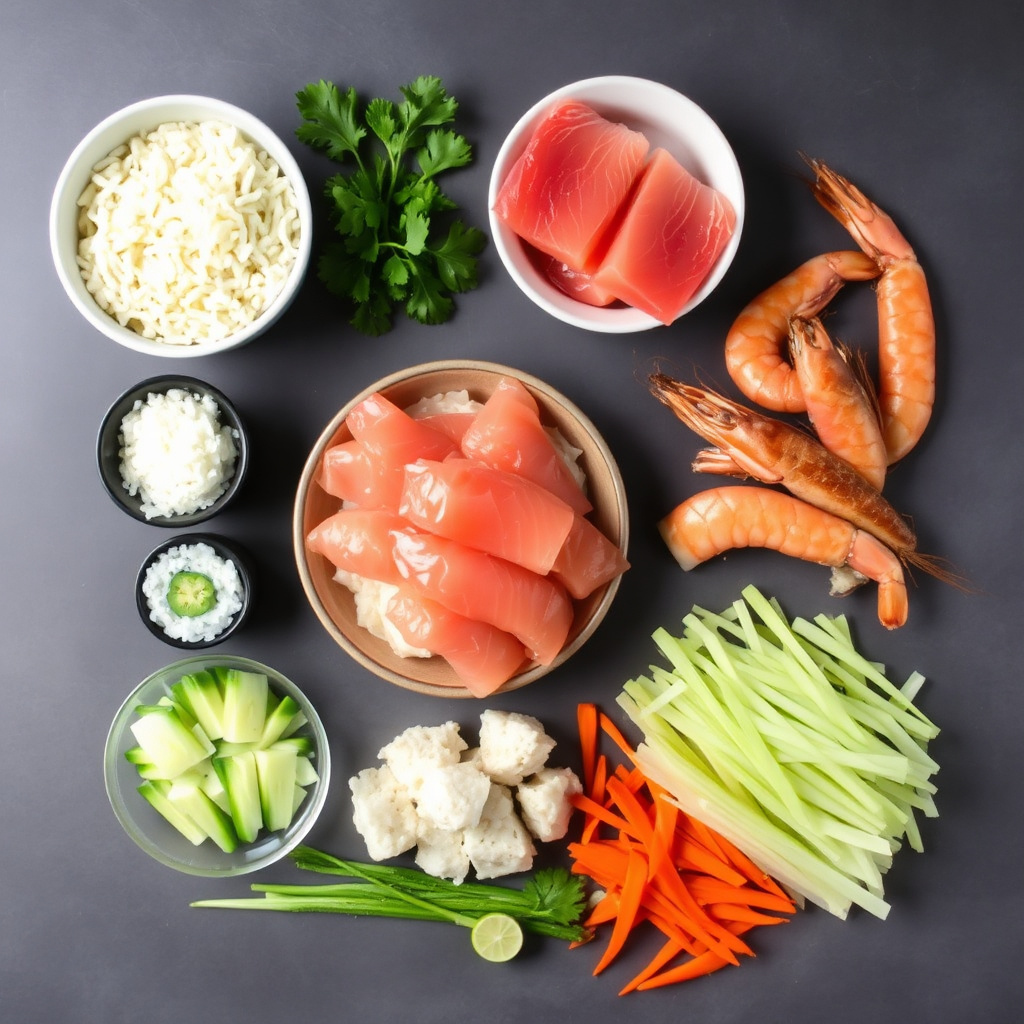
Sushi rice is prepared with vinegar, which helps inhibit bacterial growth to some extent. However, this acidity doesn’t prevent spoilage entirely, especially once the sushi is exposed to air or improper storage.
Rice can become dry or hard if stored too long, affecting taste and texture even if the roll is safe to eat.
The FDA offers detailed food safety guidelines on raw fish that are helpful for understanding sushi freshness and safe handling. food safety guidelines on raw fish.
Raw Fish Varieties and Freshness
Different types of raw fish used in sushi, such as tuna, salmon, or eel, have varying shelf lives. Fatty fish like salmon spoil faster than lean fish like tuna due to higher oil content, making freshness assessment critical.
Knowing the fish type and how it was handled before sushi preparation helps in determining how quickly it may go bad.
- Fatty fish spoil faster than lean fish
- Proper handling before sushi preparation is key
Sushi Types and Their Shelf Life Comparison
Here's a quick guide comparing different sushi types and how long they generally stay fresh under refrigeration.
| Sushi Type | Contains Raw Fish | Refrigerated Shelf Life | Room Temperature Safe Window |
|---|---|---|---|
| Nigiri (Raw Fish) | Yes | Up to 24 hours | Up to 2 hours |
| Sashimi | Yes | Up to 24 hours | Up to 2 hours |
| Cooked Shrimp Sushi | No | Up to 3 days | Up to 2 hours |
| Vegetarian Sushi | No | Up to 4 days | Up to 2 hours |
| Tempura Roll (Cooked) | No | Up to 3 days | Up to 2 hours |
Frequently Asked Questions
Can you eat sushi the next day?
Yes, sushi with raw fish is safe to eat the next day if stored properly refrigerated within two hours of purchase. Cooked and vegetarian sushi may last a bit longer.
How can you tell if sushi is spoiled?
Signs include a sour or ammonia-like smell, slimy texture, discoloration of fish, and dry or hardened rice. Any of these indicate the sushi should be discarded.
Is it risky to eat sushi left out overnight?
Yes, sushi left at room temperature overnight is unsafe due to rapid bacterial growth, and consuming it can cause food poisoning.
Does vinegar in sushi rice preserve it longer?
The vinegar slightly slows bacterial growth but doesn't prevent sushi from spoiling. Proper refrigeration is still necessary.
Can frozen sushi keep as long as fresh sushi?
Sushi typically does not freeze well due to rice texture changes, but fish used in sushi can be frozen before preparation to kill parasites. Once prepared, freezing sushi is not recommended.
Key Takeaways
- Sushi with raw fish should be eaten within 24 hours refrigerated.
- Proper refrigeration and airtight storage are essential for sushi freshness.
- Visual, smell, and texture changes signal sushi spoilage.
- Eating spoiled sushi risks foodborne illnesses.
Conclusion
When deciding if sushi has gone bad, combining visual inspection, smell, and texture checks is essential. The key is to consume sushi quickly and store it under the right conditions, mainly at or below 40°F. Since sushi relies on perishable ingredients like raw fish and rice, any lapse in proper handling shortens its freshness and increases health risks. Paying attention to these factors helps you enjoy sushi safely and avoid food poisoning.
For daily sushi enthusiasts or those buying from stores, raw fish sushi should ideally be consumed within a day, while cooked or vegetarian sushi can last a few days in the fridge. Using airtight containers or tight wrapping helps preserve freshness longer. When dining out, choose reputable places known for swift turnover and proper refrigeration. At home, avoid leaving sushi out and never refreeze thawed pieces to maintain safety.
Overall, if you question sushi’s freshness or notice spoilage signs, it’s safer to discard it. Taking simple steps like storing sushi promptly, eating it within recommended windows, and recognizing spoilage indicators effectively prevents sickness. For a reliable reference on food safety and sushi, checking trusted food safety websites or health authorities can provide further guidance.




One Comment