How to Make Sushi Rice: Step-by-Step Guide for Perfect Texture and Flavor
Making sushi rice involves washing, cooking, and seasoning short-grain rice to achieve the perfect sticky texture necessary for sushi rolls and nigiri. By carefully rinsing the rice to remove excess starch, cooking it with precise water proportions, and mixing it with a balanced sushi vinegar, you can prepare authentic sushi rice at home.
Sushi rice is foundational to Japanese cuisine, providing the ideal base for many dishes. Its unique sticky but fluffy consistency allows it to hold shape while delicately complementing the flavors of raw fish and other ingredients. Without proper technique, the rice can be too mushy or dry, negatively affecting the sushi experience.
This article will cover the essential steps of washing, cooking, seasoning, and cooling sushi rice. It will include tips on selecting rice varieties, preparing sushi vinegar, and troubleshooting common issues, equipping you with everything needed to create restaurant-quality sushi rice.
Choosing the Right Rice for Sushi
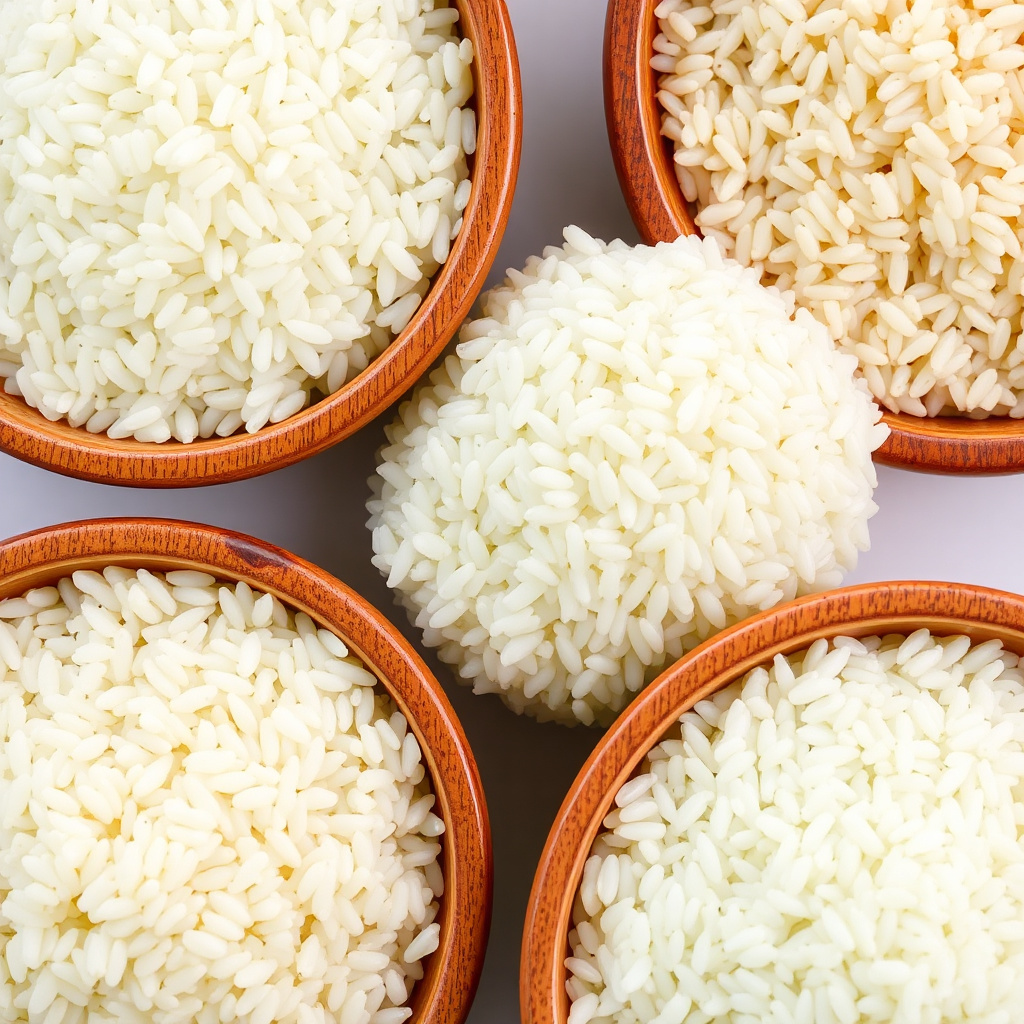
Types of Rice Suitable for Sushi
Sushi rice requires short-grain or medium-grain rice with high starch content, which gives it the distinctive sticky texture when cooked. Popular varieties include Japanese Koshihikari and Calrose rice, known for their stickiness and subtle sweetness.
Avoid using long-grain rice types like basmati or jasmine, as they are too dry and loose for sushi. Selecting the correct rice ensures the foundation of your sushi is authentic and holds together well.
- Koshihikari: premium short-grain, sweet and sticky
- Calrose: widely available medium-grain, moderately sticky
- Avoid long-grain rice for sushi
Where to Buy Quality Sushi Rice
Many Asian markets and specialty grocery stores stock sushi rice, often labeled as 'sushi rice' or short-grain rice. Online retailers also offer a wide selection of authentic Japanese rice varieties, sometimes imported directly from Japan.
Inspect the packaging for freshness and avoid rice that appears dry or has a low starch description. Fresh, high-quality rice is key to achieving the perfect sushi rice texture.
Preparing and Washing Sushi Rice

Proper Washing Technique
Rinsing sushi rice removes excess surface starch that can cause clumping and uneven cooking. Place the rice in a bowl or sieve and rinse under cool running water, gently agitating until the water runs nearly clear.
It usually takes several rinses and gentle stirring to achieve clarity, which is crucial to prevent the rice from becoming overly sticky or gummy after cooking.
- Use cold water
- Repeat 3-5 times until water is clear
- Avoid vigorous scrubbing to prevent grain breakage
Soaking Before Cooking
After washing, soak the rice in fresh water for 20-30 minutes. This allows the grains to absorb water evenly, promoting consistent texture and reducing cooking time.
Skipping soaking may lead to unevenly cooked rice with a hard center or dry texture, so plan accordingly before cooking your sushi rice.
Cooking Sushi Rice Perfectly

Using a Rice Cooker
A rice cooker offers consistent results through precise temperature controls. Add the rinsed and soaked rice with the recommended water ratio — typically 1:1.2 rice to water by volume — to the cooker and start the cooking cycle.
Once finished, keep the rice covered and let it rest for 10-15 minutes to finish steaming before seasoning. This final step enhances the fluffiness and stickiness essential for sushi rice.
- Standard water ratio: 1 cup rice to 1.2 cups water
- Avoid opening the lid during cooking
For more on this, see our related guide: How to Make Seaweed Salad: A Simple and Refreshing Recipe.
Stovetop Cooking Method
If you don’t have a rice cooker, cook sushi rice on the stovetop by combining washed rice and water in a pot with a tight lid. Bring to a boil, then reduce to a low simmer for 15-18 minutes without opening the lid.
After cooking, remove from heat and let it steam covered for another 10 minutes. This method requires attention to avoid burning or uneven cooking but yields excellent results when done correctly.
Seasoning Sushi Rice for Authentic Flavor

Preparing the Sushi Vinegar
Sushi vinegar is a blend of rice vinegar, sugar, and salt that seasons and balances the rice’s natural flavors. The typical ratio is ½ cup rice vinegar, ¼ cup sugar, and 1 teaspoon salt per 2 cups uncooked rice.
Warm the mixture gently to dissolve the sugar and salt fully, then cool before adding to the rice. Authentic vinegars like seasoned rice vinegar simplify this process but homemade blends offer better control.
- Use rice vinegar for mild acidity
- Dissolve sugar and salt evenly
- Avoid over-seasoning which masks rice flavor
Mixing Technique and Cooling
Gently fold the vinegar mixture into the hot rice with a wooden paddle using a slicing motion to separate grains without mashing them. Spread the rice thinly on a large wooden or plastic tray to help it cool quickly and evenly.
Use a handheld fan or a piece of cardboard to fan the rice simultaneously, which adds shine and removes excess moisture, enhancing the final sushi rice texture.
- Do not stir vigorously
- Cool rice to room temperature before use
Common Mistakes to Avoid When Making Sushi Rice

Overcooking or Undercooking Rice
Cooking sushi rice improperly can result in a mushy or hard texture. Too much water or too long cooking time yields soggy rice, while insufficient water leads to undercooked grains that are chewy and dry.
Measuring rice and water accurately and following recommended cooking times for your method are key to a well-textured batch.
- Use a kitchen scale or measuring cup for precision
- Adjust water slightly if rice is consistently too hard or soft
For more on this, see our related guide: How to Make Tempura: A Simple Guide to Crispy Japanese Frying.
Using Incorrect Rice or Seasoning
Using long-grain rice or skipping washing affects stickiness and taste. Additionally, seasoning with inappropriate vinegar types or wrong ratios can overpower or under-season the rice, spoiling the balance sushi requires.
Stick to authentic short-grain varieties and tested sushi vinegar recipes, tweaking slightly to personal taste if needed.
Storing and Handling Sushi Rice

Best Practices for Short-Term Storage
Sushi rice is best used immediately but can be stored for a few hours at room temperature covered with a damp cloth to retain moisture. Refrigerating sushi rice often hardens it, compromising texture and flavor.
If storing longer, gently re-steam or microwave with a damp towel before use to refresh stickiness, though fresh is always preferred.
For additional details on sushi rice varieties and cultural context, visit the Sushi rice page on Wikipedia. Sushi rice on Wikipedia.
Handling Tips to Maintain Quality
Use rice paddles or wooden spoons instead of metal utensils to avoid damaging the grain surface. Avoid pressing or compacting the rice when handling to keep the light, fluffy texture.
When forming sushi shapes, use lightly moistened hands to prevent sticking without adding excess water.
- Avoid metal utensils
- Lightly moisten hands when shaping
Sushi Rice Types Category Comparison
Here is a comparison of popular sushi rice types highlighting key characteristics to help you choose the best option for your needs.
| Rice Variety | Grain Length | Stickiness | Flavor Profile | Typical Use |
|---|---|---|---|---|
| Koshihikari | Short | High | Sweet and mild | Premium sushi and nigiri |
| Calrose | Medium | Moderate | Neutral and soft | Casual sushi dishes |
| Sasanishiki | Short | High | Faintly sweet | Traditional sushi and onigiri |
| Akitakomachi | Short | High | Delicate and smooth | High-end sushi and bento |
Frequently Asked Questions
Can I use regular white rice instead of sushi rice?
Regular long-grain white rice lacks the stickiness needed for sushi and will not hold shape well, resulting in loose, crumbly sushi. Short-grain sushi rice is recommended for proper texture and flavor.
How long does sushi rice last once made?
Sushi rice is best eaten within a few hours at room temperature. Refrigerating it can harden the rice and affect taste. If needed, gently reheat with moisture to restore softness.
Why is it important to fan sushi rice after mixing in vinegar?
Fanning cools the rice quickly, helping to evaporate excess moisture and giving it a glossy appearance, which enhances texture and flavor without becoming too wet.
Can I prepare sushi rice ahead of time for a party?
You can prepare sushi rice a few hours in advance and keep it covered with a damp cloth at room temperature. Avoid refrigeration and reheat gently if necessary soon before serving.
What vinegar can I use if I don’t have rice vinegar?
Rice vinegar is mild and slightly sweet, essential for sushi rice seasoning. If unavailable, white wine vinegar can be a substitute, but avoid stronger or harsher vinegars like distilled white vinegar.
Key Takeaways
- Use short-grain sushi rice for authentic texture and flavor
- Rinse and soak rice thoroughly before cooking
- Season cooked rice with a balanced sushi vinegar mixture
- Cool and fan rice properly for ideal consistency
Conclusion
Mastering how to make sushi rice centers on selecting the right rice and combining precise preparation techniques. Each step—from washing and soaking to cooking and seasoning—impacts the final texture essential to authentic sushi. Focusing on balance and gentle handling leads to sticky yet fluffy rice, the true hallmark of craftful sushi making.
For those seeking convenience with consistency, Japanese varieties like Koshihikari are excellent choices, paired with properly mixed sushi vinegar. Using a rice cooker simplifies cooking, while stovetop methods work well with careful attention. Avoid long-grain rice which undermines sushi’s structure and experiment with vinegar ratios to suit personal flavor preferences.
Starting with this foundation, prepare your sushi rice fresh and serve it soon after to enjoy its delicate taste and texture fully. Whether making simple rolls or advanced nigiri, perfect sushi rice elevates every dish. Try these techniques for your next meal and experience how authentic sushi begins with the rice.


