Why Does Chinese Food Make You Hungry Later? Uncovering the Truth
Chinese food can sometimes leave you feeling hungry again soon after eating due to specific ingredients and cooking methods that affect your body's hunger signals. This sensation often comes from high sodium levels, MSG, and refined carbohydrates commonly found in many Chinese dishes.
These factors influence your body's hormone regulation and fluid balance, leading to increased thirst and cravings that trick you into feeling hungry. Understanding why this happens can help you manage your appetite better after a Chinese meal and avoid overeating or unnecessary snacking.
This article explains the science behind why Chinese food may trigger hunger later. It also explores the role of ingredients like monosodium glutamate (MSG), salt, and carbohydrates, plus tips to enjoy Chinese cuisine without feeling hungry soon afterward.
How Sodium and Salty Flavors Affect Hunger

Sodium’s Role in Thirst and Appetite
Chinese food often contains high amounts of sodium because of soy sauce, oyster sauce, and other savory ingredients. Eating salty foods causes your body to retain water and stimulates thirst, which sometimes gets confused with hunger, leading you to eat more after your meal.
Additionally, high sodium intake affects hormones like aldosterone that regulate salt and water balance. This hormonal change can prompt your body to crave more food to balance out the amplified salt levels, thereby making you feel hungry.
Sauces and Preserved Ingredients
Many Chinese dishes use sauces that are packed with salt and flavor enhancers. These not only elevate taste but also heighten your appetite by triggering taste receptors that encourage further eating.
Preserved or pickled vegetables common in Chinese cuisine also contain concentrated sodium, which can contribute to the lingering feeling of hunger by promoting thirst and potentially stimulating your appetite.
The Influence of Monosodium Glutamate (MSG) on Hunger
What is MSG and How Does It Impact Appetite?
MSG is a flavor enhancer widely used in Chinese cooking to amplify umami taste. Scientific studies suggest that MSG may stimulate certain nerve receptors in the gut and brain that influence hunger signals, making you feel more hungry after consuming it.
While MSG itself contains no calories, its effect on appetite-regulating hormones like ghrelin and leptin can lead to increased food intake, prompting you to seek more meals or snacks following an MSG-laden dish.
Sensitivity to MSG and Hunger Response
Not everyone reacts the same way to MSG; some individuals experience more pronounced hunger spikes or cravings after eating foods containing it.
This sensitivity may depend on genetic factors or overall diet, making certain people more prone to feeling hungry shortly after Chinese meals rich in MSG.
Effects of Refined Carbohydrates and Sugars

Rapid Blood Sugar Spikes and Drops
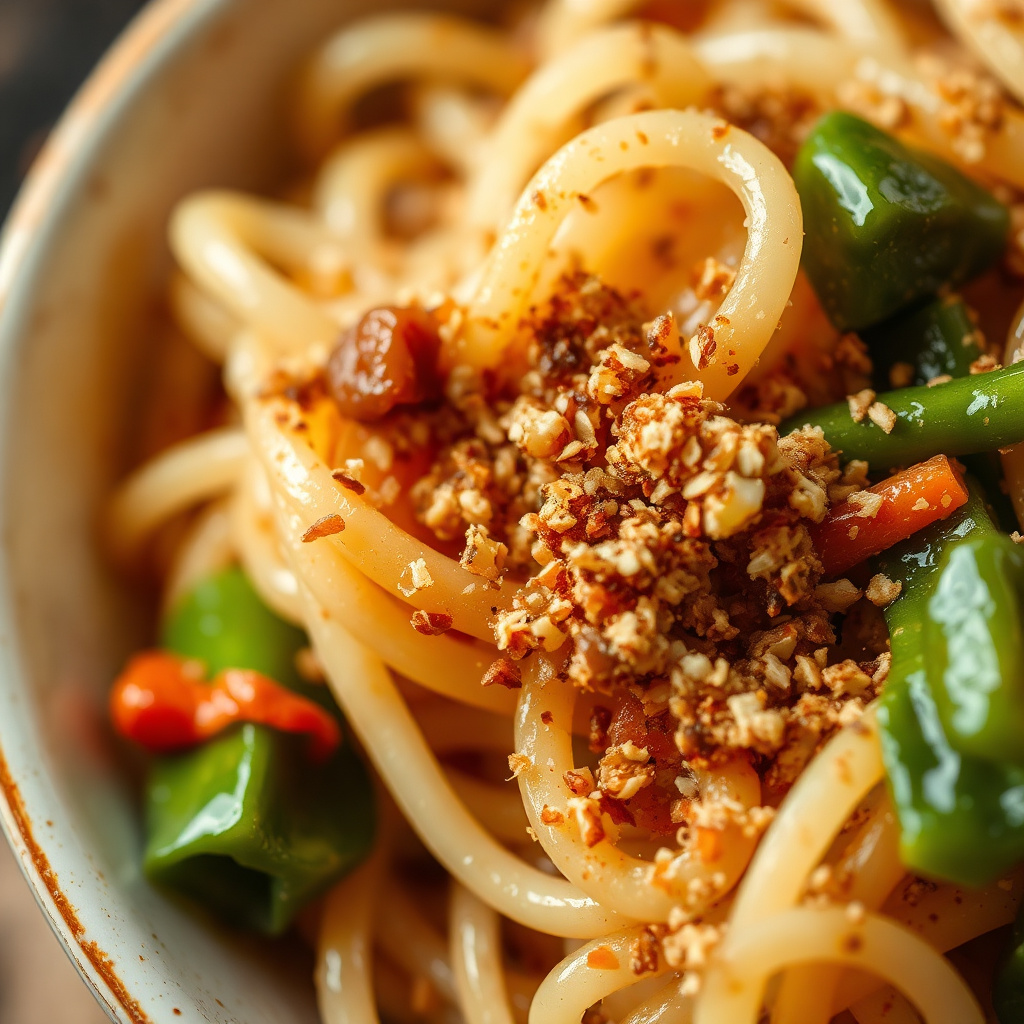
Chinese food often features refined carbs such as white rice, noodles, and battered items that cause quick rises in blood sugar levels. These rapid surges are followed by equally fast drops, which can trigger hunger and cravings sooner than more complex carbohydrates would.
When blood sugar falls quickly, your body signals the need to eat more to restore glucose levels, often making you feel hungry again soon after eating a meal high in these refined carbohydrates.
Balancing Carbs with Protein and Fiber
Including protein-rich ingredients like tofu, chicken, or beef alongside vegetables can slow digestion and stabilize blood sugar, reducing hunger after a meal.
Fiber from vegetables and whole grains also helps maintain satiety, so dishes with a better nutritional balance tend to keep hunger at bay longer compared to many typical Chinese food choices.
The Role of Food Texture and Portion Size

Texture’s Impact on Fullness Signals
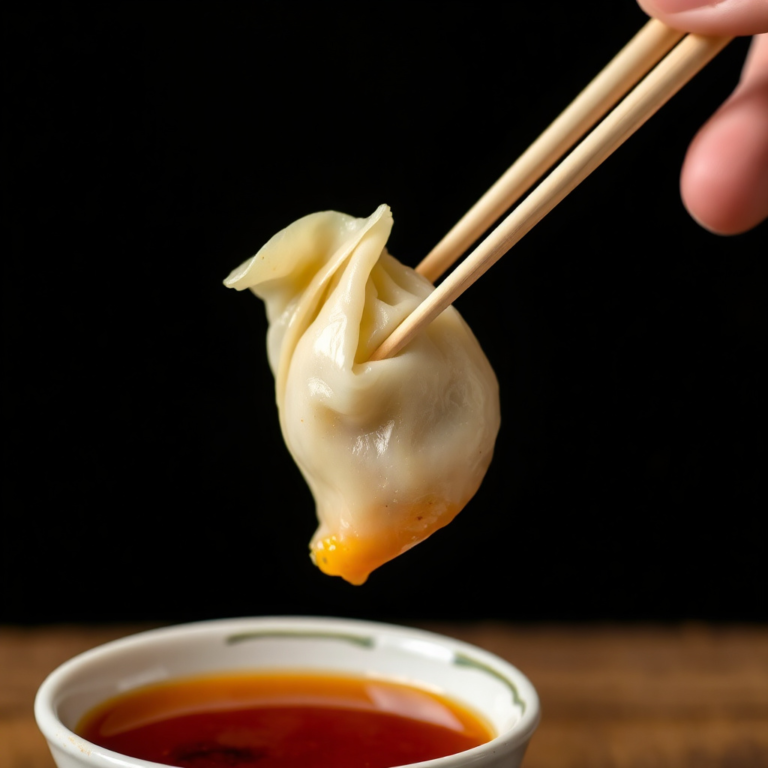
Foods with softer textures and smaller chew time, like steamed dumplings or soups, can lead to less satiety compared to crunchier, more fibrous foods. Quick eating can bypass the signals that tell your brain you're full, increasing the chance of feeling hungry later.
Chinese dishes often combine a variety of textures, but many rely on softer components that might not satisfy fullness as effectively, encouraging you to eat more or feel hungry again soon.
Large Portions and Hidden Calories
Buffet-style or large portions frequently served in Chinese restaurants encourage overeating, which can paradoxically leave you feeling unsatisfied if your meal lacks balanced nutrients.
Overconsumption of calories without enough protein or fiber may disrupt normal hunger cues, making you crave food again within a short time.
How Hydration and Post-Meal Drinks Affect Hunger

Drinking Water with Salty Meals
Drinking plain water with salty Chinese dishes can help counteract thirst caused by sodium, possibly reducing false hunger signals. Proper hydration supports digestion and appetite regulation after eating.
However, if hydration is insufficient, the body may confuse thirst for hunger, making you desire more food after a salty meal.
Sugary Drinks and Appetite Stimulation
Sugary beverages often paired with Chinese food, like sweetened teas or sodas, can cause quicker blood sugar spikes and subsequent hunger quicker than water.
Choosing water or unsweetened drinks instead can help keep hunger signals balanced and reduce the likelihood of feeling hungry shortly after your meal.
Tips to Enjoy Chinese Food Without Feeling Hungry Later

Choose Low-Sodium and MSG-Free Options
Opt for dishes prepared with less soy sauce or ask for MSG-free cooking to minimize excess sodium and flavor enhancers that drive hunger later.
Selecting steamed or lightly seasoned vegetables and lean proteins can help keep hunger at bay.
- Request sauce on the side
- Avoid heavily salted appetizers
- Pick steamed or stir-fried dishes without thick sauces
For more detailed scientific information on MSG and its effects, see the Monosodium glutamate Wikipedia article. Monosodium glutamate Wikipedia article.
Balance Carbs with Protein and Fiber
Include protein-rich items such as chicken, shrimp, tofu, or eggs to slow digestion and promote fullness.
Add extra vegetables or choose brown rice over white rice when possible to increase fiber intake and stabilize blood sugar.
- Add a vegetable side dish
- Choose mixed dishes with meat or tofu
- Limit portions of fried rice and noodles
Different Chinese Food Types and Their Hunger Impact Compared
Here’s how various common Chinese dishes compare based on sodium, MSG content, and their typical effect on hunger after eating.
| Dish Type | Typical Sodium Level | MSG Use | Hunger Impact |
|---|---|---|---|
| Dim Sum | High | Moderate | Often makes hungry soon after |
| Stir-Fried Vegetables | Moderate | Low | Keeps hunger at bay longer |
| Fried Rice | High | Moderate | Causes hunger due to refined carbs |
| Hot and Sour Soup | High | High | Can stimulate more hunger |
| Steamed Fish | Low | Low | Usually keeps you fuller longer |
| General Tso's Chicken | Very High | High | Often quickly leads to hunger |
Frequently Asked Questions
Does MSG actually cause hunger?
MSG can stimulate appetite by influencing brain and gut receptors, but effects vary by individual. It may make some people feel hungrier after eating foods containing MSG.
Why do salty foods make me hungrier later?
Salt makes your body retain water and feel thirsty, which can be mistaken for hunger, often leading you to eat more after salty meals like many Chinese dishes.
Can I avoid feeling hungry after eating Chinese food?
Yes, by choosing dishes with more protein and fiber, limiting sauce and salt, and drinking water instead of sugary beverages, you can reduce hunger after your meal.
Are refined carbs in Chinese food the main reason for increased hunger?
Refined carbs like white rice and noodles cause blood sugar spikes and drops, triggering hunger, especially when not balanced with protein or fiber.
Is drinking water helpful to prevent hunger after Chinese food?
Drinking water helps counteract salt-induced thirst, which can prevent falsely interpreting thirst as hunger, thus reducing post-meal cravings.
Key Takeaways
- High sodium and MSG in Chinese food can stimulate hunger after eating.
- Refined carbohydrates cause blood sugar swings that trigger hunger quickly.
- Balancing meals with protein and fiber reduces hunger later on.
- Choosing low-sodium and MSG-free dishes helps control post-meal cravings.
Conclusion
Understanding why Chinese food can make you hungry later involves looking closely at its ingredients: high sodium, monosodium glutamate, and refined carbohydrates. These components affect your body's hydration, hormone levels, and blood sugar, all of which play roles in regulating hunger. Recognizing how these factors work together provides insight into why you might find yourself reaching for a snack soon after a meal that initially felt satisfying. Considering these elements helps you make smarter choices that align with your appetite and nutrition goals.
For those who enjoy Chinese cuisine but want to avoid the quick onset of hunger, it’s wise to select options like steamed fish or stir-fried vegetables, which are lower in sodium and MSG. Avoiding dishes heavy in fried rice or General Tso’s Chicken reduces the intake of refined carbohydrates and excess salt. Incorporating more protein and fiber-rich foods alongside your meal can help maintain fullness. Simple swaps—like requesting sauces on the side and drinking water—also make a considerable difference in managing hunger.
Next time you order Chinese food, think about your choices in terms of hunger management. Focus on balanced meals featuring lean proteins and vegetables, limit salty and MSG-heavy dishes, and opt for water instead of sugary drinks. These steps will help you enjoy the flavors you love without the unwanted hunger soon after finishing your meal. Paying attention to these details can lead to better satisfaction and fewer cravings later on.