How to Eat Dumplings: A Practical Guide to Enjoying Dumplings Like a Pro
Eating dumplings may seem simple, but doing it the right way can enhance your experience and bring out the best flavors. To eat dumplings properly, start by using chopsticks or a fork to pick them up gently, dip them lightly in your preferred sauce, and take a small bite to savor the filling and broth before finishing it in one or two bites.
Properly eating dumplings matters because it lets you enjoy their texture and flavor without spilling broth or burning your mouth on hot filling. Dumplings come in many varieties—steamed, boiled, pan-fried—and each type benefits from a slightly different technique. Understanding how to eat dumplings will also help you appreciate cultural dining etiquette when sharing a meal with others.
This guide covers the best ways to hold, dip, bite into, and finish eating dumplings. It also explains sauce choices, utensil options, and etiquette to follow when enjoying dumplings at home or in a restaurant.
Choosing the Right Utensils for Eating Dumplings

Using Chopsticks for Dumplings
Chopsticks are the traditional utensil for eating dumplings and offer the best control for dipping without breaking the delicate wrapper. Use the tips of the chopsticks to grasp the dumpling securely but gently, aiming to support it underneath to avoid tearing.
Mastering chopsticks takes practice, but their precision lets you enjoy the dumpling’s texture and flavors without extra mess. If you’re new to chopsticks, steady your hand by resting your elbow on the table and ensuring a comfortable grip.
- Hold chopsticks about one-third from the end
- Use the index and middle finger to control the upper stick
- Rest the lower chopstick between thumb and ring finger
Alternative Utensils: Fork or Spoon
If chopsticks are not your preference, a fork can be used carefully. Pierce the dumpling lightly near the edge to hold it without puncturing the filling. Avoid stabbing repeatedly to prevent juices from leaking.
Sometimes a spoon aids in catching drips or broth when eating soup dumplings. You can scoop the dumpling onto the spoon before biting to contain any liquid, making for an easier and cleaner experience.
- Use a fork for firmer dumplings like pan-fried varieties
- A spoon works well for soup dumplings
- Avoid excessive piercing to keep the filling intact
Proper Techniques for Eating Dumplings

Dipping Dumplings Without Overdoing It
Lightly dipping dumplings into sauces enhances their flavor but soaking them can overwhelm the delicate wrapper and filling. Tilt the dumpling slightly and briefly touch it to the sauce rather than fully submerging it.
This approach keeps the dumpling’s taste balanced and preserves its texture. Many enjoy simple soy-based sauces with a dash of vinegar and chili oil. The secondary keyword, dumpling dipping sauces, covers a variety of accompaniments from spicy to savory.
- Try soy sauce mixed with rice vinegar
- Add chili oil sparingly for heat
- Avoid drowning dumplings in sauce
Biting Dumplings for the Best Flavor
When you first bite a dumpling, aim to create an opening to release hot steam and savor the flavorful broth inside, especially with soup dumplings. Bite gently to avoid hot filling squirting out unexpectedly.
After releasing the steam, continue eating in one or two bites. This technique helps you enjoy both the wrapper’s chewiness and the filling’s rich flavor in harmony.
- Bite the edge to release steam
- Savor broth before eating rest
- Eat promptly to enjoy freshness
Exploring Different Dumpling Varieties and Eating Styles
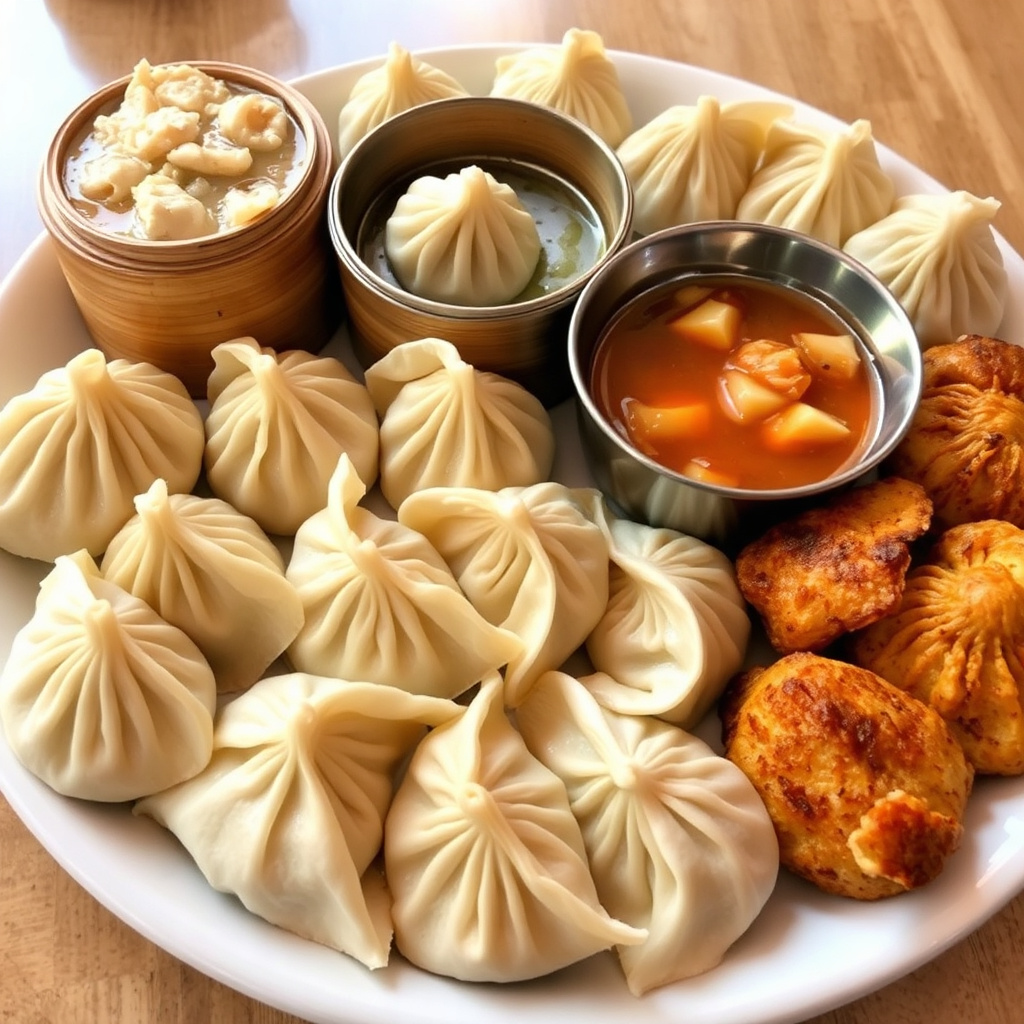
Steamed and Boiled Dumplings
Steamed and boiled dumplings usually have softer, more delicate skins and tender fillings. They are perfect for dipping in lighter sauces, which complement the natural flavors.
Eating these dumplings often involves careful handling to prevent them from falling apart. Use chopsticks or a spoon to ensure the wrapper stays intact when transferring to your plate or sauce.
- Examples: jiaozi, xiao long bao
- Serve with light soy and vinegar-based sauces
For more on this, see our related guide: How to Eat Pho vs Ramen: A Detailed Guide to Enjoying These Iconic Noodle Soups.
Pan-Fried Dumplings and Their Unique Textures
Pan-fried dumplings have crispy bottoms and chewy tops, giving you a contrast of textures in each bite. These are sturdy enough to hold sauces without leaking juices.
When eating pan-fried dumplings, it’s common to bite from the crispy side first to enjoy the crunch. They pair well with thicker, spiced sauces that hold onto the surface.
- Examples: potstickers, guotie
- Pair with soy-based or savory chili sauces
Understanding Dumpling Etiquette and Cultural Norms
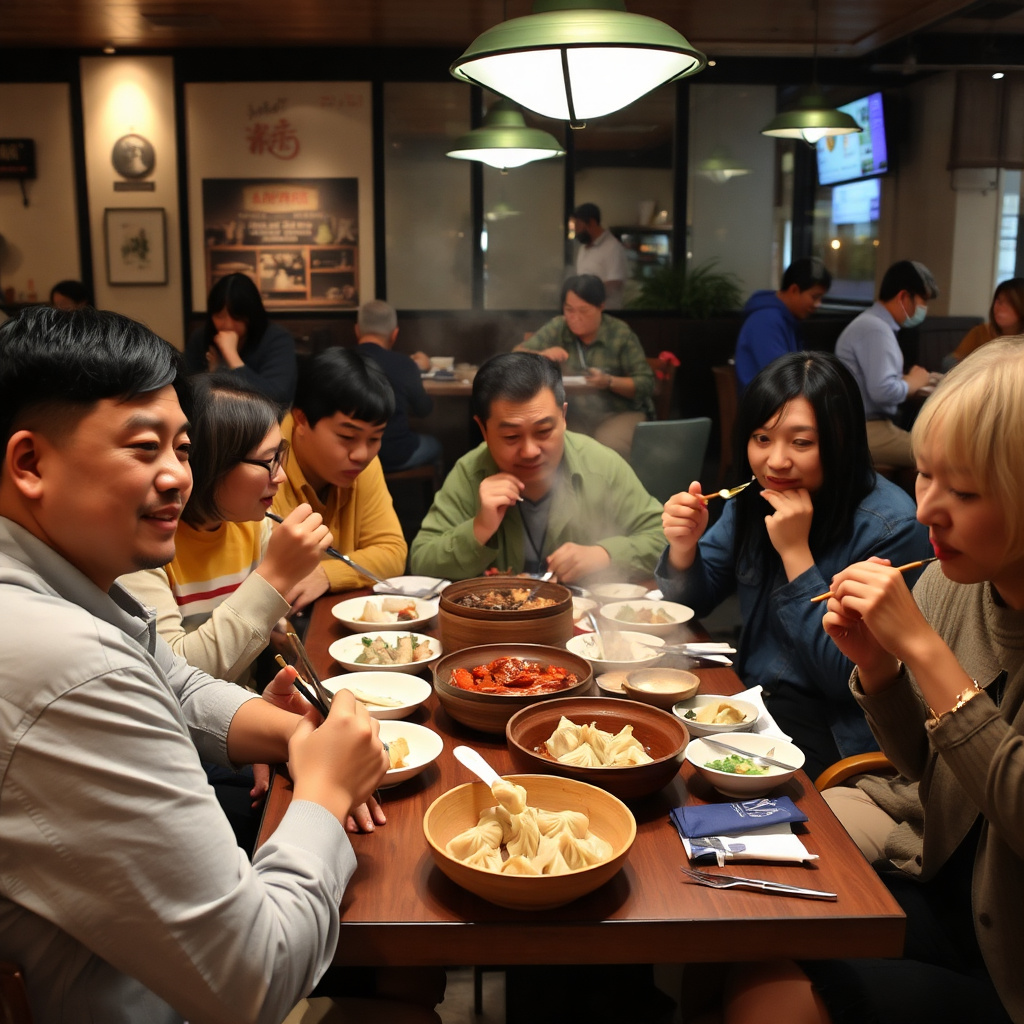
Sharing Dumplings in Group Settings
Dumplings are often enjoyed communally, so practicing polite sharing is part of dumpling etiquette. Use serving chopsticks to transfer dumplings from shared plates to your bowl rather than your own chopsticks.
This practice prevents hygiene issues and shows respect to others dining with you. It’s also polite to offer others a chance to take dumplings before helping yourself.
- Use separate chopsticks for serving
- Wait your turn patiently
- Offer sauces or condiments to all
Manners While Eating Dumplings
Avoid making loud slurping noises or biting dumplings in a way that causes juice to spill on the table or clothes. Take small bites if necessary and discreetly handle any spills.
Showing appreciation by finishing your dumplings politely and avoiding waste is also part of good etiquette in many dumpling-eating cultures.
- Take manageable bites
- Use napkins for spills
- Don’t waste leftover dumplings
Sauce Options and Pairings for Dumplings

Traditional Soy and Vinegar Blends
A common dipping sauce for dumplings combines soy sauce and black vinegar, sometimes with minced garlic or ginger. This blend balances salty, tangy, and aromatic flavors that complement many dumpling fillings.
Adjusting the proportions to taste lets you highlight sweetness or acidity depending on the dumpling type. This sauce works well across steamed, boiled, and pan-fried varieties.
- Mix soy sauce and Chinese black vinegar
- Add minced garlic or ginger
- Customize with a splash of sesame oil
For more on this, see our related guide: How to Make Gyoza: A Step-by-Step Guide to Perfect Japanese Dumplings.
Spicy and Creamy Dipping Sauces
For a kick, chili oil or chili paste sauces add heat to dumplings. Some also enjoy creamy sauces like sesame paste, which bring a rich, nutty flavor.
Spicy pairings often have garlic and Sichuan peppercorns for layered complexity, elevating the dumpling experience especially with meat fillings.
- Chili oil with garlic and peppercorns
- Sesame paste mixed with soy sauce
- Combine spicy and creamy for contrast
Tips for Enjoying Leftover Dumplings

Reheating Methods to Preserve Flavor
Leftover dumplings can be quickly reheated by steaming or pan-frying to restore texture. Steaming prevents dryness, while pan-frying re-crisps the bottoms of potstickers.
Microwaving is fast but can make wrappers tough or soggy; steaming offers a moister result while reheating more evenly.
- Steam leftovers for 5-7 minutes
- Pan-fry with a little oil for crispiness
- Avoid microwaving too long
For more on dumpling history and varieties, see this detailed article on dumpling information on Wikipedia. Dumpling information on Wikipedia.
Creative Ways to Repurpose Leftovers
You can chop leftover dumplings and add them to soups or fried rice for extra flavor and texture. This turns them into a new dish and reduces waste.
Another option is shredding dumplings into salads with dressing or adding them to stir-fries for a quick meal variation.
- Add to soup or noodle dishes
- Use as toppings for salads
- Stir into fried rice or vegetables
Comparison of Popular Dumpling Types
Here’s a side-by-side look at common dumpling categories and how they differ in texture, cooking method, and ideal sauces.
| Category | Texture | Cooking Method | Best Sauce Pairings |
|---|---|---|---|
| Steamed Dumplings | Soft, tender | Steamed | Soy sauce + vinegar |
| Boiled Dumplings | Soft, moist | Boiled in water | Light soy dipping sauce |
| Pan-Fried Dumplings (Potstickers) | Crispy bottom, chewy top | Pan-fried then steamed | Soy sauce, spicy chili oil |
| Soup Dumplings (Xiao Long Bao) | Delicate skin with broth inside | Steamed | Black vinegar + ginger strips |
| Deep-Fried Dumplings | Crunchy and crispy | Deep-fried | Sweet and sour sauce or chili sauce |
Frequently Asked Questions
Is it okay to bite dumplings in half?
Yes, biting dumplings in half is common to release the hot steam inside and cool the filling before eating, especially with soup dumplings.
What is the best dipping sauce for dumplings?
A classic blend of soy sauce and black vinegar is versatile and enhances most dumpling varieties, with optional chili oil for heat.
Can I eat dumplings with my hands?
While chopsticks or forks are standard utensils, using clean hands is acceptable in informal settings or street food environments.
How do I avoid spilling broth from soup dumplings?
Place the soup dumpling carefully on a spoon, bite a small hole to release steam, then sip the broth before eating the rest.
Are there dumpling etiquette rules I should know?
Use serving utensils for shared plates, avoid loud eating noises, and don’t waste leftover dumplings to respect dining companions.
Key Takeaways
- Use chopsticks for precise, gentle handling of dumplings.
- Dip dumplings lightly in balanced sauces to enhance flavor.
- Bite carefully to release steam and enjoy filling without mess.
- Follow polite sharing and eating manners when dining with others.
Conclusion
Eating dumplings well is about combining technique and appreciation for texture, flavor, and cultural habits. Holding dumplings correctly with chopsticks or a spoon protects their delicate skin, while dipping lightly avoids overpowering their taste. Biting carefully releases hot steam so you can enjoy every element, from the wrapper's softness to the filling's juicy richness. Remembering etiquette when sharing dumplings enriches the social meal experience, showing respect for fellow diners.
For those who enjoy dumplings regularly, adapting your technique depending on the dumpling type enhances enjoyment. Steamed and boiled dumplings benefit from a soft touch and lighter sauces, while pan-fried varieties invite crispy bites paired with bolder dipping sauces like chili oil. Soup dumplings require a spoon and delicate handling to savor the broth safely. Practicing these methods helps you experience dumplings from casual street food to formal dining authentically and satisfyingly.
Next time you sit down to eat dumplings, focus on enjoying each flavorful bite using the tips provided here. Whether you prefer simple soy and vinegar dips or spicy sauces, applying proper utensil use and eating manners will elevate your meal. Try reheating leftovers thoughtfully or incorporating them into new dishes to reduce waste and extend the pleasure. With these approaches, eating dumplings becomes more than just a meal — it’s a culinary experience to savor.




One Comment