Why Is Chinese Food So Salty? Understanding the Flavor Profile
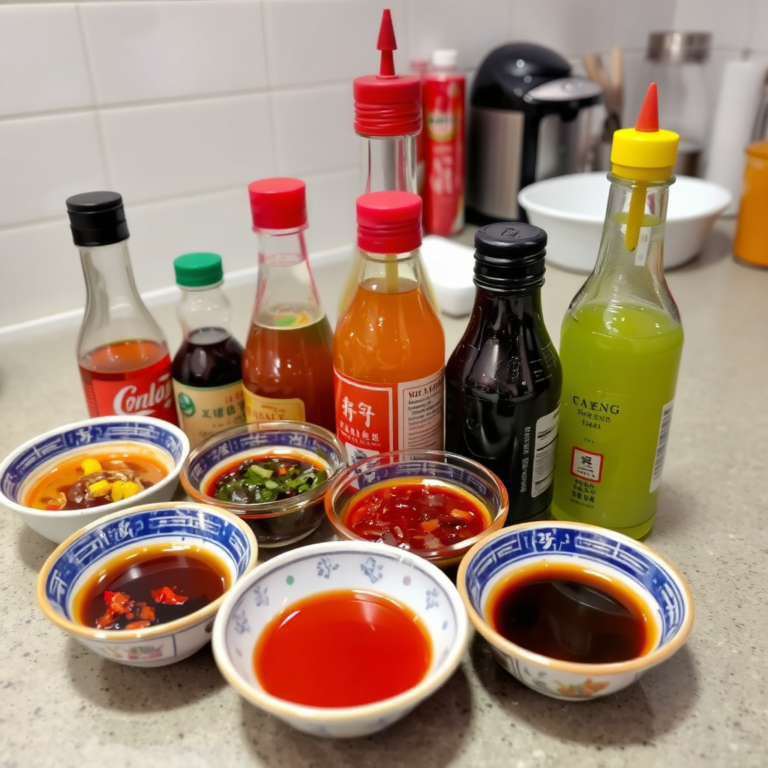
Chinese food often tastes salty because many traditional recipes rely heavily on soy sauce, fermented sauces, and salt-rich seasonings. These ingredients contribute to the distinctive savory flavor that is both appetizing and familiar across many Chinese dishes.
This salty profile is tied to centuries-old culinary traditions, where salt and fermented condiments were key for flavor enhancement and preservation. Additionally, balancing different tastes — salty, sweet, sour, bitter, and umami — is a hallmark of Chinese cooking, with saltiness playing a central role.
In this article, we'll explore the reasons behind Chinese food’s saltiness, including common ingredients, regional variations, cooking techniques, and tips for moderating salt levels if you'd like to enjoy these flavors with less sodium.
Key Ingredients That Add Saltiness in Chinese Food

Soy Sauce: The Salty Backbone
Soy sauce is arguably the most foundational salty ingredient in Chinese cuisine. Made by fermenting soybeans with salt and mold cultures, it delivers a complex salty and umami flavor used in marinades, dips, and stir-fries.
Different types of soy sauce, such as light, dark, and mushroom soy sauce, vary in salt concentration and caramel color but all contribute significant saltiness. Their widespread use means salt is a constant flavor note in many dishes.
- Light soy sauce: saltier, lighter in color
- Dark soy sauce: less salty, thicker, adds color
- Mushroom soy sauce: flavored with mushrooms, moderately salty
Fermented Pastes and Pickled Ingredients
Fermented soybean pastes like doubanjiang and fermented black beans pack a salty punch with deep umami tastes. These are staples in Sichuan and Cantonese cooking, elevating spice and savoriness.
Pickled vegetables and salted fish similarly introduce saltiness along with pungent flavors. These preservation methods historically extended the shelf life of foods while enriching dishes with saltiness.
- Doubanjiang: spicy fermented bean paste
- Salted fish: preserved with salt, strong flavor
- Pickled mustard greens: salty and tangy
Culinary Techniques Influencing Salt Levels

Stir-Frying and Sauce Reduction
In Chinese cooking, stir-frying is a rapid cooking method that often involves reducing thick sauces, concentrating flavors including salt. This intensifies the salty taste as less water dilutes the seasoning.
Chefs frequently add soy sauce and other salted condiments at different stages to build up layers of flavor. This sequential addition can amplify saltiness in the finished dish.
- Quick cooking retains moisture and salt concentration
- Repeated seasoning during cooking enhances saltiness
Balancing Salt with Other Flavors
Seasoning in Chinese cuisine aims for harmony, balancing salty with sweet, sour, bitter, and umami. Ingredients like sugar, rice vinegar, and chili paste often accompany salty components, preventing salt from overwhelming the palate.
This balancing act means saltiness serves more as a background enhancer rather than the lone flavor, crucial for overall taste complexity.
- Use of sugar or honey to counterbalance salt
- Vinegar adds acidity to cut through saltiness
Regional Variations in Salt Usage Across China

Northern and Sichuan Cuisines: Bold and Salty
Northern China and Sichuan province have some of the saltiest regional cuisines. The colder climate historically made saltier, fermented ingredients vital for food preservation and flavor.
Sichuan food in particular emphasizes salty, spicy, and numbing tastes using doubanjiang and pickled chilies. The saltiness here is robust and integral to the bold flavor profile.
- Heavy use of salted fermented pastes
- Salted meats and pickles common
For more on this, see our related guide: Why Is Chinese Food So Good? Exploring the Secrets Behind Its Popularity.
Cantonese and Jiangsu Styles: Milder Salt Levels
Cantonese cuisine, famous for dim sum and seafood, tends toward lighter, more subtle seasoning with less aggressive saltiness. The emphasis is on freshness and natural ingredient flavors with balanced salt use.
Jiangsu cuisine similarly prefers delicate, less salty dishes alongside sweet and sour notes, focusing on refinement rather than bold salt presence.
- More subtle soy sauce applications
- Fresh ingredients minimize heavy salting
Health Considerations Around Salt in Chinese Food
Sodium Intake Concerns
Regular consumption of salty Chinese dishes can contribute significant sodium intake, which may impact blood pressure and cardiovascular health. Awareness of salt levels helps those monitoring their diet.
Many traditional recipes do not quantify salt precisely, making it easy to unintentionally consume more than recommended daily sodium.
- Average Chinese dish sodium content ranges widely
- High sodium linked to hypertension risks
Adapting Recipes for Lower Salt
Home cooks and restaurants can reduce salt by using low-sodium soy sauces, limiting fermented pastes, and increasing fresh herbs and aromatics to maintain flavor balance without excessive salt.
Rinsing pickled ingredients or substituting naturally salty flavor enhancers like mushrooms and seaweed offers ways to enjoy Chinese flavors more healthfully.
- Choose low-sodium soy sauce options
- Use fresh ginger, garlic, and scallions
- Incorporate umami-rich mushrooms as salt substitutes
Adjusting to the Saltiness: Tips for Diners
Communicating with Restaurants
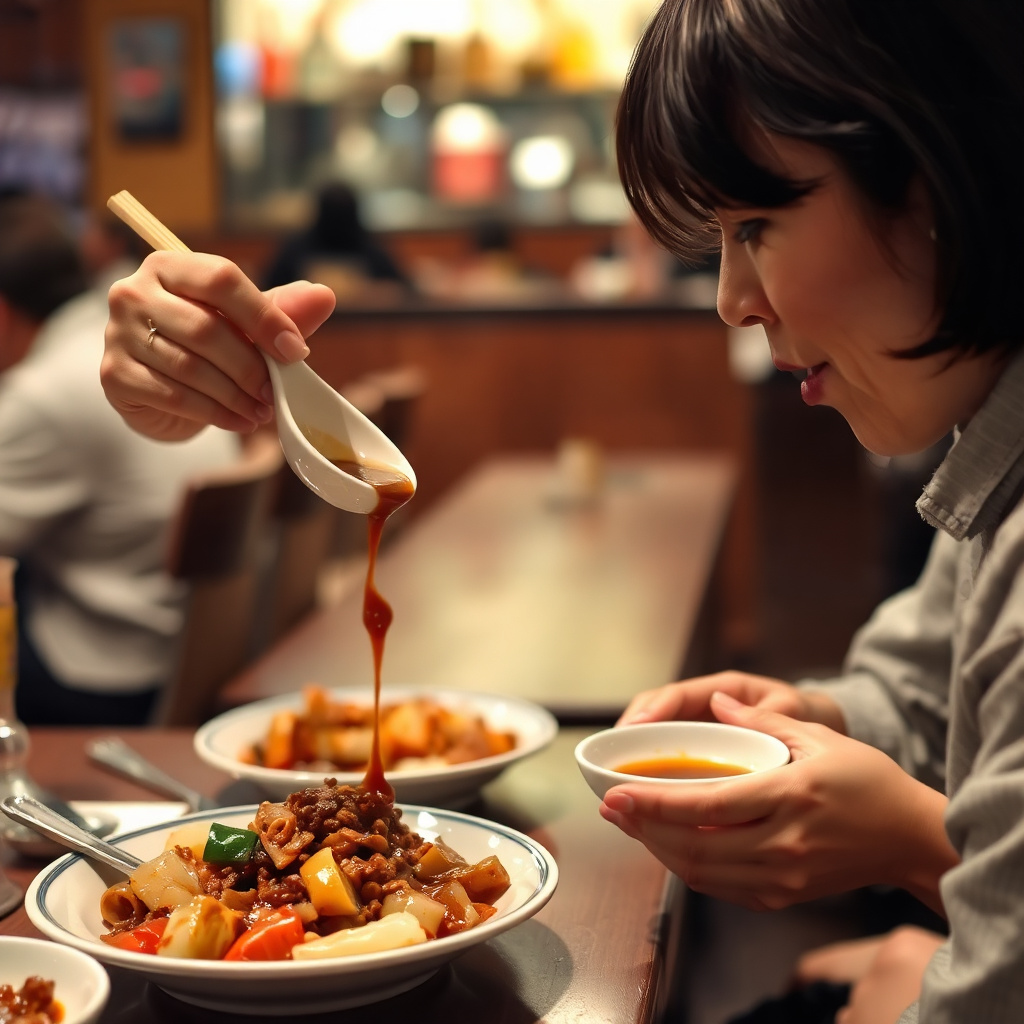
If you prefer less salty food, it's helpful to ask for lighter seasoning when ordering. Many restaurants can accommodate requests to reduce soy sauce or salt use in dishes.
Expressing taste preferences allows for a better dining experience without sacrificing traditional flavor profiles.
For more on this, see our related guide: Why Do Chinese Restaurants Use MSG? Exploring Its Role and Impact.
Balancing Saltiness at Home
When cooking Chinese dishes yourself, taste as you go and add salt gradually. Incorporate sugar, vinegar, or citrus to offset saltiness and bring balance.
Pair salty dishes with bland staples like rice or lightly steamed vegetables to diffuse the perceived saltiness.
- Add salt incrementally and taste frequently
- Use sugar or citrus to balance flavors
- Serve alongside plain rice or vegetables
The Cultural and Historical Context of Salt in Chinese Cooking
Salt as a Preservative and Flavoring Agent
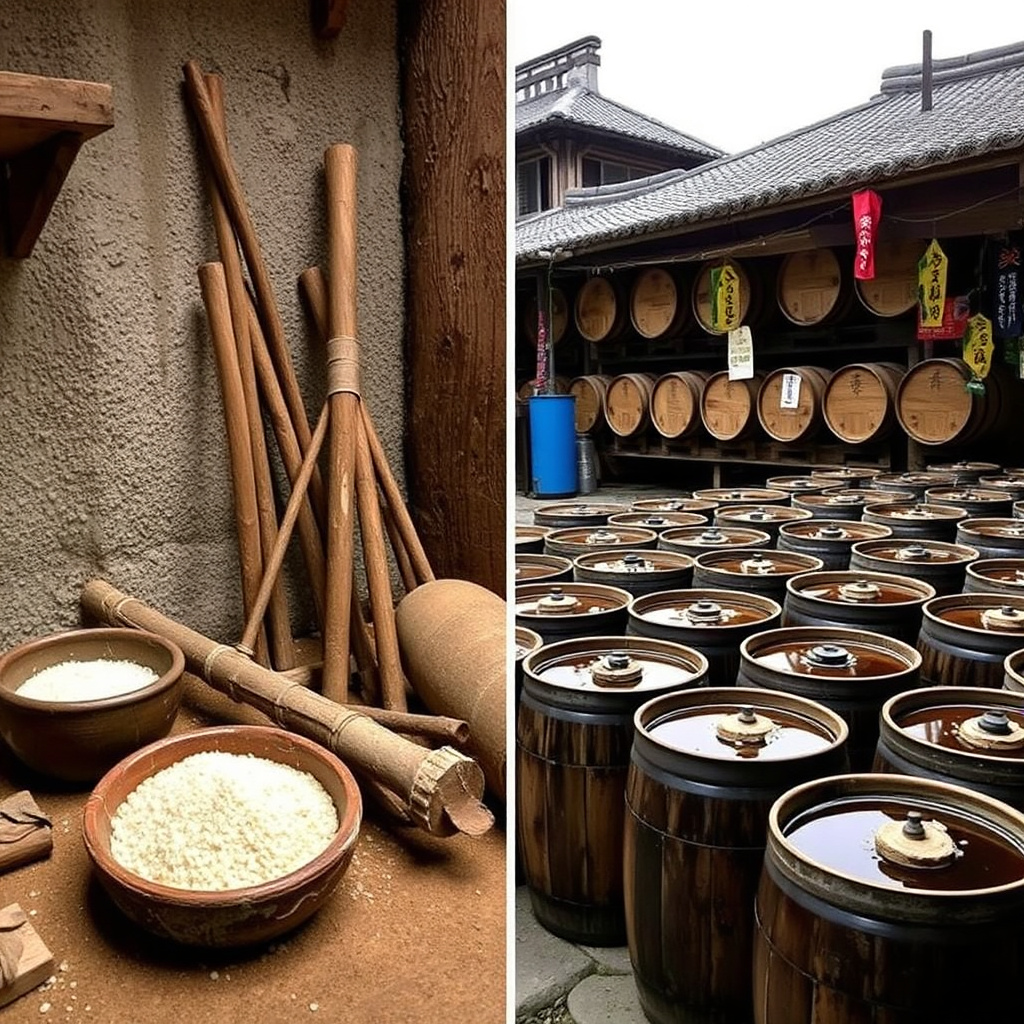
Historically, salt was a precious commodity in China, essential for preserving foods before refrigeration. This encouraged the use of salt and fermented products in many recipes.
The dual role of salt for preservation and taste shaped Chinese cooking practices and ingredient choices over centuries.
To gain a broader understanding of Chinese culinary practices, you can visit the detailed Chinese cuisine article on Wikipedia. Chinese cuisine on Wikipedia.
Regional Trade and Ingredient Availability
Regions near the sea or salt mines had better access to salt, influencing their cuisine's saltiness. Inland areas used pickled and fermented foods to replicate those salty flavors.
Trade routes and local environments directly impacted how much salt featured in regional diets and dishes.
Comparison of Salt Levels in Popular Chinese Cuisine Regions
Here’s an overview comparing how saltiness varies across different prominent Chinese culinary regions and styles.
| Region | Saltiness Level | Typical Salty Ingredients | Flavor Profile |
|---|---|---|---|
| Sichuan | High | Doubanjiang, pickled chilies, fermented beans | Bold, spicy, and salty |
| Northern China | Moderate-High | Soy sauce, salted meats | Savory, hearty, salty |
| Cantonese | Mild | Light soy sauce, fresh seafood | Delicate, fresh, less salty |
| Jiangsu | Mild | Light soy sauce, sugar balancing | Sweet, savory, balanced |
| Shanghai | Moderate | Soy sauce, fermented sauces | Slightly sweet, balanced salt |
Frequently Asked Questions
Why does soy sauce make Chinese food salty?
Soy sauce is naturally high in sodium because salt is an essential part of its fermentation process, giving Chinese dishes a salty and umami-rich taste.
Is all Chinese food salty?
No, saltiness varies by region and dish. Southern Chinese cuisines typically use less salt than northern or Sichuan styles which emphasize saltier flavors.
Can I reduce salt in homemade Chinese recipes?
Yes, use low-sodium soy sauce, reduce fermented pastes, and add balancing ingredients like sugar or vinegar to maintain flavor without excess salt.
Why are fermented sauces so salty in Chinese cooking?
Salt preserves fermented sauces by preventing spoilage, and it also intensifies their rich umami flavors, making saltiness a key trait in these condiments.
Are salty Chinese dishes unhealthy?
High-sodium dishes can contribute to health risks if eaten excessively. Moderation and careful ingredient choices help maintain health without losing flavor.
Key Takeaways
- Soy sauce and fermented pastes heavily influence salty taste in Chinese food.
- Saltiness varies widely between Chinese regional cuisines.
- Cooking techniques like stir-frying concentrate salty flavors.
- Salt levels can be managed by ingredient substitutions and seasoning control.
Conclusion
Evaluating why Chinese food is so salty is a journey through its ingredients, regional traditions, and cooking methods. The main drivers like soy sauce and fermented products pack a lot of sodium but enrich dishes with characteristic depth and complexity. Understanding salt's role helps in appreciating this flavor as part of a broader balance rather than a harsh element.
If you seek less salty experiences, opt for dishes from Cantonese or Jiangsu kitchens known for subtler seasoning. Conversely, lovers of bold taste can enjoy the saltier profiles of Sichuan or Northern Chinese classics, mindful of sodium content. At home, selecting lower-sodium soy sauce and using fresh herbs allows you to tailor salt levels proactively.
For those wanting to enjoy Chinese food without too much salt, start by tasting during cooking, experimenting with balance through sugar or acidity, and choosing menu options that highlight freshness. This approach preserves the pleasure of Chinese cuisine’s intricate flavor harmony while supporting healthier eating.