Can You Microwave Sushi? Safe Practices and Tips Explained
You can microwave sushi under certain conditions, but not all types are suitable for reheating in a microwave. Fresh sushi with raw fish should generally be avoided in the microwave for safety and texture reasons. Cooked sushi varieties, like those with tempura or grilled ingredients, can be microwaved carefully for a short time.
The concern lies in the raw fish, which may not reheat evenly, risking foodborne illness, and the texture changes—microwaving can make the rice hard and the seaweed chewy. Understanding which sushi components withstand microwaving and how to do it properly helps prevent these pitfalls and keeps your sushi enjoyable.
This article will cover when microwaving sushi is safe, how to do it correctly, alternatives to reheating sushi, and insights into preserving sushi freshness. You'll also find guidance on the common sushi types and the best way to enjoy leftovers without food safety risks.
Understanding Sushi Components and Heating Safety

Raw Fish and Microwave Risks
Raw fish in sushi poses a food safety risk when microwaved because it heats unevenly. Microwaves operate by exciting water molecules, creating inconsistent hot spots. This uneven heat can fail to kill harmful bacteria present in raw fish or cause partial cooking that affects taste and texture.
Additionally, rapid heating can toughen or dry out the raw fish, reducing its delicate flavor and making the sushi unpleasant to eat. For these reasons, it is generally recommended not to microwave sushi with raw fish fillings.
Cooked Ingredients and Their Microwave Compatibility
Sushi varieties that include cooked elements such as tempura, cooked shrimp, eel, or grilled vegetables respond better to microwaving. These ingredients are more forgiving to reheating and less likely to harbor foodborne pathogens if warmed sufficiently.
However, even with cooked components, careful reheating is essential to avoid drying out the rice and toughening the seaweed wrapper. Short, low-power microwave bursts combined with moisture help preserve texture and taste.
- Tempura rolls with cooked shrimp
- Eel sushi
- Vegetable rolls with grilled or steamed veggies
Techniques for Microwaving Sushi Safely

Preparation Steps Before Heating
Place the sushi pieces on a microwave-safe plate and cover them loosely with a damp paper towel. The moisture prevents the rice from drying out and seaweed from becoming too tough. Avoid stacking pieces to allow even heating.
If the sushi contains raw fish, consider removing those pieces to microwave only the cooked varieties. This limits food safety issues and preserves the freshest taste.
- Use a microwave-safe dish
- Cover with damp paper towel
- Heat cooked sushi only
For more on this, see our related guide: Can You Freeze Sushi? A Guide to Freezing and Preserving Sushi Safely.
Heating Duration and Power Settings
Microwave sushi at 50% power in short bursts of 15-20 seconds, checking after each interval. This low power minimizes uneven heating and gives you control to avoid overheating.
Generally, 30-60 seconds total is enough, depending on the sushi volume. Avoid longer microwaving sessions as this can harden the rice and decrease quality.
- Microwave at half power
- Heat in short 15-20 second bursts
- Check temperature frequently
Alternatives to Microwaving Sushi

Steaming Sushi for Gentle Reheating
Using a steamer to warm sushi preserves moisture better than a microwave. Steam provides even, gentle heat that softens rice and warms cooked fillings without drying them out.
This method is especially useful for sushi with tempura or cooked meats. Direct steam exposure quickens reheating and helps maintain overall texture.
- Place sushi in a steaming basket
- Steam for 3-5 minutes
- Monitor to avoid over-softening
Room Temperature and Cold Serving Suggestions
Leaving sushi at room temperature for up to two hours after purchase often suffices to improve the eating experience compared to fridge-cold sushi. This is safer than microwaving raw varieties and retains flavor.
Sushi meant for immediate consumption is best served fresh or slightly chilled, so warming is often unnecessary. Cold sushi with dipping sauces and wasabi can still be delightful.
- Allow sushi to rest at room temperature briefly
- Serve cold sushi with complementary condiments
- Avoid warming raw fish sushi
Common Mistakes to Avoid When Reheating Sushi

Overheating Raw Fish
Heating raw fish at high temperatures or for too long can lead to spoilage risks or undesirable rubbery texture. It also encourages bacterial growth if uneven heating occurs.
Sushi with raw fish should be eaten fresh or refrigerated and consumed cold rather than reheated in a microwave.
For more on this, see our related guide: Can You Eat Sushi the Next Day? Safe Storage and Consumption Tips.
Ignoring Moisture Needs
Neglecting to keep sushi moist during microwaving will dry out the rice and harden seaweed. This damages the characteristic texture and mouthfeel of good sushi.
Always cover sushi with a damp cloth or paper towel before heating and avoid overcrowding the plate.
How to Store Sushi for Best Later Use
Refrigeration Tips for Sushi
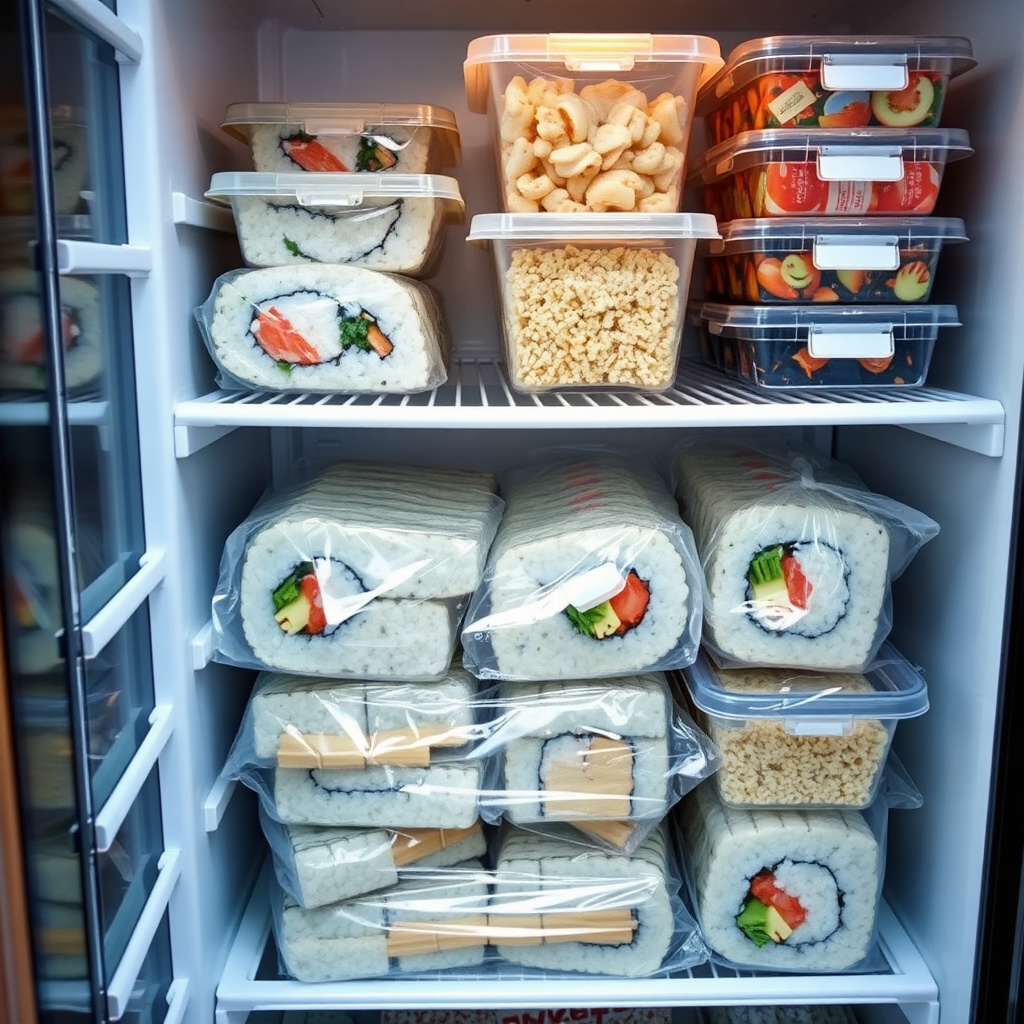
Store sushi in an airtight container to minimize exposure to air and moisture loss. Consume refrigerated sushi within 24 hours for the best taste and safety.
Avoid storing sushi with raw fish overnight whenever possible, as this increases the risk of bacterial growth, even when chilled.
- Use airtight containers
- Keep sushi refrigerated below 40°F
- Consume within one day
For detailed information on safely using a microwave to heat food, consult microwave safety guidelines from the USDA. microwave safety guidelines.
Freezing Sushi: When It Makes Sense
Freezing sushi is generally not recommended due to texture damage in rice and seaweed. However, some cooked roll types may freeze better than others.
If freezing, wrap tightly and thaw slowly in the refrigerator to preserve quality, but understand that taste and texture will be affected.
- Freeze only cooked sushi
- Wrap tightly to prevent freezer burn
- Thaw in refrigerator before eating
Comparison of Sushi Types and Reheating Methods
This table compares common sushi types for their microwave suitability, texture retention, and safety when reheated.
| Sushi Type | Safe to Microwave? | Texture After Microwaving | Recommended Method |
|---|---|---|---|
| Raw Fish Nigiri | No | Poor – tough and rubbery | Eat cold, do not microwave |
| Tempura Roll | Yes | Good – preserves crispiness if careful | Microwave low power or steam |
| Cooked Shrimp Roll | Yes | Fair – slight dryness possible | Microwave with moisture |
| Vegetable Roll | Yes | Good – retains texture | Microwave briefly or steam |
| Eel Nigiri | Yes | Good | Microwave low power or steam |
| California Roll | Yes | Fair | Microwave short bursts or room temperature |
Frequently Asked Questions
Is it safe to microwave sushi with raw fish?
Microwaving sushi with raw fish is not recommended due to uneven heating and food safety risks. It can leave dangerous bacteria alive and spoil the texture.
How can I prevent sushi rice from drying out in the microwave?
Cover sushi with a damp paper towel or cloth before microwaving to maintain moisture and prevent the rice from hardening or drying.
Can I reheat all sushi types in the microwave?
Only sushi made with cooked ingredients or vegetables should be microwaved. Raw fish sushi should be eaten fresh or cold to avoid health risks.
What is the best alternative to microwaving leftover sushi?
Steaming sushi gently is a better alternative as it heats evenly and keeps the rice moist without toughening seaweed or fish.
How long can sushi be stored before reheating?
Store sushi in an airtight container in the refrigerator and consume it within 24 hours to ensure safety and maintain quality.
Key Takeaways
- Raw fish sushi should generally not be microwaved due to safety and texture issues.
- Cooked sushi varieties can be microwaved carefully with moisture and low power.
- Steaming is a preferable reheating method to maintain texture and flavor.
- Proper storage within 24 hours is essential for safe sushi consumption.
Conclusion
When deciding whether you can microwave sushi, the key considerations are the sushi's ingredients and the risks involved with heating raw fish. Raw fish sushi carries the highest health risk when microwaved due to uneven heating and potential bacterial survival. On the other hand, sushi rolls made with cooked components or vegetables tolerate microwaving better if done cautiously with moisture and lower power settings. Understanding these differences informs a smart approach to reheating leftover sushi.
Practical recommendations include avoiding microwaving sushi nigiri with raw fish entirely and instead consuming it fresh or cold. For cooked varieties, like tempura rolls or cooked shrimp rolls, microwaving briefly at 50% power with a damp cover can yield acceptable results. Alternatively, steaming these sushi types helps maintain moisture, texture, and temperature evenly, producing a more enjoyable eating experience. Cold vegetable rolls often fare well either at room temperature or lightly warmed.
As a final tip, proper storage in airtight containers refrigerated below 40°F and eaten within a day maximizes sushi safety and taste. Evaluating the type of sushi you have and considering heating alternatives beyond the microwave can assure both food safety and enjoyable flavor. Next time you have leftover sushi, try applying these guidelines for a safer and more delicious reheating experience.