Can You Freeze Sushi? A Guide to Freezing and Preserving Sushi Safely
Yes, you can freeze sushi, but how you do it matters greatly for maintaining its taste and safety. Freezing sushi can preserve it temporarily, but delicate ingredients like raw fish may lose texture and flavor after thawing. Making sure sushi is properly wrapped and frozen quickly is key to keeping its quality.
Knowing whether to freeze sushi is useful if you have leftovers or want to prepare ahead. However, freezing affects the sushi's texture and can compromise fresh ingredients, especially raw fish. Cooked sushi varieties freeze better, while raw options require caution due to food safety risks.
This article breaks down when and how you can freeze sushi, compares different sushi types for freezing suitability, and shares practical freezing sushi tips. You’ll also find advice on thawing and how to recognize when sushi is no longer safe to eat.
Understanding Sushi and Freezing Basics
How Freezing Affects Sushi Ingredients
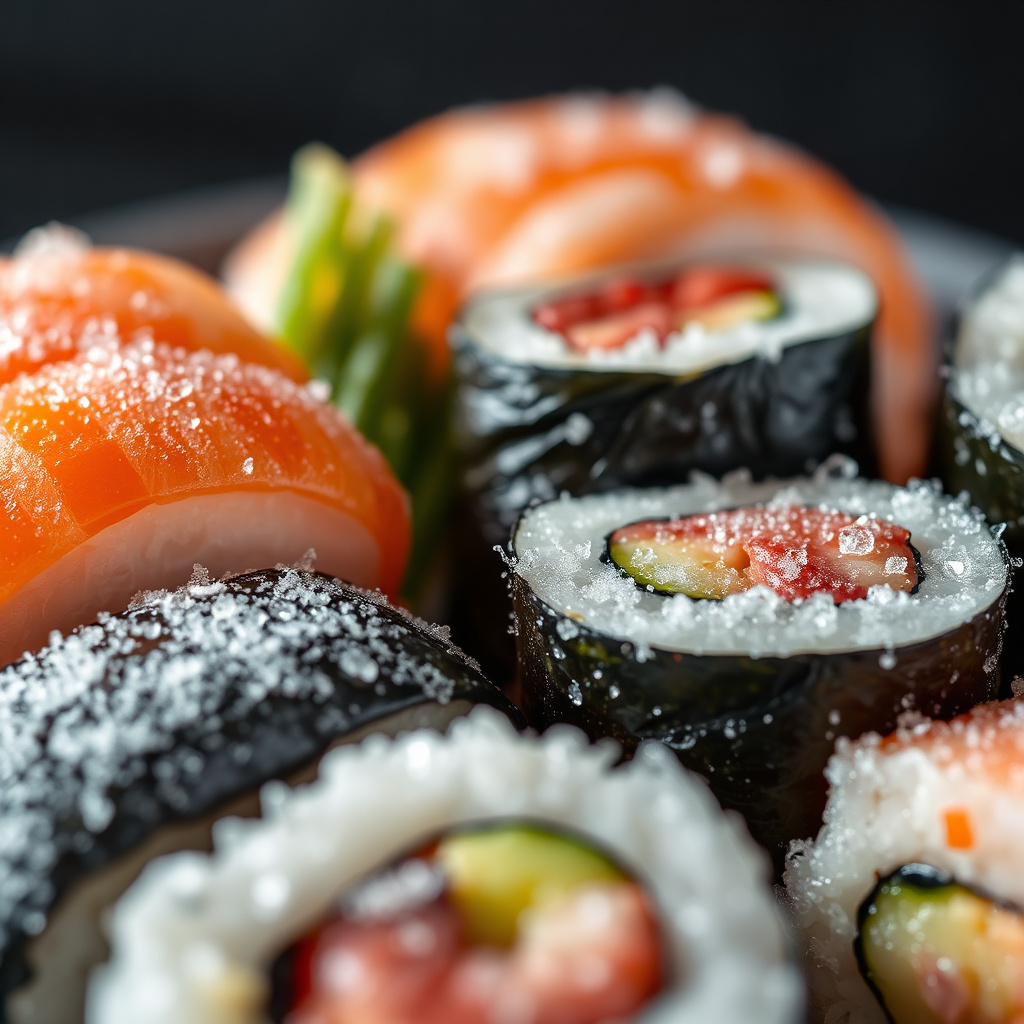
Sushi consists of components like vinegared rice, raw or cooked fish, vegetables, and seaweed. Freezing impacts each differently; rice tends to get hard and dry, while raw fish can develop a mushy texture once thawed due to ice crystal formation breaking down muscle fibers.
Seaweed often loses its crispness and becomes rubbery after freezing. Cooked ingredients, such as cooked shrimp or eel, tolerate freezing better with minimal texture change. Understanding these effects helps decide which sushi pieces are more freezer-friendly.
Safety Considerations for Freezing Raw Fish Sushi
Freezing raw fish does help kill parasites if done at proper temperatures (-4°F/-20°C for at least 7 days), which is a common practice in commercial sushi preparation. However, home freezers might not maintain a consistent temperature or freeze quickly enough to guarantee safety.
Additionally, repeated freezing and thawing increase the risk of bacterial growth, so sushi with raw fish should be frozen only once and consumed soon after thawing to reduce health risks.
- Freeze raw fish sushi quickly and at the right temperature
- Avoid refreezing thawed sushi
- Consume thawed sushi within 24 hours
Best Practices for Freezing Sushi

Proper Packaging Methods
Wrap sushi pieces individually or as small servings in plastic wrap to minimize moisture loss and freezer burn. Then place wrapped sushi in an airtight container or use a vacuum sealer for better preservation.
Label the package with the date so you can track freshness. Removing as much air as possible helps preserve texture and slows oxidation of fish.
- Individual plastic wrap
- Airtight containers
- Vacuum seal bags
- Label date on packaging
For more on this, see our related guide: How to Tell If Sushi Is Fresh: A Practical Guide for Safe and Delicious Choices.
Ideal Freezing Duration and Temperatures
Sushi is best frozen at -4°F (-20°C) or colder for quality retention and safety. Leaving sushi frozen beyond 1 month can result in noticeable degradation in taste and texture, especially for raw fish varieties.
Consume frozen sushi within 1 month for best experience, and always verify freezer temperature stability to avoid partial thawing that encourages spoilage.
- Freeze at -4°F (-20°C) or below
- Consume within 1 month
- Check freezer temperature regularly
Types of Sushi and Freezing Suitability
Freezing Raw Fish Sushi Varieties
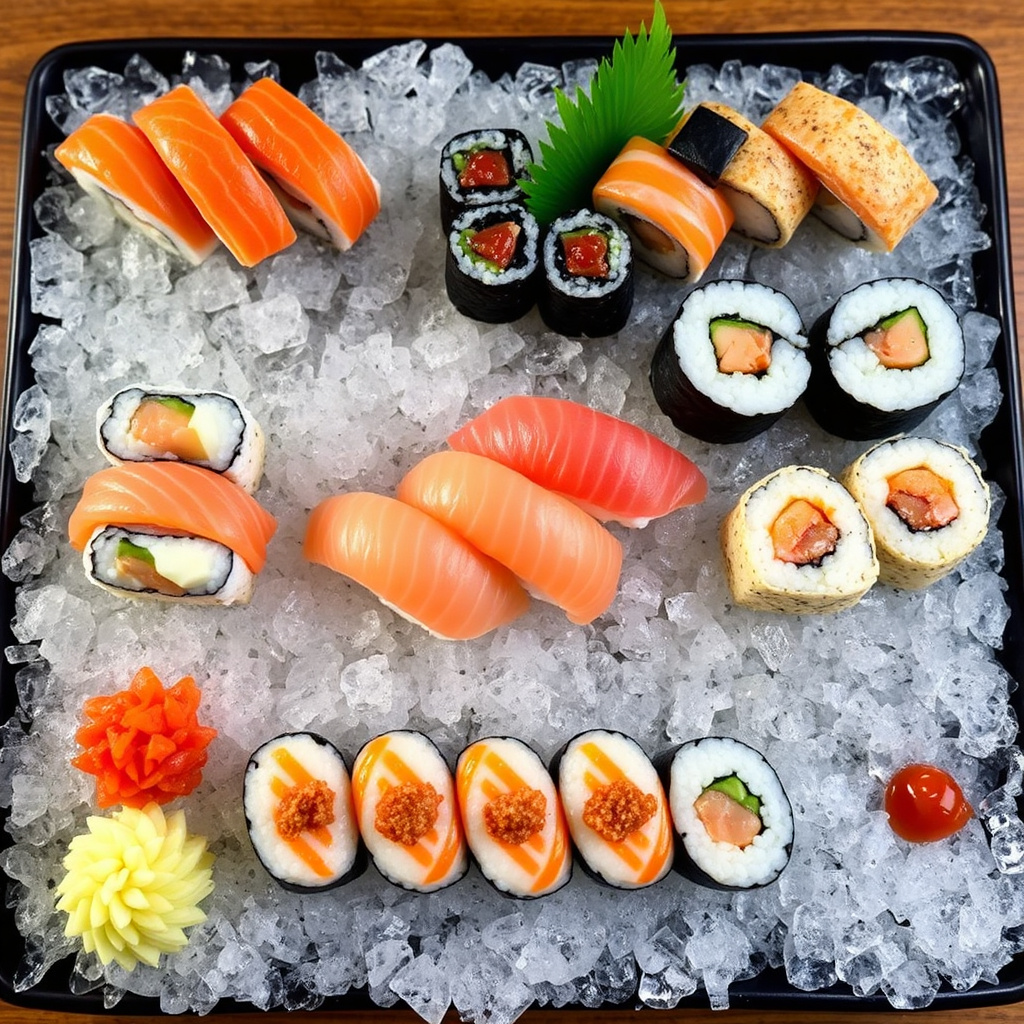
Sashimi and nigiri with raw fish are most affected by freezing because of fish texture changes and safety concerns. Freezing can kill parasites but may degrade the silky texture prized in fresh sushi. Raw fish sushi is not ideal for freezing but can be done if safety and freshness protocols are followed.
If you must freeze raw fish sushi, consume it soon after thawing and consider freezing only high-quality sushi-grade fish to reduce texture loss.
Freezing Cooked and Vegetarian Sushi
Cooked sushi like eel, shrimp, or tempura rolls handle freezing much better. Vegetarian rolls with avocado, cucumber, or cooked vegetables preserve their flavors and textures fairly well when frozen correctly.
These options are safer and more practical for freezing sushi at home, especially if you want to extend shelf life without compromising much taste.
Thawing Sushi Properly for Best Results

Safe Thawing Techniques
The best way to thaw sushi is to move it from freezer to refrigerator and let it thaw slowly over 6-8 hours. Slow thawing reduces moisture loss and helps preserve texture better.
Avoid thawing sushi at room temperature because this risks bacterial growth on raw fish. Never microwave sushi to thaw, as it cooks the ingredients unevenly and changes texture drastically.
- Thaw in refrigerator for 6-8 hours
- Avoid room temperature thawing
- Never microwave sushi
For more on this, see our related guide: How to Pick Sushi Grade Fish: A Practical Guide for Fresh and Safe Selection.
Using Thawed Sushi Safely
Once thawed, eat sushi within 24 hours to avoid spoilage and foodborne illness risk. If sushi smells off or has discolored components, discard it immediately.
Refrigerated leftovers after thawing should not be refrozen to maintain maximum food safety.
- Consume within 24 hours
- Discard if odor or color changes
- Do not refreeze leftovers
Common Mistakes and How to Avoid Them

Freezing Sushi Too Long
Many assume sushi can be frozen indefinitely, but long freezing causes stale tastes, mushy fish, and dry rice. Over a month in the freezer seriously damages quality, making sushi unpleasant to eat.
Limiting freezing duration and properly sealing sushi for storage minimizes these problems while keeping sushi safe.
For more detailed information on how freezing affects seafood safety, consult the FDA’s official guidelines on freezing and seafood. Freezing and Seafood Safety Guidelines.
Improper Wrapping and Exposure
Skipping airtight packaging exposes sushi to air and moisture loss, causing freezer burn and off-flavors. Poor wrapping also allows fish odors to spread within the freezer, affecting other foods.
Use high-quality plastic wrap, airtight containers, or vacuum sealing to retain sushi freshness effectively.
- Use airtight packaging
- Avoid freezer burn
- Protect freezer from odors
Freezing Sushi Types: Suitability Comparison
Here's a side-by-side look at different sushi styles and how well they freeze in terms of texture retention, safety, and taste.
| Sushi Type | Texture After Freezing | Safety for Freezing | Recommended Freezing Time |
|---|---|---|---|
| Raw Fish Nigiri | Poor – mushy fish, hard rice | Moderate – freeze quickly to kill parasites | Up to 1 month |
| Sashimi | Poor – texture degrades quickly | Moderate – parasite risk if not properly frozen | Up to 2 weeks |
| Cooked Sushi Rolls | Good – retains texture well | High – safer to freeze | Up to 1 month |
| Vegetarian Rolls | Good – texture mostly intact | High – safe for prolonged freezing | Up to 3 months |
| Tempura Rolls | Fair – batter soggy after thawing | High – cooked ingredient safety | Up to 3 weeks |
Frequently Asked Questions
Can frozen sushi cause food poisoning?
If frozen and thawed improperly, sushi—especially raw fish varieties—can develop harmful bacteria. Freezing slows bacterial growth but doesn't kill all pathogens. Consuming thawed sushi quickly and ensuring it was frozen properly reduce this risk.
Is it safe to refreeze thawed sushi?
Refreezing thawed sushi is not recommended because it increases bacterial growth risks and further degrades quality. Always freeze sushi only once and consume all thawed pieces within 24 hours.
Can I freeze homemade sushi with raw fish?
You can freeze homemade sushi with raw fish if you freeze it quickly at very low temperatures to kill parasites. However, texture and flavor will decline, and health risks remain if freezing conditions aren't optimal.
How do I tell if frozen sushi has gone bad?
Signs include off-putting sour or ammonia-like smells, discoloration of fish, slimy or mushy textures, and mold. If any appear, discard the sushi to avoid foodborne illness.
Does freezing sushi kill parasites in raw fish?
Freezing at -4°F (-20°C) for at least 7 days kills parasites commonly found in raw fish. This is a standard safety procedure in commercial sushi preparation, but home freezers may not maintain consistent temperatures required.
Key Takeaways
- Sushi can be frozen with care, but texture and flavor often change, especially for raw fish varieties.
- Cooked and vegetarian sushi freeze better than raw fish options, making them more freezer-friendly.
- Proper wrapping and quick freezing at very low temperatures help preserve sushi quality.
- Thaw sushi in the refrigerator and consume within 24 hours for safety and best taste.
Conclusion
Deciding whether freezing sushi is right for you depends on the type of sushi and your priorities for flavor, texture, and safety. While frozen sushi can extend shelf life, expect some loss in quality, mainly in the rice and raw fish components. Prioritize sushi freezing when necessary and aim to freeze it quickly with airtight wrapping to maintain the best possible condition. Always remember that once thawed, sushi becomes more vulnerable to spoilage, so managing freezing and thawing carefully is essential.
If you often have leftovers or want to prepare sushi in advance, cooked rolls and vegetarian sushi are your best options for freezing. They generally maintain texture and safety well. Raw fish sushi can be frozen, but only under strict conditions and for short durations. Restaurants freeze raw fish at regulated temperatures to kill parasites, but this is harder to replicate at home safely. Consider balancing convenience with quality by freezing only the sushi types that hold up, like tempura rolls or cooked shrimp nigiri.
When ready to eat frozen sushi, thaw it slowly in the refrigerator to preserve texture and avoid bacterial risks. Avoid room temperature or microwave thawing which can spoil delicate ingredients. If the sushi shows any visual or odor signs of spoilage, it’s safest to discard it. By following these freezing sushi tips, you can enjoy your favorite rolls without unnecessary waste while keeping food safety front and center.