What Is Oyster Sauce? Understanding This Popular Asian Condiment
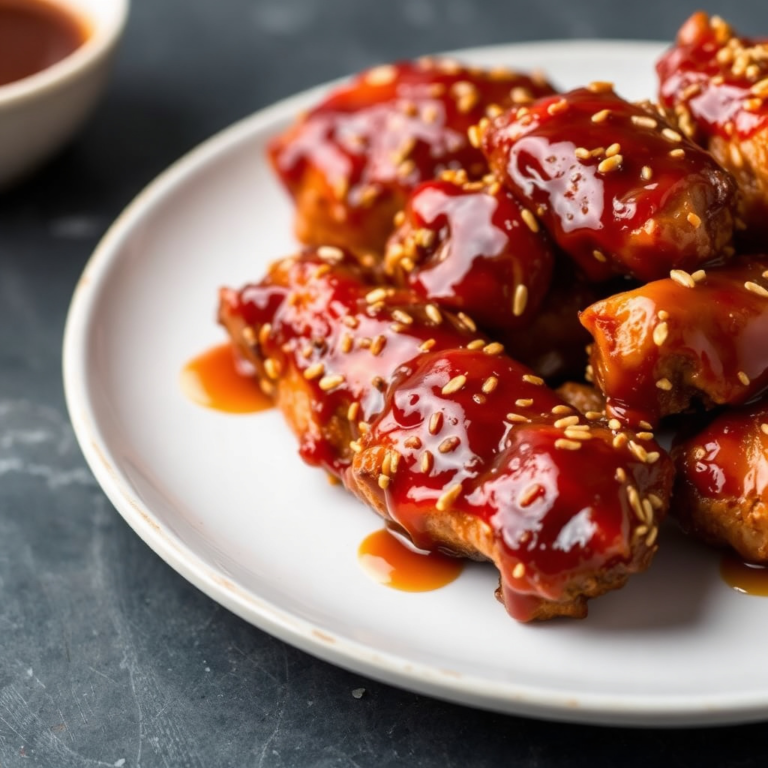
Oyster sauce is a thick, dark brown condiment made by cooking oysters in water to extract their juice, then reducing it to a flavorful, savory sauce. It adds a rich, slightly sweet umami taste to a variety of Asian dishes. Widely used in Chinese, Thai, and Vietnamese cuisines, oyster sauce enhances stir-fries, marinades, and dipping sauces with its signature depth of flavor.
This sauce’s significance comes from its ability to intensify the natural savory qualities of food without overpowering other ingredients. The fermentation process originally used to produce oyster sauce creates its distinctive aroma and richness, making it a staple in home kitchens and professional restaurants. Knowing what oyster sauce is helps in understanding its culinary role and how it differs from soy sauce or hoisin sauce.
In this article, we’ll explore the ingredients and types of oyster sauce, how it's made, its culinary uses, health considerations, and how to select the best oyster sauce for your cooking needs. You’ll also find useful tips for incorporating it effectively and comparisons with similar condiments.
What Is Oyster Sauce and How Is It Made?

Traditional Ingredients and Production
Oyster sauce originates by simmering oysters in water to extract their natural juices, then reducing this liquid until it thickens into a rich, brown sauce. Traditionally, only oysters, water, and salt were used, resulting in a pure umami essence. Sometimes caramel or sugar is added to balance the savoriness, enhancing its sweet undertones.
Modern commercial production often includes oyster extracts, sugar, cornstarch as a thickener, and preservatives to guarantee consistent texture and shelf life. Many brands simulate traditional methods but use convenience ingredients to maintain flavor at scale, making oyster sauce widely available.
Differences Between Oyster Sauce and Similar Condiments
Though oyster sauce shares some characteristics with soy sauce and hoisin sauce, it is distinct in taste and purpose. Soy sauce is usually saltier and thinner, made from fermented soybeans, while hoisin sauce is sweeter and thicker, often used in barbecue dishes. Oyster sauce brings a mild sweetness and complex savory depth.
It’s important to distinguish oyster sauce from fish sauce, another fermented seafood condiment with a much saltier and sharper flavor. Oyster sauce has a subtle richness, making it versatile for cooking rather than just as a seasoning.
How to Use Oyster Sauce in Cooking
Common Culinary Applications
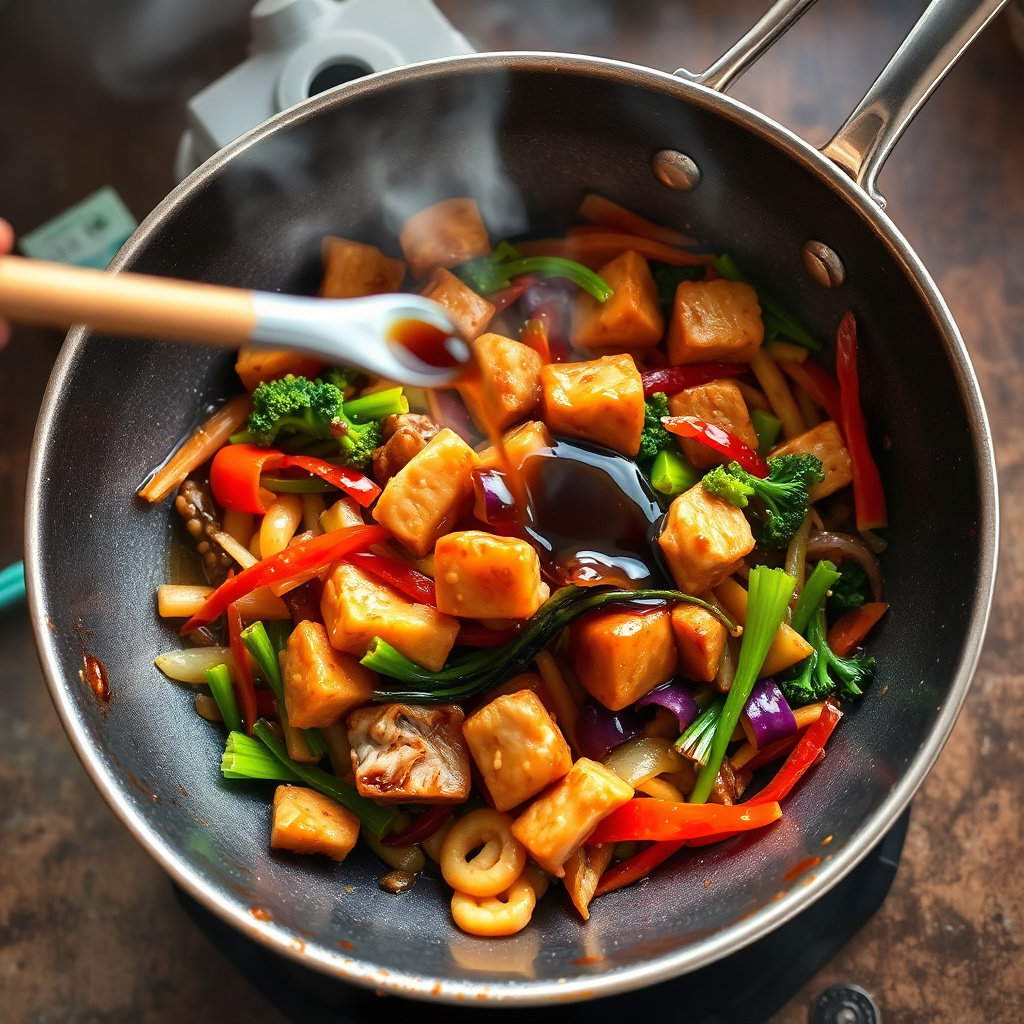
Oyster sauce is often added to stir-fries, glazing vegetables, meats, and tofu to give a glossy, flavorful coating. It’s a key ingredient in many classic recipes, enhancing flavor without masking the natural tastes of fresh produce and proteins. Its balance of salty and sweet notes complements soy sauce and garlic well.
It also works beautifully as a marinade or dipping sauce ingredient, lending depth to barbecue and grilled dishes. A few drops can elevate soups, noodles, and fried rice, providing an umami boost that brightens the overall dish.
- Stir-fry sauces
- Marinades for meat or seafood
- Dipping sauces
- Soups and noodle dishes
Tips for Cooking with Oyster Sauce
Add oyster sauce towards the end of cooking to preserve its flavor and avoid burning its sugars. Because it’s quite concentrated, start with small amounts and adjust to taste. Mixing oyster sauce with other liquids like soy sauce or broth helps distribute flavor evenly.
Vegetarians or those allergic to shellfish can find mushroom-based alternatives that mimic oyster sauce’s savoriness. However, authentic oyster sauce’s unique blend is hard to replicate exactly.
- Add near the end of cooking
- Use in combination with soy sauce
- Start with small amounts
- Try mushroom alternatives for dietary restrictions
Types and Variations of Oyster Sauce

Regular Oyster Sauce vs. Premium Varieties
Regular oyster sauce is typically made with oyster extracts and thickening agents, balancing cost and flavor. Premium oyster sauces, often labeled as “natural” or “thick,” use real oyster extracts with fewer additives, resulting in a richer, more complex taste suitable for discerning cooks.
Premium types usually cost more but deliver deeper umami depth and aroma, ideal for dishes where oyster sauce plays a starring role rather than just supporting. Their viscosity can also enhance texture noticeably.
For more on this, see our related guide: What is Hoisin Sauce? A Complete Guide to This Flavorful Asian Condiment.
Vegetarian and Vegan Substitutes
Since oyster sauce contains shellfish, vegetarians and vegans typically use mushroom-based sauces that emulate its flavor and consistency. These substitutes use shiitake or other mushrooms cooked and reduced with soy or tamari sauce to produce a similar umami punch without animal products.
While these alternatives lack oyster sauce’s exact flavor fingerprint, they still provide savory depth for vegetarian stir-fries and Asian-inspired recipes, allowing wider dietary acceptance.
Health and Dietary Considerations for Oyster Sauce

Nutritional Profile and Allergens
Oyster sauce is generally low in calories but contains sodium levels similar to soy sauce, so moderation is advisable for those watching salt intake. It also contains trace amounts of vitamins and minerals derived from oysters, like zinc and iron.
Because oyster sauce is made from shellfish, it poses allergy risks for sensitive individuals. People with shellfish allergies should strictly avoid oyster sauce or opt for mushroom substitutes to prevent reactions.
Choosing Health-Conscious Options
Low-sodium versions of oyster sauce are available in some markets, catering to those on restricted-salt diets. Reading labels to check for added sugars and preservatives is helpful for health-conscious shoppers.
Homemade blends mixing oyster extract with fresh ingredients can reduce unnecessary additives while preserving flavor. Organic oyster sauces provide a cleaner ingredient list but may come at a higher price.
- Look for low-sodium labels
- Avoid sauces with artificial preservatives
- Consider organic or homemade options
Storage, Shelf Life, and Usage Tips
Proper Storage Guidelines
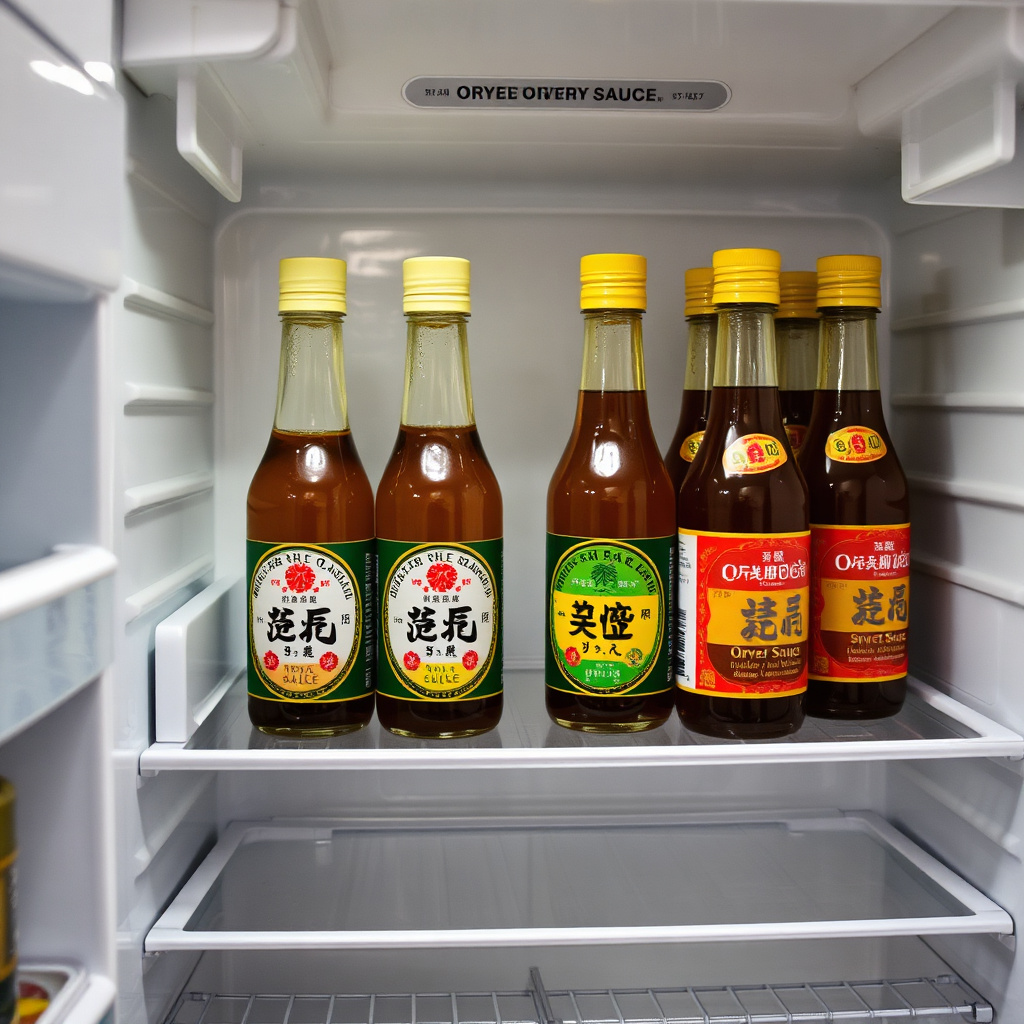
Oyster sauce should be stored in a cool, dry place before opening, away from direct sunlight to maintain flavor and color. After opening, refrigeration is recommended to preserve freshness and prevent spoilage.
Properly stored, opened oyster sauce can last several months in the refrigerator. Always use clean utensils when scooping to avoid contamination.
For more on this, see our related guide: What is Bok Choy? A Complete Guide to This Popular Asian Vegetable.
Shelf Life and Signs of Spoilage
Unopened oyster sauce typically has a shelf life of 1 to 2 years, depending on the brand. After opening, signs like off smell, mold growth, or separation indicate it should be discarded.
Keep an eye on changes in color or texture as well—though some thickening or darkening is natural over time, noticeable changes suggest reduced quality.
How to Select the Best Oyster Sauce for Your Kitchen

Reading Labels and Ingredient Lists
The best oyster sauces use real oyster extracts high on the ingredient list, with minimal additives like cornstarch or sugar. Avoid sauces heavy with artificial flavor enhancers or preservatives.
Some brands clearly state “natural” or “premium,” which often means fewer artificial ingredients and a richer taste. Check sodium content if dietary sodium is a concern.
For more comprehensive background on oyster sauce, you can visit the detailed Wikipedia article. Oyster sauce details on Wikipedia.
Brand Reputation and Price Considerations
Trusted brands with established quality standards often provide more consistent flavor and texture. Well-known Asian brands tend to have good reviews and authentic flavor profiles.
Price often reflects quality, but not always. Mid-range options can offer good balance. Sampling smaller bottles before committing to larger quantities helps find your preferred sauce without waste.
- Look for established Asian brands
- Consider price-quality balance
- Buy small sizes to test flavor first
Comparison of Common Oyster Sauce Types
Here’s how different oyster sauce types and alternatives compare in ingredients, flavor, and dietary suitability.
| Type | Main Ingredients | Flavor Profile | Best Uses | Dietary Notes |
|---|---|---|---|---|
| Regular Oyster Sauce | Oyster extract, sugar, salt, cornstarch | Balanced umami, slightly sweet | Everyday cooking, stir-fries | Contains shellfish |
| Premium Oyster Sauce | Higher oyster extract, less additives | Richer, deeper umami | Specialty dishes, glazing | Contains shellfish |
| Vegetarian Mushroom Sauce | Mushroom extract, soy, sugar | Earthy umami, mild sweetness | Vegetarian dishes | Plant-based, shellfish-free |
| Low-Sodium Oyster Sauce | Oyster extract, reduced salt | Milder saltiness, same umami | Low-sodium diets | Contains shellfish |
| Homemade Oyster Sauce | Fresh oysters, sugar, salt | Customizable, fresh flavor | Personalized cooking | Contains shellfish |
Frequently Asked Questions
Can oyster sauce be used as a substitute for soy sauce?
Oyster sauce and soy sauce have different flavor profiles; oyster sauce is thicker and sweeter with more umami, so it’s best used alongside soy sauce rather than as a direct substitute.
Is oyster sauce vegetarian or vegan?
Traditional oyster sauce contains oyster extracts, making it unsuitable for vegetarians and vegans. Mushroom-based alternatives can provide similar flavor without animal products.
How long does oyster sauce last after opening?
When refrigerated after opening, oyster sauce typically stays good for 2 to 3 months. Always check for changes in smell or appearance before use.
What dishes pair well with oyster sauce?
Oyster sauce pairs wonderfully with stir-fried vegetables, meats, noodles, and rice dishes. It adds depth to marinades and dipping sauces as well.
Can oyster sauce be used in non-Asian cooking?
Yes, oyster sauce’s umami richness can enhance stews, gravies, and sauces in various cuisines, adding a savory depth that complements many flavor profiles.
Key Takeaways
- Oyster sauce is a savory, slightly sweet condiment made from oyster extracts.
- It enhances umami flavor in many Asian dishes like stir-fries and marinades.
- Premium versions have more oyster extract and richer taste than regular types.
- Vegetarian mushroom-based sauces serve as good alternatives for dietary restrictions.
Conclusion
Understanding what oyster sauce is and how it’s made helps clarify its role as a fundamental umami booster in Asian cuisine. By recognizing the balance of oyster extract, sugar, and salt, home cooks can better gauge which sauce suits their flavor preferences and cooking style. Whether enhancing simple stir-fries or elevating special dishes, oyster sauce adds depth without overshadowing main ingredients.
Selecting the right oyster sauce depends on your needs: regular types are perfect for everyday cooking, while premium oyster sauces provide intense flavor for more refined recipes. Those avoiding shellfish can turn to mushroom-based substitutes that capture the savory essence without animal products. Low-sodium or organic options cater to health-conscious consumers wanting to enjoy the sauce’s benefits responsibly.
To introduce oyster sauce into your kitchen, start by experimenting with small amounts in familiar dishes like stir-fried vegetables or marinades. Explore different brands to find a preferred flavor balance and consider ways oyster sauce complements other seasonings you enjoy. With a basic understanding of what oyster sauce is, you can confidently add this versatile condiment to your cooking repertoire.