What Is Maki? Exploring the Essentials of This Popular Sushi Roll
Maki is a type of sushi roll that consists of vinegared rice and various fillings, such as fish, vegetables, or other ingredients, all wrapped in a thin sheet of seaweed called nori. This bite-sized roll is typically sliced into small pieces, making it easy to enjoy. The word 'maki' means 'roll' or 'wrapped' in Japanese, directly referring to the way the ingredients are encased together.
Maki plays a central role in Japanese cuisine and has become a familiar feature in sushi restaurants worldwide. Its balance of flavors and textures—from the salty nori to the tangy vinegared rice and fresh fillings—makes it an accessible introduction to sushi for many. Whether enjoyed as a simple cucumber roll or a more elaborate spicy tuna roll, maki offers a versatile eating experience.
This article will explain the different types of maki, how it is made, what ingredients are commonly used, and how to distinguish it from other sushi styles. We'll also provide tips on selecting quality maki and introduce some popular variations you might want to try.
Understanding Maki: What Makes It Unique

Definition and Basics of Maki
Maki is defined by its characteristic rolled shape using nori seaweed sheets wrapped around sushi rice and fillings. The roll is then cut into cylindrical pieces for easy consumption. This form sets maki apart from nigiri or sashimi, which are assembled differently.
Traditionally, maki includes a core filling like raw fish or vegetables, surrounded by sticky sushi rice and encased by nori. The cohesiveness of the roll depends on the proper rice texture and rolling technique, which should hold everything snugly without being too tight.
Maki and Other Sushi Variants
Maki is one among several sushi varieties, distinct from nigiri, which features fish draped over a small ball of rice, or sashimi, which is just sliced raw fish without rice. Inside-out rolls, or uramaki, reverse the typical nori placement by having rice on the outside.
Understanding these differences helps clarify dining options and ordering preferences. Maki generally offers a mix of textures and flavors in every bite, often with simpler preparation than some other sushi types.
Types of Maki Rolls

Hosomaki: The Thin Roll
Hosomaki refers to thin maki rolls typically containing a single filling such as cucumber, tuna, or pickled radish. They are simple and focus on showcasing one ingredient within the vinegared rice and nori wrap.
Because of their size and modest ingredient range, hosomaki rolls are often favored by beginners trying sushi for the first time or those preferring lighter flavors with a crisp texture.
- Usually 1 inch in diameter
- Single central filling
- Classic examples: cucumber roll, tuna roll
Futomaki: The Thick Roll
Futomaki are larger rolls that combine multiple ingredients such as egg, pickled vegetables, fish, and sometimes cooked items. The size offers a powerful flavor blend and a heartier bite.
These rolls often include five or more fillings, creating layers of texture and taste. The variety of components can range broadly depending on regional recipes or chef preferences.
- About 2 inches in diameter
- Multiple assorted fillings
- Often includes tamago, kanpyo, and vegetables
Making Maki: Techniques and Tools
Essential Tools for Maki Preparation
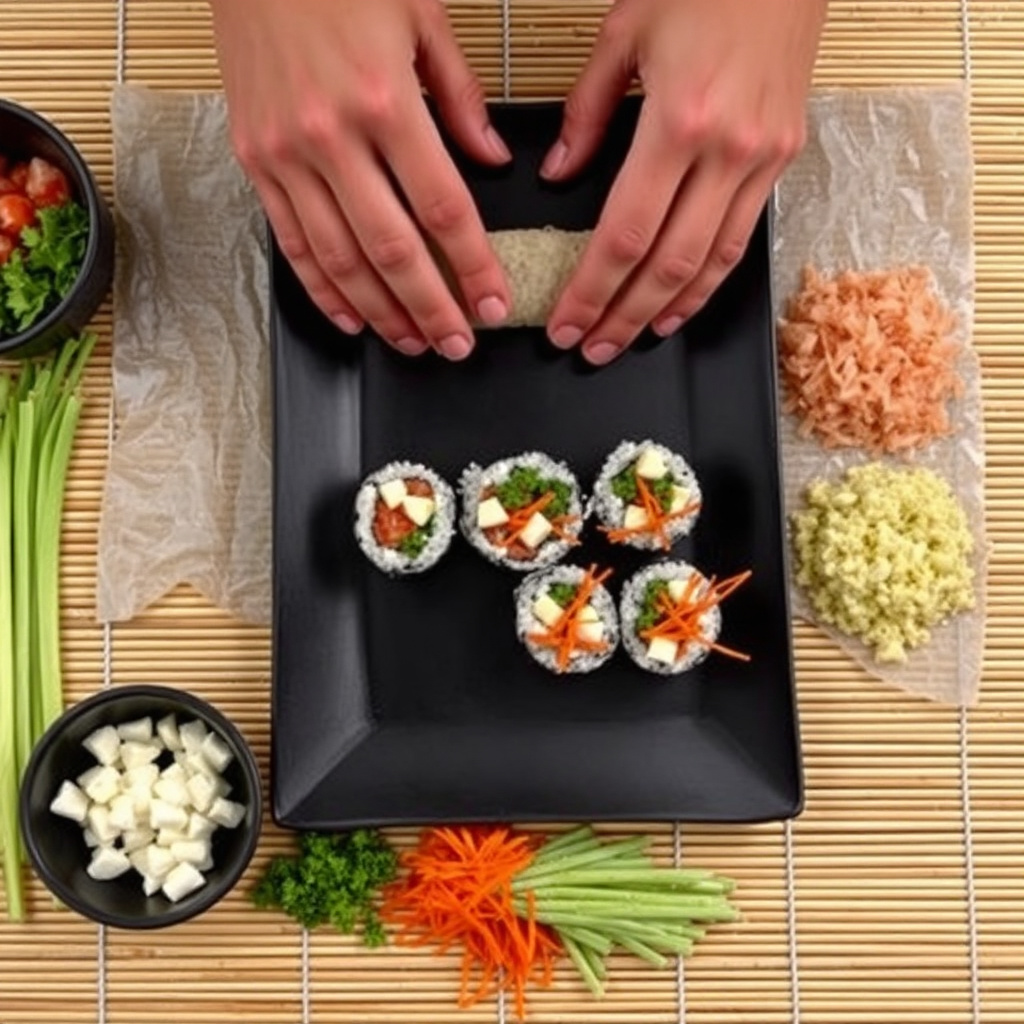
A bamboo mat known as a makisu is often used to roll the sushi tightly and evenly. The nori sheet is placed on the mat, followed by an even layer of sushi rice and the desired fillings before rolling.
Other helpful tools include a sharp knife for clean slicing and a bowl of water to wet hands and avoid rice sticking during preparation. Using proper tools contributes greatly to the texture and appearance of the final roll.
- Bamboo rolling mat (makisu)
- Sharp sushi knife
- Rice paddle and water bowl
For more on this, see our related guide: What Is Nigiri? A Complete Guide to This Classic Japanese Sushi.
Rolling Technique for Perfect Maki
Start by evenly spreading seasoned sushi rice over the nori while leaving a small margin at the top edge for sealing. Arrange fillings near the bottom edge for easy rolling.
Using the bamboo mat, carefully roll the sushi away from you, applying uniform pressure to firm up the roll without crushing ingredients. Once rolled, use the wet knife to slice into bite-size pieces cleanly.
- Spread rice leaving top border
- Place fillings evenly
- Roll tightly with bamboo mat
- Slice with wet sharp knife
Common Ingredients in Maki

Popular Fish and Seafood Fillings
Tuna, salmon, and crab sticks are among the most popular seafood fillings used in maki. These often come either raw or lightly cooked, depending on the style and freshness.
Other seafood options include smoked eel (unagi) and shrimp tempura, providing varied textures from silky to crunchy. Quality and freshness directly impact the taste experience.
- Raw tuna and salmon
- Crab stick imitation
- Unagi (eel)
- Shrimp tempura
Vegetables and Vegetarian Options
Cucumber, avocado, and pickled radish (takuan) offer refreshing crunch and mild tastes suited for vegetarian maki rolls. These ingredients also add vibrant color contrast.
Vegetarian maki is a popular choice for those avoiding seafood while still enjoying the sushi experience. Seasoned vegetables and sprouts sometimes are included for flavor depth.
- Cucumber slices
- Avocado
- Pickled radish
- Carrot, sprouts
How to Choose Quality Maki

Evaluating Freshness and Ingredients
Freshness is critical with maki since raw fish can spoil easily. Look for vibrant colors, moist but not wet rice, and nori that isn’t soggy or overly dry.
Ingredients should have a clean aroma without a fishy or off smell. For raw fillings, reputable sourcing often guarantees safety and flavor consistency.
For more on this, see our related guide: What Is Sashimi? A Complete Guide to This Japanese Culinary Delight.
Visual and Textural Clues
Well-made maki rolls have an even and neat appearance, with rice and fillings tightly sealed. Rolls should keep their shape when picked up, not falling apart or crumbling.
Texture matters as well: rice should be tender yet sticky, seaweed slightly crisp, and fillings fresh with good bite. Poor textural contrasts can indicate lesser quality or poor preparation.
Serving and Eating Maki

Traditional Accompaniments for Maki
Maki is typically enjoyed with soy sauce for dipping, a dab of wasabi for heat, and pickled ginger to cleanse the palate between bites. These accompaniments enhance the flavors without overpowering the roll.
Many diners also prefer using chopsticks or simply their fingers depending on comfort and the dining setting, both are widely accepted.
- Soy sauce
- Wasabi
- Pickled ginger
For a detailed background on maki and its varieties, you can refer to the comprehensive Maki (sushi) article on Wikipedia. Maki (sushi) on Wikipedia.
Etiquette Tips for Eating Maki
When eating maki, dip the fish side lightly into soy sauce to avoid over-salting the rice, which can absorb too much liquid and fall apart.
Use pickled ginger sparingly to refresh the palate. Avoid mixing wasabi directly into soy sauce; instead, add a small amount on top of the roll if desired to maintain flavor integrity.
Maki Roll Size and Complexity Comparison
Here's a comparison of different maki roll types based on size, fillings, and typical serving style.
| Category | Diameter | Number of Fillings | Common Ingredients | Typical Occasion |
|---|---|---|---|---|
| Hosomaki | 1 inch | 1 | Cucumber, Tuna, Pickled Radish | Appetizer or light snack |
| Futomaki | 2 inches | 5 or more | Tamago, Kanpyo, Vegetables, Fish | Main dish or festive meals |
| Uramaki | 1.5 inches | 2-3 | Avocado, Crab Stick, Cucumber | Casual dining and fusion sushi |
| Temaki | Cone-shaped, hand roll | 2-4 | Various fish and vegetable combinations | Informal, handheld eating |
Frequently Asked Questions
Is maki sushi always made with raw fish?
No, maki can be made with both raw and cooked ingredients, as well as purely vegetarian fillings. Common cooked options include crab sticks and eel, and vegetarian maki uses vegetables like cucumber and avocado.
What is the difference between hosomaki and futomaki?
Hosomaki are thin rolls with usually a single filling, while futomaki are larger, thick rolls containing multiple fillings. The difference lies primarily in size and complexity of ingredients.
Can I make maki at home without special tools?
While a bamboo rolling mat helps create tight rolls, maki can be made at home using alternatives like plastic wrap or your hands. A sharp knife is important for clean slicing though.
What is the best way to eat maki with soy sauce and wasabi?
Dip the fish or vegetable side lightly into soy sauce to avoid oversaturating the rice, and add wasabi directly on the roll if desired. Use pickled ginger between bites to refresh your palate.
Key Takeaways
- Maki is a rolled sushi made with rice, fillings, and seaweed wrapped tightly together.
- It comes in various types, mainly hosomaki (thin rolls) and futomaki (thicker, multi-filling rolls).
- Quality maki depends on fresh ingredients, proper rolling, and balanced texture.
- Maki is commonly paired with soy sauce, wasabi, and pickled ginger for a full flavor experience.
Conclusion
Understanding what maki is and what distinguishes it from other sushi types helps in making informed choices whether dining out or preparing sushi at home. The defining feature—a seaweed-encased roll filled with sushi rice and various ingredients—offers a balanced mix of flavors and textures that appeal widely. Recognizing differences in maki styles, from the slender hosomaki to the hearty futomaki, allows you to appreciate sushi more deeply and choose according to your taste preferences and occasion.
If you prefer simple, clean flavors, hosomaki with single fillings like cucumber or tuna is ideal, offering a light yet satisfying bite. For those seeking a more complex taste or a festive dish, futomaki introduces multiple fillings that create a rich eating experience. Uramaki, or inside-out rolls, cater to those who enjoy rice on the outside with creative ingredient combinations common in Western sushi. Knowing these categories helps when ordering to match your palate or dietary needs precisely.
To fully enjoy maki, try pairing it with traditional accompaniments like soy sauce, wasabi, and pickled ginger served on the side. If making maki at home, focus on mastering rolling techniques and ingredient freshness to replicate restaurant quality. Whether you are a sushi beginner or enthusiast, exploring various maki rolls can expand your culinary enjoyment and make every sushi meal memorable.