What Is in a Rainbow Roll? A Complete Ingredient Guide
A rainbow roll is a type of sushi characterized by its vibrant, multicolored topping of assorted fish and avocado over a core of sushi rice and crab meat or imitation crab. It’s essentially a California roll base covered with layers of tuna, salmon, yellowtail, shrimp, and avocado slices, creating a visually stunning and flavorful dish.
This sushi variety stands out because it combines multiple types of fresh seafood alongside creamy avocado, offering a blend of textures and flavors in one bite. The balance between the sweet crab filling and the rich fish topping creates a complex and enjoyable eating experience, which is why the rainbow roll remains a popular choice at sushi bars.
In this article, we'll break down every component that typically goes into a rainbow roll, discuss variations of the fish and fillings used, and cover preparation tips so you can appreciate or even make this colorful sushi at home.
Core Ingredients of a Rainbow Roll

Sushi Rice and Nori Base
The foundation of a rainbow roll starts with sushi rice seasoned with a mixture of rice vinegar, sugar, and salt, providing a slightly sticky and subtly tangy base. Wrapped around the rice is a sheet of nori seaweed, which adds a slight umami note and structure to hold the roll together.
The rice must be properly cooked and cooled to the right texture—firm yet sticky enough to hold shape without being mushy. Quality sushi rice makes a significant difference in the overall experience of the roll.
Crab Meat Filling
Inside the roll, the traditional filling is crab meat or imitation crab (surimi), offering a mild sweetness and tender texture. Crab acts as the protein centerpiece that complements the fish toppings.
Some versions include mayonnaise or a light spicy sauce mixed with the crab to boost flavor and add creaminess that contrasts with the fresh fish outside.
Variety of Fish Toppings in a Rainbow Roll

Popular Fish Choices
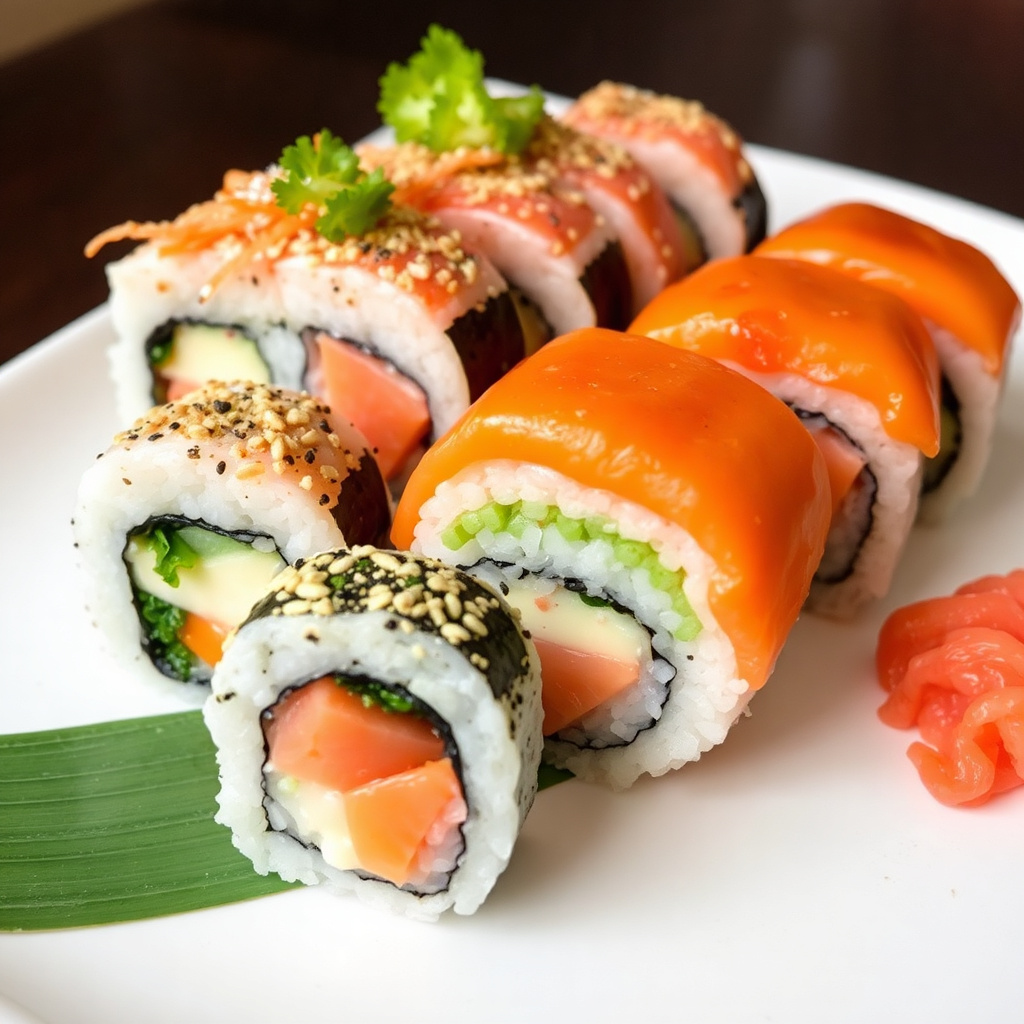
Typically, rainbow rolls are topped with slices of salmon, tuna, yellowtail, and sometimes cooked shrimp or eel. Each fish provides a unique flavor profile: salmon offers a buttery richness, tuna brings mild earthiness, and yellowtail adds a delicate sweetness.
These diverse toppings create the signature colorful 'rainbow' effect that visually distinguishes this roll from others.
- Salmon
- Tuna
- Yellowtail
- Shrimp
- Eel (sometimes)
For more on this, see our related guide: What Is a Rainbow Roll? A Complete Guide to This Popular Sushi Dish.
Avocado and Additional Toppings
Along with fish, thin slices of avocado are layered on top to add creaminess and mild flavor, balancing the fish’s texture and taste. Some variations include thin cucumber strips or tobiko (flying fish roe) for crunch or a salty pop.
These toppings not only enhance flavor and texture but also contribute to the visually appealing layered look of the rainbow roll.
- Avocado slices
- Cucumber
- Tobiko
Variations and Customization Options
Alternative Fish Toppings
Some sushi chefs customize rainbow rolls with additional or substitute seafood like octopus, scallops, or even spicy tuna for added flavor variety. This helps the dish align with local tastes or seasonal fish availability.
These changes can alter the texture and richness, making the roll either lighter or more intense depending on the selection.
Sauces and Garnishes
Rainbow rolls can be served with soy sauce, wasabi, or pickled ginger on the side. Some restaurants drizzle spicy mayo, eel sauce, or ponzu over the roll to complement the fish flavors.
Garnishes such as sesame seeds, chopped scallions, or microgreens add subtle contrasting notes and visually complete the roll.
Nutritional Aspects of the Rainbow Roll

Protein and Omega-3 Fatty Acids
The fish toppings on a rainbow roll provide a rich source of high-quality protein and omega-3 fatty acids, which contribute to heart health and brain function. Salmon and tuna are particularly well-known for these healthy fats.
This makes the rainbow roll a tasty way to add beneficial nutrients to your diet while enjoying a flavorful meal.
For more on this, see our related guide: What Is a Spicy Tuna Roll? A Clear Guide to This Popular Sushi Dish.
Calories and Potential Allergens
A typical rainbow roll contains roughly 300 to 400 calories depending on portion size and sauce used. Ingredients like mayonnaise and eel sauce can add some extra calories and sodium.
Allergens to be aware of include shellfish from the crab, fish, and sesame seeds frequently used. Those with sensitivities should confirm ingredient details before ordering.
How to Prepare a Rainbow Roll at Home
Essential Equipment and Ingredients
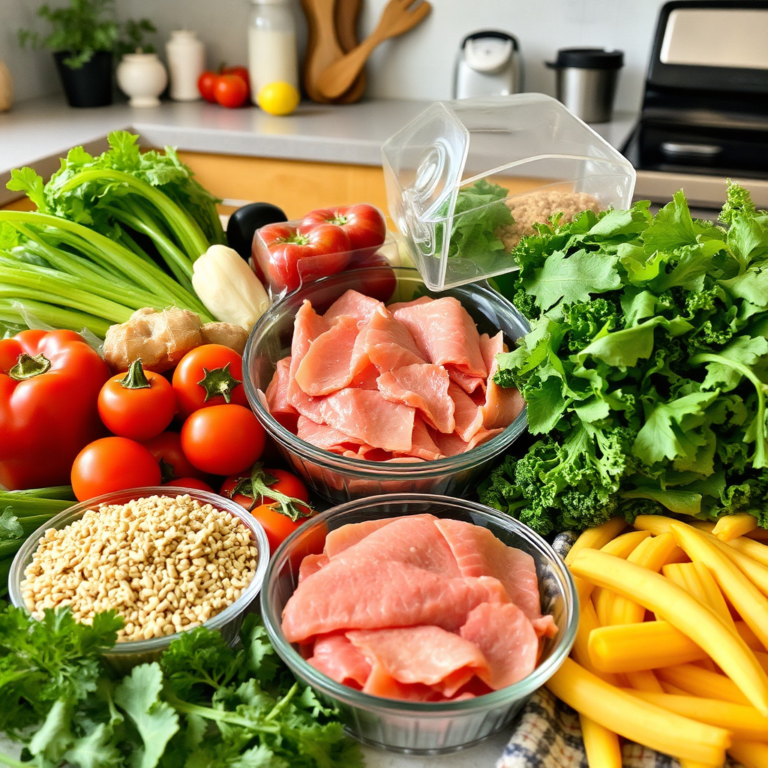
To create a rainbow roll, you’ll need sushi rice, nori sheets, fresh sashimi-grade fish, crab or imitation crab, avocado, a bamboo sushi mat, and sharp knives.
Sourcing high-quality fish is key, along with properly seasoning and cooking the sushi rice for the right texture.
For a more detailed history and variations, see the Rainbow roll sushi on Wikipedia. Rainbow roll sushi on Wikipedia.
Rolling and Assembly Techniques
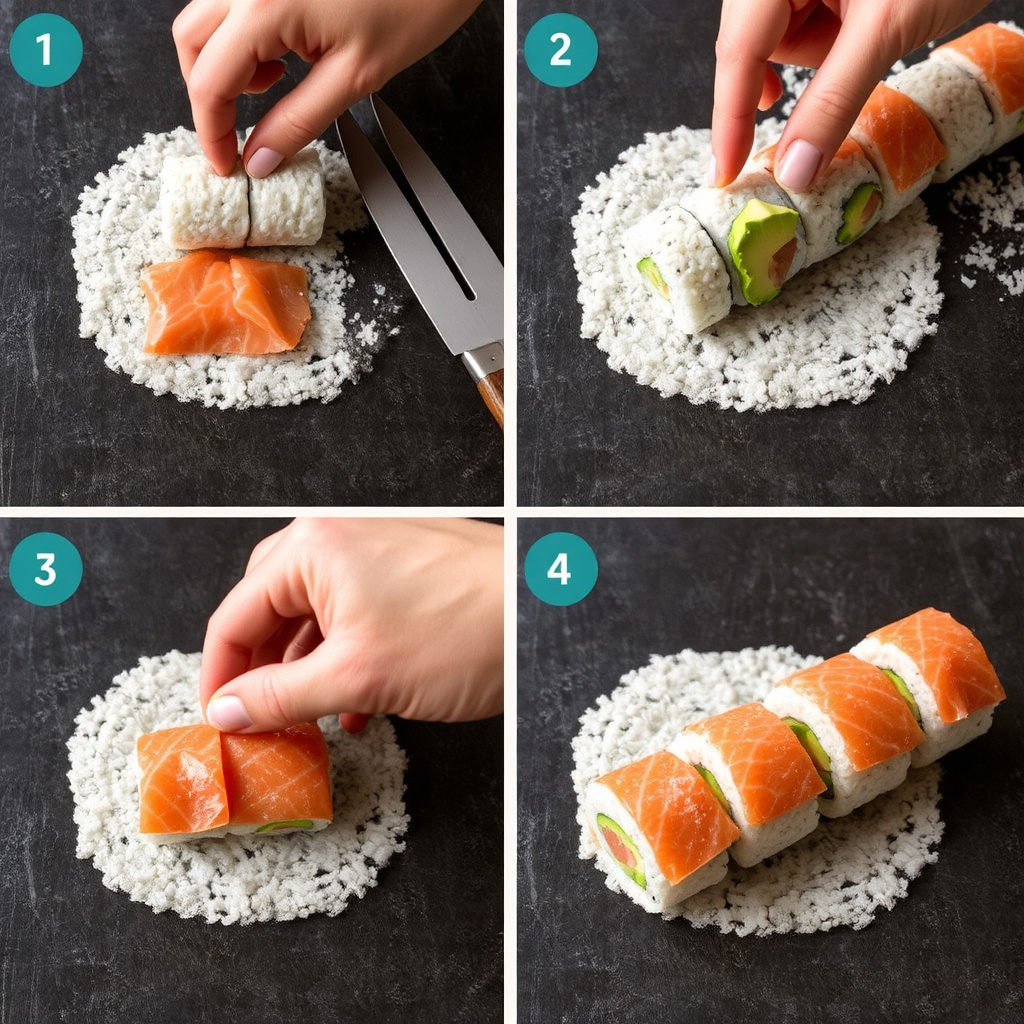
Spread sushi rice over nori, add the crab filling, then roll it tightly with a bamboo mat. Once rolled, lay thin layers of different fish and avocado on top and press gently to adhere.
Cut into bite-sized pieces using a sharp, dampened knife to avoid sticking. Practice helps improve neatness and presentation.
Rainbow Roll Variations: Category Comparison
Here’s a comparison of popular rainbow roll types and their typical ingredient compositions and flavor profiles.
| Variation | Main Fish Toppings | Special Ingredients | Flavor Profile |
|---|---|---|---|
| Traditional Rainbow Roll | Salmon, Tuna, Yellowtail, Shrimp | Crab, Avocado | Mild, creamy, fresh |
| Spicy Rainbow Roll | Spicy Tuna, Salmon, Yellowtail | Crab, Avocado, Spicy Mayo | Spicy, rich, creamy |
| Deluxe Rainbow Roll | Salmon, Tuna, Eel, Scallop | Crab, Avocado, Eel Sauce | Savory, sweet, creamy |
| Vegetarian Rainbow Roll | Avocado, Cucumber, Mango | Cream cheese or tofu instead of crab | Fresh, sweet, creamy |
| Fusion Rainbow Roll | Octopus, Tuna, Salmon | Crab, Avocado, Tobiko | Complex, varied textures |
Frequently Asked Questions
Is a rainbow roll raw fish or cooked?
Most fish toppings on a rainbow roll are raw sashimi-grade fish, but cooked ingredients like shrimp or eel may be included depending on the variation.
Can I make a rainbow roll without seafood?
Yes, vegetarian versions substitute seafood with avocado, cucumber, mango, or tofu, allowing a similar layered look and fresh taste.
What sauce pairs well with a rainbow roll?
Common pairing sauces include soy sauce, eel sauce, spicy mayo, and ponzu, which complement the fish without overpowering it.
Are there common allergens in a rainbow roll?
Yes, rainbow rolls often contain shellfish (crab), fish, and sesame seeds, so people with allergies should inquire about ingredients before ordering.
Is a rainbow roll high in calories?
Generally, a rainbow roll contains about 300-400 calories. Sauces and additional toppings can increase the calorie count.
Key Takeaways
- A rainbow roll features multiple fish and avocado atop a crab-filled sushi rice base.
- Fresh, sashimi-grade fish are key for authentic flavor and visual appeal.
- Variations include spicy, deluxe, vegetarian, and fusion versions with unique ingredients.
- Rainbow rolls provide healthy omega-3s but may contain allergens like shellfish and fish.
Conclusion
Understanding what is in a rainbow roll helps both sushi lovers and home chefs appreciate the thought behind each colorful layer. The combination of sushi rice, crab filling, avocado, and a spectrum of fresh fish creates a balanced taste and texture experience. When choosing or making a rainbow roll, quality and freshness of ingredients should take priority to deliver the signature flavors expected from this dish.
For those interested in trying or preparing rainbow rolls, exploring traditional versions with salmon, tuna, yellowtail, and crab is always a safe start. If you prefer more adventurous tastes, consider options with eel, spicy tuna, or various garnishes like tobiko and spicy mayo. Vegetarians can also enjoy adaptations with fresh produce instead of seafood. Each variation delivers a distinct eating experience while retaining the appealing visual layers synonymous with the rainbow roll.
Ultimately, whether you order from a reputable sushi restaurant or attempt your own at home, focusing on fresh fish, properly prepared rice, and the layering technique will ensure a delicious outcome. Start with basic recipes, and as you gain confidence, experiment with toppings and sauces that fit your personal palette to create truly memorable rainbow rolls.