How Many Calories Are in a Spicy Tuna Roll? Accurate Nutrition Guide
A typical spicy tuna roll contains about 290 to 350 calories per six-piece serving. This can vary depending on the size of the roll, the amount of spicy mayo used, and additional ingredients like tempura flakes or avocado. The main components contributing to the calorie count are sushi rice, raw tuna, spicy sauce, and seaweed.
Knowing the calorie content of a spicy tuna roll helps if you're managing your diet or tracking daily intake. Many sushi restaurants add creamy spicy mayo sauce mixed with chili paste, which increases calories primarily from fat. Conversely, a simpler roll without extra sauces will contain fewer calories.
This article will break down the individual ingredients contributing to the calorie total, explain factors influencing calorie variation, compare spicy tuna rolls with other sushi types, and provide tips for enjoying sushi while keeping calories in check.
Understanding the Calorie Breakdown of a Spicy Tuna Roll

Calorie Contribution from Tuna and Rice
Tuna is a lean source of protein and low in calories, with raw tuna contributing roughly 40-50 calories per ounce in a spicy tuna roll. Sushi rice, on the other hand, is sticky and seasoned with sugar and vinegar, adding significant carbs and calories. A typical six-piece roll uses about half a cup of rice, roughly 130-160 calories.
The combination of rice and tuna forms the bulk of the spicy tuna roll's calories, but variations in rice portion size can shift the total substantially. Unlike grilled or fried fish, raw tuna adds minimal fat and is a healthier choice calorically.
Impact of Spicy Mayo and Additional Ingredients
Spicy mayo is a major contributor to calories, mostly because it contains mayonnaise mixed with sriracha or chili sauce. This sauce adds fat and sugar, sometimes contributing over 100 calories per serving in a spicy tuna roll. Some rolls include tempura flakes or avocado, which further increase calories due to their fat and carb content.
Homemade or restaurant versions vary in sauce thickness and ingredient add-ons, so calorie counts can fluctuate. For example, avocado adds healthy fats but also about 50-80 calories per serving, while tempura flakes, being fried, add about 30-50 calories depending on quantity.
Factors Affecting Calorie Variation in Spicy Tuna Rolls
Restaurant Preparation Differences
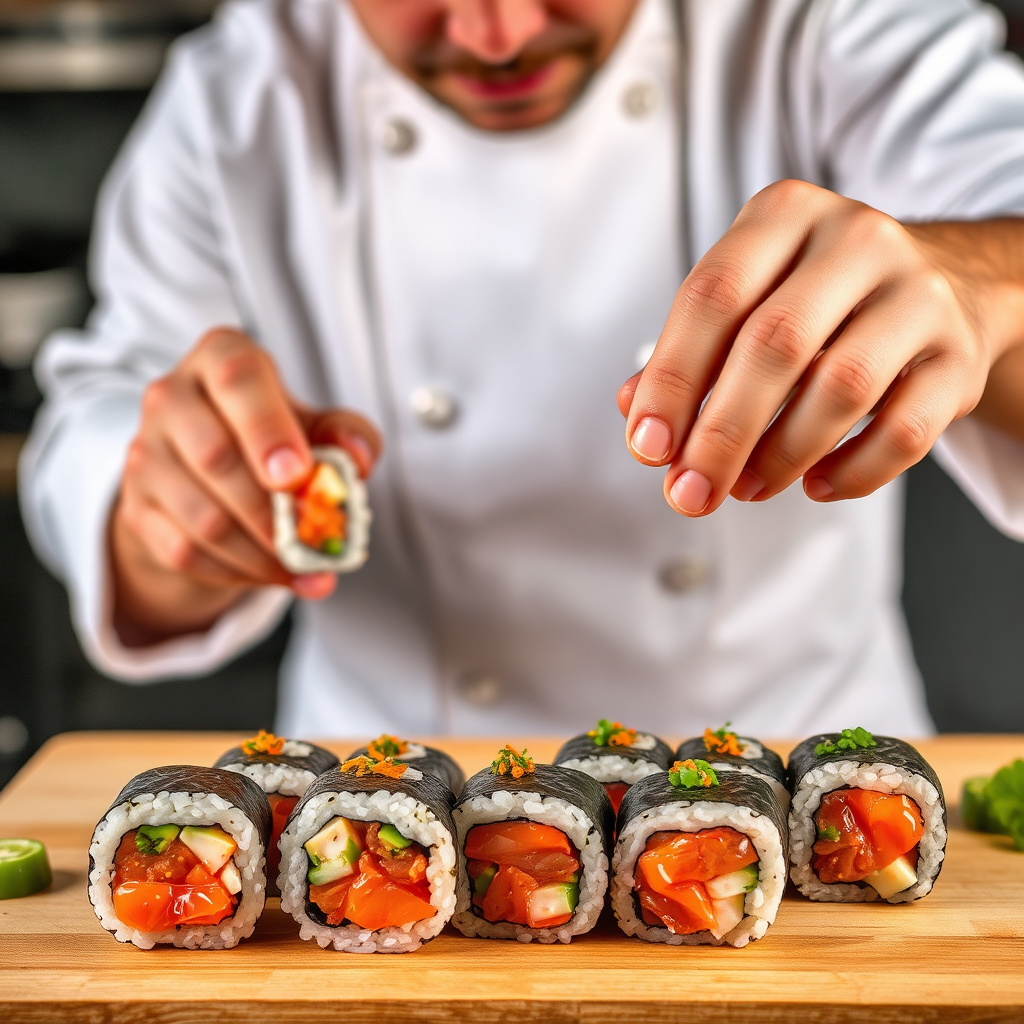
Calorie content can vary widely between sushi restaurants. Some use more rice or sauce, while others favor a leaner preparation. Portions of spicy mayo and the addition of tempura or avocado are common sources of difference.
Fast-food sushi chains might pack rolls tighter with more sauce for flavor, increasing calories, whereas traditional sushi chefs often use less sauce but larger fish portions, subtly shifting caloric balance.
Size and Number of Pieces Considerations
Some places serve rolls with eight pieces, others six, or even four large pieces. This affects how you calculate calories—always check specific serving sizes. Larger pieces typically have more rice and fish, raising the total calorie count per roll.
If ordering a half roll or a smaller portion, calorie intake drops proportionally. Knowing the roll size helps maintain accurate calorie tracking.
Comparing Spicy Tuna Rolls with Other Sushi Options

Calorie Comparison to California Roll and Salmon Nigiri
A California roll typically contains 250 to 300 calories per six-piece serving, slightly lower or similar to a spicy tuna roll but with a different nutrient profile due to crab sticks and cucumber. Salmon nigiri has fewer calories per piece, averaging about 40-50 calories, mainly protein and fat from the fish without rice-heavy carbs.
Choosing fish over rolls reduces calorie intake from rice and sauce, making nigiri a leaner sushi option overall.
For more on this, see our related guide: How Many Calories Are in a Rainbow Roll? A Detailed Nutritional Guide.
High-Calorie Sushi Rolls to Watch
Rolls such as tempura rolls or dragon rolls often exceed 400 calories due to fried ingredients and heavier sauces. While tasty, they add significant fat and carb content compared to a spicy tuna roll.
If calorie control is a goal, moderating these rolls or sharing is a mindful strategy.
Nutritional Benefits and Drawbacks of Spicy Tuna Rolls

Health Benefits from Tuna
Tuna offers lean protein, omega-3 fatty acids, and essential vitamins like B12. These nutrients support heart and brain health, making spicy tuna rolls more than just a tasty snack.
However, mercury content in tuna is something to be aware of if consuming frequently, especially for pregnant women or children.
Potential Downsides of Sauces and Rice
The spicy mayo in many rolls can be calorie-dense and high in fat, sometimes negating the leanness of the tuna. White rice is high in simple carbohydrates and often contains added sugar, which can spike blood sugar levels.
Balancing consumption with lower-calorie sushi or limiting sauce portions can help maintain a nutritious diet.
Tips for Choosing Lower-Calorie Spicy Tuna Rolls

Requesting Sauce on the Side or Less
Ask restaurants to serve spicy mayo separately or to apply it sparingly. This simple adjustment can cut calories by 50 to 100 or more without sacrificing flavor.
Some places offer lighter sauce substitutes, like sriracha or reduced-fat mayonnaise, which helps reduce overall calorie intake.
For more on this, see our related guide: How Many Calories Are in a California Roll? A Clear Calorie Guide.
Opting for Brown Rice or Smaller Portions
Brown rice adds fiber and nutrients but may slightly increase calorie count compared to white rice. Still, it provides a more balanced nutrient profile. Another method is ordering half the roll or sharing with a friend to reduce calorie consumption.
Choosing rolls with less rice or skipping extras like tempura flakes can significantly lower calories.
Tracking Calories with Spicy Tuna Rolls in Your Diet

Using Nutrition Apps and Restaurant Information
Popular fitness and nutrition apps often list calories for sushi items including spicy tuna rolls. Check the specific brand or restaurant if possible, as calorie amounts can vary greatly.
Restaurants sometimes provide nutrition information online or on menus, useful for monitoring intake during dining out.
For more details about sushi varieties and nutritional content, the Wikipedia sushi page offers comprehensive insights. Spicy tuna roll nutritional information.
Estimating Portion Sizes for Homemade Rolls
Making spicy tuna rolls at home lets you control ingredient amounts and tailor calories exactly. Measuring portions of rice, tuna, and sauce with a kitchen scale helps calculate total calories accurately.
Using less mayo or substituting with lighter versions can reduce calories while preserving flavor.
Spicy Tuna Roll vs Other Popular Sushi Rolls: Calorie Comparison
Here is a comparison of calorie content among several common sushi roll types, helping you choose based on your dietary needs.
| Sushi Roll Type | Calories per Serving | Primary Ingredients | Suitability for Low-Calorie Diets |
|---|---|---|---|
| Spicy Tuna Roll | 290–350 | Tuna, spicy mayo, sushi rice, seaweed | Moderate, watch sauce amount |
| California Roll | 250–300 | Imitation crab, avocado, cucumber, sushi rice | Moderate, lower fat without sauce |
| Salmon Nigiri | 40–50 per piece | Salmon, sushi rice | Good low-calorie choice |
| Tempura Roll | 400–500 | Fried shrimp or vegetables, sauce, sushi rice | High calories, less suitable |
| Vegetable Roll | 150–200 | Cucumber, avocado, carrot, sushi rice | Best low-calorie option |
Frequently Asked Questions
Does spicy tuna roll contain raw fish?
Yes, spicy tuna rolls typically use raw tuna, making them a raw fish sushi option.
Can spicy tuna rolls be made gluten-free?
It depends on the sauce and soy sauce used; gluten-free tamari can substitute regular soy sauce, and some spicy mayo recipes exclude gluten-containing ingredients.
Is a spicy tuna roll suitable for weight loss diets?
It can fit within a weight loss plan if portions are controlled and sauce quantities limited, as the roll balances lean protein with carbs and fats.
How many pieces are in a standard spicy tuna roll?
Most spicy tuna rolls are served in six to eight pieces, but this varies by restaurant.
What alternatives exist for spicy mayo to reduce calories?
Alternatives include sriracha alone, low-fat mayonnaise, or Greek yogurt-based sauces to cut calories and fat.
Key Takeaways
- A six-piece spicy tuna roll typically contains 290 to 350 calories.
- Spicy mayo sauce significantly impacts the total calorie count.
- Calorie counts vary by restaurant portion sizes and added ingredients.
- Choosing sauce on the side or smaller portions helps control calories.
Conclusion
Deciding how many calories are in a spicy tuna roll boils down to understanding the ingredients and preparation methods. Tuna and rice form the foundation while spicy mayo and add-ons like avocado or tempura flakes create meaningful calorie variations. By considering portion size, sauce quantity, and ingredient substitutions, you can estimate caloric intake that suits your dietary goals and preferences. Taking the time to assess these factors allows more informed sushi choices without sacrificing enjoyment.
If you’re looking for lower-calorie options, traditional lean versions with light or no sauce offer fewer calories than heavily sauced or fried rolls. Comparing spicy tuna rolls with alternatives like California rolls or salmon nigiri reveals that moderation and balance matter. For richer or fried sushi rolls, expect higher calorie counts. This knowledge helps tailor your meal to fit different calorie needs whether for weight maintenance, loss, or general healthy eating.
A practical next step is to check nutrition info at your favorite sushi places, ask for modifications like sauce on the side, or prepare rolls at home where you control ingredients precisely. Tracking with nutrition apps and making mindful ingredient choices ensures the spicy tuna roll remains a flavorful part of your diet, enjoyed without unintended calorie surprises.