Sashimi vs Nigiri: Understanding the Key Differences in Japanese Cuisine
Sashimi and nigiri are two classic dishes in Japanese cuisine, often confusing to those new to sushi. Sashimi consists of thin slices of raw fish or seafood served without rice, focusing on the pure flavor of the fish itself. Nigiri, on the other hand, is a slice of raw fish or seafood placed atop a small mound of vinegared rice, sometimes with a dab of wasabi in between.
This distinction matters because sashimi highlights the freshness and texture of the seafood without additional components, making it a preferred choice for those who want to experience the pure taste of raw fish. Nigiri balances the fish’s flavor with the subtly sweet and tangy rice, creating a combined taste experience and texture contrast.
In this article, we will explore sashimi vs nigiri by diving into their ingredients, preparation methods, how to eat them correctly, health considerations, and the best ways to enjoy these iconic Japanese dishes. We will also compare the different types of sushi to help you appreciate the art behind each presentation.
Ingredients and Preparation Differences Between Sashimi and Nigiri

What Makes Sashimi Unique
Sashimi is purely raw slices of fish or seafood served without rice. It requires premium-quality, fresh seafood because there are no other flavors to mask the fish’s taste. Common fish used for sashimi include tuna, salmon, mackerel, and octopus, each carefully sliced to highlight texture and flavor.
Preparation focuses on knife skills and freshness. The fish is cut into thin, delicate slices, often using techniques that maximize tenderness and presentation. No seasoning or rice is added, so freshness and cutting style are paramount.
- Typically served with soy sauce, wasabi, and pickled ginger
- Emphasis on freshness and texture
- No rice involved
How Nigiri Is Crafted
Nigiri consists of a hand-formed oblong mound of vinegared sushi rice topped with a slice of raw or occasionally cooked fish or seafood. The rice adds sweetness, acidity, and a contrasting texture that complements the fish slice.
Chefs often add a small amount of wasabi between the rice and fish to enhance flavors and protect against bacteria. Nigiri may be garnished with a thin strip of seaweed or light sauces depending on the type of fish.
- Hand-pressed sushi rice foundation
- Topped with raw or cooked fish slice
- Wasabi added between rice and fish
How to Enjoy Sashimi vs Nigiri Properly
Eating Sashimi Correctly
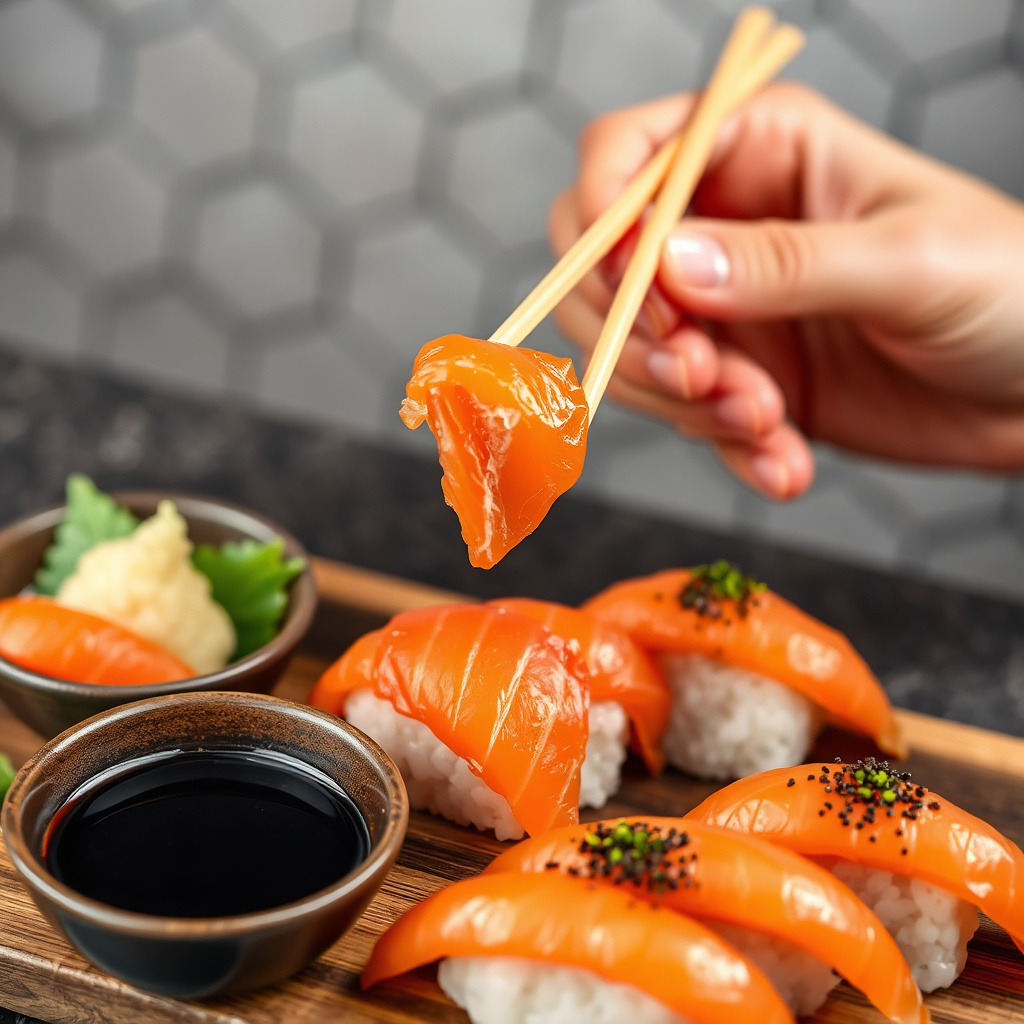
Sashimi is typically eaten by dipping the fish slices lightly in soy sauce, sometimes mixing in wasabi if you prefer extra heat. Since there is no rice, each bite is focused solely on the fish’s flavor and texture.
It’s best to eat sashimi in one bite to appreciate the balance of texture and the delicate taste of the fish. Pickled ginger is used to cleanse the palate between different types of fish.
- Dip fish lightly in soy sauce
- Eat in one bite to enjoy texture
- Use pickled ginger to refresh palate
Best Practices for Eating Nigiri
When eating nigiri, diners can pick it up with fingers or chopsticks. It’s common to dip the fish side lightly into soy sauce to avoid saturating the rice and causing it to fall apart.
Eating nigiri in one bite ensures the flavors of the rice and fish blend harmoniously on your palate. Wasabi is often already included, but additional can be added for stronger heat. Ginger cleansing applies here as well.
- Dip fish side, not rice, in soy sauce
- Eat nigiri in one bite
- Ginger refreshes taste buds
Health and Nutritional Considerations for Sashimi and Nigiri

Nutritional Profile of Sashimi
Sashimi is high in protein and low in calories since it consists only of raw seafood without added rice or sauces. It is rich in omega-3 fatty acids, which contribute to heart and brain health.
Because it lacks carbohydrates, sashimi is suitable for low-carb or ketogenic diets. However, it’s important to choose fresh, high-quality fish to minimize the risk of foodborne illnesses.
- High protein, low calories
- Rich in omega-3 fatty acids
- Carb-free option
For more on this, see our related guide: Sushi vs Sashimi: Understanding the Key Differences and Choosing Your Favorite.
Nutritional Aspects of Nigiri
Nigiri introduces carbohydrates through the sushi rice, which provides energy and balances the fatty fish with a mild acidity from the vinegar. The rice also adds calories, making nigiri more filling than sashimi.
The combination of rice and fish offers a more complete meal, but watch the portions if you are monitoring carbohydrate intake. Nigiri still provides healthy fats and protein, but with added carbs from the rice.
- Contains carbs from sushi rice
- Balanced protein and energy
- More filling than sashimi
Cultural and Culinary Significance of Sashimi vs Nigiri

Role of Sashimi in Japanese Cuisine
Sashimi is cherished as a pure form of sushi, showcasing the skill of the chef and the quality of the seafood. It is often served during formal meals or celebrations and highlights simplicity and freshness.
Historically, sashimi has been appreciated for its minimalistic presentation, emphasizing the natural flavors of the sea without distraction from rice or sauces.
Nigiri’s Place in Japanese Food Culture
Nigiri sushi emerged in the Edo period as a quick-serve street food, later evolving into a staple of sushi restaurants worldwide. Its balance of rice and fish makes it widely accessible and popular with many palates.
The craftsmanship of nigiri varies from fast casual options to high-end sushi bars where the rice texture and fish pairing are meticulously perfected.
Selecting Fresh Seafood for Sashimi and Nigiri

Identifying Fresh Fish for Sashimi
Sashimi-grade fish must meet high standards for freshness and safety. Look for clear eyes, firm flesh, and a fresh ocean smell without ammonia or fishy odors.
When buying fish for sashimi, ensure it is handled and stored properly at cold temperatures and sourced from reputable suppliers to reduce health risks.
- Clear eyes and firm texture
- No strong fishy odor
- Proper refrigeration is mandatory
For more on this, see our related guide: How Many Calories Are in Nigiri? A Detailed Nutritional Guide.
Choosing Fish for Nigiri
Fish used in nigiri requires similar freshness but can also include types with a firmer texture to complement the rice. Some nigiri toppings may be seared or cooked, which changes the freshness criteria.
It is still important that all seafood be sushi-grade to avoid parasites and bacteria, ensuring safe enjoyment whether raw or lightly processed.
- Sushi-grade fish for raw nigiri
- Seared or cooked options available
- Safe handling practices
Types of Sushi Beyond Sashimi and Nigiri
Popular Sushi Variants
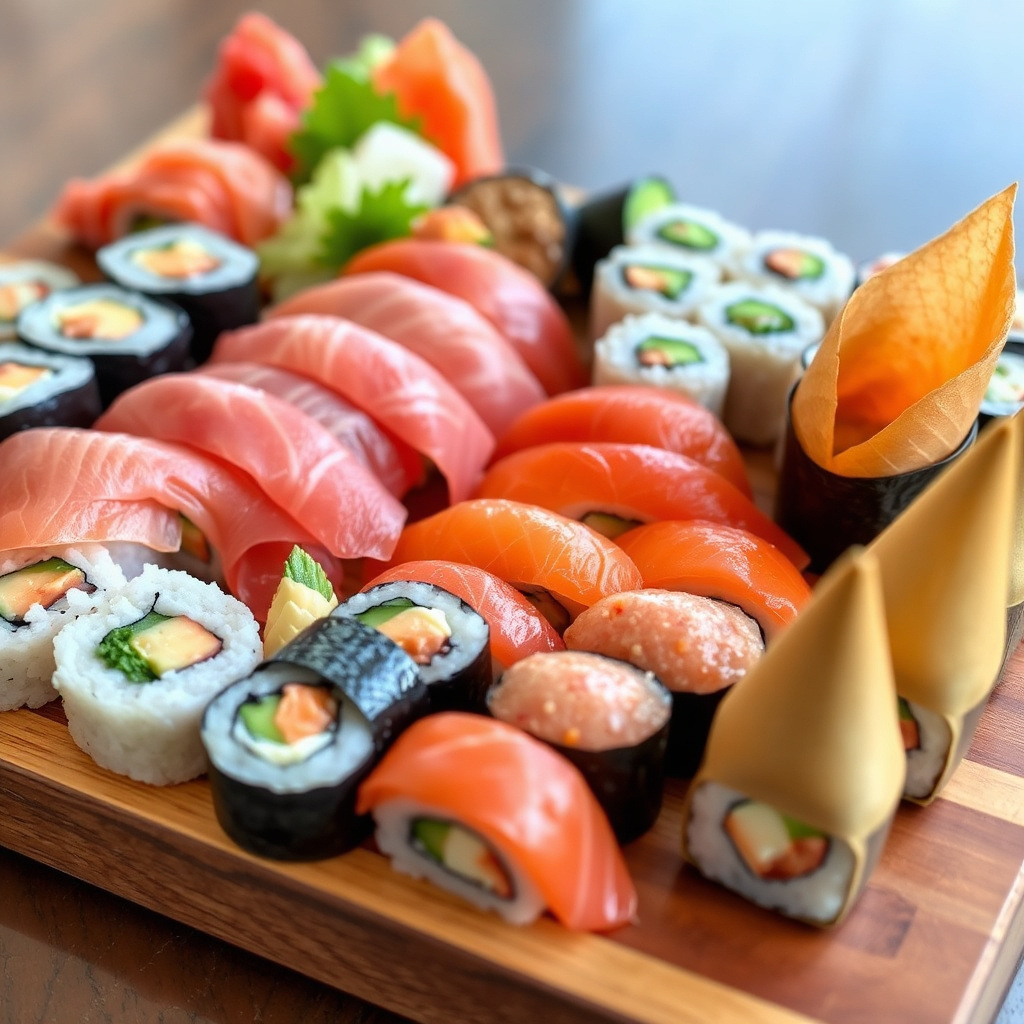
Besides sashimi and nigiri, sushi includes maki rolls, which are rice and fillings wrapped in seaweed sheets, and temaki, hand rolls shaped like cones. Each type has its own preparation style and flavor profile.
Exploring these varieties broadens the experience of Japanese cuisine and showcases the versatility of sushi rice combined with different ingredients like vegetables, cooked seafood, and sauces.
- Maki rolls: rice and fillings wrapped in seaweed
- Temaki: hand-rolled sushi cones
- Oshizushi: pressed sushi
For an in-depth look at sashimi and how it differs across cuisines, see the sashimi and sushi overview on Wikipedia. Sashimi and sushi on Wikipedia.
How Sashimi vs Nigiri Fit Into the Sushi Spectrum
Sashimi and nigiri are foundational dishes within the sushi world, emphasizing purity and chef skill. While sashimi focuses solely on raw fish, nigiri connects the fish to rice, presenting a fundamental taste combination.
Understanding these differences helps appreciate the broader sushi experience by recognizing how texture, flavor, and presentation vary among types.
Comparison of Sashimi, Nigiri, and Other Sushi Types
This table compares key elements of sashimi, nigiri, and common sushi types, highlighting ingredients, preparation, and typical uses.
| Category | Ingredients | Serving Style | Texture | Typical Use |
|---|---|---|---|---|
| Sashimi | Raw fish or seafood only | Served alone on a plate | Delicate, pure fish texture | Appetizer or main dish focused on fish quality |
| Nigiri | Fish slice with vinegared rice | Hand-pressed with fish on top | Combination of soft rice and tender fish | Popular sushi restaurant staple |
| Maki Rolls | Fish, vegetables and rice wrapped in seaweed | Rolled and sliced sushi pieces | Varied textures; crunchy to soft | Casual sushi, easy to eat |
| Temaki | Rice, fish, veggies in cone-shaped seaweed | Hand-held sushi cone | Crunchy seaweed with soft fillings | Snack or quick meal |
| Oshizushi | Pressed rice with toppings | Sushi pressed into mold then sliced | Firm and compact texture | Traditional style from Osaka region |
Frequently Asked Questions
Is sashimi always raw fish?
Yes, sashimi refers to thinly sliced raw fish or seafood served without rice, emphasizing the freshness and natural taste of the fish.
Can nigiri contain cooked ingredients?
Yes, while nigiri often features raw fish, some toppings like shrimp or eel are cooked before being placed on the rice.
Which dish is healthier, sashimi or nigiri?
Sashimi is generally lower in calories and carbs since it contains no rice, making it better for low-carb diets, while nigiri provides more energy with the added rice.
How should I dip nigiri in soy sauce?
Dip nigiri lightly by tilting it fish-side down into soy sauce to avoid the rice soaking and falling apart.
Why do chefs add wasabi between the fish and rice in nigiri?
Wasabi enhances flavor and can help reduce bacteria risk by adding slight antimicrobial properties between fish and rice.
Key Takeaways
- Sashimi is raw fish served without rice, focusing on purity and texture.
- Nigiri pairs fish with vinegared rice, offering balanced flavors and textures.
- Sashimi is lower in carbs; nigiri is more filling due to the rice.
- Proper dipping and eating techniques enhance enjoyment of both dishes.
Conclusion
Choosing between sashimi and nigiri largely depends on your preference for pure fish flavor versus a combination of fish and rice. Understanding sashimi vs nigiri helps you appreciate the distinct craftsmanship behind each dish. Both prioritize fresh, high-quality seafood and offer unique textural experiences, whether enjoying the delicate simplicity of sashimi or the balanced mouthfeel of nigiri.
If you want to savor fish in its most unadorned form with minimal distractions, sashimi is a perfect choice; it highlights freshness and knife skills. Nigiri suits those looking for a harmonious taste of vinegared rice paired with fish, offering a satisfying bite. For a broader sushi experience, exploring different types like maki or temaki can introduce new textures and flavor combinations that complement sashimi and nigiri.
Next time you visit a sushi restaurant or shop, try both sashimi and nigiri to see which you prefer and observe the differences firsthand. Experiment with dipping techniques and note how the rice influences flavor in nigiri, while sashimi’s simplicity brings the seafood's purity forward. Learning about these dishes enriches your appreciation of Japanese cuisine and allows you to enjoy sushi in a more informed, flavorful way.


One Comment