What Is Lo Mein? A Complete Guide to This Classic Chinese Noodle Dish
Lo mein is a popular Chinese noodle dish made from cooked egg noodles that are tossed with a savory sauce and mixed with vegetables, meats, or seafood. Unlike stir-fried noodles, the noodles are boiled first, then combined with other ingredients, resulting in a soft and flavorful meal loved worldwide.
This dish is a staple in many Chinese-American restaurants and varies widely in preparation styles depending on regional preferences. Typically, lo mein features ingredients like soy sauce, garlic, ginger, and a variety of veggies or proteins, making it both versatile and customizable. Its ease of preparation and comforting flavors have made it a favorite comfort food across many cultures.
In this article, we will explore the origins of lo mein, the key ingredients that define it, how it differs from other Chinese noodle dishes such as chow mein, and tips for making authentic lo mein at home. We'll also look at common variations and nutritional aspects to help you understand this classic dish better.
Understanding Lo Mein: Origins and Cultural Significance

Historical Background of Lo Mein
Lo mein traces its roots back to northern China, where wheat-based noodles are a dietary staple. The name 'lo mein' translates to ‘tossed noodles’ in Cantonese, highlighting the method of preparation where boiled noodles are tossed with various sauce and mix-ins. Over time, immigrant communities adapted the dish, giving rise to the popular versions found around the world today.
This dish emerged as a convenient and quick meal option, allowing cooks to combine leftover ingredients tossed with noodles, reflecting the resourcefulness of traditional Chinese home cooking. Its global popularity, particularly in the United States, reflects how adaptations of lo mein have become part of casual dining culture.
Cultural Importance and Popularity
Lo mein is more than just a meal; it carries cultural significance during celebrations and family gatherings in Chinese culture. Noodles symbolize longevity and prosperity, making lo mein a favored dish during special occasions like Lunar New Year.
In many Western countries, lo mein has become synonymous with Chinese takeout, often representing comfort food that balances vegetables and protein with hearty noodles. Its extensive reach in international cuisine demonstrates its adaptability and enduring appeal.
Ingredients That Define Lo Mein
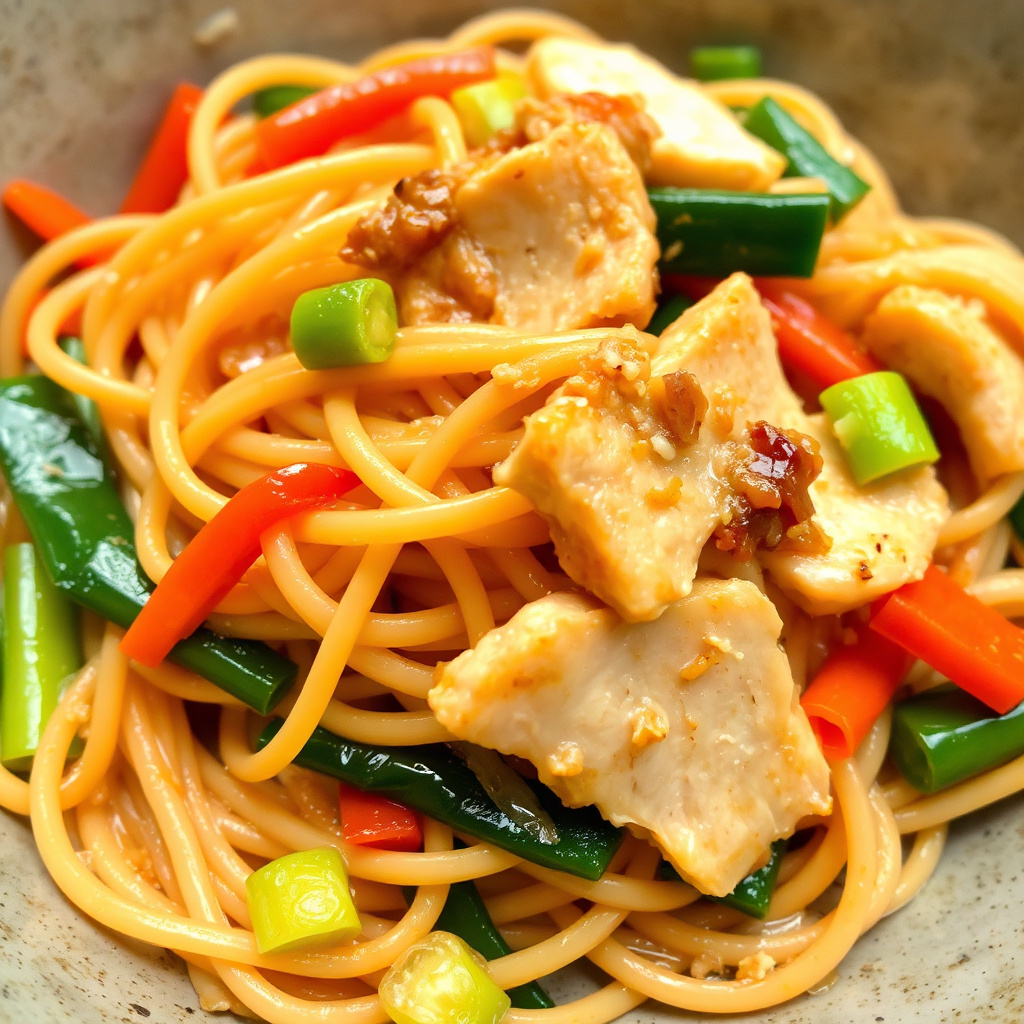
Core Ingredients of Lo Mein Noodles
The foundation of lo mein is the egg noodle, typically made from wheat flour and eggs, giving it a tender yet slightly chewy texture. These noodles are boiled until just soft, unlike chow mein noodles, which are often fried to crispiness.
The sauce generally combines soy sauce, oyster sauce, sesame oil, and a touch of sugar or hoisin sauce to create a well-rounded savory flavor. Garlic and ginger are commonly included for aromatic depth. The balance of these ingredients is crucial to achieving a typical lo mein taste.
Typical Vegetables and Proteins
Common vegetables mixed into lo mein include bok choy, snow peas, bell peppers, carrots, and mushrooms. These add color, texture, and nutritional variety to the dish.
Protein options vary widely, with chicken, beef, pork, shrimp, and tofu being popular choices. The protein is stir-fried separately or with vegetables before being combined with the cooked noodles and sauce, ensuring a flavorful and satisfying meal.
Lo Mein vs. Chow Mein: Key Differences Explained
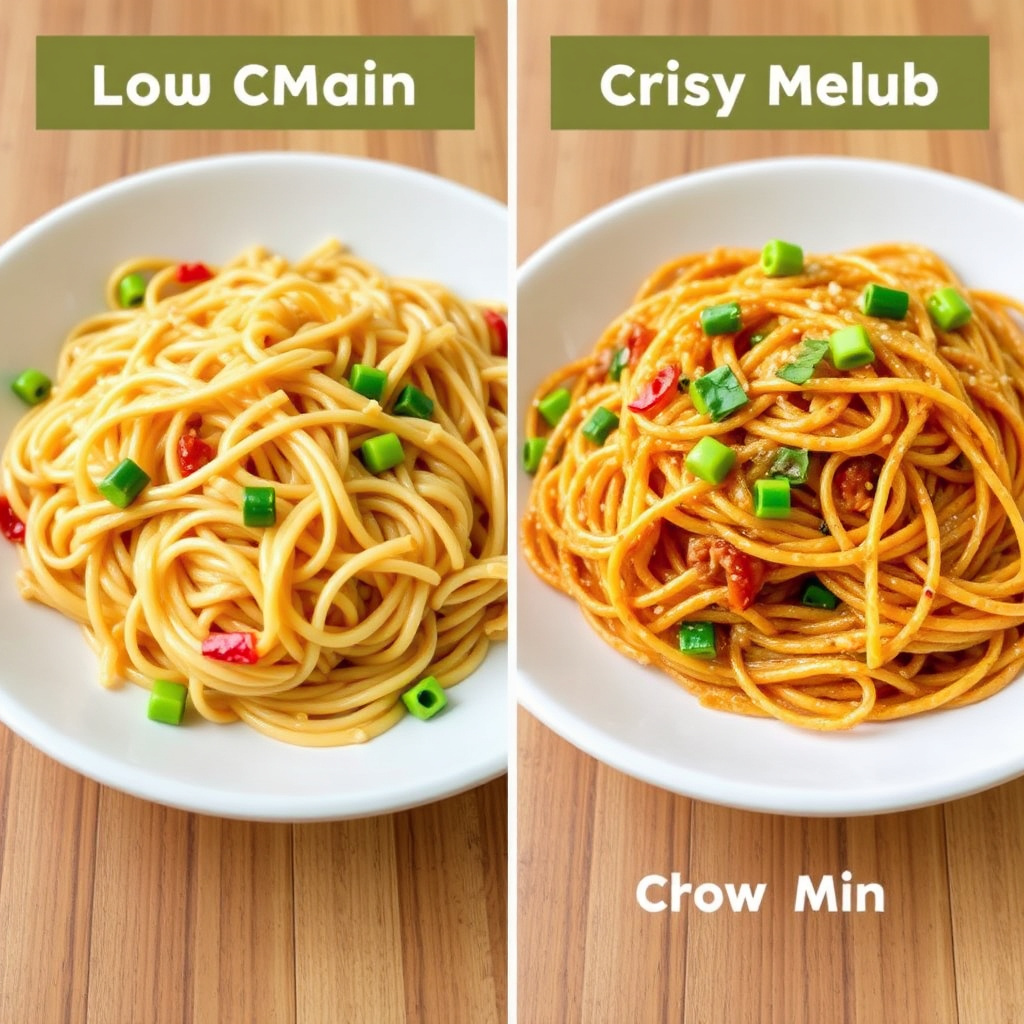
Preparation and Texture Differences
Lo mein noodles are boiled until soft and then tossed with sauce and ingredients, creating a moist and tender texture. Chow mein, on the other hand, involves stir-frying the noodles until crispy or slightly browned, giving a crunchy contrast.
The cooking method affects not only the mouthfeel but also the flavor absorption. Lo mein noodles soak up the sauce more thoroughly, while chow mein emphasizes the caramelized notes from frying.
- Lo mein noodles are soft and boiled
- Chow mein noodles are fried and often crispy
For more on this, see our related guide: What Is Sweet and Sour Pork? A Flavorful Chinese Classic Explained.
Common Serving Styles and Ingredients
Lo mein often features a richer, more heavily sauced presentation with a balanced mix of noodles, vegetables, and protein. Chow mein can vary between soft and crispy styles depending on the region but is generally drier with less sauce coverage.
Vegetables and proteins can overlap, but chow mein dishes may lean towards simpler ingredient mixes to complement the noodle texture, whereas lo mein embraces a more saucy and integrated approach.
Making Lo Mein at Home: Tips and Techniques

Preparing the Noodles Correctly
To prepare lo mein noodles, bring a large pot of water to a boil and cook the noodles just until they are tender but still retain a slight chew. Overcooking will cause them to become too soft and mushy once tossed with sauce.
Drain the noodles promptly and rinse them under cold water to stop cooking and prevent clumping. Toss lightly with oil if not combining immediately to keep them separate.
- Boil noodles until al dente
- Rinse with cold water after draining
- Toss with a small amount of oil to prevent sticking
Combining Ingredients and Sauce
Stir-fry your chosen vegetables and proteins separately until just cooked, then combine them with the cooked noodles. Pour the sauce mixture over everything and toss thoroughly over medium heat to blend flavors evenly.
Avoid overcooking once combined; the goal is to heat the dish through while maintaining the texture of the vegetables and noodles.
Popular Variations of Lo Mein Around the World
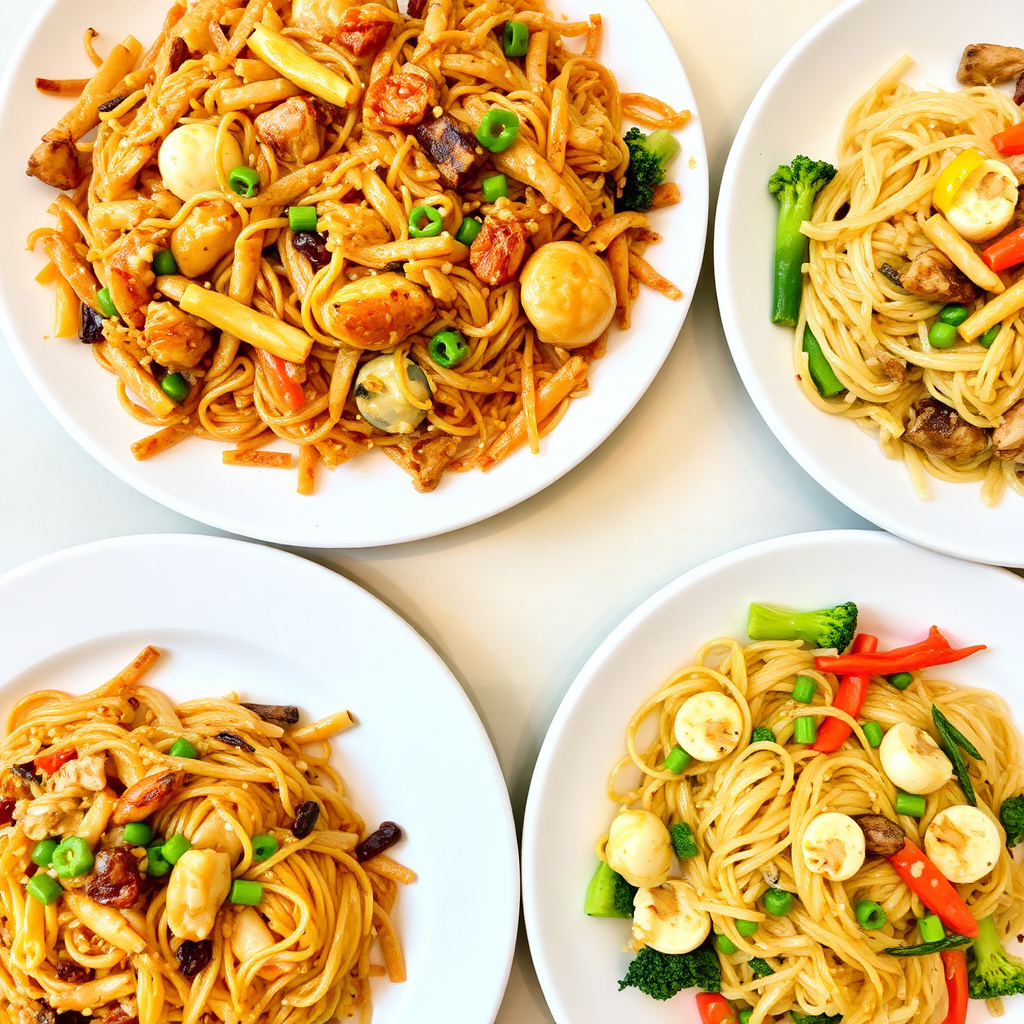
Regional and Cultural Adaptations
While traditional lo mein uses egg noodles and classic Chinese sauces, international versions often incorporate different proteins or flavors to suit local tastes. For example, American-Chinese lo mein commonly features thicker noodles and sweeter sauces.
In Southeast Asia, lo mein dishes might include tropical ingredients like pineapples or spicy chili to create unique flavor profiles diverging from the traditional Chinese style.
Vegetarian and Gluten-Free Options
Vegetarian lo mein swaps meat for tofu or extra vegetables, emphasizing fresh, vibrant produce. Using gluten-free noodles made from rice or other grains can accommodate dietary restrictions while keeping the essence of the dish.
Sauce ingredients can also be substituted to avoid soy or gluten, such as tamari for soy sauce, making lo mein accessible to various dietary needs.
Nutritional Aspects of Lo Mein

Caloric and Macronutrient Overview
Lo mein provides a moderate calorie meal with carbohydrates from noodles, protein from meats or tofu, and fiber from vegetables. The exact nutritional content varies depending on portion size and added ingredients but typically offers a balanced macronutrient profile.
Due to the use of cooking oils and soy-based sauces, the sodium and fat content can be elevated, which is worth noting for those monitoring intake.
For a detailed history and further reading, check out Lo mein on Wikipedia. Lo mein on Wikipedia.
Ways to Make Lo Mein Healthier
Using whole wheat or vegetable noodles can increase fiber. Increasing the ratio of vegetables while reducing oils and soy sauce lowers calories and sodium. Choosing lean proteins such as chicken breast or shrimp adds nutrition without excess fat.
Home preparation allows better control over ingredients and portion sizes compared to restaurant versions that may be higher in calories and sodium.
Comparing Lo Mein Noodle Types
Here's a comparison of the most commonly used noodles for lo mein, highlighting their texture, cooking times, and best uses.
| Noodle Type | Texture | Cooking Time | Best For |
|---|---|---|---|
| Fresh Egg Noodles | Tender and slightly chewy | 3-5 minutes | Traditional lo mein, soft texture |
| Dried Egg Noodles | Chewier than fresh | 5-7 minutes | Longer shelf life, classic flavor |
| Wheat Noodles | Firm and less elastic | 6-8 minutes | Hearty dishes, absorbs sauce well |
| Rice Noodles (gluten-free) | Soft and slippery | 2-4 minutes | Gluten-free versions, mild flavor |
Frequently Asked Questions
Is lo mein the same as chow mein?
No, lo mein noodles are boiled and tossed with sauce, resulting in soft noodles, while chow mein noodles can be fried to a crispy texture.
Can I use spaghetti to make lo mein?
While spaghetti can be a substitute in a pinch, it lacks the elasticity and texture of traditional egg noodles used in lo mein.
Is lo mein typically vegetarian?
Lo mein can be made vegetarian by omitting meat and using tofu or just vegetables. Many restaurants offer vegetarian lo mein options.
How can I make lo mein less greasy?
Use less oil when stir-frying and opt for lean protein and more vegetables to reduce greasiness.
What sauce is used in lo mein?
A common sauce mix includes soy sauce, oyster sauce, sesame oil, and sometimes hoisin sauce or sugar for sweetness.
Key Takeaways
- Lo mein is a Chinese noodle dish with boiled egg noodles tossed in savory sauce.
- It differs from chow mein mainly in noodle texture and cooking method.
- Ingredients typically include egg noodles, soy-based sauces, vegetables, and proteins.
- Homemade lo mein allows customization for dietary needs and flavor preferences.
Conclusion
Understanding what lo mein is helps appreciate its role in Chinese cuisine and global food culture. When deciding on lo mein, consider its texture, core ingredients, and how it contrasts with dishes like chow mein. This knowledge supports informed choices whether dining out or cooking at home.
If you want an authentic experience, traditional fresh egg noodles tossed with a balanced sauce of soy and oyster sauces provide the classic lo mein taste. For those seeking dietary variations, vegetarian or gluten-free adaptations are widely accessible, allowing everyone to enjoy this dish.
For your next meal, try preparing lo mein at home using the tips outlined above. This can help you control flavors and nutrition while exploring the delightful textures and combinations that make lo mein a beloved staple. It's a practical, tasty way to bring a bit of Chinese culinary tradition into your kitchen.




One Comment