How Much Sodium Is in Chinese Food? Understanding Salt Content in Your Favorite Dishes
Chinese food typically contains high levels of sodium, often ranging from 800 to over 2,000 milligrams per serving depending on the dish and portion size. This makes it one of the higher-sodium meal options commonly available in restaurants and takeout menus, posing challenges for those monitoring salt intake.
High sodium consumption is linked to increased risks of hypertension and heart disease, so knowing how much salt is in Chinese dishes helps you make better dietary choices. Many staple ingredients like soy sauce, hoisin sauce, and MSG contribute heavily to the overall sodium.
This article will explore average sodium amounts in popular Chinese food dishes, compare them to recommended limits, and offer strategies to enjoy these meals while controlling salt intake. You'll also find a detailed comparison of common categories and tips to identify lower-sodium options.
Typical Sodium Levels in Popular Chinese Food
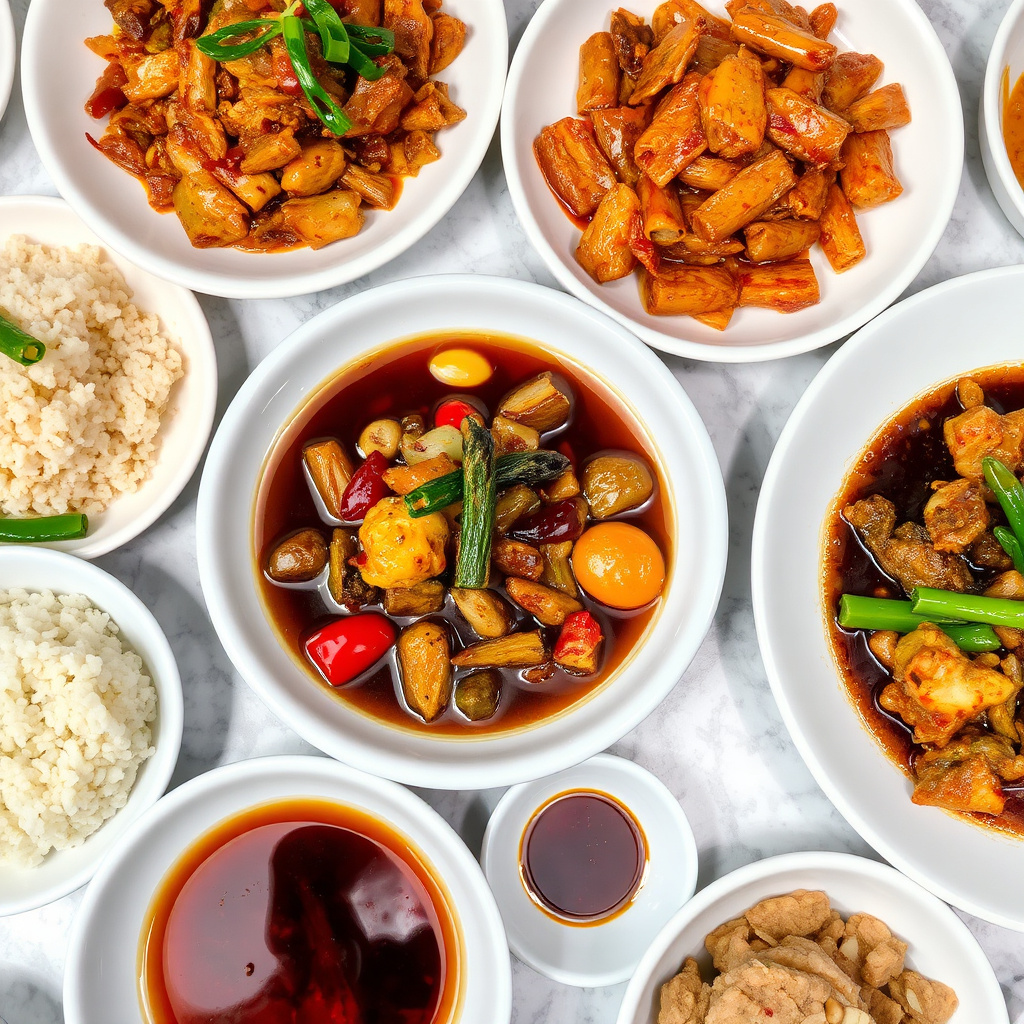
Sodium in Common Chinese Takeout Dishes
Menu items like General Tso’s chicken, orange chicken, and fried rice often contain between 1,000 and 1,800 mg of sodium per serving. Dishes with heavy soy or oyster sauce bases naturally have increased salt content.
Soups like hot and sour or egg drop soup can add another 700 to 1,200 mg sodium per bowl, especially when MSG is included. This can quickly exceed daily sodium recommendations in just a single meal.
- General Tso’s chicken: ~1,200 mg sodium per serving
- Chicken fried rice: ~1,000 mg sodium
- Wonton soup: ~800 mg sodium per bowl
- Beef and broccoli: ~1,400 mg sodium
Sauces and Flavorings That Drive Sodium Content
Soy sauce is a major contributor, with a single tablespoon containing around 900 to 1,000 mg sodium. Hoisin and oyster sauce also add several hundred milligrams per serving, depending on quantity used in cooking.
MSG, often added to enhance umami flavor, contributes sodium but typically less so than soy sauce. Still, cumulative use of these flavorings can push sodium levels in dishes to unhealthy amounts.
- Regular soy sauce (1 tbsp): ~900 mg sodium
- Reduced-sodium soy sauce (1 tbsp): ~500 mg sodium
- Hoisin sauce (1 tbsp): ~300 mg sodium
- Oyster sauce (1 tbsp): ~350 mg sodium
How Chinese Food Sodium Content Compares to Daily Recommendations

Recommended Sodium Intake Limits
Health organizations like the American Heart Association recommend limiting sodium intake to 1,500-2,300 mg per day for most adults. Many Chinese dishes alone approach or exceed this limit, especially in restaurant portions.
The high sodium concentration in Chinese food means that consuming multiple dishes in one meal can easily surpass safe daily amounts, increasing health risks associated with high salt consumption.
- Ideal daily sodium limit: 1,500 mg
- Upper recommended limit: 2,300 mg
- Average Chinese meal sodium: 1,000-2,000 mg
Implications for Salt-Sensitive Individuals
People with hypertension, kidney disease, or heart conditions need to carefully monitor sodium intake. Since Chinese food can be high in salt, moderation and ingredient knowledge are especially important for these groups.
Choosing dishes that rely more on fresh vegetables and lean proteins, and requesting sauce on the side, can significantly reduce sodium intake while still enjoying Chinese cuisine.
- Opt for steamed over fried dishes
- Ask for low-sodium or no-salt-added sauce
- Limit consumption to one dish per meal
Sodium Content in Regional Chinese Cuisine Variations

Sodium in Cantonese and Sichuan Dishes
Cantonese cuisine often includes lighter sauces and steamed preparations but still uses soy sauce liberally, leading to moderate sodium levels. Dim sum items can also be salty depending on fillings and dipping sauces.
Sichuan cuisine is known for bold, spicy, and often salty flavors, particularly from fermented bean pastes and chili sauces. Typical sodium content in popular dishes is generally higher than Cantonese counterparts.
For more on this, see our related guide: Can You Eat Chinese Food on Keto? A Practical Guide.
Sodium in Northern and Eastern Chinese Foods
Northern Chinese dishes like dumplings and noodles may incorporate soy sauce and vinegar but sometimes have less overall salt than southern styles. However, meat-heavy dishes can still be rich in sodium.
Eastern Chinese dishes emphasize sweetness and umami, often with sauces like hoisin and soy, resulting in varying sodium levels. Seafood preparations may be less salty but should still be eaten with caution.
Strategies for Reducing Sodium Intake When Eating Chinese Food

Making Healthier Choices at Restaurants
Requesting sauces on the side lets you control how much salt you consume. Favor steamed or stir-fried dishes over deep-fried options to reduce sodium and unhealthy fats.
Choose dishes heavy on vegetables and lean proteins like chicken or tofu. Avoid items with processed meats or deep-fried battered coatings, which increase salt and fat content.
- Ask for reduced-sodium soy sauce
- Skip MSG if sensitive
- Share dishes to limit portion size
Cooking Chinese Food at Home with Less Sodium
When preparing Chinese cuisine at home, use low-sodium soy sauce substitutes or dilute regular sauces with water or broth. Incorporate fresh herbs and spices to add flavor without salt.
Limit processed seasoning packets and experiment with vinegar, garlic, ginger, and chili peppers to impart authentic taste while keeping sodium levels manageable.
- Use homemade stir-fry sauces with less soy sauce
- Replace salt with aromatics like ginger and garlic
- Use fresh ingredients to enhance natural flavor
Understanding Nutritional Labels and Sodium Content in Packaged Chinese Ingredients

Reading Sodium Information on Sauces and Seasonings
Product labels indicate sodium per serving size prominently. Many bottled sauces contain more sodium than expected because typical serving sizes are small, so multiple tablespoons can greatly increase sodium intake.
Compare standard soy sauce with reduced-sodium versions on the label to select options that fit your dietary goals more easily.
For more on this, see our related guide: Can You Eat Chinese Food with Diabetes? Practical Tips and Safe Choices.
Choosing Packaged Items with Lower Sodium Content
Look for products labeled low-sodium, sodium reduced, or no-salt-added. These alternatives can significantly cut daily sodium intake if used thoughtfully in recipes.
Avoid seasoning mixes and canned products that often have added salt or preservatives. Fresh, whole ingredients typically have naturally low sodium and better health profiles.
Sodium Content Insights for Vegetables, Proteins, and Rice in Chinese Food

Low-Sodium Nature of Fresh Vegetables and Plain Rice
Most fresh vegetables used in Chinese cuisine are naturally very low in sodium, making them excellent choices if you want to reduce overall salt intake. Similarly, plain steamed white rice contains negligible sodium.
Combining these low-sodium staples with flavorings carefully helps control total meal salt content without sacrificing enjoyment.
For more background on sodium and its health effects in Chinese cuisine, see this overview from Wikipedia. Sodium in Chinese cuisine overview.
Sodium Levels in Various Protein Choices
Fresh chicken, beef, pork, and tofu are low in sodium before seasoning. However, marinated or processed proteins, such as Chinese sausage or pre-seasoned meats, tend to carry higher sodium loads.
Grilled or steamed proteins with minimal sauce provide healthier options compared to deep-fried or heavily sauced varieties.
- Fresh chicken: naturally low sodium
- Chinese sausage: high sodium due to curing
- Tofu: low sodium if unseasoned
- Processed meats: typically high sodium
Comparing Chinese Food Sodium Levels by Dish Type
This table outlines sodium content differences across common Chinese food categories, helping you choose dishes that fit your sodium needs.
| Category | Average Sodium per Serving (mg) | Typical Portion Size (grams) | Sodium Density (mg/100g) |
|---|---|---|---|
| Fried Rice & Noodles | 1000-1600 | 300 | 330-530 |
| Sweet and Sour/Glazed Meats | 1200-1800 | 250 | 480-720 |
| Soups (e.g., Wonton, Hot & Sour) | 700-1300 | 250 | 280-520 |
| Steamed Vegetables and Protein Dishes | 400-900 | 250 | 160-360 |
| Dim Sum and Dumplings | 600-1100 | 150 | 400-730 |
Frequently Asked Questions
Why is Chinese food often high in sodium?
Chinese cooking frequently uses soy sauce and other salty condiments like oyster and hoisin sauce, which contribute large amounts of sodium to dishes.
Can I reduce sodium when ordering Chinese food at a restaurant?
Yes, you can ask for sauces on the side, choose steamed or plain dishes, and avoid MSG to lower sodium intake.
Is MSG the same as sodium?
MSG contains some sodium but generally less than soy sauce; it enhances flavor without adding as much sodium as other condiments.
Are homemade Chinese dishes healthier in terms of sodium?
Making Chinese food at home lets you control salt amounts by using low-sodium sauces and adjusting seasonings for better sodium management.
What are some low-sodium Chinese food options?
Steamed vegetables, plain rice, and grilled or steamed lean proteins with minimal sauce are typically lower in sodium.
Key Takeaways
- Chinese food often contains a high amount of sodium, mainly from soy sauce and related condiments.
- Many popular dishes alone can reach or exceed daily sodium limits recommended by health authorities.
- Choosing steamed dishes, requesting sauces on the side, and using low-sodium products helps reduce salt intake.
- Being informed about sodium content in regional styles and ingredients supports healthier choices.
Conclusion
Understanding the sodium content in Chinese food is vital to maintain a balanced diet, especially if you have health concerns related to salt consumption. The variation among dishes means that careful selection plays a key role in managing daily sodium intake effectively. Knowledge about ingredient sodium levels and dish preparation methods empowers you to enjoy Chinese cuisine without compromising your health goals. Approaching meals with attention to portion size and sauce usage helps keep your salt intake within safe boundaries.
For people aiming to reduce sodium, targeting steamed vegetables or protein dishes with sauce on the side is a practical way forward. Likewise, limiting consumption of fried rice, sweet and sour, or thickly sauced meat dishes can notably lower overall sodium consumption. Considering regional cuisine differences is also useful; opting for Cantonese-style dishes over Sichuan flavors may improve sodium profiles. Homemade Chinese cooking offers greater sodium control through selective use of lower-sodium soy sauce and fresh ingredients.
The best starting point is to monitor how often and how much Chinese food you consume, prioritize lower-sodium options, and experiment with preparing your own meals. This approach balances enjoying the rich flavors of Chinese cuisine while protecting your health. For further detailed nutritional insights into Chinese food and sodium content, authoritative resources can provide additional guidance.


