How Many Carbs Are in Fried Rice? A Detailed Carb Content Guide
Fried rice typically contains about 45 to 50 grams of carbohydrates per cup, depending on the ingredients and cooking methods used. This estimate includes rice, vegetables, and any added sauces or proteins mixed in. The primary source of carbs in fried rice is the rice itself, which naturally contains starch.
Carbohydrate content matters because many people track carbs for weight management, diabetes control, or general nutritional balance. Fried rice can vary in carb count based on portion size, types of rice used (white, brown, jasmine), and additional ingredients such as vegetables and meats. Recognizing these differences helps maintain accurate carbohydrate intake.
This article will explain the factors affecting the carb content in fried rice, compare types of rice and recipes, provide nutritional analysis for common variants, and offer tips for modifying fried rice to better fit specific dietary needs.
Understanding Carbs in Fried Rice: The Basics

What Constitutes the Carbohydrate Content in Fried Rice?
Carbohydrates in fried rice primarily come from the cooked rice grains, which are rich in starch. Additional ingredients, like vegetables, add small amounts of carbs mainly in the form of fiber and sugars. Sauces such as soy sauce contribute negligible carbs but can affect sodium content.
The type of rice used significantly impacts the overall carb count. For example, white rice tends to have a higher glycemic index and slightly more available carbs than low-GI brown rice variants. Understanding these differences helps assess the total carbohydrate content accurately.
Serving Size and Carb Calculations
Standard nutrition labels and diet tracking apps often list carbs per 1-cup cooked serving of fried rice. However, portion sizes vary considerably, and restaurant servings can be much larger, boosting carb intake substantially.
Measuring cooked rice by volume can be inconsistent because moisture content varies. Weighing rice before cooking and calculating carbs based on dry weight offers more precision, especially for those who need strict carb control.
- 1 cup cooked fried rice ≈ 45-50 grams carbs
- Half-cup portions reduce carb intake roughly by half
- Adjust counting based on rice type and recipe
Types of Rice and Their Effects on Carb Content

White Rice vs. Brown Rice in Fried Rice
White rice is most commonly used in fried rice recipes and contains around 45 grams of carbs per cooked cup. It has been milled and polished, removing fiber and some nutrients, which can cause quicker spikes in blood sugar.
Brown rice maintains its bran and germ, offering slightly fewer net carbs (typically around 40 grams per cooked cup) due to higher fiber content. It provides more sustained energy release but alters the flavor and texture of fried rice.
Specialty Rice Varieties and Carb Impact
Jasmine rice and basmati rice are aromatic long-grain varieties often used in fried rice. Their carb counts are similar to white rice but may differ in glycemic index due to starch composition.
Low-carb alternatives like cauliflower rice drastically reduce carbohydrate content, bringing it down to 5-10 grams per cup, making it appealing for low-carb diets while offering a different texture and flavor profile.
- Jasmine rice carbs per cup: ~45 grams
- Cauliflower rice carbs per cup: 5-10 grams
- Basmati rice glycemic index lower than white rice
How Ingredients Influence Fried Rice's Carbohydrate Levels
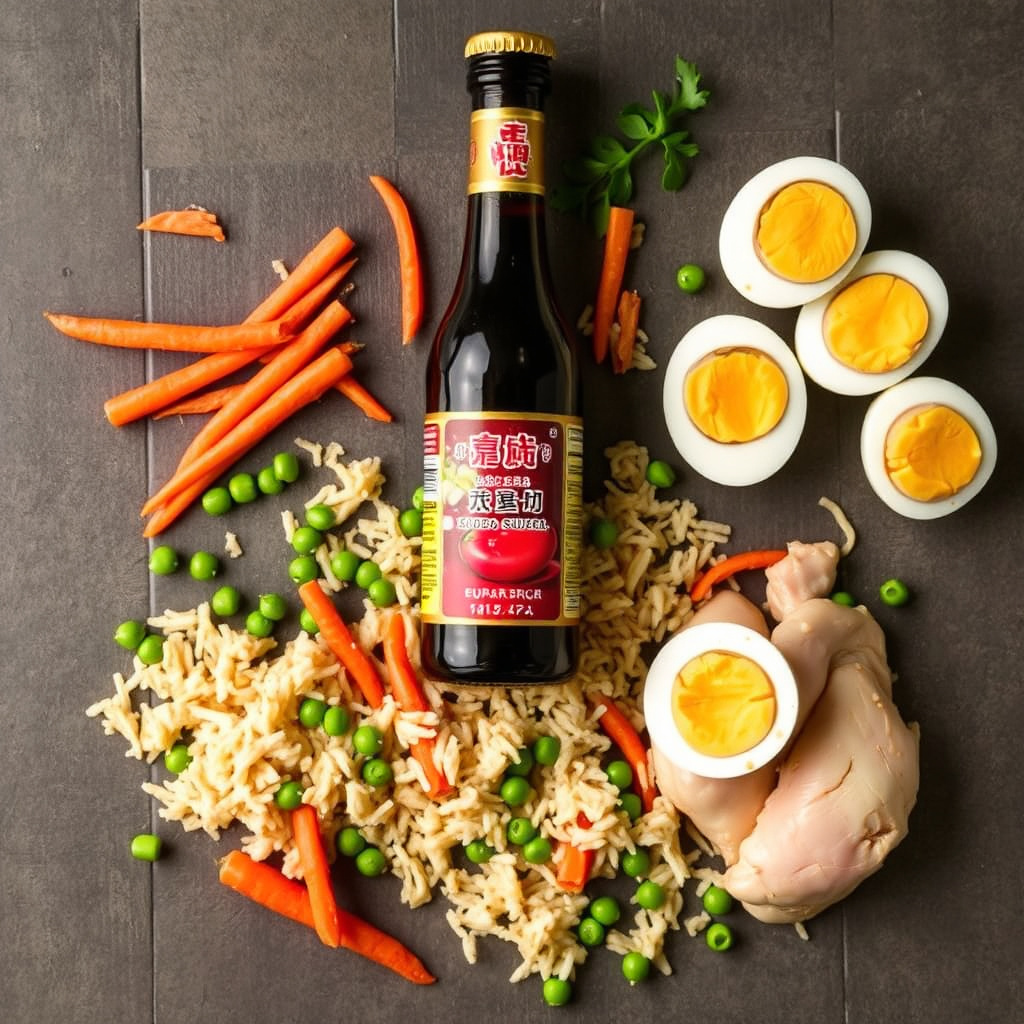
Vegetables and Proteins Added to Fried Rice
Vegetables such as peas, carrots, and onions add a small amount of carbohydrates mainly from dietary fiber and natural sugars. These additions balance the dish nutritionally and minimally raise total carbs.
Proteins like eggs, chicken, or shrimp contribute negligible carbs but increase the meal's overall nutritional profile. Their presence can make the dish more filling and suitable for balanced meals without heavily impacting carbohydrates.
For more on this, see our related guide: How Many Carbs Are in Sushi? A Detailed Carb Breakdown.
Impact of Sauces and Seasonings
Common sauces like soy sauce and oyster sauce have minimal carbs per serving but contain sodium. Sweet sauces or additives can increase carbs noticeably, depending on quantity used.
When monitoring carb intake precisely, it's important to check ingredient labels or recipe specifics, as some fried rice variations may include sugary sauces that alter carb content significantly.
- Regular soy sauce: <1 gram carb per tablespoon
- Sweet sauces can add 5-10 grams carbs per serving
Nutritional Profiles of Popular Fried Rice Variants
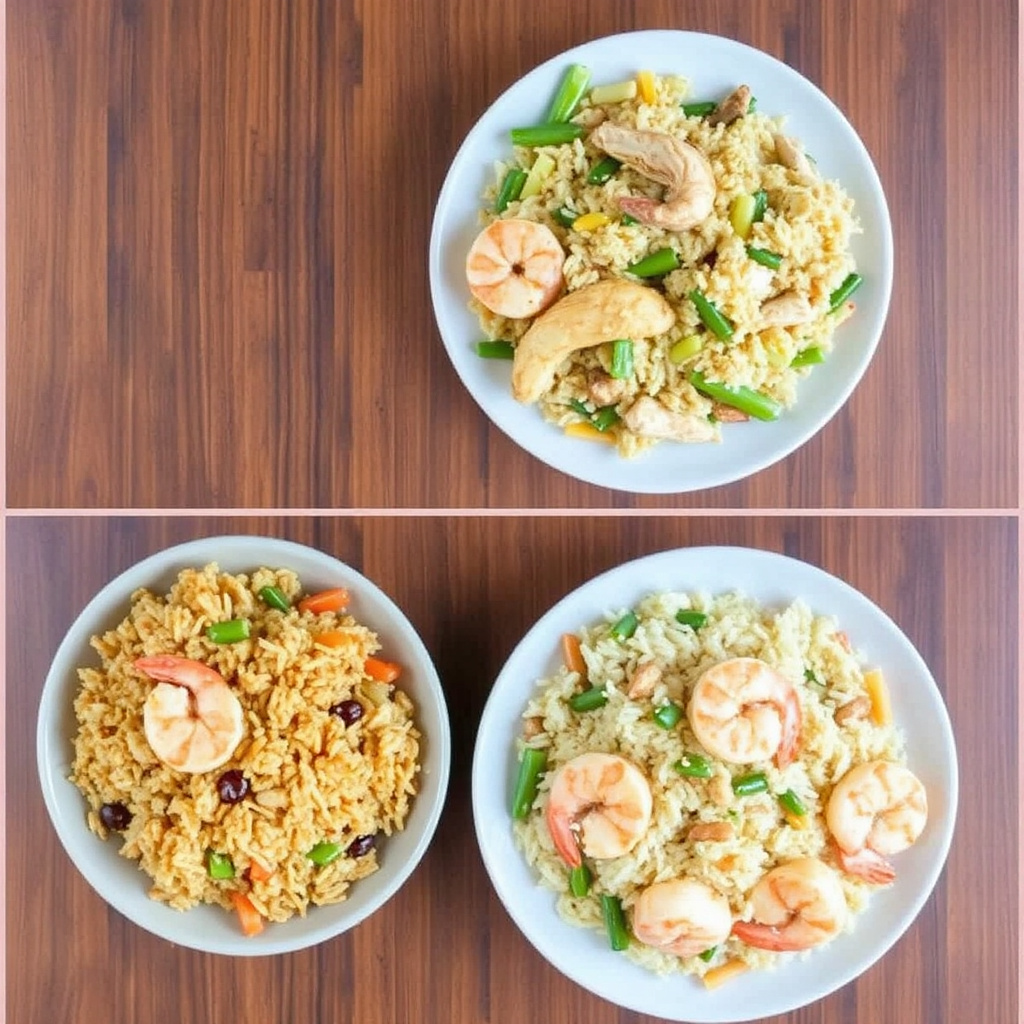
Vegetable Fried Rice Carb Content
Vegetable fried rice generally contains around 45 grams of carbs per serving. This variety focuses on rice and mixed vegetables, making it slightly lower in calories and fat compared to meat-based types but similar in carbohydrate levels.
Adding fiber-rich vegetables such as broccoli or bell peppers slightly reduces net carbs and adds beneficial nutrients, making it a healthy choice for many balanced diets.
Meat and Seafood Fried Rice Variations
Chicken or shrimp fried rice typically has the same carbohydrate content as vegetable fried rice, roughly 45-50 grams per cup, depending on how much protein is added relative to rice. Protein increases satiety without boosting carbs.
The method of preparation—such as frying with oil or adding eggs—influences fat and calorie count but alters carbs minimally unless starchy ingredients or sugary sauces are included.
Adjusting Fried Rice for Lower Carb Diets

Using Low-Carb Rice Substitutes
Substituting cauliflower rice or shredded cabbage for traditional rice can drastically cut carbs from about 45 grams to under 10 grams per serving. This is a popular strategy among people following keto or low-carb diets.
Texture and flavor differ from classic fried rice, but vegetable-based rice alternatives provide fiber, vitamins, and minerals without the carb load.
- Cauliflower rice
- Shredded cabbage
- Other vegetable-based grains like zucchini rice
For more on this, see our related guide: How Many Calories Are in Sashimi? A Clear Guide to Its Nutritional Content.
Portion Control and Ingredient Modifications
Reducing serving size effectively lowers carb intake without changing the recipe. Pairing smaller portions with higher protein or fibrous vegetables enhances fullness.
Avoiding sugary sauces and limiting high-carb inclusions (like sweet corn or additional starch) also helps tailor fried rice to low-carb plans.
Tips for Tracking Carbs When Eating Fried Rice
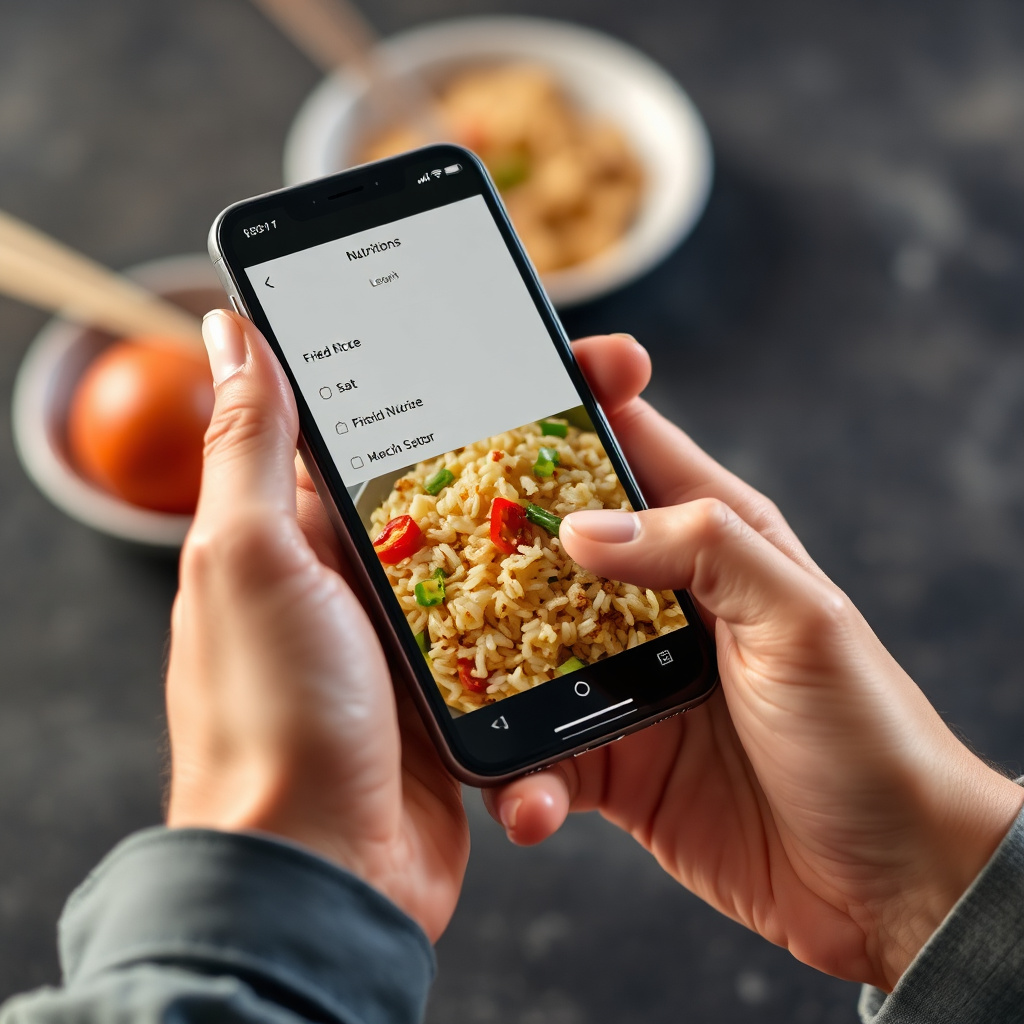
Using Nutrition Labels and Food Scales
Consulting nutrition labels on prepackaged fried rice products or restaurant menus provides baseline carb values. When possible, weigh portions for accurate carb counting, especially important for people with diabetes.
Homemade fried rice carb values can be estimated by summing the carbohydrate content of individual ingredients based on their weights and servings.
For a deeper look into fried rice, see this comprehensive resource on its ingredients and variants. nutritional information about fried rice.
Apps and Online Resources for Carb Tracking
Many mobile apps and websites offer detailed carb counts for popular dishes including fried rice variations, which simplify tracking during meals out or home cooking.
Utilizing databases with user-uploaded recipes and verified nutritional info helps maintain consistent carb logging and meal planning.
- MyFitnessPal
- Lose It!
- Cronometer
- USDA FoodData Central
Fried Rice Carb Content Comparison by Type
Here's a straightforward comparison of carb counts across common types of fried rice and common low-carb alternatives.
| Fried Rice Type | Average Carbs per Cup (g) | Glycemic Index | Typical Ingredients |
|---|---|---|---|
| Classic White Rice Fried Rice | 45-50 | 72 | White rice, soy sauce, peas, carrots, egg |
| Brown Rice Fried Rice | 40-45 | 55 | Brown rice, mixed vegetables, soy sauce, egg |
| Jasmine Rice Fried Rice | 45-50 | 68 | Jasmine rice, peas, carrot, onion, soy sauce |
| Cauliflower Rice Fried Rice | 5-10 | Very Low | Cauliflower, eggs, soy sauce, low-carb vegetables |
| Chicken Fried Rice | 45-50 | Varies | Rice, chicken, soy sauce, peas, egg |
Frequently Asked Questions
Does fried rice have more carbs than plain steamed rice?
Fried rice generally contains a similar amount of carbs as plain steamed rice per equal serving size since the rice itself is the main carb source. Additional ingredients usually add few extra carbs.
Can I reduce carbs in fried rice without changing the taste?
Yes, you can lower carbs by reducing portion size or replacing some rice with low-carb vegetables like cauliflower rice, though the taste and texture will differ slightly.
Is brown rice always a better low-carb option for fried rice?
Brown rice has slightly fewer net carbs and more fiber than white rice, making it a better low-carb choice, but the difference is moderate and may not suit all taste preferences.
How does portion size affect carb intake from fried rice?
Carb intake increases proportionally with portion size. A large restaurant serving can contain twice or thrice the carbs of a home-cooked cup, so controlling quantity is key.
Do sauces significantly increase the carb content in fried rice?
Typical savory sauces like soy sauce add minimal carbs, but sweet or thickened sauces can add noticeable sugars and carbs, affecting the total.
Key Takeaways
- Fried rice contains roughly 45-50 grams of carbs per cooked cup, mainly from rice.
- Brown and specialty rice types slightly alter the carb content and glycemic impact.
- Vegetables and proteins add minimal carbs but improve nutritional balance.
- Low-carb alternatives like cauliflower rice significantly reduce carb intake.
Conclusion
When figuring out how many carbs are in fried rice, the type of rice, serving size, and additional ingredients are the main factors to weigh. By understanding these, you can better control carbohydrate intake whether for health, weight, or blood sugar management. Carbs mainly come from the rice itself, but the total can shift with small recipe tweaks.
For those who want a closer carb count, opting for brown rice or specialty rice varieties can slightly lower carbs and reduce blood sugar spikes. Alternatively, classic white rice fried rice delivers a familiar flavor with an average of 45-50 grams carbs per cup. People aiming for low-carb meals may find cauliflower rice fried rice as an excellent substitute, offering substantially fewer carbs and added veggies.
Your next step is to consider your dietary goals and preferred taste. If monitoring carbs closely, weigh portions and track ingredients carefully, or try out low-carb variants to find what works for you. With the right approach, fried rice can fit comfortably into various nutrition plans without surprises.


2 Comments