Can You Eat Chinese Food on Keto? A Practical Guide
You can eat Chinese food on keto if you carefully select dishes that are low in carbohydrates and rich in protein and healthy fats. Many traditional Chinese dishes include sauces and ingredients loaded with sugar and starches, which can easily kick you out of ketosis. However, with a strategic approach, it’s possible to enjoy Chinese cuisine while maintaining keto goals.
Chinese food is a popular takeout option, but many common dishes rely heavily on rice, noodles, and sugary sauces, which conflict with keto’s low-carb requirements. Understanding how to spot the hidden carbs and make keto-friendly swaps is key to enjoying this cuisine without guilt or dietary setbacks.
This article will cover which Chinese dishes are keto-appropriate, how to modify your orders for keto compliance, and tips on recognizing ingredients that might sabotage your efforts. You’ll find clear guidance on navigating menus, so you don’t have to miss out on your favorite flavors while staying true to your keto lifestyle.
Understanding Keto and Chinese Food Compatibility

What Makes a Dish Keto-Friendly
Keto-friendly dishes typically emphasize high fat, moderate protein, and very low carbohydrates. Carb-heavy ingredients like rice, noodles, and sugary sauces are off-limits or must be substituted. Keto meals also avoid starchy vegetables or breading that contains flour or cornstarch.
When assessing Chinese dishes, focus on those featuring meats, poultry, or seafood cooked without breading, and paired with non-starchy vegetables. Look for meals cooked with oil instead of thick sauces that contain sugar or cornstarch.
- High fat content with moderate protein
- Minimal to no sugar
- Very limited carbs, ideally under 5-10 grams per serving
- Avoidance of starches like rice and noodles
Common Sources of Carbs in Chinese Dishes
Many Chinese dishes use ingredients like soy sauce mixed with sugar, oyster sauce thickened with cornstarch, or breaded meats fried in batter. Additionally, staples like white rice, fried rice, and chow mein noodles are definite no-go’s on keto.
Hidden carbs also come from some vegetable choices like corn, potatoes, water chestnuts, and bamboo shoots in sauces. Recognizing these sources helps prevent unintentional carb intake that can disrupt ketosis.
- White rice and fried rice
- Noodles (wheat, rice, or egg-based)
- Sweet and sour sauces
- Breaded or battered fried items
- Sauces thickened with cornstarch
Keto-Friendly Chinese Food Choices

Meats and Seafood Suitable for Keto
Grilled, steamed, or stir-fried meats such as beef, chicken, pork, and seafood without breading are ideal options. Dishes like Moo Shu without the pancakes, steamed fish, or beef and broccoli often fit keto guidelines if ordered without sweet sauces.
Avoid deep-fried options or meats coated in sugary marinades. Instead, opt for items cooked with garlic, chili, or ginger and request sauces on the side or with low sugar content to better control carb intake.
- Steamed fish with ginger and scallions
- Beef and broccoli without sauce
- Stir-fried shrimp with vegetables
- Chicken with garlic and chili peppers
Vegetables to Choose and Avoid
Low-carb vegetables like bok choy, spinach, mushrooms, eggplant, and snap peas work well on keto when steamed or lightly stir-fried. These provide fiber and nutrients without excess carbs.
Steer clear of starchy vegetables often served in Chinese cuisine, such as water chestnuts, baby corn, bamboo shoots, and carrots in large quantities. These can spike carb counts if not portioned carefully.
- Bok choy
- Mushrooms
- Spinach
- Snap peas
- Avoid water chestnuts and baby corn
How to Modify Chinese Food for Keto
Requesting Sauce and Carb Substitutions
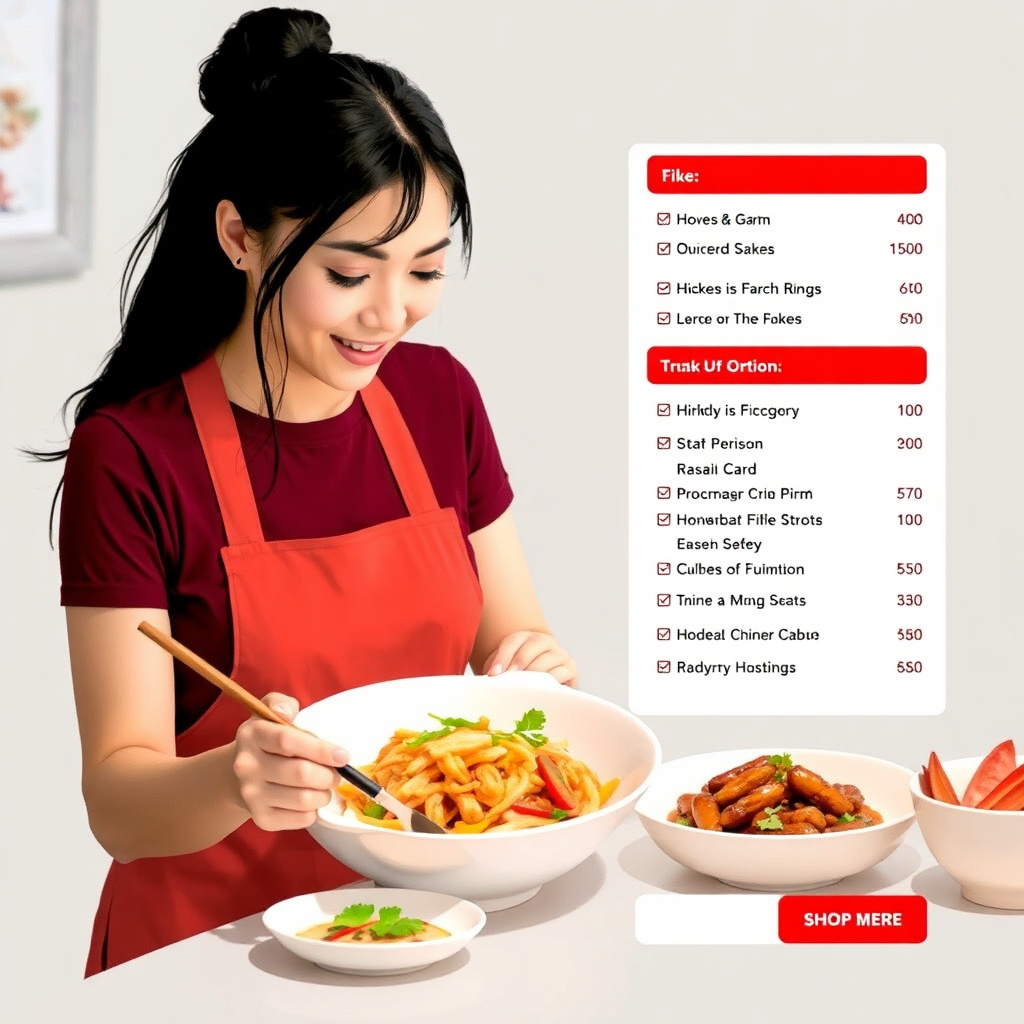
Always ask for sauces on the side to control how much carbs you consume. Request dishes without sugar or cornstarch in the sauce or preparation. Some restaurants offer keto-friendly soy sauce or coconut aminos as an alternative.
Substitute fried rice or noodles with a side of steamed vegetables or ask if cauliflower rice is available as a replacement. Explaining your dietary needs to the server can sometimes yield custom modifications.
- Sauce on the side
- No cornstarch or sugar in sauces
- Replace rice with steamed or stir-fried vegetables
- Request cauliflower rice if available
Identifying Hidden Carbs When Ordering
Be cautious with dishes described as "crispy" or "battered," which often indicate flour or cornstarch coating. Also, watch out for sweetened sauces even if the dish looks savory. Asking about ingredients is essential.
Check if the restaurant uses MSG mixed with sugar or filler ingredients, occasionally found in pre-packaged sauces. Using apps or websites that list nutritional info can also help guide ordering decisions.
- Avoid 'crispy' or breaded dishes
- Question any sweet or sticky sauces
- Avoid pre-packaged or bottled sauces if possible
- Use app info to check macros
Popular Chinese Dishes That Are Keto-Friendly
Classic Keto-Compatible Options
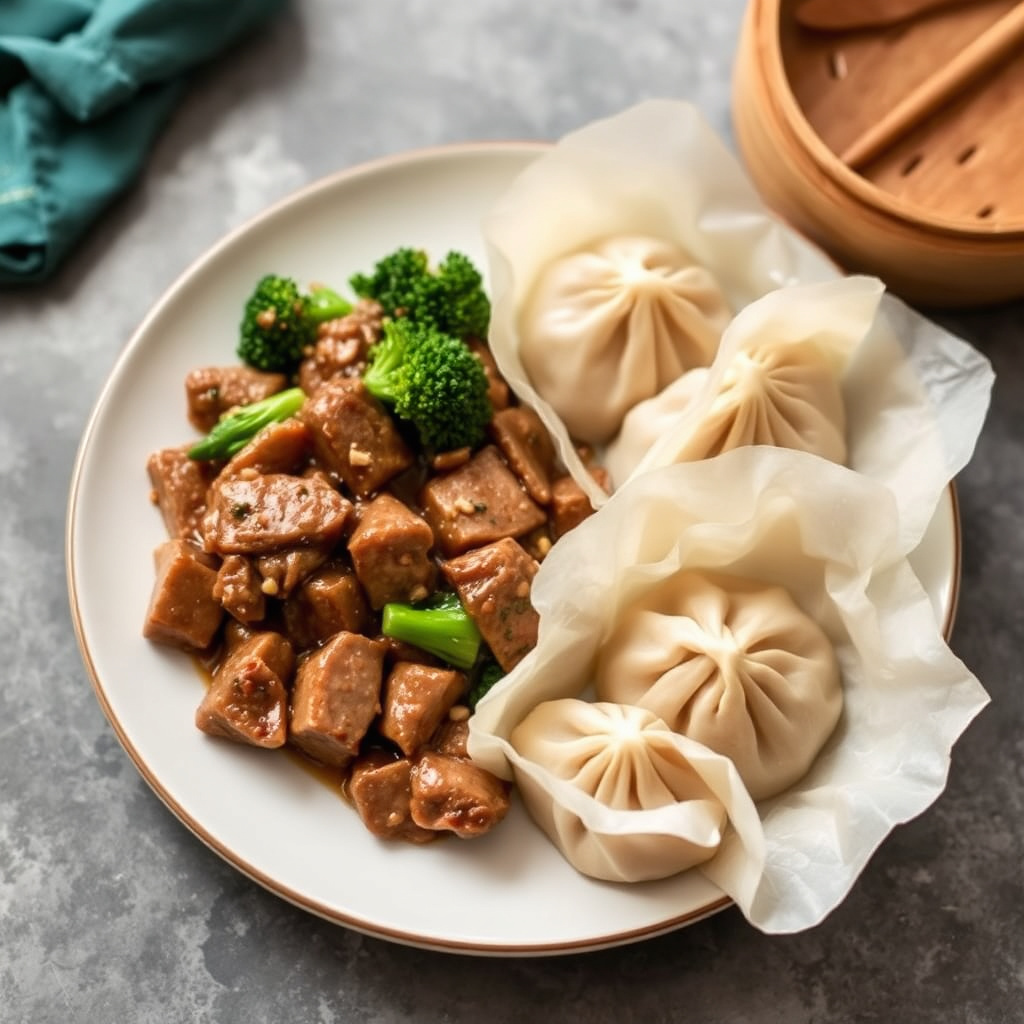
Beef and broccoli is a classic keto-friendly dish, particularly if sauce is light or on the side. Steamed fish with ginger, garlic chicken without batter or sugar, and sautéed shrimp with garlic and greens fit well.
Hot and sour soup without noodles or tofu skin, egg drop soup, and steamed dumplings made with non-wheat wrappers can sometimes be low-carb, but verify carbs per serving.
- Beef and broccoli
- Steamed fish with ginger
- Egg drop soup
- Garlic shrimp stir-fry
Dishes to Avoid on Keto
Avoid sweet and sour pork or chicken, orange chicken, General Tso’s chicken, and salt and pepper squid if battered. Fried rice, chow mein noodles, and dishes served with white rice also add excessive carbs.
Many dim sum options involve dough or sticky rice and are best skipped or limited. Steer clear of anything coated in batter or smothered in thick sugary sauces to stay in ketosis.
- Orange chicken
- Fried rice
- Chow mein noodles
- Sweet and sour dishes
Eating Chinese Food Keto at Restaurants or Takeout

Tips for Ordering Out
Call ahead to ask about ingredients or request modifications when ordering takeout. Many restaurants can accommodate keto requests like no sugar in sauces or substituting rice for extra vegetables.
Opt for dishes with simple preparations, such as steamed or grilled meats with veggies. Avoid buffet-style since it’s harder to determine carb content and control portions.
- Call ahead for ingredient info
- Request sauce on the side
- Choose simple, unbreaded proteins
- Skip buffets to control intake
For more detailed information on the ketogenic diet and how it works, you can visit the Ketogenic diet Wikipedia page. Ketogenic diet Wikipedia page.
Preparing Chinese Food Keto at Home
Making Chinese-inspired dishes at home allows total control over ingredients. Use coconut aminos or tamari instead of soy sauce with sugar, and swap rice or noodles with cauliflower rice or spiralized vegetables.
Recipes can be adapted by cooking meats fresh without batter, thickening sauces lightly with xanthan gum instead of cornstarch, and using keto-friendly sweeteners if needed.
- Use coconut aminos or tamari
- Cauliflower rice or spiralized veggies
- Xanthan gum as sauce thickener
- Keto-friendly sweeteners
Comparison of Chinese Food Categories for Keto
Here's how different popular Chinese food categories stack up in terms of carb content and keto compatibility.
| Category | Typical Carb Content per Serving | Keto Compatibility | Common Ingredients |
|---|---|---|---|
| Steamed dishes | 5-8 grams | High | Meat/seafood, non-starchy vegetables, light sauces |
| Stir-fried dishes | 8-12 grams | Moderate | Meat, vegetables, soy sauce, sometimes sugar or cornstarch |
| Fried dishes | 15-25 grams | Low | Battered meat, fried in oil, sugary sauces |
| Rice and noodle dishes | 30-50 grams | Not keto | White rice, chow mein, egg noodles |
| Dim sum and buns | 20-40 grams | Low | Dough, sticky rice, sugar fillings |
Frequently Asked Questions
Can I eat egg drop soup on keto?
Egg drop soup is generally keto-friendly if it contains no added cornstarch or sugary broth and is made with eggs, broth, and minimal additives.
Is soy sauce keto-safe with Chinese food?
Traditional soy sauce contains very few carbs and is usually keto-safe in small amounts, but choose low-sodium or tamari versions to avoid extra fillers.
Are all vegetables in Chinese dishes keto-friendly?
No, vegetables like bok choy, spinach, and mushrooms are good for keto, but corn, water chestnuts, and baby corn are higher in carbs and best avoided.
How can I avoid hidden sugars in Chinese meals?
Request sauces on the side, avoid sweet sauces like sweet and sour or teriyaki, and ask about sugar or cornstarch used in recipes when ordering.
Can I have fried rice on a keto diet?
Fried rice is typically high in carbs and not suitable for keto, but cauliflower rice is a popular low-carb alternative.
Key Takeaways
- Choose grilled or steamed meats with low-carb vegetables for keto-friendly Chinese meals.
- Avoid rice, noodles, and sugary sauces to keep carb intake low.
- Request sauces on the side and clarify ingredients to dodge hidden carbs.
- Homemade versions allow better control over carbs and ingredients.
Conclusion
Approaching Chinese food with keto in mind involves understanding which ingredients and cooking methods increase carbohydrate content. Staying mindful about sauces, avoiding breaded or battered items, and opting for steamed or grilled protein paired with low-carb vegetables form the foundation for eating Chinese cuisine while maintaining ketosis. This knowledge empowers you to enjoy flavorful meals without compromises.
For those seeking specific recommendations, dishes such as beef and broccoli with light or no sauce, steamed fish with ginger, and garlic shrimp with vegetables make excellent keto-friendly choices. Meanwhile, fried rice, chow mein noodles, and sweet and sour chicken are best avoided due to their heavy carbohydrate loads. Ordering modifications like sauce on the side or substituting rice with steamed vegetables further support keto adherence at restaurants.
If you prefer home cooking or takeout, focusing on customization is practical and rewarding. Experiment with keto-friendly ingredients like coconut aminos and cauliflower rice to recreate beloved Chinese flavors with minimal carbs. Taking these steps lets you savor Chinese food on keto confidently, balancing enjoyment with dietary goals.