What Is in Wonton Soup: Ingredients and Flavor Guide
Wonton soup is made from delicate dumplings called wontons filled with seasoned meat or seafood, typically pork or shrimp, and served in a clear, flavorful broth. The soup often also includes simple garnishes like green onions or bok choy to enhance its texture and aroma.
Understanding what is in wonton soup helps appreciate this staple of Chinese cuisine, where the balance of the filling and the broth creates a comforting and light dish enjoyed worldwide. The wontons’ silky wrappers and savory filling combined with the subtle broth make it popular in both restaurants and home kitchens.
This article will explore the main ingredients found in traditional wonton soup, from the wrappers to the fillings and the broth, and explain variations and cooking techniques. You'll gain insight into how each component contributes to the dish’s unique qualities.
Wonton Wrappers: The Base Shell

Ingredients and Texture of Wonton Wrappers
Wonton wrappers are thin sheets of dough made primarily from wheat flour, water, and sometimes egg. Their thinness allows them to become tender and slightly translucent when cooked, forming a delicate casing for the filling inside.
These wrappers need to hold the filling without breaking but should not be too thick to overpower the dumpling’s tender texture. Store-bought wonton wrappers are common, but homemade versions provide more control over thickness and texture.
Shaping and Sealing Techniques
Once filled, wontons are typically folded into a triangular or pouch shape and sealed with water or egg wash to ensure the filling stays enclosed during cooking. Proper sealing prevents leaks in the broth, which could dilute the soup’s flavor.
Different regional styles vary the folding method—some twist the ends or pleat the edges for decorative effect, adding to the presentation and occasional textural variation when cooked.
Filling Ingredients in Wonton Soup

Common Proteins and Flavorings
Wonton filling typically contains ground pork as the primary protein, though shrimp or a mix of both is also popular. These are combined with finely minced aromatics such as garlic, ginger, and green onions to build depth of flavor.
Soy sauce, sesame oil, and white pepper often season the mixture, which results in a savory, slightly sweet filling that complements the mild wrapper and broth.
- Ground pork
- Shrimp
- Garlic and ginger
- Soy sauce and sesame oil
Vegetarian and Alternative Fillings
Some variations use finely chopped mushrooms, tofu, or vegetables like napa cabbage for vegetarian wontons. These use the same basic seasonings for flavor but substitute meat with plant-based proteins to maintain texture and taste.
Alternative fillings might include minced chicken or even seafood blends to cater to different tastes while staying within the traditional wonton soup style.
The Broth: Flavor and Composition
Traditional Broth Ingredients
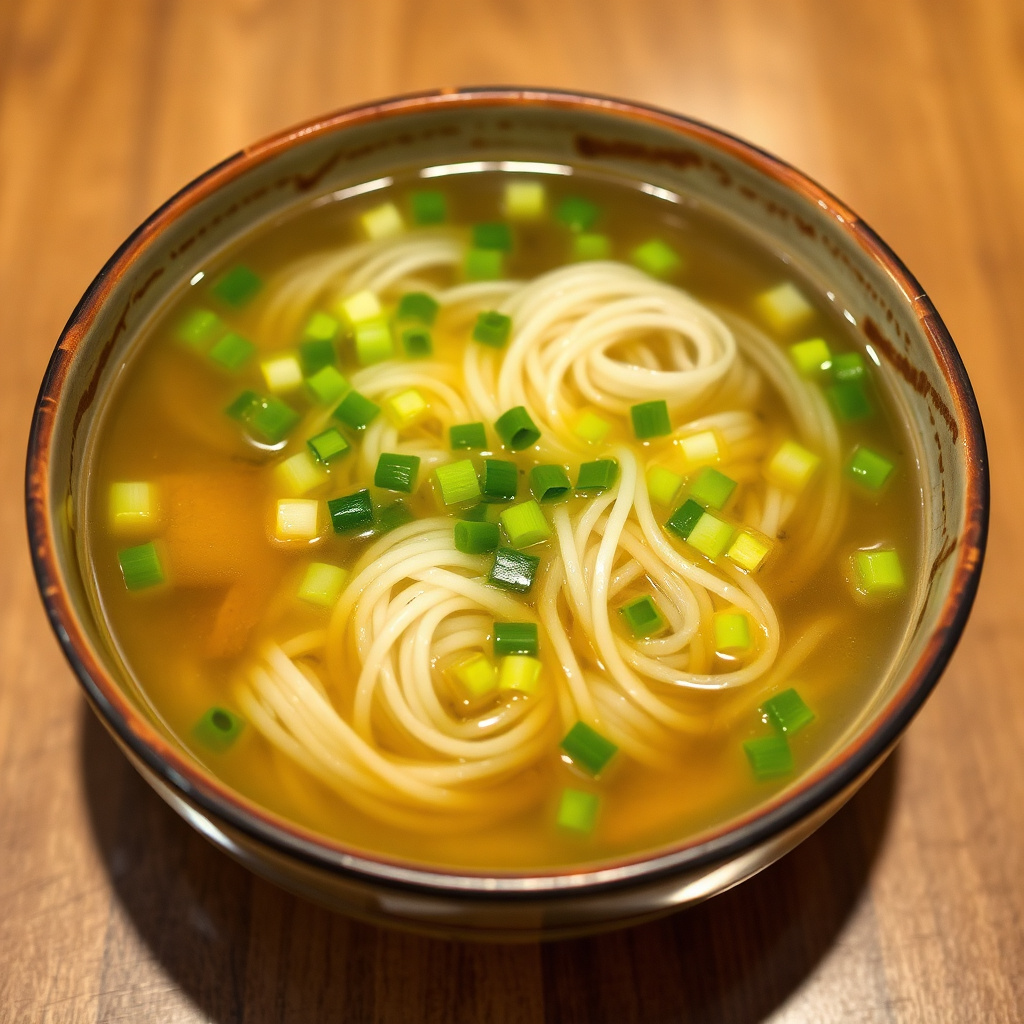
Wonton soup broth is typically a clear stock made from simmered chicken bones or pork bones, sometimes enhanced with dried shrimp or shiitake mushrooms for umami depth. The gentle simmering extracts rich flavors without clouding the broth.
Seasonings commonly include a small amount of soy sauce, ginger slices, and white pepper, producing a clean, comforting liquid that complements rather than competes with the wontons.
For more on this, see our related guide: What Is Wonton Soup? A Complete Guide to This Classic Chinese Dish.
Broth Variations Across Regions
In some areas, wonton soup broth may be slightly sweeter or spiced with star anise or cinnamon, reflecting local tastes. Cantonese-style broth is renowned for its clarity and delicate balance, whereas other versions might be richer and darker.
Vegetarian broths often substitute meat stocks with kombu or vegetable stock to create a lighter but still flavorful base suitable for vegetable or tofu-filled wontons.
Garnishes and Additional Ingredients

Common Garnishes and Vegetables
Typical garnishes include thinly sliced green onions, fresh cilantro, and sometimes water chestnuts or bamboo shoots for crunch. Adding leafy greens such as baby bok choy or spinach introduces color, texture, and nutrients.
These additional ingredients balance the soft wontons with light freshness and slight bitterness, enhancing the soup’s overall appeal.
- Green onions
- Cilantro
- Baby bok choy
- Water chestnuts
Noodles and Other Enhancements
Some recipes add thin egg noodles or rice noodles to make wonton noodle soup, a more filling dish. This inclusion broadens the meal’s texture and makes it a one-bowl option.
Chilies or chili oil are sometimes offered on the side for those who want a touch of heat without overpowering the traditional flavors.
Cooking Techniques for Wontons and Soup

Boiling and Simmering Methods
Wontons are usually gently boiled or simmered in water or directly in the broth until they float, signaling they are cooked through. Overcooking can cause wrappers to tear or become chewy.
The broth should be hot but not rapidly boiling during cooking to avoid breaking apart the wontons and to maintain clarity and flavor.
For more on this, see our related guide: What is Bok Choy? A Complete Guide to This Popular Asian Vegetable.
Assembly and Serving Tips
After cooking, wontons are ladled into individual bowls and the broth poured over. Garnishes are added last to preserve freshness and appearance.
Serving the soup immediately is ideal because the wontons soften over time if left in hot broth, affecting their tenderness.
Health Aspects and Dietary Variations

Nutritional Content of Wonton Soup
Wonton soup generally offers moderate calories with protein from the meat filling and some carbohydrates from the wrappers. The broth is low in fat but can contain sodium depending on seasoning added.
Including vegetables increases fiber and vitamins, making it a balanced choice suitable for light meals or starters.
For additional details and historical background on this dish, you can visit the wonton soup Wikipedia page. Wonton soup Wikipedia page.
Allergen and Dietary Considerations
Wonton wrappers contain gluten, making the traditional soup unsuitable for gluten-free diets unless specialty wrappers are used. Shellfish fillings also pose allergy risks.
Vegetarian or vegan versions can be made by substituting fillings and broth, accommodating a wider range of dietary needs.
Wonton Soup Variations Category Comparison
This table compares different wonton soup variations by broth type, filling, and typical serving style to help identify the best fit for your preferences.
| Variation | Broth Type | Common Filling | Typical Additions |
|---|---|---|---|
| Cantonese Style | Clear chicken broth | Pork and shrimp | Green onions, bok choy |
| Szechuan Style | Spicy chili broth | Pork with chili paste | Chilies, vinegar |
| Vegetarian | Vegetable or kombu broth | Mushrooms or tofu | Napa cabbage, carrots |
| Wonton Noodle Soup | Clear broth with noodles | Pork and shrimp | Egg noodles, green onions |
| Shanghai Style | Rich pork broth | Pork and crab | Bok choy, soy sauce |
Frequently Asked Questions
What meat is commonly used in wonton soup?
Ground pork is the most common meat used in wonton soup fillings, often combined with shrimp for added texture and flavor.
Are wonton wrappers gluten-free?
Traditional wonton wrappers contain wheat flour and are not gluten-free, but specialized gluten-free wrappers are available for those with dietary needs.
Can wonton soup be made vegetarian?
Yes, by using vegetable broth and replacing meat fillings with mushrooms, tofu, or vegetables, you can create a flavorful vegetarian wonton soup.
How do I know when wontons are cooked?
Wontons are cooked when they float to the top of simmering water or broth and the wrappers appear translucent and tender.
What vegetables can be added to wonton soup?
Common vegetables include baby bok choy, green onions, napa cabbage, and water chestnuts for texture and color.
Key Takeaways
- Wonton soup includes thin wheat wrappers filled mainly with pork or shrimp.
- The broth is a clear, mild stock often flavored with chicken bones and spices.
- Garnishes and vegetables like green onions and bok choy enhance texture and flavor.
- Variations exist for dietary needs and regional taste preferences.
Conclusion
When figuring out what is in wonton soup, it's clear that the dish is a harmonious blend of textures and flavors, centered on delicate dumplings and a flavorful broth. Taking into account the wrapper quality, the choice of filling, and the broth’s clarity allows anyone to appreciate or recreate this classic dish thoughtfully. Knowing the components helps identify subtle variations and the craftsmanship behind this iconic soup, which balances tenderness, savory meatiness, and subtle aromatic notes.
If you want to experience wonton soup with traditional characteristics, opt for the Cantonese style featuring pork and shrimp fillings in a light chicken broth, complemented by green onions and bok choy. For those who prefer a more robust or spicy experience, Szechuan-style whets the palate with chili and vinegar. Vegetarians can enjoy mushroom or tofu-filled wontons in a clear vegetable broth. Beginners are encouraged to try store-bought wrappers and a straightforward broth to start before experimenting with homemade options and different fillings.
The next step for anyone interested in wonton soup is to gather fresh ingredients and try crafting it at home or explore different restaurant versions to identify personal preferences. Watching the balance of wrapper thickness, filling seasoning, and broth flavor will deepen your appreciation for what is in wonton soup and make every bowl more satisfying.