How Many Calories Are in a Sushi Roll? A Detailed Guide
The calorie content in a sushi roll varies widely depending on its ingredients, size, and preparation style. On average, a simple sushi roll like a cucumber or avocado roll contains about 150-200 calories per roll, while rolls with added fish, sauces, and fried components can surpass 400 calories. Knowing the specific calories in your sushi roll helps maintain balanced nutrition, especially if you're mindful of your daily intake.
Understanding sushi roll calories matters because sushi is often perceived as a light, healthy option, but some varieties can be surprisingly calorie-dense. Rolls that include mayonnaise-based sauces, tempura frying, or cream cheese add significant calories that many people do not expect. Awareness of these details contributes to better eating decisions whether dining out or preparing sushi at home.
This article explores the factors influencing sushi roll calorie counts, breaks down calories by common roll types, examines the impact of ingredients and portion sizes, compares popular sushi rolls, and offers practical tips for enjoying sushi without excess calories.
Factors Influencing How Many Calories Are in a Sushi Roll

The Role of Ingredients
Ingredients are the main drivers of calorie variation in sushi rolls. Basic fillings like cucumber, avocado, or crab stick contribute fewer calories, whereas fatty fish like salmon or tuna increase the calorie count. Additional components such as cream cheese or tempura batter considerably add calories through fat and carbohydrates.
Sauces and toppings also affect caloric content. Spicy mayo, eel sauce, and other dressings are dense in calories and sugar, adding hundreds of calories per serving if used generously.
- Fish type affects protein and fat content
- Vegetables contribute fiber and minimal calories
- Cream cheese and tempura add fats and carbs
- Sauces can double a roll’s calories
Portion Size and Rice Quantity
The amount of rice used in a sushi roll significantly influences calorie content since rice is high in carbohydrates. Typical sushi rolls contain about half a cup of cooked sushi rice, equating to roughly 100-150 calories from rice alone.
Larger rolls or specialty rolls with extra rice or additional layers increase calorie totals. Different sushi restaurants may have varying roll sizes, so calorie estimates can fluctuate accordingly.
Calorie Estimates for Popular Sushi Roll Types

Simple Vegetable and Fish Rolls
Basic rolls like cucumber, avocado, or tuna rolls typically contain between 140 and 220 calories. These rolls prioritize fresh ingredients with minimal added fat or sauces, making them lighter options.
For example, a cucumber roll averages around 140 calories, while a salmon roll ranges near 180-220 calories depending on fish portion size.
- Cucumber roll: ~140 calories
- Avocado roll: ~190 calories
- Tuna roll: ~180 calories
- Salmon roll: ~200 calories
For more on this, see our related guide: How Many Carbs Are in Fried Rice? A Detailed Carb Content Guide.
Specialty and Tempura Rolls
Specialty rolls often include fried components, cream cheese, spicy mayo, or eel sauce, significantly increasing calories. Tempura shrimp rolls or California rolls with mayo-based sauces can contain 300-450 calories or more per roll.
These rolls tend to combine crispy textures and rich flavors but should be eaten mindfully if calorie intake is a concern.
- Tempura shrimp roll: 350-450 calories
- California roll: 250-350 calories
- Spicy tuna roll: 300-400 calories
How Sushi Roll Nutritional Information Helps Manage Calorie Intake
Reading Nutrition Labels and Menus
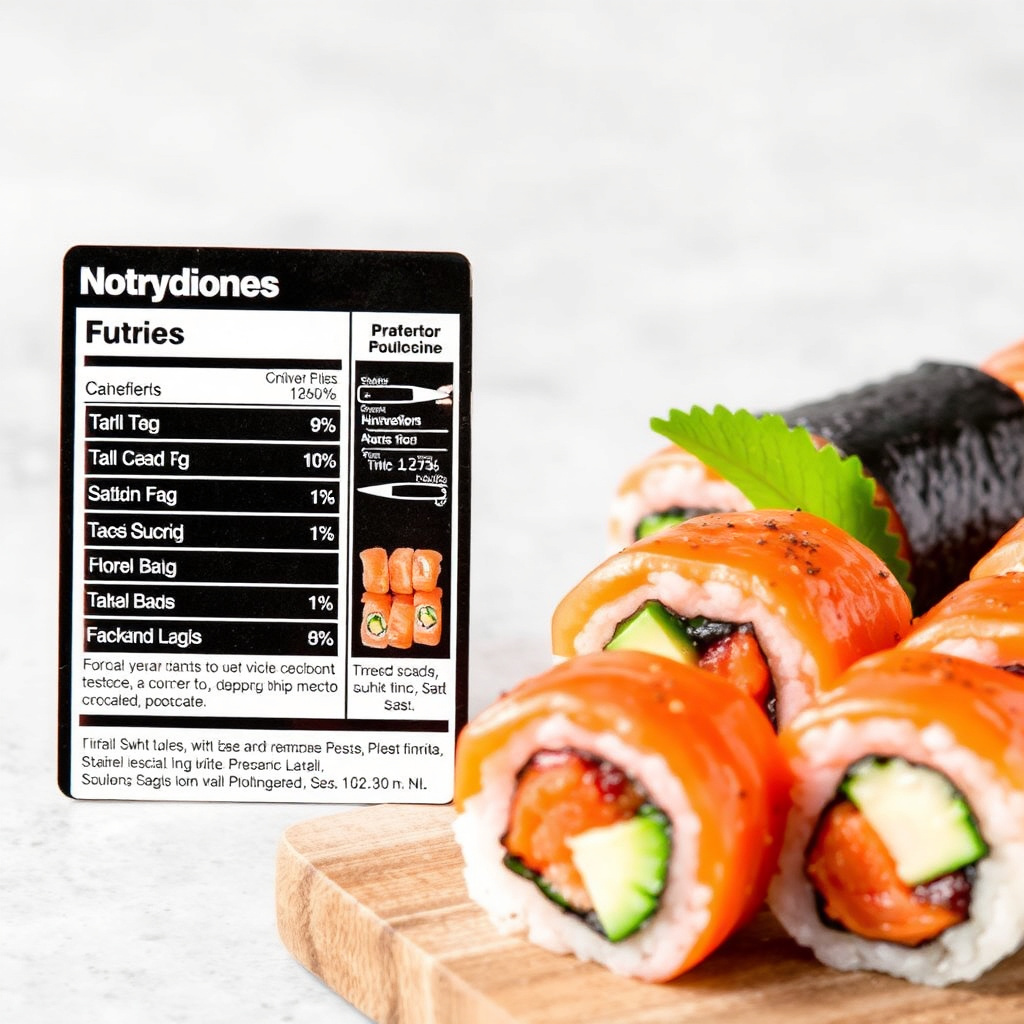
Many sushi restaurants and brands now provide detailed nutrition facts including calorie counts. Reviewing these details helps you select rolls that fit your energy goals and dietary needs.
Pay attention to serving sizes described on menus or labels because calorie counts often reflect the entire roll, but portion sizes can vary.
- Look for carbohydrate and fat content
- Note if calories include sauces or toppings
- Compare options side-by-side
Using Nutrition Apps for Tracking
Mobile apps can estimate calories for homemade or restaurant sushi rolls by inputting ingredient amounts. This technique supports accurate calorie monitoring, especially when menu information is unavailable.
Tracking sushi roll nutritional information digitally can reveal hidden calories from extras like soy sauce or pickled ginger.
Comparing Sushi Rolls to Other Common Foods
Sushi Rolls vs Sandwiches and Wraps
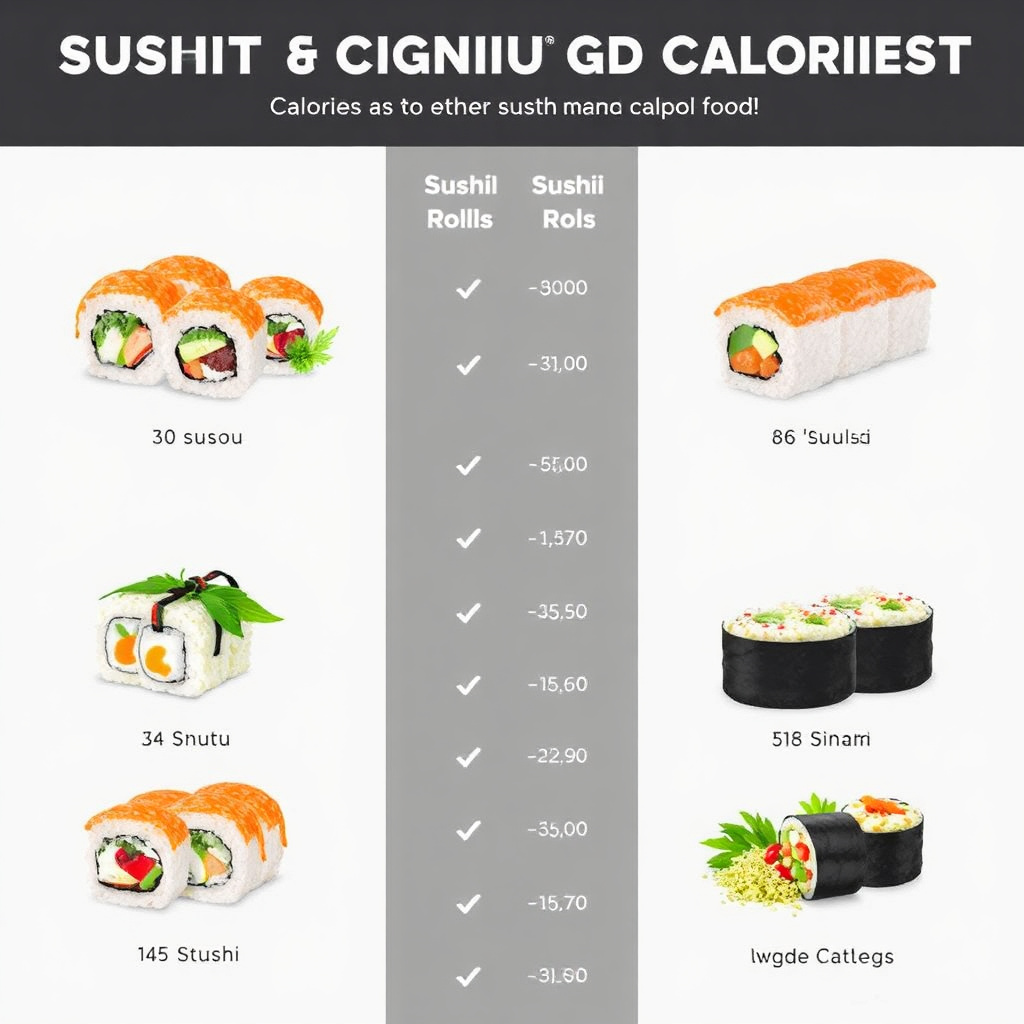
Compared with sandwiches or wraps, many sushi rolls are lower in calories primarily due to rice replacing bread and abundant vegetables. However, some specialty rolls can rival the calories of fast food sandwiches once sauces and fried elements are included.
Choosing simpler rolls over heavily dressed options aligns better with a low-calorie diet.
For more on this, see our related guide: How Many Carbs Are in Sushi? A Detailed Carb Breakdown.
Sushi Rolls vs Other Asian Foods
Sushi rolls generally have fewer calories than fried rice or noodle dishes. Meals like tempura or teriyaki can contain higher fats and sugars, making sushi a lighter alternative, but careful selection is necessary to avoid high-calorie rolls.
Vegetable-based sushi rolls provide a balance of fiber and modest calories unmatched by many heavily sauced Asian entrées.
Tips for Enjoying Sushi Rolls Without Excess Calories
Prioritize Simple Ingredients
Selecting rolls with lean proteins and fresh vegetables avoids extra fats and sugars. Opt for options without fried tempura, creamy sauces, or cream cheese to keep calories down.
Common choices like sashimi or nigiri can complement simple rolls, providing protein without added carbs or fats.
- Choose cucumber, avocado, or tuna rolls
- Avoid tempura and mayo-based sauces
- Add sashimi or nigiri for protein
For more detailed nutritional information on sushi, the Wikipedia article on sushi provides an informative overview. Sushi nutrition facts.
Control Portion Sizes and Extras
Eating half rolls or sharing larger rolls reduces calorie intake. Limit dipping sauces, soy sauce use, and avoid calorie-dense side dishes like fried gyoza or heavy salads.
Mindful eating practices help balance enjoyment with nutritional goals.
- Split rolls to reduce portions
- Use low-sodium soy sauce sparingly
- Skip fried or sauce-heavy sides
Sushi Roll Category Calorie Comparison
The table below compares calorie values of several popular sushi roll categories to highlight their differences.
| Sushi Roll Category | Typical Calories per Roll | Main Calorie Contributors |
|---|---|---|
| Vegetable Rolls | 140-190 | Rice, avocado, cucumber |
| Simple Fish Rolls | 170-220 | Rice, lean fish like tuna or salmon |
| California Rolls | 250-350 | Rice, crab, avocado, mayo sauce |
| Tempura Rolls | 350-450 | Fried shrimp, tempura batter, sauces |
| Spicy Rolls | 300-400 | Fish with spicy mayo, rice |
Frequently Asked Questions
Does soy sauce add many calories to sushi rolls?
Soy sauce contains very few calories, usually around 10 per tablespoon, so it adds negligible calories to sushi rolls.
Are all sushi rolls high in calories?
No, many simple sushi rolls like cucumber or tuna rolls are relatively low in calories, typically under 220 per roll.
How does tempura affect the calorie content of sushi?
Tempura batter is fried and adds significant calories, often increasing a roll's total calories by 100 or more.
Is sashimi a lower-calorie alternative to sushi rolls?
Yes, sashimi is just slices of raw fish without rice or sauces, generally far lower in calories than sushi rolls.
Can rice-free sushi rolls help reduce calorie intake?
Rice-free options like sashimi or rolls wrapped in cucumber instead of rice can substantially reduce calories in sushi dishes.
Key Takeaways
- Calorie counts vary widely based on sushi roll ingredients and preparation.
- Simple rolls with lean fish or vegetables have lower calories than specialty rolls with sauces or tempura.
- Rice quantity and sauces are major contributors to sushi roll calories.
- Mindful selection and portion control help enjoy sushi without excess calories.
Conclusion
Deciding how many calories are in a sushi roll involves understanding the ingredients used and how much rice and sauce accompany each roll. Simple rolls focusing on fresh fish and vegetables contain fewer calories, while specialty rolls with fried or creamy additions increase energy intake considerably. This knowledge empowers a balanced approach to enjoying sushi within your dietary targets.
For those prioritizing calorie control, sticking to vegetable rolls, sashimi, or simple fish rolls like tuna or salmon is advisable, as they tend to contain between 140 and 220 calories. Specialty rolls such as tempura and spicy mayo varieties should be occasional treats due to their higher calorie counts ranging from 300 to 450. Adjusting portion sizes and limiting high-calorie sauces can further help maintain a reasonable calorie intake while still savoring a variety of flavors.
Ultimately, your choice depends on your nutritional goals and preferences. Using sushi roll nutritional information, whether from restaurant menus or reputable nutrition apps, can guide you to selections that satisfy both your palate and calorie limits. If you’re dining out, try ordering half rolls or sharing larger rolls to better manage your intake. This practical approach supports a sustainable enjoyment of sushi as part of a balanced diet.


