How Many Pieces Are in a Sushi Roll? A Clear Guide to Sushi Portions
A standard sushi roll typically contains six to eight individual pieces. This number can fluctuate based on the sushi roll style, the chef’s creativity, and the establishment’s serving preferences. A maki roll, which is the most common sushi roll type, is usually sliced into six to eight bite-sized portions for easy eating.
Understanding how many pieces are in a sushi roll helps you better plan your meal, whether dining out or preparing sushi at home. It also affects ordering decisions, especially if you want to share or balance your intake. Different types of rolls, such as futomaki or hosomaki, may have more or fewer pieces depending on their size and ingredients.
This article explores the typical sushi roll piece counts, variations in serving sizes across different roll types, cultural factors influencing piece sizes, and tips for choosing how many rolls to order. You will come away with a solid grasp of sushi portions to enhance your dining experience.
Understanding Typical Sushi Roll Piece Counts

Standard Maki Rolls and Their Pieces
Standard maki rolls generally have six to eight pieces, cut to accommodate comfortable bites. The roll includes vinegared rice, nori seaweed, and fillings such as fish or vegetables. The six to eight piece standard serves as a familiar expectation in many sushi restaurants worldwide.
The size of each piece is designed to be bite-sized, allowing diners to enjoy a balance of flavors with every piece. Portions larger than eight pieces become unwieldy and harder to eat, while fewer pieces can leave diners feeling unsatisfied.
Variations in Piece Counts by Roll Type
Futomaki rolls, which are thicker and more filled, tend to have fewer pieces, often around six, because each slice is larger. Hosomaki rolls, which are thin and simple, may have eight or even ten pieces as each slice is smaller.
Specialty rolls or elaborate creations can vary significantly. Some cater to sharing with twelve pieces in oversized rolls, while others, like hand rolls, are served as single, large cone-shaped servings without slicing.
Factors Influencing Sushi Roll Serving Sizes
Cultural Differences in Sushi Portions
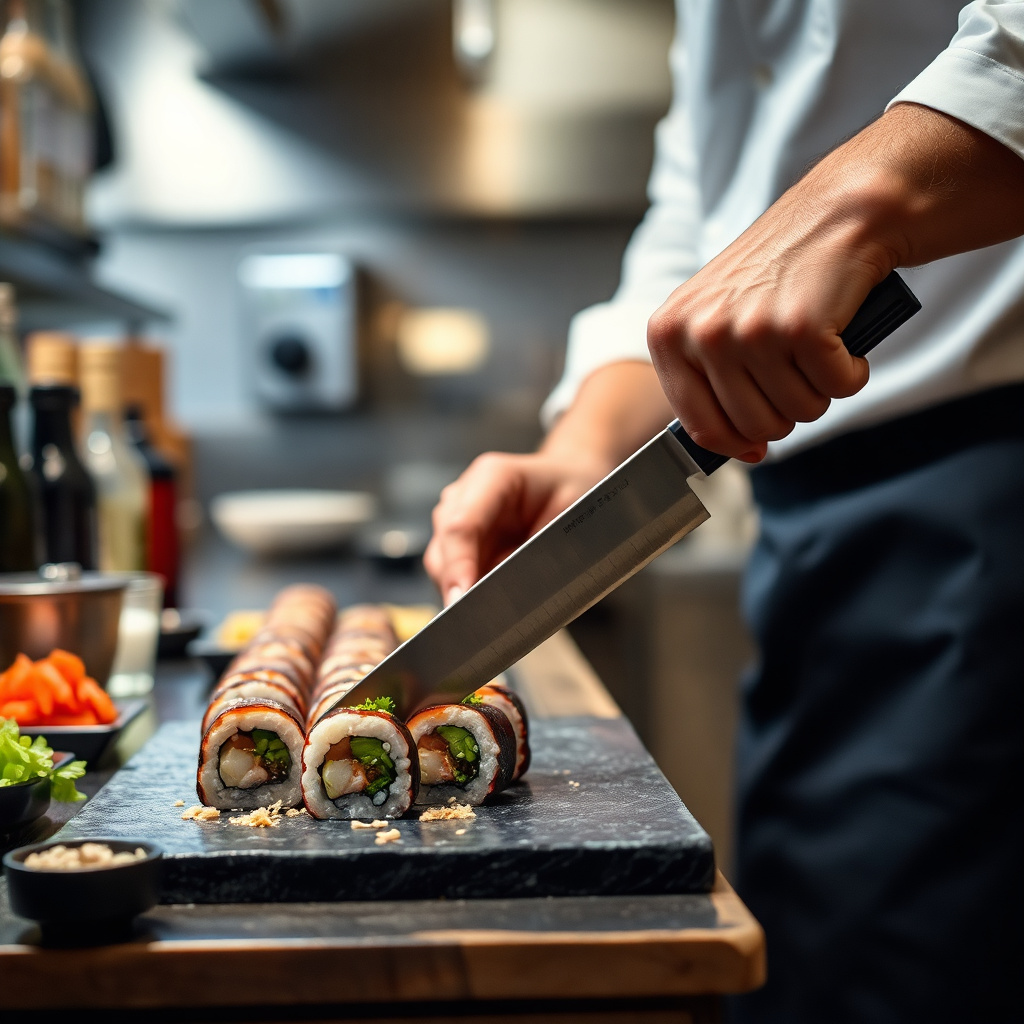
Japanese sushi traditions favor moderate piece counts tailored to delicate flavors and presentation. Six to eight pieces are normal and align with traditional dining etiquette. In contrast, Western sushi restaurants sometimes offer larger rolls cut into more pieces to suit bigger appetites.
Seasonal ingredients and regional sushi styles also impact serving sizes. Regional specialties might have uncommon portion counts reflecting local eating customs or ingredient availability.
Presentation and Eating Experience
Sushi chefs consider visual appeal and ease of eating when deciding how many pieces to cut a roll into. Evenly sized pieces ensure consistent taste and an attractive plate display. Chefs also factor in how well pieces hold together when picked up with chopsticks.
The dining environment influences piece size. Casual settings might favor larger pieces for heartier servings, whereas refined sushi bars prioritize precision and balance with smaller pieces.
How Sushi Roll Serving Size Affects Ordering
Estimating Number of Rolls from Piece Counts
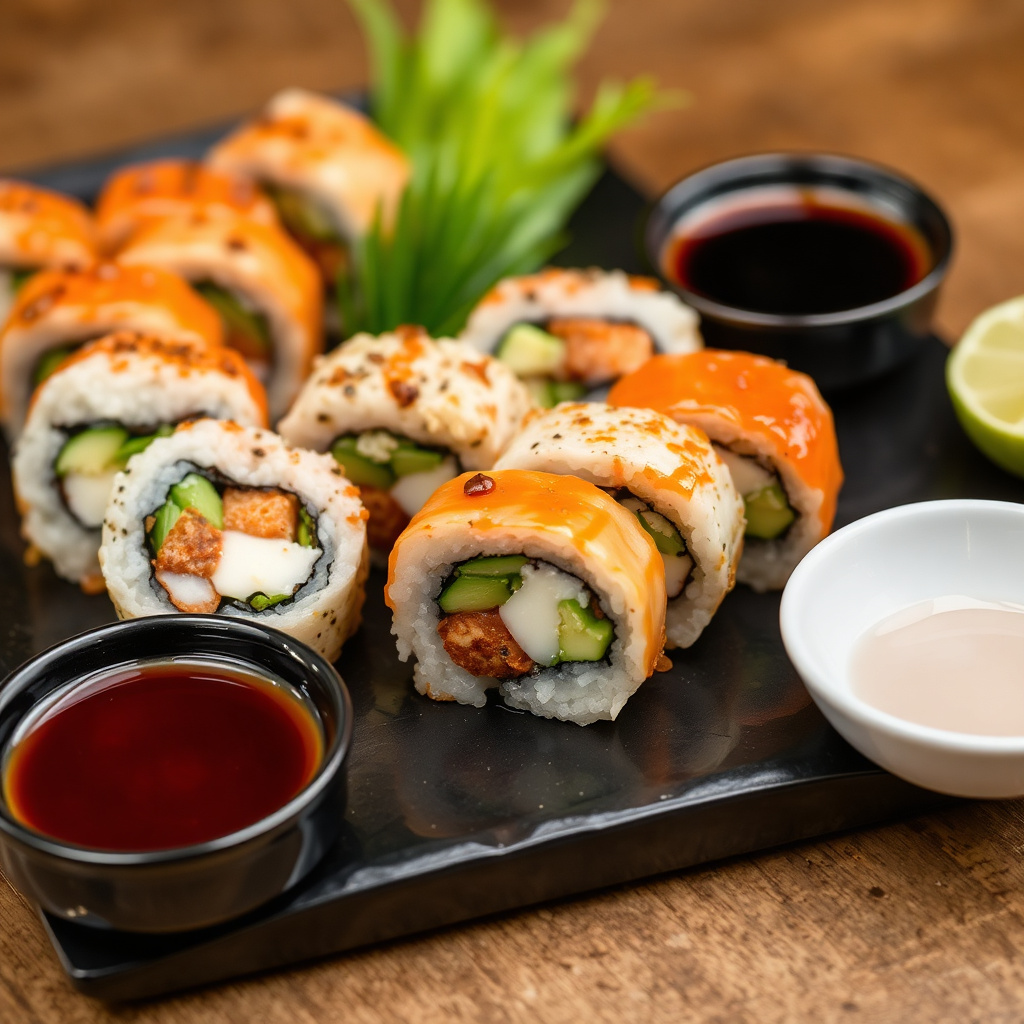
Knowing the number of pieces in a sushi roll helps you estimate how much to order for your group or meal. For example, a party of four might order two rolls each, resulting in 12-16 pieces depending on the roll’s slice count. This knowledge avoids over-ordering or leaving hungry.
For individual meals, understanding portion size helps balance your meal alongside side dishes like miso soup or salad, ensuring you feel satisfied without waste.
For more on this, see our related guide: How Many Carbs Are in Sushi? A Detailed Carb Breakdown.
Sushi Roll Serving Size and Nutrition
The serving size of sushi rolls influences nutritional intake, including calories, protein, and carbohydrates. Larger rolls with more pieces typically include more rice and fillings, increasing calorie counts.
Health-conscious diners might select thin hosomaki rolls with smaller pieces to moderate portion size or opt for rolls with vegetables to reduce calorie density.
Sushi Roll Types and Their Typical Slice Counts
Futomaki and Hosomaki Roll Characteristics
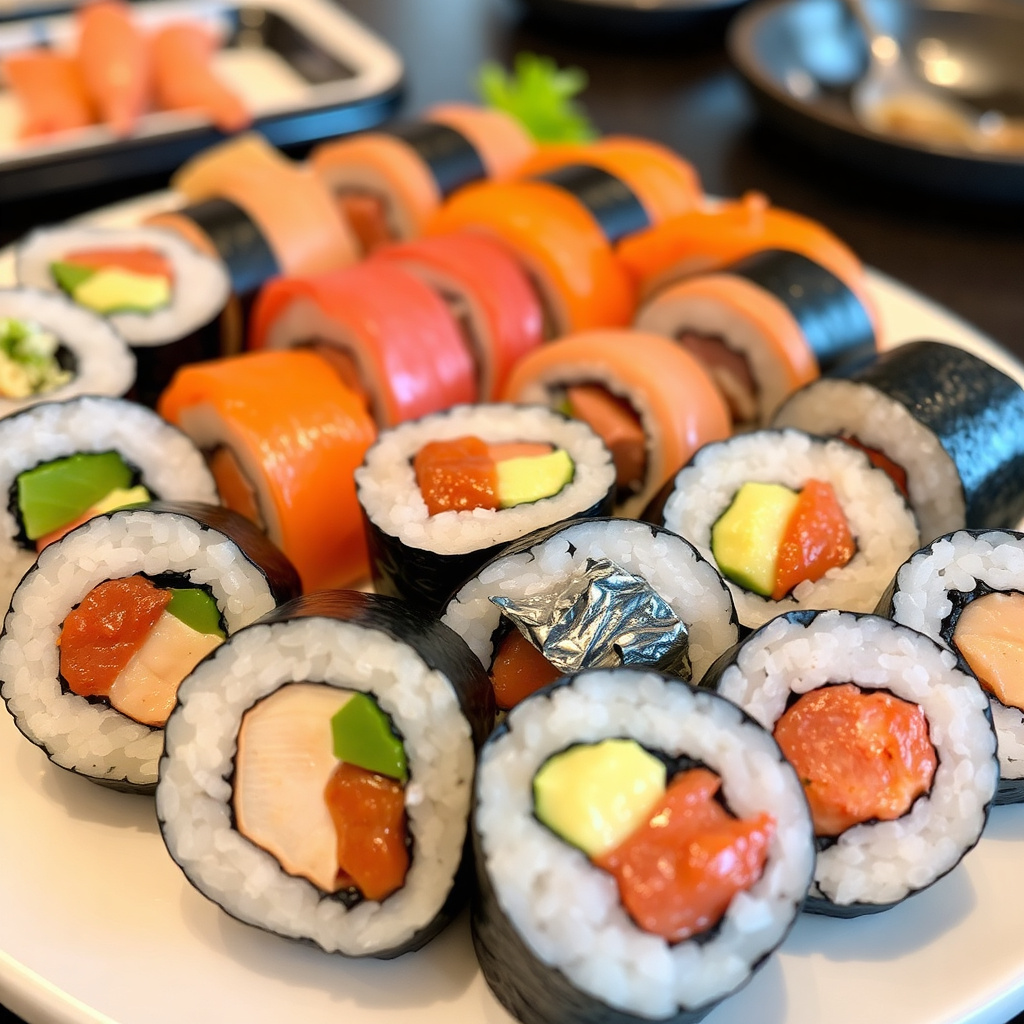
Futomaki rolls are thick with several ingredients and generally yield six to seven pieces due to their size, perfect for more substantial bites. Hosomaki rolls are slender and minimalist, resulting in about eight to ten smaller pieces per roll.
Choosing between these depends on your appetite and preference for flavor intensity versus quantity. Futomaki delivers complex tastes with fewer pieces, while hosomaki offers a longer sushi experience with more pieces.
- Futomaki: 6-7 pieces per roll
- Hosomaki: 8-10 pieces per roll
Uramaki and Specialty Rolls
Uramaki rolls, or inside-out rolls, typically contain six to eight pieces. Their unique preparation and fillings make portion sizing comparable to standard rolls but allow for creative presentation and flavors.
Specialty rolls can range from six to twelve pieces depending on ingredient density and concept. Sharing these rolls is common due to their size and number of pieces.
Tips for Cutting and Serving Sushi Rolls at Home
Knife and Cutting Technique
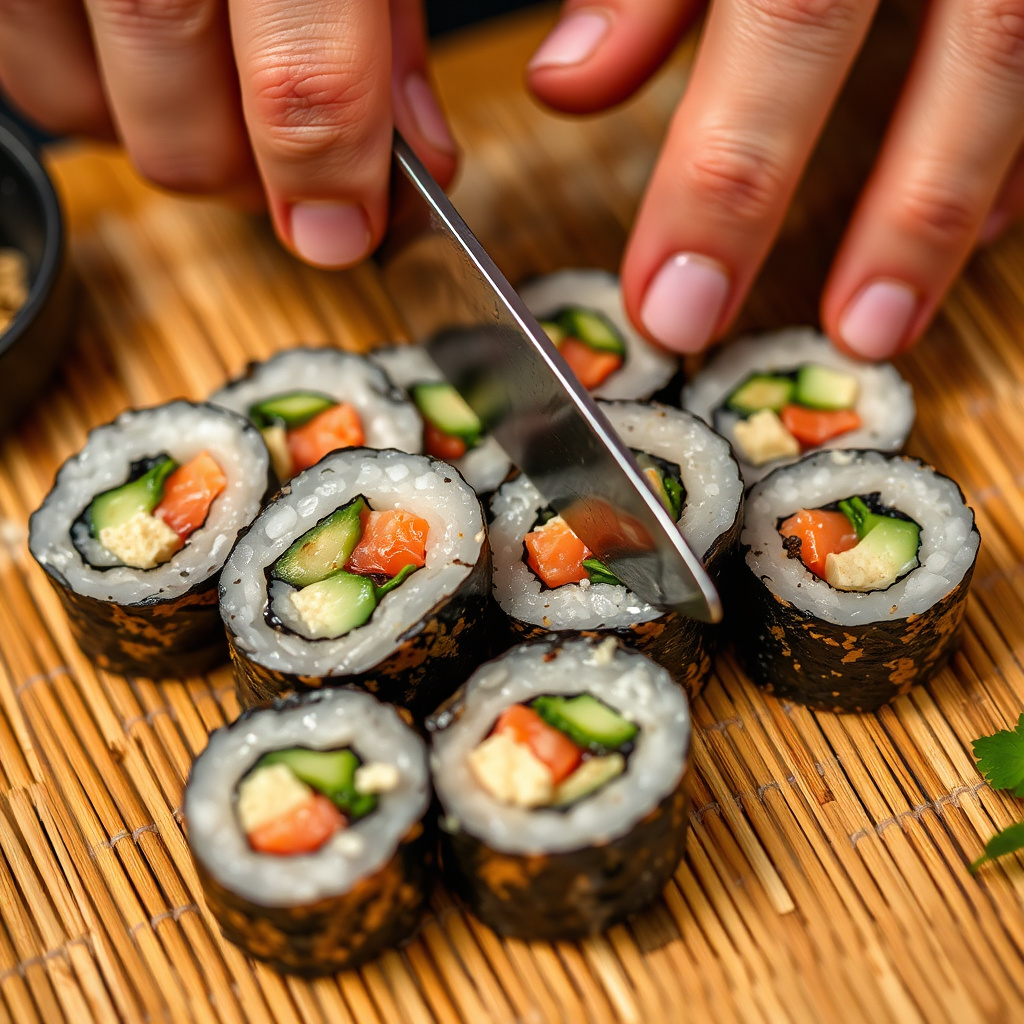
Using a sharp, non-serrated knife is essential for clean sushi slices to avoid crushing rolls. Cutting in a single smooth motion prevents tearing the nori or rice from falling apart.
Wetting the knife blade lightly before slicing helps the knife glide through sticky rice more easily, yielding neat, uniform pieces that enhance presentation and ease of eating.
For more on this, see our related guide: How Many Calories Are in Sushi Rice? A Detailed Guide.
Determining How Many Pieces to Cut
For typical sushi rolls, cutting into six to eight pieces is recommended, matching restaurant standards. If you prefer smaller or larger sushi bites, adjust slice counts accordingly keeping in mind ease of eating.
When preparing sushi for guests, consider appetite and number of rolls to ensure everyone gets enough pieces while maintaining visual appeal.
Cultural Insights Into Sushi Piece Sizes

Traditional Japanese Sushi Serving Sizes
Traditional Japanese sushi emphasizes balance and presentation, and six to eight pieces per roll fit into this philosophy. The piece size allows diners to savor texture and flavor element harmony without overwhelming one bite.
Sushi dining in Japan often involves different portion sizes depending on the type of sushi, with nigiri served as individual pieces and rolls sliced to traditional counts.
For a broader understanding of sushi, including history and varieties, see Sushi on Wikipedia. Sushi – Wikipedia.
Western Adaptations and Portion Changes
In Western countries, sushi portion sizes have adapted to local preferences with larger rolls and more pieces per roll becoming common. These changes reflect appetite differences and a fusion of sushi with other cuisines.
Many Western sushi bars include specialty and oversized rolls exceeding typical six to eight piece counts to provide variety and value.
Sushi Roll Types and Typical Piece Counts Comparison
This table compares common sushi roll types and their usual number of pieces, helping you understand serving sizes at a glance.
| Sushi Roll Type | Typical Pieces per Roll | Average Piece Size | Common Ingredients |
|---|---|---|---|
| Maki | 6-8 | Medium bite-sized | Rice, nori, fish/vegetables |
| Futomaki | 6-7 | Large thick slices | Rice, multiple fillings, vegetables, omelette |
| Hosomaki | 8-10 | Small thin slices | Rice, nori, single filling |
| Uramaki | 6-8 | Medium bite-sized | Rice (outside), fish, avocado, cucumber |
| Specialty Rolls | 6-12 | Varies widely | Varied, often multiple fillings and sauces |
Frequently Asked Questions
Why do sushi rolls usually have six to eight pieces?
Most sushi rolls are cut into six to eight pieces because this size is a comfortable bite and maintains structural integrity. It balances ease of eating with presentation and portion control.
Are there sushi rolls with fewer or more pieces?
Yes, thick futomaki rolls may have six or fewer larger pieces, while thin hosomaki can have eight to ten smaller slices. Specialty rolls sometimes have up to twelve pieces.
Do all sushi restaurants serve the same number of pieces per roll?
No, piece counts vary by restaurant style, region, and type of sushi. Traditional Japanese sushi often has six to eight, while some Western-style places offer different counts to suit local preferences.
How does the number of pieces in a roll affect the meal's nutrition?
More pieces usually mean a larger portion size, increasing calorie and carbohydrate intake, mainly due to rice. Choosing thinner rolls with more pieces or vegetable fillings can moderate nutrition.
Can I cut sushi rolls into more pieces at home?
Yes, you can slice sushi rolls into as many or few pieces as you like, but six to eight pieces are standard to keep sizes manageable and maintain roll integrity.
Key Takeaways
- Most sushi rolls contain six to eight pieces for optimal bite size and presentation.
- Roll size and type affect the number of pieces, with futomaki having fewer, larger pieces.
- Cultural differences influence sushi roll slicing and portion sizes.
- Understanding piece counts helps when ordering or making sushi at home.
Conclusion
Selecting the proper portion size of sushi involves balancing tradition, appetite, and dining context. Knowing that the typical sushi roll contains six to eight pieces gives a foundation for understanding sushi servings. This piece count preserves the ideal bite size for flavor enjoyment while supporting attractive presentation and practical eating. Variations exist among roll types like futomaki, hosomaki, and specialty rolls, reflecting culinary creativity and cultural nuances.
When ordering sushi, consider the number of pieces per roll so you can estimate how much to order for yourself or a group comfortably. Futomaki rolls provide richer, larger bites with about six pieces, while hosomaki offer more pieces that are smaller. For sharing or larger appetites, specialty rolls that can have up to twelve pieces may be suitable. At home, slicing sushi rolls into six to eight pieces is a good rule of thumb, but adjustments based on preference and host guests’ needs are practical.
If you're new to sushi or preparing it yourself, start with the standard six to eight piece serving size per roll to get a feel for the typical portion balance. Experiment with different roll types to find what best matches your taste and appetite. Knowing the expected piece counts improves your sushi dining and preparation experience, ensuring satisfaction with every meal.





One Comment