What Is Sushi Grade Fish? Understanding Quality Standards for Safe Raw Consumption
Sushi grade fish refers to seafood that meets specific freshness, handling, and freezing standards to be safely eaten raw. This designation is not regulated by a single authority but generally implies the fish is of the highest quality and free from parasites or contaminants that could cause illness when consumed raw. Restaurants and reputable fishmongers use methods like flash freezing to eliminate parasites, making the fish safe and suitable for sushi or sashimi.
Understanding sushi grade fish is critical because eating raw fish that hasn’t been properly handled or frozen can pose health risks such as parasitic infections. The term 'sushi grade' often reassures chefs and consumers that the fish has been carefully selected and processed to maintain safety and optimal texture. This matters both for flavor and health when enjoying raw seafood delicacies.
In this article, we will explore what qualifies fish as sushi grade, the processes that keep it safe, types of fish commonly available in sushi quality, how to recognize sushi grade fish when buying, and tips for handling it at home. By the end, you will be well-equipped to choose and enjoy sushi grade fish with confidence.
What Does Sushi Grade Fish Mean in Seafood Quality

Definition and Industry Standards
Sushi grade fish is a term used to indicate fish of such quality and freshness that it can be safely eaten raw. While there is no official legal definition or certification universally applied, it generally means the fish has undergone strict handling procedures including prompt chilling and freezing to kill parasites. This term primarily stems from marketing and culinary practices rather than formal regulations.
Because the FDA doesn’t regulate the term 'sushi grade,' buyers must rely on supplier reputation and their own knowledge. Fish that is labeled sushi grade is typically caught and processed quickly, flash frozen to -4°F (-20°C) or below for a minimum of 7 days, or frozen at even lower temperatures for shorter times to eliminate parasites. This helps preserve freshness and texture while reducing health risks.
Types of Fish Commonly Marketed as Sushi Grade
Certain species are favored for raw eating due to their texture, flavor, and ability to withstand freezing without quality loss. Popular sushi grade fish include tuna (especially bluefin and yellowfin), salmon, yellowtail, snapper, and mackerel. These fish are prized for their rich flavor and smooth texture when fresh and properly handled.
Sushi chefs often prefer fish with firm flesh and clean flavor profiles. Because some fish, like salmon, are more prone to parasites, freezing techniques are vital for safety. Other species, like farmed salmon labeled as sushi grade, undergo regular inspections and freezing as part of their production process to meet safety standards.
- Tuna (bluefin, yellowfin)
- Salmon (wild and farmed)
- Yellowtail (Hamachi)
- Snapper
- Mackerel
Handling and Processing That Make Fish Sushi Grade

Freezing Methods to Eliminate Parasites
One of the key steps defining sushi grade fish is how it is frozen. Flash freezing at ultra-low temperatures (-31°F or -35°C) for 15 hours or freezing at -4°F (-20°C) for at least 7 days is the industry standard to kill parasites that may be present in wild-caught fish. This ensures the fish’s safety when consumed raw.
This freezing technique is essential because some parasites can cause serious illness if ingested alive. Proper freezing does not significantly impair the texture or flavor of high-quality fish, allowing chefs to serve raw fish that maintains excellent mouthfeel and taste.
Freshness and Cold Chain Management
Freshness is critical for sushi grade fish. After catching, fish intended for sushi consumption is quickly chilled on ice or in refrigerated seawater and kept at very low temperatures throughout transport and storage. Maintaining this cold chain prevents bacterial growth and keeps the fish as fresh as possible.
Suppliers often vacuum seal the fish to protect it from air exposure. Sushi restaurants and fishmongers carefully select fish that arrives looking, smelling, and feeling fresh—signs that indicate proper handling and high quality.
Identifying Sushi Grade Fish at the Market

Visual and Sensory Indicators of Sushi Grade Fish
When buying sushi grade fish, look for bright, translucent flesh without discolorations or dullness. The surface should appear moist but not slimy, and there should be no strong or fishy odor. Fresh sushi grade fish often has a firm texture that springs back when pressed gently.
Labels such as 'sushi grade' or 'sashimi quality' are helpful but should be backed by these sensory checks. Trusted vendors will provide this quality regularly and be able to answer questions about the fish's origin, handling, and freezing history.
For more on this, see our related guide: What Is Temaki? A Complete Guide to the Hand-Rolled Sushi Cone.
Questions to Ask Your Fishmonger
Good communication with your fish supplier ensures you select the right product. Ask if the fish has been previously frozen and at what temperature and duration, where and when it was caught, and if it has been inspected for parasites.
Understanding the source and handling history is essential because these details influence safety and taste. Reputable vendors usually proudly share this information and recommend the best uses for their fish.
- Has this fish been frozen? At what temperature and for how long?
- Where was this fish caught and when?
- Is it inspected for parasites?
- What is the best way to store and consume it?
Common Sushi Grade Fish Varieties and Their Characteristics
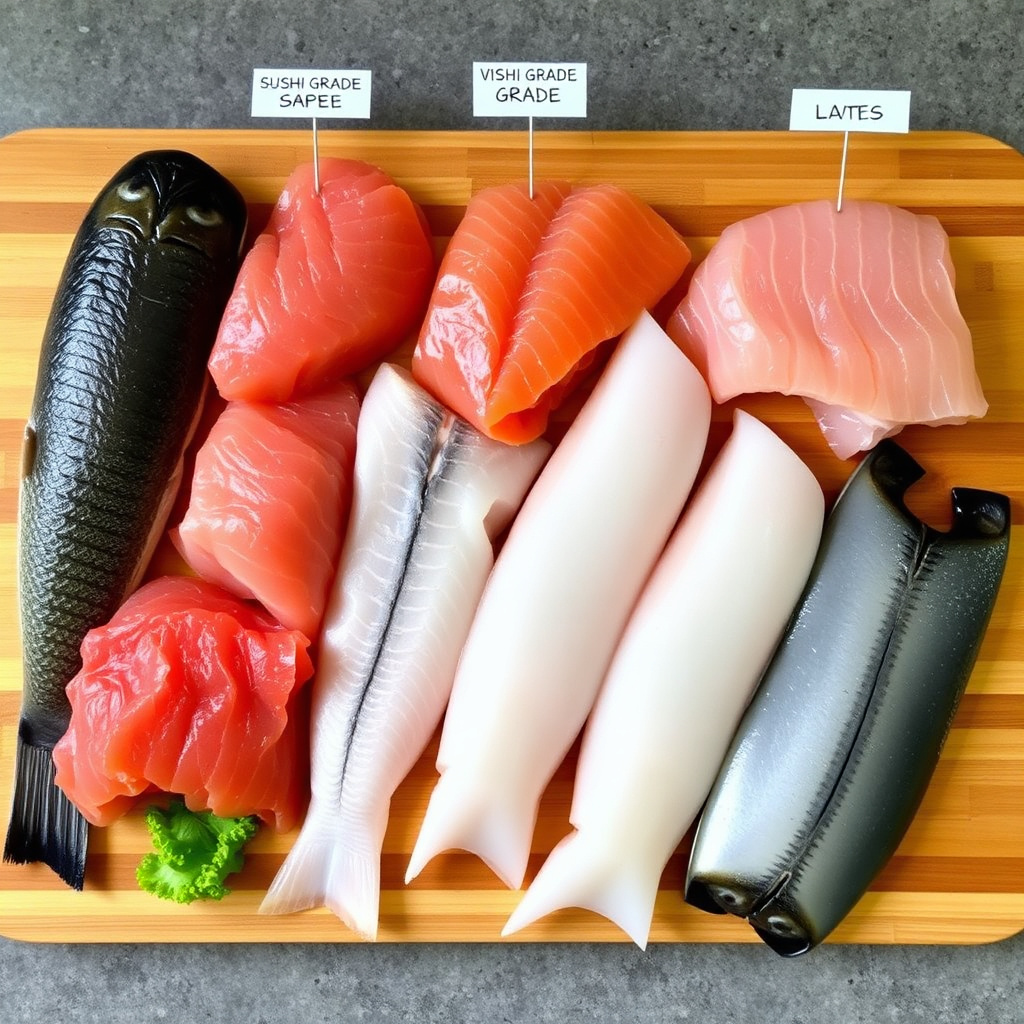
Tuna and Its Variants
Tuna is among the most popular sushi grade fish due to its firm texture and rich umami flavor. Bluefin tuna, particularly prized in sushi restaurants, offers a buttery taste with varying fat content across cuts such as akami (lean) and toro (fatty belly).
Yellowfin tuna is more affordable and widely available with a lighter flavor profile. Both types must be frozen correctly to eliminate parasites before being served raw. Tuna’s vibrant color and robust texture make it a favorite for both sashimi and nigiri.
Salmon and Other Delicacies
Salmon is another sushi favorite, often farmed to allow control over parasite risks and quality. Wild salmon has richer flavor but requires rigorous freezing. Salmon’s soft texture and buttery mouthfeel make it a staple in sushi bars worldwide.
Other notable sushi grade fish include Hirame (flounder), Hamachi (yellowtail), and Saba (mackerel), each offering distinctive flavors and textures suitable for raw consumption. These varieties require similarly diligent handling to maintain sushi grade status.
Storing and Preparing Sushi Grade Fish Safely at Home
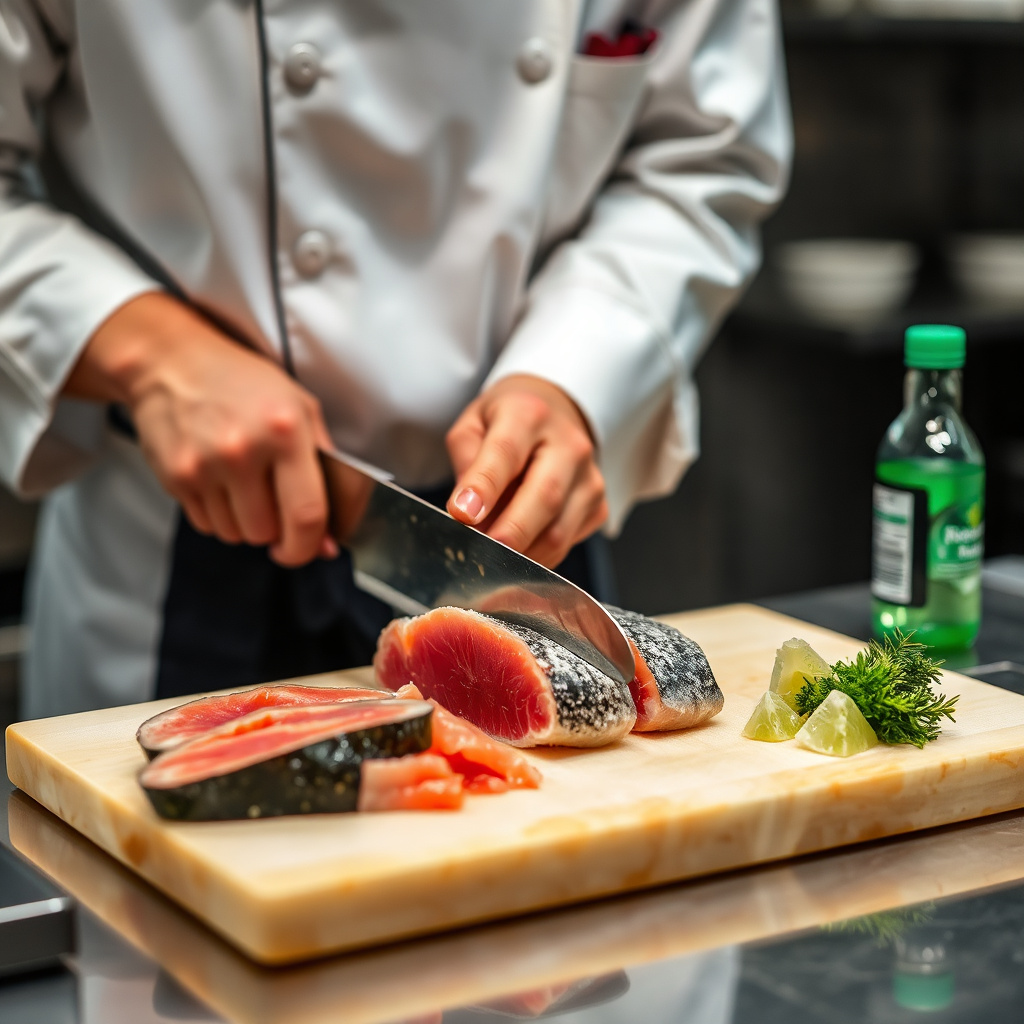
Proper Storage Techniques
After purchase, keep sushi grade fish chilled at temperatures below 40°F (4°C) and consume it as soon as possible for best quality and safety. Store fish tightly wrapped in plastic or vacuum sealed to prevent air exposure and odor contamination.
Do not refreeze sushi grade fish once thawed to avoid texture degradation and potential bacterial growth. If freezing is necessary, use recommended techniques and freeze quickly to retain freshness.
- Store in the coldest part of the refrigerator
- Keep sealed to prevent cross-contamination
- Consume within 24-48 hours for best quality
For more on this, see our related guide: What Is a Spicy Tuna Roll? A Clear Guide to This Popular Sushi Dish.
Safe Preparation for Raw Consumption
Use clean utensils and cutting boards dedicated to raw fish to prevent cross-contamination. Slice fish against the grain for smooth texture and consistent bite. Wash hands thoroughly before and after handling.
If you're unsure about preparation, consider briefly freezing your fish at -4°F (-20°C) for an additional 7 days as a safety measure even if labeled sushi grade. Follow trusted sushi recipes and keep raw fish refrigerated until just before serving.
How to Differentiate Sushi Grade Fish from Regular Fish

Differences in Handling and Processing
Regular fish often undergo less stringent handling and may not be flash frozen, posing higher risks if consumed raw. These fish are typically meant for cooking, which kills parasites and bacteria. Sushi grade fish requires rapid chilling and freezing to maintain both safety and delicate flavor when eaten raw.
The key difference lies in cold chain management and freezing protocols. Non-sushi grade fish, even if fresh, is generally not guaranteed safe for raw eating due to parasite concerns, making it unsuitable for sushi without additional measures.
For official recommendations on freezing fish to kill parasites, refer to the FDA guidance on parasites in food. FDA guidance on freezing fish.
Visual and Sensory Differences
Sushi grade fish has a vibrant, translucent appearance with firm texture and minimal odor. Regular fish may look duller, feel softer or mushier, and emit a stronger fishy smell due to less rapid chilling and possible partial spoilage.
Experienced buyers develop a keen eye for subtle differences in color, texture, and aroma that indicate freshness and safety. These cues help distinguish sushi grade fish even when labels are absent or unclear.
Comparison of Sushi Grade Fish Categories
This table compares common sushi grade fish types on important factors including taste, texture, availability, and cost.
| Fish Type | Flavor Profile | Texture | Availability | Typical Cost (per lb) |
|---|---|---|---|---|
| Bluefin Tuna | Rich, buttery, umami | Firm, fatty cuts | Seasonal, limited | $40-$60 |
| Yellowfin Tuna | Mild, slightly sweet | Firm, lean | Widely available | $20-$35 |
| Salmon | Buttery, rich | Soft, smooth | Year-round, farmed | $15-$25 |
| Yellowtail (Hamachi) | Clean, slightly sweet | Firm, oily | Seasonal, less common | $25-$40 |
| Snapper | Mild, delicate | Firm, flaky | Regional | $15-$30 |
| Mackerel (Saba) | Strong, savory | Oily, firm | Seasonal | $10-$20 |
Frequently Asked Questions
Is sushi grade fish safer than regular fish?
Sushi grade fish is typically safer for raw consumption because it is handled, frozen, and stored following strict procedures that reduce parasite and bacterial risks, unlike regular fish which may not undergo these treatments.
Can I use fresh fish from the market as sushi grade?
Only if you verify that the fish has been properly frozen and handled according to sushi grade standards. Fresh fish meant for cooking may harbor parasites and is not safe to eat raw without freezing.
Does sushi grade fish always mean the freshest fish?
Not necessarily. Sushi grade means the fish is safe for raw consumption due to processing but freshness also depends on how quickly the fish is caught and handled. Always check appearance and smell for freshness.
How long can sushi grade fish be stored at home?
For best quality and safety, consume sushi grade fish within 24 to 48 hours of purchase, keeping it properly refrigerated and sealed. Avoid refreezing after thawing.
What is the best fish for sushi beginners to try?
Salmon and yellowfin tuna are often recommended for beginners due to their mild flavor, softer texture, and wide availability as sushi grade fish.
Key Takeaways
- Sushi grade fish meets strict freshness and freezing standards for safe raw consumption.
- Freezing methods kill parasites and preserve texture critical to sushi grade quality.
- Look for bright color, firm texture, and clean smell when selecting sushi grade fish.
- Handle and store sushi grade fish properly at home to maintain safety and flavor.
Conclusion
Choosing sushi grade fish involves understanding the critical steps from catch to table that keep it safe and delicious for raw eating. The absence of official regulation means buyers need to be informed about freezing protocols, handling practices, and sensory indicators of quality. Prioritizing reputable sources with transparent conveyance of freezing and inspection details reduces health risks and ensures satisfying texture and flavor in sushi dishes.
For those seeking sushi grade fish, options like tuna and salmon are reliable favorites with well-known safety measures. Frozen-at-sea or flash-frozen products boast parasite-free guarantees. Meanwhile, varieties like yellowtail or snapper add diversity but require equally rigorous handling. Learning how to identify authentic sushi grade fish—based on color, smell, and firmness—helps consumers confidently select the best raw fish for home preparation or enjoyment at restaurants.
Ultimately, whether you prepare sushi at home or dine out, understanding what sushi grade fish entails empowers you to enjoy raw seafood safely. Start with trusted vendors who can answer detailed questions about sourcing, freezing, and freshness. Store fish correctly, use hygienic preparation techniques, and savor the rich flavors that proper sushi grade fish brings to your table.


