What Is Walnut Shrimp? A Delicious Seafood Delight Explained
Walnut shrimp is a classic seafood dish known for its crispy fried shrimp coated in a creamy, sweet mayonnaise-based sauce and topped with candied walnuts. This combination creates a unique balance of textures and flavors, with crunchy shrimp and walnuts offset by a rich, tangy sauce.
This dish has become popular in American Chinese cuisine, served often as an appetizer or entrée at many Chinese restaurants. It's loved for its crispy texture, subtle sweet flavor, and the nutty crunch that makes it stand out from other shrimp recipes.
In this article, we'll explore the origins of walnut shrimp, break down its key ingredients, discuss preparation methods, and provide tips for making this flavorful dish at home. You'll also find a comparison of walnut shrimp with similar seafood dishes to help you appreciate what truly sets it apart.
Origin and Cultural Context of Walnut Shrimp

Historical Background
Walnut shrimp originated in American Chinese cuisine, gaining popularity in the United States during the mid-20th century. This dish blends traditional Chinese cooking techniques with Western flavor profiles, particularly the use of mayonnaise, which is uncommon in traditional Chinese cooking.
The dish reflects a fusion style that caters to American tastes, featuring sweet, creamy, and crunchy elements. Over time, walnut shrimp has become a staple in many Chinese restaurants across the U.S., often served alongside other popular dishes like General Tso’s chicken and lemon chicken.
Cultural Significance and Popularity
Walnut shrimp is especially favored for its texture contrast and sweet-savory balance, making it accessible to a broad audience. It exemplifies how Chinese cuisine adapted abroad to suit local preferences, resulting in dishes unique to Chinese-American culinary tradition.
This dish frequently appears on banquet menus, celebratory feasts, and family dinners, appreciated not only for taste but also for its attractive presentation featuring glistening shrimp and glossy glazed walnuts.
Key Ingredients in Walnut Shrimp
Shrimp Preparation and Selection
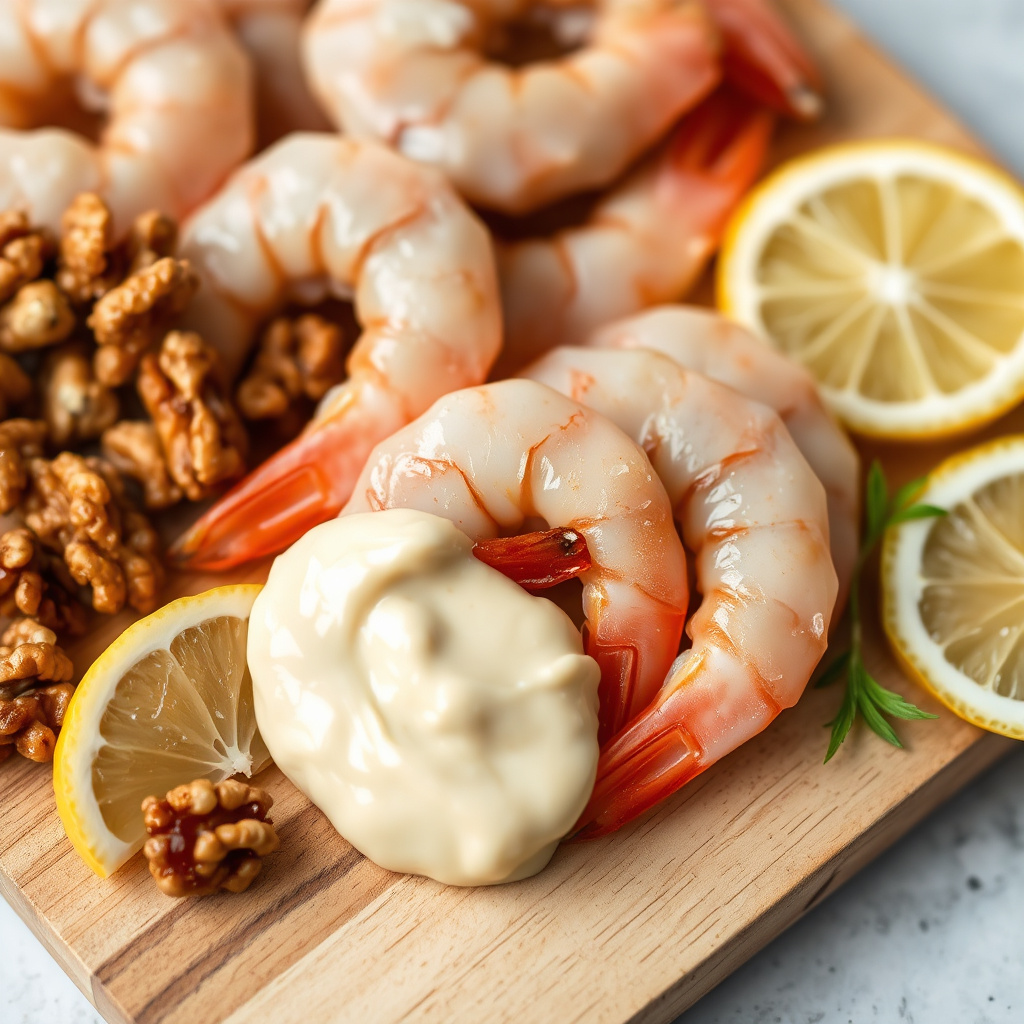
The primary ingredient is shrimp, preferably medium to large-sized, peeled and deveined, with tails often left on for presentation. Fresh or frozen shrimp works, but freshness affects texture and flavor. Shrimp are typically coated in a thin batter or cornstarch before frying to achieve crispiness.
Choosing shrimp with firm flesh and mild flavor ensures the dish's freshness. Tail-on shrimp provide a visual appeal that elevates the dish's look, while peeled shrimp make for easier eating, especially in home kitchens.
- Medium to large shrimp recommended
- Fresh or well-thawed frozen shrimp
- Tail-on shrimp for presentation
- Cornstarch coating for crispiness
The Creamy Sauce and Candied Walnuts
The signature creamy sauce combines mayonnaise with a touch of honey or sugar for sweetness and sometimes lemon juice or vinegar to add tang. This sauce envelopes the fried shrimp to create a luscious texture contrast with the crispy exterior.
Candied walnuts add crunch and a caramel-sweet flavor that complements the sauce and shrimp perfectly. They are usually toasted with sugar and sometimes a hint of salt before being tossed atop the finished dish, enhancing its textural complexity.
- Mayonnaise base with honey or sugar
- Lemon juice or vinegar for acidity
- Candied walnuts for crunch and sweetness
- Lightly toasted walnuts for flavor
Preparation Techniques for Walnut Shrimp

Frying the Shrimp to Crispy Perfection
Shrimp are lightly coated in a batter or cornstarch mixture then deep-fried until golden brown and crispy. Proper oil temperature, generally around 350°F (175°C), is key to achieving a crunchy exterior without overcooking the shrimp inside.
Maintaining crispy texture requires draining the shrimp well to remove excess oil, and frying in small batches prevents temperature drops that lead to sogginess. This step sets the foundation for a satisfying walnut shrimp dish.
- Use oil at 350°F/175°C
- Coat shrimp in cornstarch or batter
- Fry in small batches
- Drain excess oil thoroughly
Making the Creamy Walnut Sauce
The sauce is simply made by mixing mayonnaise with honey and lemon juice until smooth and well-balanced between sweet and tangy notes. Some recipes add a small amount of condensed milk or pineapple juice for extra sweetness.
After frying, shrimp are tossed gently in this sauce to coat evenly without losing their crispiness. Finally, caramelized walnuts are sprinkled on top just before serving to maintain their crunch.
- Mix mayonnaise, honey, lemon juice
- Optional: condensed milk or pineapple juice
- Toss fried shrimp gently in sauce
- Add candied walnuts last
Serving Suggestions and Pairing Ideas
Best Sides to Accompany Walnut Shrimp
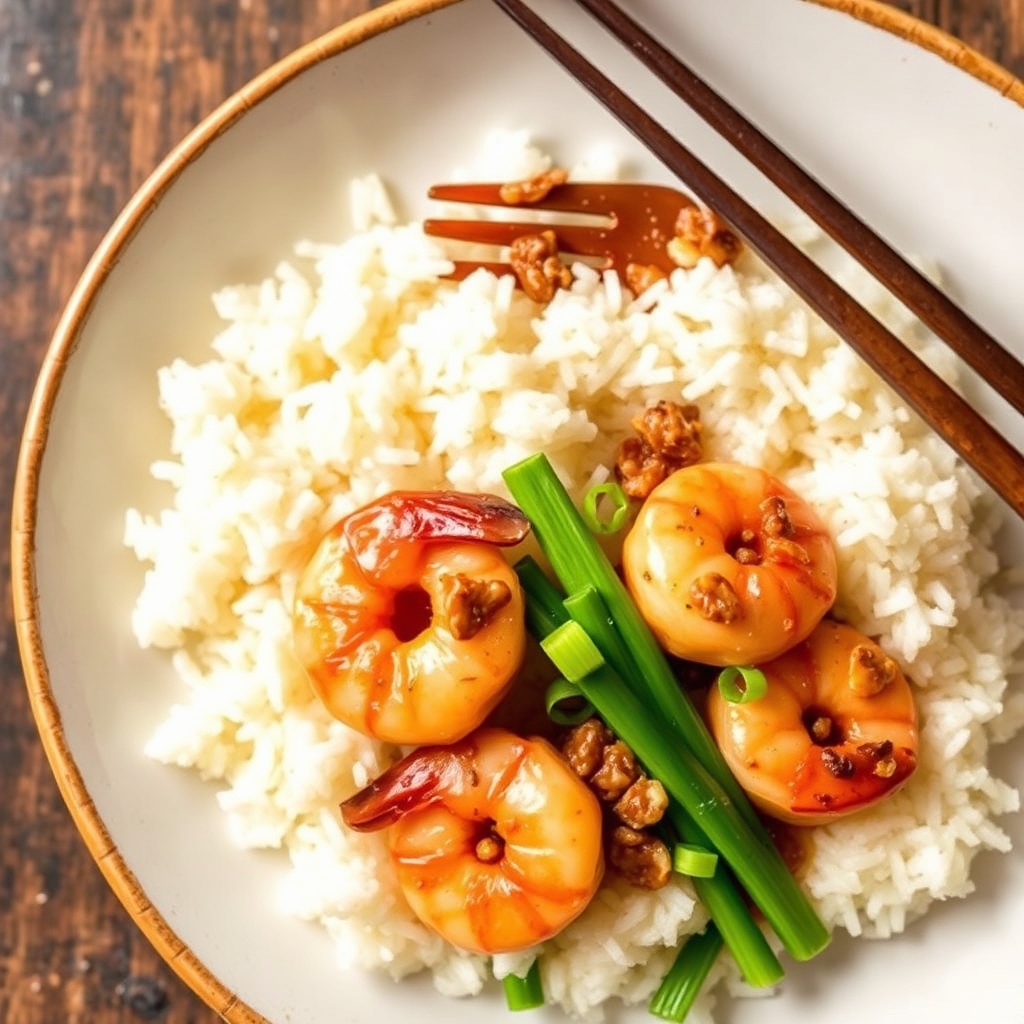
Walnut shrimp pairs well with simple sides that complement its rich flavors, such as steamed jasmine rice or fried rice. Light vegetable stir-fries or steamed broccoli also balance the dish by adding freshness and crunch.
In banquet settings, walnut shrimp often appears alongside other dishes that provide contrast, such as spicy Szechuan-style entrees or mild soups, which help to create a varied and flavorful meal experience.
- Steamed jasmine rice
- Simple vegetable stir-fry
- Steamed broccoli or bok choy
- Light, mild soups
Presentation Tips for Walnut Shrimp
Serving walnut shrimp on a platter garnished with extra candied walnuts, lemon wedges, and finely chopped green onions elevates its appearance. The glossy sauce and golden fried shrimp create an inviting visual appeal.
For parties or family meals, arranging walnut shrimp in a circular pattern with the garnishes in the center can make a striking centerpiece that invites guests to dig in.
- Garnish with candied walnuts
- Add lemon wedges and green onions
- Arrange shrimp in an attractive pattern
- Serve immediately to retain crispiness
Health Considerations Around Walnut Shrimp

Nutritional Profile
Walnut shrimp delivers protein from shrimp and healthy fats from walnuts but is also relatively high in calories and fat due to frying and the creamy sauce. Portion control helps maintain a balanced diet while enjoying this flavorful dish.
Walnuts contribute heart-healthy omega-3 fatty acids and some fiber, while shrimp is low in carbs and rich in vitamin B12 and selenium, making this dish nutritionally complex, but moderation is key.
Adaptations for a Healthier Version
Substituting mayonnaise with low-fat yogurt or light mayonnaise can reduce fat content, and baking shrimp instead of deep-frying cuts calorie intake. Using raw or lightly toasted walnuts without added sugar also lowers sugar load.
Pairing walnut shrimp with plenty of steamed vegetables increases fiber intake and offsets the richness, making it more balanced and suitable for regular meals.
- Use light mayonnaise or yogurt
- Bake shrimp instead of frying
- Choose unsweetened walnuts
- Serve with vegetables
Walnut Shrimp Compared to Other Shrimp Dishes
Differences Between Walnut Shrimp and Honey Walnut Shrimp
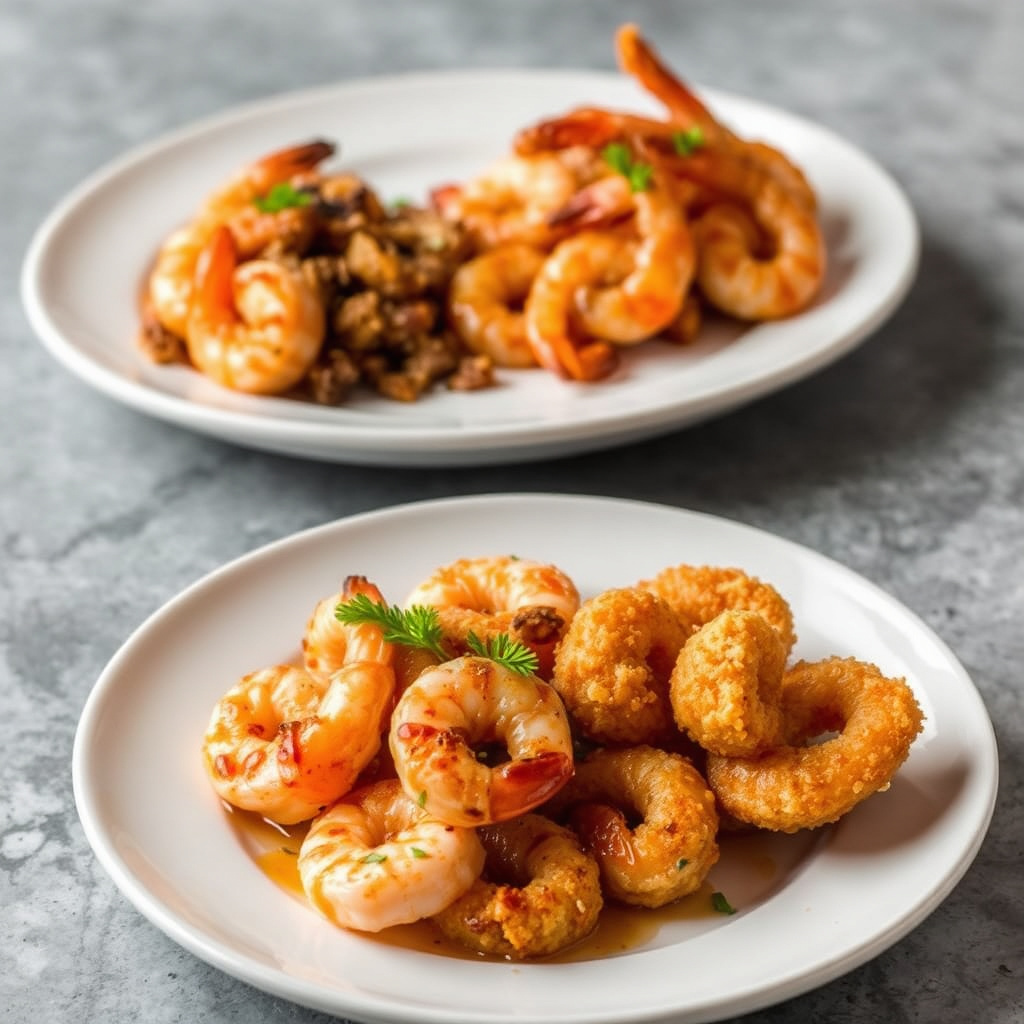
Honey walnut shrimp typically features shrimp coated in a sweet honey glaze and topped with glazed candied walnuts, often served cold or at room temperature. Walnut shrimp uses a creamy mayo-based sauce, served hot for crispiness.
The honey walnut version is generally sweeter and less creamy, while walnut shrimp provides a richer texture contrast between the crispy fried shrimp and smooth sauce.
For more insight into dishes similar to walnut shrimp, you can read about honey walnut shrimp on Wikipedia. Walnut shrimp on Wikipedia.
How Walnut Shrimp Stands Out Among Fried Shrimp Dishes
Unlike plain fried shrimp or tempura, walnut shrimp incorporates a distinctive creamy sauce and the added crunch of candied walnuts, giving it layered flavors and textures. The sweet and tangy elements differentiate it from savory-only shrimp dishes.
This combination makes walnut shrimp a more complex dish, appealing to those who enjoy both crunchy and creamy tastes in one bite.
Walnut Shrimp vs. Similar Shrimp Dishes Comparison
Here’s a quick comparison highlighting key differences between walnut shrimp and related shrimp dishes to clarify what makes it unique.
| Dish | Sauce Type | Serving Temperature | Texture | Sweetness Level |
|---|---|---|---|---|
| Walnut Shrimp | Creamy mayonnaise-based | Hot | Crispy shrimp, crunchy walnuts | Mildly sweet |
| Honey Walnut Shrimp | Honey glaze with candied walnuts | Warm or room temperature | Tender shrimp, glazed walnuts | Very sweet |
| Tempura Shrimp | Light batter, no sauce or soy-based | Hot | Light and crispy batter | Not sweet |
| Coconut Shrimp | Dipped in sweet chili sauce | Hot | Crunchy coconut crust | Lightly sweet |
| General Tso’s Shrimp | Spicy sweet and sour | Hot | Crispy and saucy | Spicy sweet |
Frequently Asked Questions
Is walnut shrimp the same as honey walnut shrimp?
No, walnut shrimp uses a creamy mayonnaise-based sauce, while honey walnut shrimp is coated in a sweet honey glaze. The textures and sweetness levels differ between the two.
Can walnut shrimp be made gluten-free?
Yes, by using gluten-free cornstarch or batter for frying and ensuring the mayonnaise and other ingredients are gluten-free, walnut shrimp can be prepared without gluten.
What is the best type of walnut to use for walnut shrimp?
English walnuts are commonly used. Toasting and candying them with sugar before adding to the dish enhances their flavor and crunch.
Can I bake walnut shrimp instead of frying?
Yes, baking is a healthier alternative. Coat the shrimp lightly and bake until crispy, then toss with sauce and candied walnuts.
How long does walnut shrimp stay good after cooking?
For best texture and flavor, eat walnut shrimp within 1-2 days if stored in an airtight container in the refrigerator. Reheating may soften the crispiness.
Key Takeaways
- Walnut shrimp features crispy fried shrimp coated in a creamy, sweet sauce with candied walnuts.
- It originated in American Chinese cuisine and highlights a unique sweet-savory flavor combination.
- Proper frying and sauce balance are key to achieving the signature texture and taste.
- Walnut shrimp differs substantially from honey walnut shrimp and other fried shrimp dishes.
Conclusion
Choosing walnut shrimp as a dish centers on appreciating the balance of textures and flavors: crispy fried shrimp melded with a smooth, slightly sweet mayonnaise-based sauce and the added crunch of candied walnuts. When deciding whether walnut shrimp fits your taste, consider whether you enjoy creamy seafood dishes that combine savory and sweet notes with layered contrasts.
For those seeking a rich yet approachable seafood option, traditional walnut shrimp offers a versatile choice suitable for family dinners or special occasions. If you prefer sweeter tastes, honey walnut shrimp might appeal more. Conversely, if crispy, lighter fried shrimp dishes entice you, classic tempura or coconut shrimp provide alternatives. Adjust preparation methods, like baking instead of frying, to meet nutritional preferences while maintaining key elements of the dish.
If you're ready to try making walnut shrimp at home, start by selecting fresh shrimp and preparing the creamy walnut sauce carefully to get the flavor balance right. Use candied walnuts for texture and presentation, and pair the dish with mild sides like steamed jasmine rice for a satisfying meal. Experimenting with this recipe can bring this beloved American Chinese classic into your own kitchen with delicious results.


One Comment