Miso Soup vs Clear Soup: Which One Should You Choose?
Miso soup and clear soup are two popular varieties of broth-based soups, each offering distinct flavors and ingredients. Miso soup uses fermented soybean paste as its base, giving it a rich umami flavor, whereas clear soup is a transparent broth typically made from simmering meat, fish, or vegetables, resulting in a light and subtle taste.
Both soups have been staple dishes in various cultures, especially in Japan, where miso soup accompanies many meals, and clear soups often serve as a palate cleanser or starter. Understanding their differences can enhance your dining experience and help you select the best option depending on your dietary needs or culinary desires.
This article compares miso soup vs clear soup across flavor profile, nutrition, preparation methods, common ingredients, and cultural significance to help you decide which traditional Japanese soup fits your preferences or meal plan.
Flavor Profiles of Miso Soup and Clear Soup

Umami Depth of Miso Soup
Miso soup's hallmark is its deep umami flavor derived from fermented soybean paste, or miso. This fermentation process produces amino acids that enrich the broth with savory, slightly salty notes that linger pleasantly on the palate.
The soup often features dashi stock made from kombu seaweed and bonito flakes, which further intensify the savory complexity. Toppings like tofu, wakame seaweed, and scallions contribute subtle textures and complementary flavors.
Light and Clean Taste of Clear Soup
Clear soup boasts a mild, transparent broth that lets the natural flavors of its base ingredients shine through without masking with heavy seasoning or fermentation.
Often simmered gently with chicken bones, fish, or vegetables, clear soup presents a delicate and refreshing taste, ideal for those who prefer subtle flavors or a light starter.
Nutritional Comparison Between Miso Soup and Clear Soup

Nutrient Content of Miso Soup
Miso soup contains notable amounts of protein from miso paste and added tofu, as well as probiotics due to the fermentation process, which can aid digestion and gut health.
However, it tends to be higher in sodium content, which might be a consideration for those monitoring salt intake.
- Rich in probiotics
- Good source of protein
- Higher sodium levels
For more on this, see our related guide: How Many Pieces Are in a Sushi Roll? A Clear Guide to Sushi Portions.
Nutritional Profile of Clear Soup
Clear soups generally have fewer calories and lower sodium levels because they are less seasoned and made with simple ingredients boiled to extract flavor.
They also provide hydration and minerals but typically lack the probiotic benefits that come with fermented components like miso.
- Low in calories
- Lower sodium than miso soup
- No probiotics
Traditional Japanese Soups: Ingredients and Preparation

Preparing Authentic Miso Soup
Authentic miso soup starts with dashi stock, a broth made by simmering kombu and bonito flakes. Miso paste is then dissolved into the warm dashi, and ingredients such as cubed tofu, wakame, and scallions are added before serving.
The fermentation quality of miso paste influences the flavor depth, and different regions in Japan prefer varying types of miso, ranging from sweet white miso to robust dark miso.
How Clear Soup is Made
Clear soup preparation involves simmering bones, fish, or vegetables slowly to extract a light broth without cloudiness or heavy seasoning.
Ingredients are carefully skimmed to maintain transparency, and garnishes like sliced mushrooms, greens, or herbs are commonly added for aroma and texture without overpowering the broth’s subtlety.
Cultural Significance and Meal Pairings
Role of Miso Soup in Japanese Meals
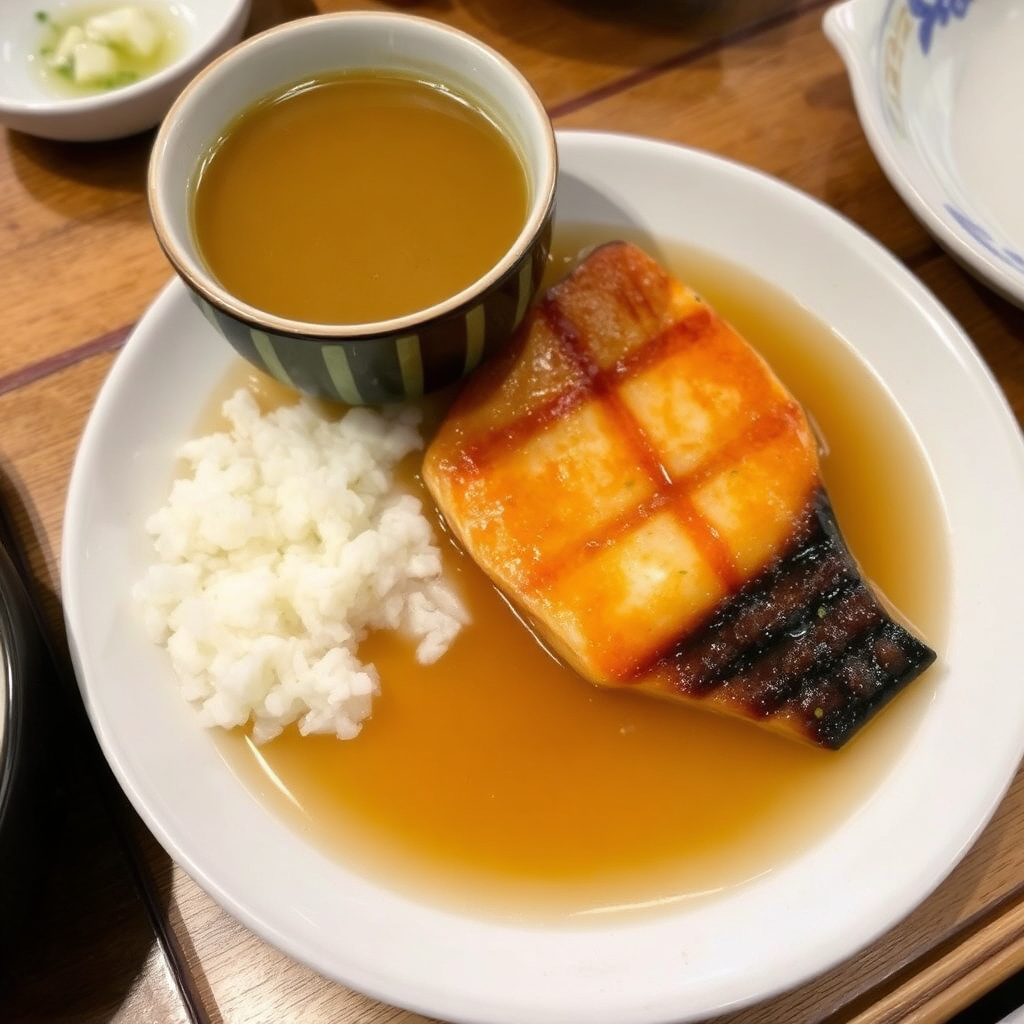
Miso soup is a staple accompaniment to most Japanese meals, valued for its comfort and complementary properties alongside rice and fish or other main courses.
It embodies a traditional aspect of everyday dining, believed to balance nutrition and flavor, while supporting digestive health through probiotics.
For more on this, see our related guide: How Many Calories Are in Wonton Soup? A Detailed Nutritional Guide.
Clear Soup’s Place in Cuisine
Clear soup often appears as a prelude to main courses in Japanese or Western cuisine, offering a light, cleansing palate experience.
It can also serve ceremonial or seasonal roles, showcasing simple ingredients and the chef’s skill in crafting a perfectly balanced broth.
Variations and Global Adaptations of Both Soups

Regional Varieties of Miso Soup
Across Japan, miso soup varies widely: some regions favor sweeter white miso, while others use darker types or blend multiple misos for complex flavors.
Ingredients can range from clams in coastal areas to mushrooms or root vegetables inland, reflecting local tastes and available produce.
For further detailed information on miso soup’s history and variations, refer to the Miso soup Wikipedia article. Miso soup Wikipedia article.
International Takes on Clear Soup
Clear soup has global counterparts such as consommé in French cuisine or simple broths in East Asian cooking, adapted with local herbs and proteins.
These adaptations maintain the principle of a light, transparent broth but introduce regional flavor notes and serving styles.
Miso Soup vs Clear Soup Category Comparison
This table highlights key attributes of miso soup and clear soup to clarify their differences and help identify your preferred choice.
| Category | Miso Soup | Clear Soup |
|---|---|---|
| Base Ingredient | Fermented soybean paste (miso) | Simmered meat, fish, or vegetable broth |
| Flavor | Rich, salty, umami | Light, subtle, clean |
| Appearance | Opaque, cloudy | Clear, transparent |
| Sodium Content | Higher | Lower |
| Probiotic Content | Yes | No |
| Common Ingredients | Tofu, wakame, scallions | Mushrooms, herbs, vegetables |
| Texture | Slightly thickened by miso | Watery, thin |
| Cultural Role | Everyday staple in Japanese meals | Starter or palate cleanser |
Frequently Asked Questions
Is miso soup healthier than clear soup?
Miso soup offers probiotics and more protein due to fermented miso and tofu, but contains higher sodium. Clear soup is lower in calories and sodium but lacks probiotic benefits.
Can clear soup be made vegetarian?
Yes, clear soup can be prepared vegetarian by using vegetable stock instead of meat or fish, maintaining the clear and light character.
What gives miso soup its cloudy appearance?
The cloudy appearance of miso soup comes from the dissolved miso paste, which contains fine soybean particles and fermentation components.
Are there gluten-free options for miso soup?
Yes, some miso pastes are gluten-free if made without barley or wheat. Always check labels to ensure gluten-free status.
How long does clear soup need to simmer for flavor extraction?
Typically, clear soup simmers gently for 1 to 3 hours depending on ingredients, allowing maximum flavor without clouding the broth.
Key Takeaways
- Miso soup has a rich umami flavor with probiotics due to fermented soybean paste.
- Clear soup offers a light, subtle broth that is lower in sodium and calories.
- Both soups reflect different traditional Japanese culinary roles and preferences.
- Choosing between them depends on flavor preference, dietary needs, and meal context.
Conclusion
Choosing between miso soup and clear soup comes down to understanding their distinct flavor profiles, nutritional content, and culinary roles. Miso soup’s fermented base provides deep umami flavor and probiotics, making it a hearty and nourishing option, especially if you enjoy a savory, slightly creamy broth. Clear soup presents a more delicate, clean taste that serves as a refreshing starter or light accompaniment. Considering sodium content and probiotic benefits can guide your choice based on health preferences.
For those seeking a comforting everyday soup with nutritional benefits, miso soup is an excellent choice, particularly paired with traditional Japanese meals involving rice and fish. Conversely, if you prefer a light and transparent broth to cleanse the palate or enjoy minimalistic flavors, clear soup fits well, especially in formal or multi-course meals. International versions of both soups also allow for regional adaptations to suit various dietary needs and cultural tastes.
As a practical next step, try preparing both at home using authentic ingredients to appreciate their unique qualities firsthand. Experiment with different types of miso paste and dashi stocks for miso soup or select fresh bones and vegetables for clear soup to develop your preferred flavor balance. Whichever you choose, both options offer satisfying and culturally rich experiences that celebrate traditional Japanese soups.