How Long Does Miso Soup Last? Shelf Life and Storage Tips
Miso soup typically lasts about 2 to 3 days when stored properly in the refrigerator. The key to maintaining its freshness is cooling it quickly after cooking and keeping it in an airtight container. If stored at room temperature, miso soup can spoil within a few hours due to its perishable ingredients.
Preserving miso soup matters because its main components—fermented miso paste, dashi broth, and added ingredients like tofu or seaweed—can degrade or harbor bacteria if mishandled. The soup's flavor and health benefits can diminish rapidly if left out too long or stored improperly.
This article will explain how long miso soup lasts under different storage conditions, factors affecting its shelf life, signs it has gone bad, and practical storage tips to maximize its longevity and safety.
Understanding Miso Soup and Its Ingredients
What Is Miso Soup Made Of?
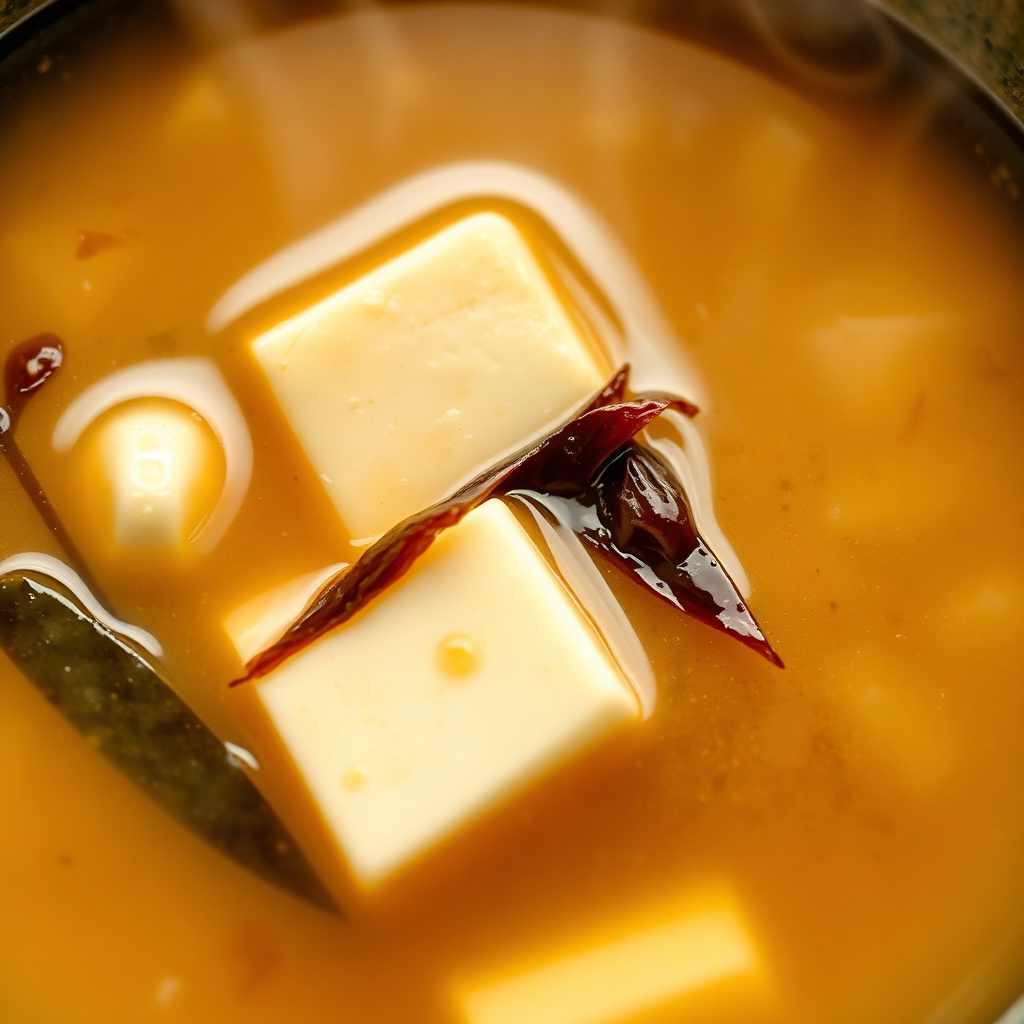
Miso soup combines miso paste, a fermented soybean product rich in probiotics, with a dashi stock base usually made from dried fish and seaweed. Common additions include tofu, seaweed, green onions, and sometimes mushrooms or seafood. The fermentation in miso paste gives the soup its characteristic deep umami flavor.
Each ingredient impacts how long the soup stays fresh. For example, fresh tofu and seafood components spoil faster than miso paste itself, which can last longer when refrigerated separate from perishable additions.
How Ingredients Affect Shelf Life
Miso paste alone is quite shelf-stable when refrigerated, often lasting several months unopened. However, once mixed into soup with water, tofu, or seafood, the overall product becomes more perishable.
Fresh ingredients like tofu are highly sensitive to bacteria growth, making the entire soup more vulnerable to spoilage if kept beyond a short timeframe.
Shelf Life of Miso Soup at Different Temperatures
Room Temperature Storage
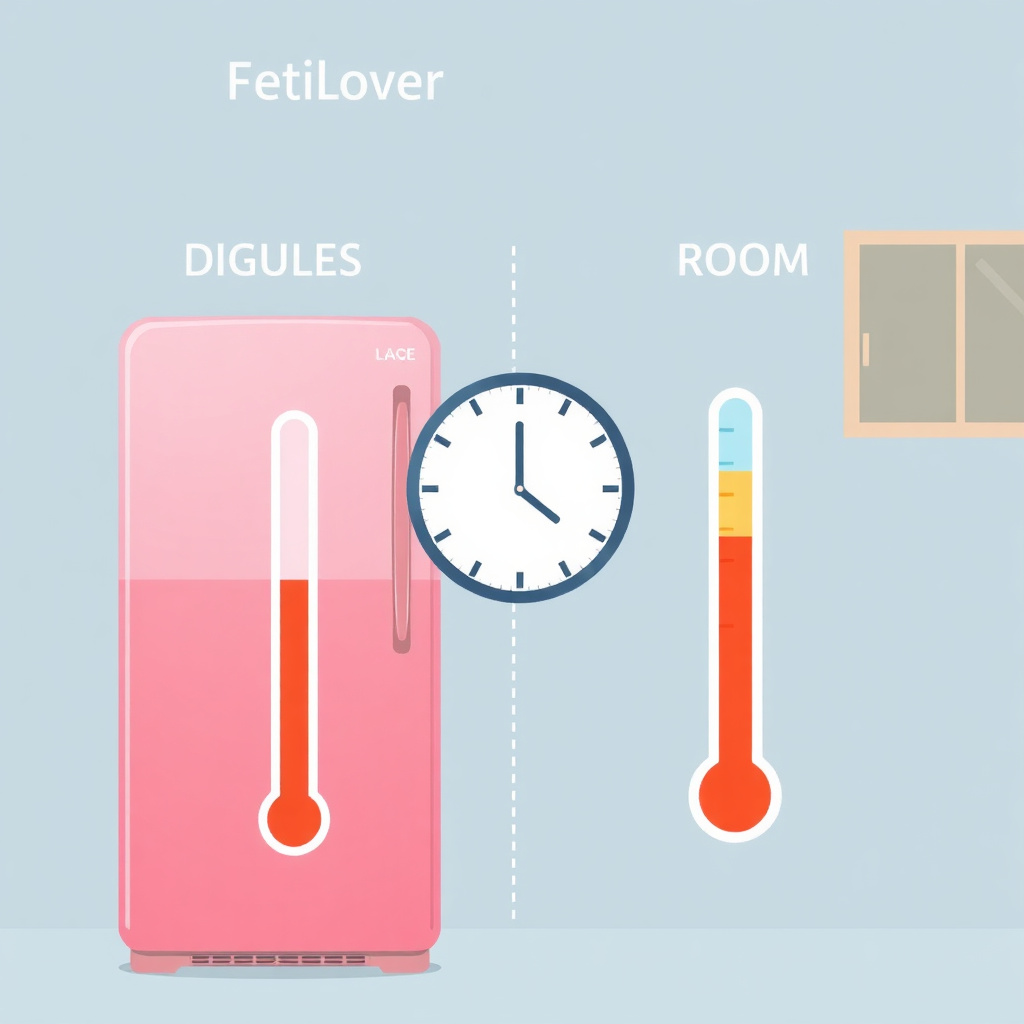
At room temperature, typically around 70°F (21°C), miso soup should not be left out longer than two hours. Bacteria multiply quickly at these temperatures, especially in liquid foods containing protein like tofu or fish stock.
Leaving miso soup unrefrigerated for more than two hours significantly raises the risk of foodborne illness.
- Room temperature holding time: up to 2 hours
- Risk of bacterial growth beyond 2 hours
- Consume immediately or refrigerate promptly
For more on this, see our related guide: Is Miso Soup Healthy? A Nutritional Analysis and Benefits Guide.
Refrigerated Storage
When refrigerated at or below 40°F (4°C), miso soup generally remains safe to eat for about 2 to 3 days. Use an airtight container to reduce exposure to air that can accelerate spoilage or odd flavors.
Make sure to cool the soup down quickly before refrigeration to prevent temperature zones conducive to bacterial growth.
- Refrigeration extends shelf life to 2-3 days
- Store in airtight containers
- Cool promptly after cooking before refrigerating
Freezing Miso Soup: Pros and Cons

Can You Freeze Miso Soup?
Freezing miso soup is possible but not always ideal. Tofu can develop a spongy texture after freezing and thawing, and some seaweed may become too soft or slimy.
If you plan to freeze, consider removing tofu or delicate ingredients first and adding them fresh after reheating the thawed soup.
Freezing Tips and Shelf Life
Store miso soup in an airtight, freezer-safe container leaving a bit of headspace for expansion. Frozen miso soup can last 1 to 2 months without significant flavor loss.
Thaw the soup overnight in the refrigerator and heat gently to preserve texture and taste.
- Use freezer-safe airtight containers
- Can last 1-2 months in the freezer
- Thaw overnight in refrigerator
- Reheat gently before serving
Signs Miso Soup Has Gone Bad

Visual and Smell Indicators
Spoiled miso soup often develops an off odor sourer than usual miso scent. The appearance may change to cloudy, with bubbles or mold forming on the surface.
Color changes or thick slimy textures indicate bacterial or fungal growth, and you should discard the soup immediately.
- Off or rancid smell
- Cloudiness or discoloration
- Mold formations
- Slimy texture
For more on this, see our related guide: Ramen vs Udon: How to Choose the Right Japanese Noodle for Your Meal.
Taste and Texture Changes
If you detect a bitter or sour flavor that differs from the typical umami, it's a sign the soup has spoiled. Altered texture in tofu, such as excessive softness or graininess, also suggests the soup is no longer safe.
Always err on the side of caution and avoid consuming questionable miso soup.
Best Practices for Storing Miso Soup
Cooling and Container Selection
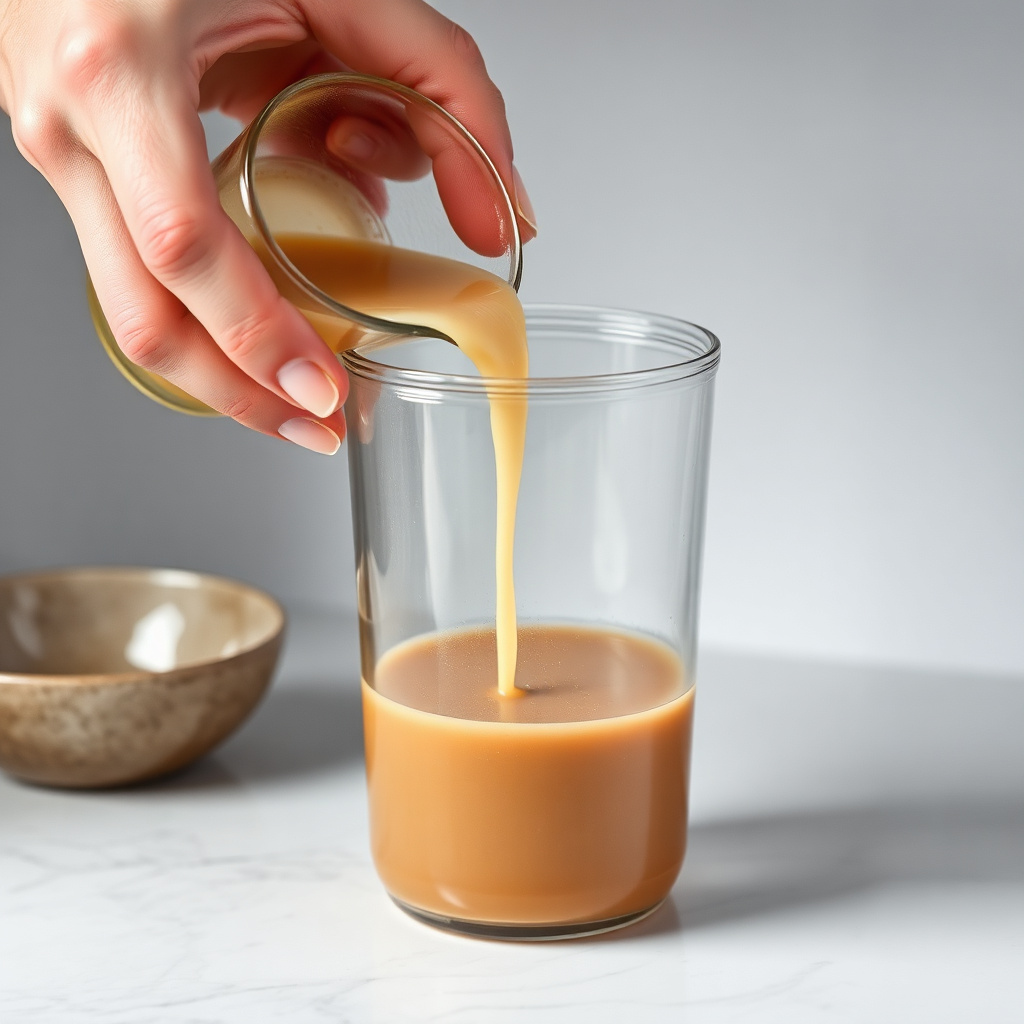
Cool miso soup at room temperature but try to refrigerate within one hour. Using small, easy-to-seal glass or BPA-free plastic containers minimizes air contact and preserves freshness.
Avoid storing large batches in open pots as exposure to air lowers quality and increases spoilage risk.
- Cool before refrigerating
- Use airtight glass or plastic containers
- Store in small portions for convenience
For a deeper understanding of miso soup's history and ingredients, refer to the detailed article on Miso soup on Wikipedia. Miso soup on Wikipedia.
Reheating and Serving
Reheat only the amount you plan to consume to avoid multiple reheats which speed spoilage. Avoid boiling miso soup as high heat can degrade probiotics and flavor; instead, warm gently.
Stir well and check for off smells or appearance before serving leftovers.
- Warm gently without boiling
- Reheat small portions
- Check for spoilage before eating
Miso Soup Category Comparison
This table compares different miso soup storage methods, highlighting their shelf life, pros, and cons.
| Storage Method | Shelf Life | Effect on Flavor | Convenience |
|---|---|---|---|
| Room Temperature | Up to 2 hours | Fresh flavor but spoils fast | Not convenient for leftovers |
| Refrigeration | 2-3 days | Maintains flavor well | Easy and practical |
| Freezing | 1-2 months | Some texture changes | Good for long-term storage |
| Unrefrigerated Miso Paste | Several months | Intense flavor preserved | Needs preparation before eating |
Frequently Asked Questions
Can I leave miso soup out overnight?
No, leaving miso soup out overnight is unsafe as bacteria multiply rapidly at room temperature, making it unsafe to consume.
Does reheating miso soup reduce its nutritional value?
Excessive reheating, especially boiling, can reduce probiotics and flavor, but gentle warming preserves most of the nutritional benefits.
How can I tell if miso soup has spoiled?
Detect spoilage by off smells, discoloration, mold, or changes in texture such as sliminess or sour taste.
Is frozen miso soup as good as fresh?
Frozen miso soup may have changes in texture, especially in tofu and seaweed, but flavor remains fairly consistent when thawed properly.
Can I store miso soup without tofu or seafood longer?
Yes, miso soup without perishable ingredients like tofu can last slightly longer, about 3 or 4 days refrigerated.
Key Takeaways
- Miso soup lasts 2-3 days refrigerated and about 2 hours at room temperature.
- Refrigerate promptly in airtight containers to maintain freshness.
- Freezing extends shelf life but may affect tofu texture.
- Discard soup if there are off smells, mold, or texture changes.
Conclusion
Determining how long miso soup lasts largely depends on storage conditions and the ingredients used. Immediate refrigeration extends its shelf life to 2-3 days, while freezing can preserve it up to two months with some minor texture changes, especially in tofu. It's safest to cool miso soup quickly after preparation and store it in airtight containers to reduce bacterial growth. Regularly checking for spoilage indicators such as off smells or mold will help you avoid foodborne illness.
For those preparing miso soup at home, refrigerating leftovers in small portions makes reheating and consumption more convenient and safer. If you enjoy miso soup frequently, consider storing plain miso paste separately since it lasts much longer and adding fresh ingredients before serving. Freezing is a viable option when you want to prolong storage, but plan to adjust ingredient handling such as adding tofu fresh post-thawing to optimize texture and flavor. Avoid leaving miso soup at room temperature beyond two hours to prevent rapid spoilage.
Ultimately, keeping miso soup safe and flavorful hinges on handling and timely storage. Once you know the shelf life and proper practices, you can enjoy this nourishing dish with confidence. Start by refrigerating your soup promptly and consuming leftovers within three days to appreciate miso soup at its best. If you wish to store it longer, freezing with care offers a practical next step.