Ramen vs Udon: How to Choose the Right Japanese Noodle for Your Meal
Ramen and udon are two popular types of Japanese noodles, each offering a unique texture and flavor profile that appeals differently depending on what you crave. Ramen noodles are thin, firm, and often curly, made primarily from wheat and alkaline water, creating their signature bite. Udon noodles are much thicker and chewier, also wheat-based but with a smooth, soft consistency. If you want a hearty soup with complex broth and toppings, ramen fits best. For a mild, comforting noodle dish with a subtle flavor, udon is a great pick.
These noodles matter culturally and culinarily because they reflect different regional tastes and cooking traditions in Japan. While ramen typically involves a rich, often pork or soy-based broth with various toppings like chashu pork, seaweed, or egg, udon broth is lighter and traditionally uses dashi, presenting a subtler flavor profile. The size and texture difference also influences how these noodles pair with broths, sauces, and side dishes.
This article will explore the key differences between ramen vs udon, including their ingredients, cooking methods, broth styles, and best serving suggestions. We'll also compare their nutritional profiles, the types of dishes you can make with each, and help you decide which noodle better suits your preferences or cooking plans.
Understanding the Ingredients of Ramen vs Udon

What Goes into Ramen Noodles?
Ramen noodles are made from wheat flour, water, salt, and an alkaline agent called kansui, which gives them their yellow color and firm, springy texture. This alkaline content also raises the pH, making the noodle slightly slippery and distinctive from regular wheat noodles. The dough is rolled thin and cut into slender strands, which can be straight or curly, with the latter often prized for holding onto broth well.
The kansui influences both texture and flavor, providing a chewiness that is essential to ramen's unique mouthfeel. Some ramen variations might include egg in the dough to improve elasticity and taste, but classic ramen noodles rely mainly on the wheat and kansui balance.
Ingredients Behind Udon’s Thick Texture
Udon noodles consist primarily of wheat flour, water, and salt, but notably lack the alkaline agent found in ramen. This absence results in a softer, plumper noodle with a smooth and chewy texture. The dough is thickly rolled and cut into wide strands, giving udon its characteristic hefty bite.
Because udon dough is dense and retains moisture well, it yields a noodle that absorbs lighter broths effectively without becoming soggy. The simplicity of udon ingredients and preparation highlights the noodle itself, making it an excellent canvas for subtle flavors.
The Flavor Profiles and Broths in Ramen vs Udon
Ramen Broth Varieties and Their Impact
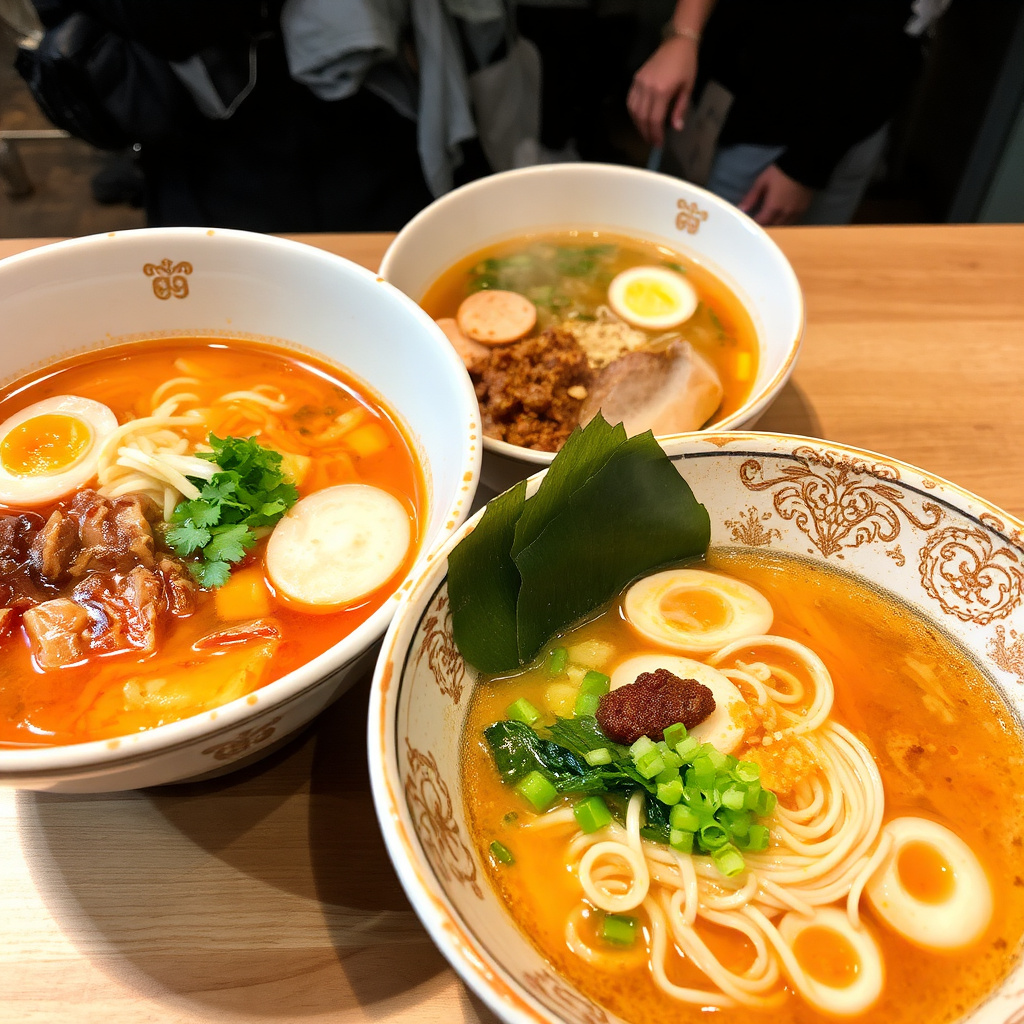
Ramen is renowned for its rich, complex broths ranging from shoyu (soy sauce), miso, shio (salt), to tonkotsu (pork bone) varieties. Each broth alters the overall character of the dish, from salty and savory to creamy and intensely flavored. These broths simmer for hours, extracting depth from meat, bones, and seasonings.
The stronger broth flavors complement the firm ramen noodles, creating a harmonious balance of taste and texture. Toppings like sliced pork, marinated eggs, bamboo shoots, and nori add layers to the flavor experience.
- Shoyu (soy sauce) broth
- Miso broth
- Shio (salt) broth
- Tonkotsu (pork bone) broth
Broth and Serving Styles for Udon
Udon broth is generally lighter, most commonly based on dashi made from kombu (kelp) and katsuobushi (bonito flakes), providing an umami-rich yet subtle foundation. The broth usually incorporates soy sauce and mirin but avoids the heaviness found in ramen soups.
Udon noodles are served in hot broth or chilled with dipping sauces, highlighting their texture rather than complex broth flavor. Common toppings include sliced scallions, tempura, and kamaboko (fish cake), which enhance the noodle’s mild character.
- Hot dashi broth
- Cold dipping broth
- Common toppings: tempura, scallions, fish cake
Cooking Techniques: Preparation and Serving
Cooking Ramen Noodles to Perfection
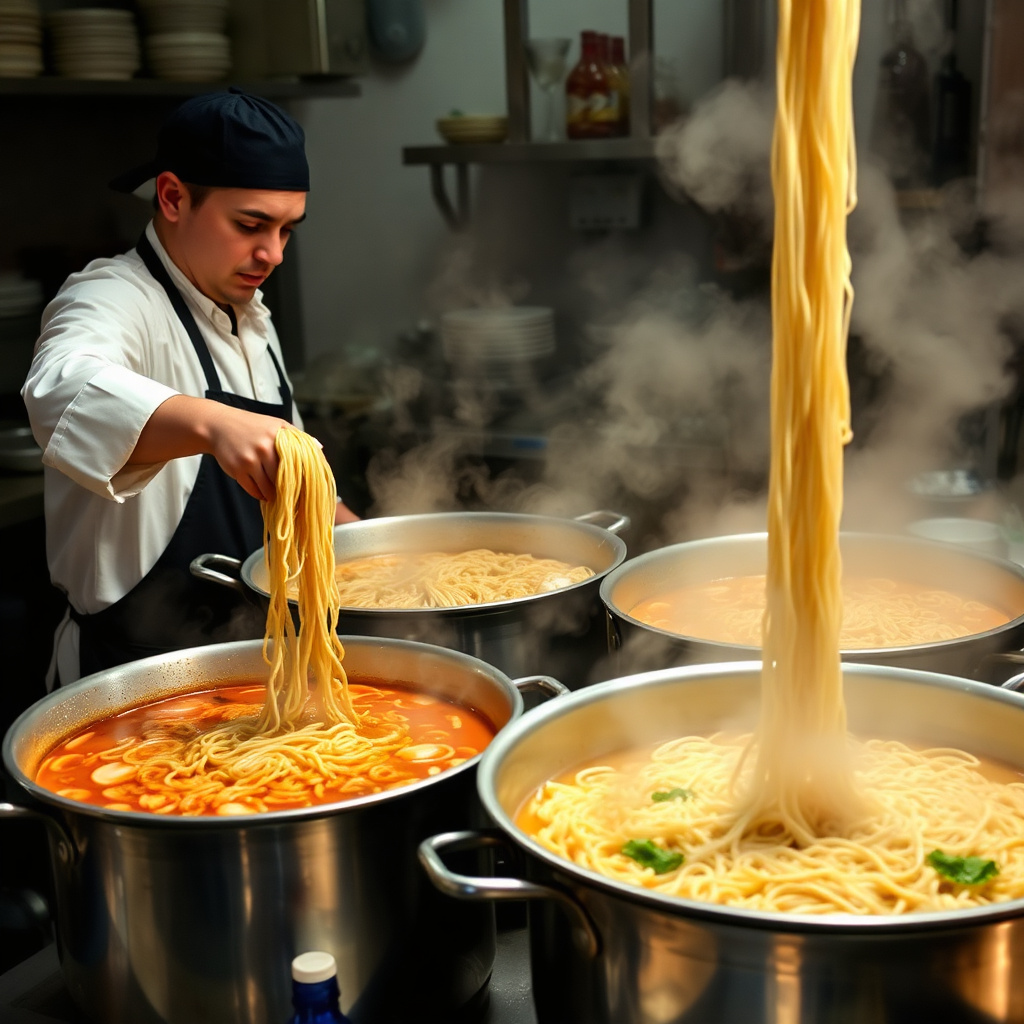
Ramen noodles require careful timing to achieve the desired firm and springy bite. They cook quickly, often within 2 to 3 minutes, and must be promptly drained and served to prevent sogginess. Rinsing ramen noodles is generally avoided to preserve the starch that helps the broth cling to them.
In professional ramen shops, noodles are often freshly made or delivered fresh, cooked in boiling water, then immediately transferred to the serving bowl where broth and toppings await.
- Cook time: 2–3 minutes
- No rinsing after cooking
- Serve immediately with hot broth
For more on this, see our related guide: How to Make Eel Sauce at Home: A Simple Authentic Recipe.
How to Cook Udon Noodles Correctly
Udon cook faster than their dense appearance suggests, typically boiling for 8 to 12 minutes, depending on thickness and whether fresh or dried noodles are used. After boiling, udon is often rinsed in cold water to halt cooking and remove surface starch, especially for cold dishes.
For hot serving, udon noodles can be briefly reheated in broth or hot water. The rinsing process plays a key role in preserving udon’s chewy texture and preventing clumping.
- Boil for 8–12 minutes
- Rinse in cold water for cold dishes
- Reheat in broth for hot servings
Nutritional Comparison Between Ramen and Udon

Calorie and Macronutrient Differences
Ramen noodles typically have slightly higher calories and more fat per serving compared to udon, partly due to the kansui and occasional egg content. An average 100-gram serving of cooked ramen contains about 190 calories and 1.5 grams of fat, with carbohydrates around 27 grams.
Udon noodles are simpler, with roughly 130 calories per 100 grams cooked and lower fat content, mainly comprising carbohydrates around 25 grams. This makes udon a relatively lighter option when eaten plain.
Impact of Broth and Toppings on Nutrition
The nutritional profile of the dish is heavily influenced by broth and toppings in both ramen and udon. Ramen broths often contain fatty pork and rich ingredients, increasing calories, sodium, and fat significantly. Frying toppings or marinated eggs also add to fat and protein content.
Udon dishes generally have lighter broths and fewer fatty toppings, thereby reducing overall calories and sodium, though tempura toppings can increase calorie content substantially.
Popular Ramen and Udon Dishes
Iconic Ramen Varieties
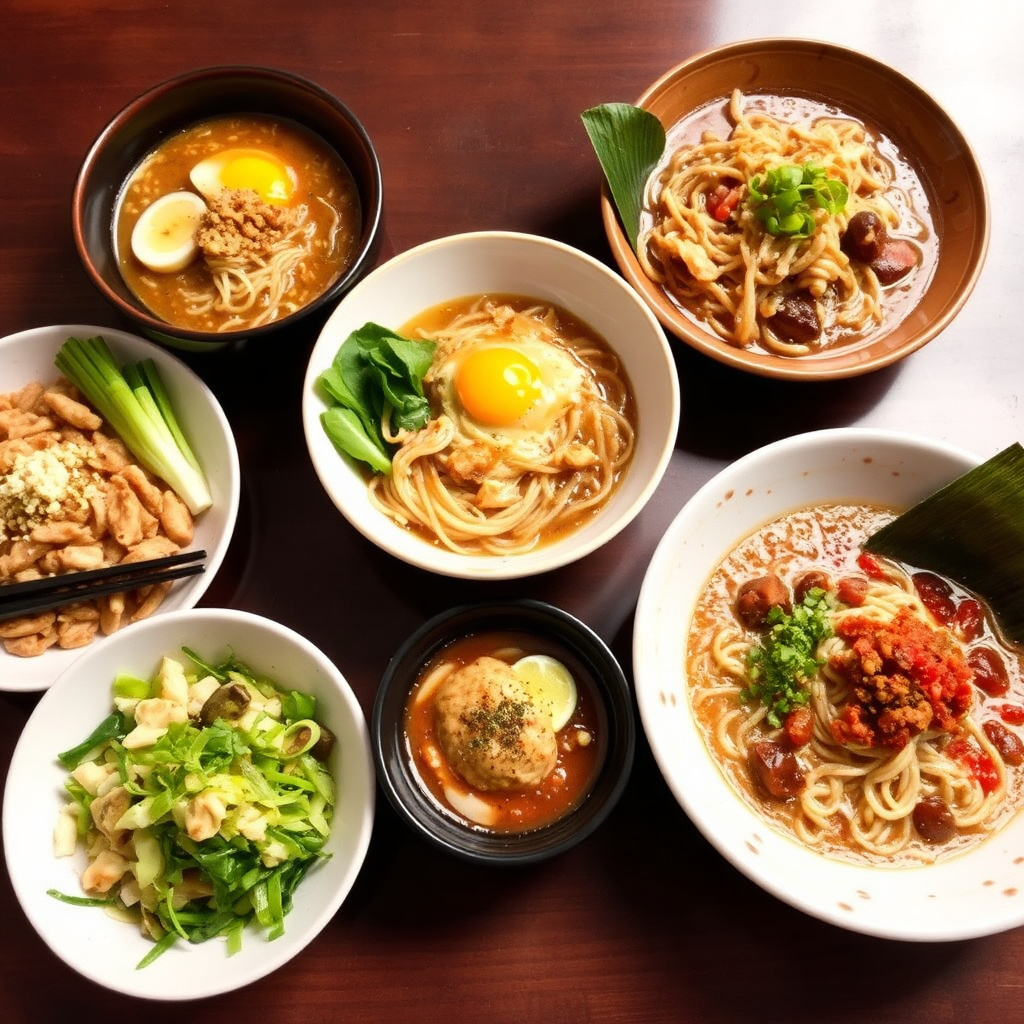
Some of the most beloved ramen styles include Tonkotsu ramen with its creamy pork bone broth, Shoyu ramen featuring a soy-sauce based broth, and Miso ramen boasting a robust fermented soybean paste flavor. Each offers a distinct noodle experience paired with various toppings like chashu (braised pork), menma (bamboo shoots), and ajitama (marinated soft-boiled egg).
These varieties are regionally tied in Japan yet have gained worldwide popularity, showcasing ramen’s complexity and versatility.
Classic Udon Styles
Popular udon dishes include Kake udon, served simply in hot broth; Kitsune udon, topped with sweetened fried tofu; and Zaru udon, cold noodles served with a chilled dipping sauce. These varieties emphasize the chewy texture of the noodles and the subtlety of accompanying flavors, creating comforting yet diverse options.
Udon can be enjoyed year-round, with variations that suit hot summer or cold winter meals.
Choosing Between Ramen vs Udon for Your Meal
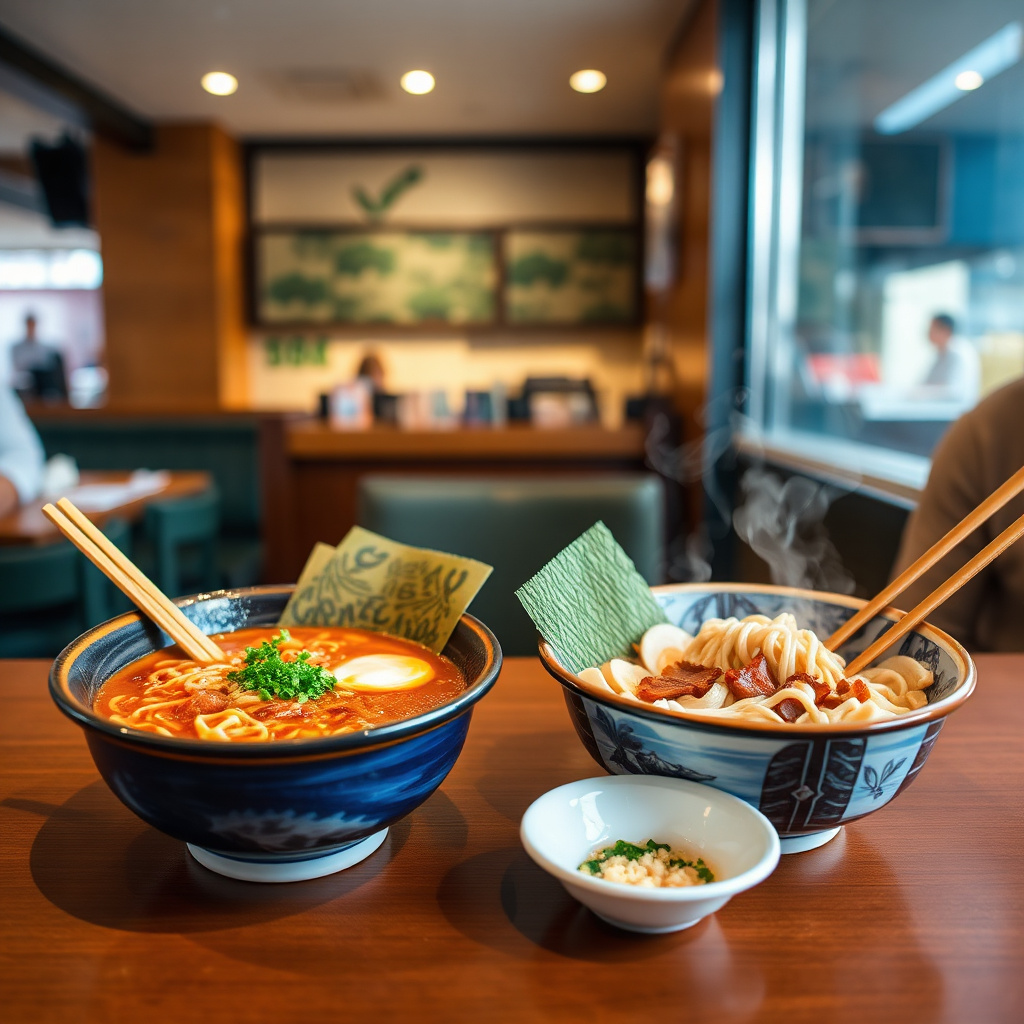
When to Pick Ramen
Opt for ramen when you want a filling, bold-flavored meal featuring complex broths and a chewy, firm noodle texture. Ramen suits colder days when a rich, hot soup feels satisfying, or when you crave an intense burst of umami with familiar toppings.
Ramen also pairs well with higher-protein additions and allows more variations in broth depth and spice.
For a detailed background on various Japanese noodles including ramen and udon, you can refer to Japanese noodles on Wikipedia. Japanese noodles on Wikipedia.
When Udon Makes More Sense
Choose udon if you prefer a gentle, comforting meal with a thick, slurpable noodle that highlights subtle broth flavors. Udon works well for lighter meals, fasting days, or when you want a dish adaptable for hot or cold consumption.
Its chewy texture makes it enjoyable as a standalone focus, especially when paired with simple toppings.
Ramen vs Udon: Key Differences at a Glance
Here’s a quick comparison to highlight the main distinctions between ramen and udon noodles across several important factors.
| Category | Ramen | Udon |
|---|---|---|
| Primary Ingredients | Wheat flour, water, salt, kansui (alkaline) | Wheat flour, water, salt |
| Noodle Thickness | Thin and firm | Thick and chewy |
| Typical Broth | Rich, complex (pork, soy, miso) | Light dashi-based |
| Cooking Time | 2-3 minutes | 8-12 minutes |
| Texture | Firm, springy | Soft, chewy |
| Common Serving Style | Hot soup with toppings | Hot broth or cold with dipping sauce |
Frequently Asked Questions
Are ramen and udon noodles made from different flours?
Both ramen and udon noodles are primarily made from wheat flour, but ramen uses kansui, an alkaline water, which affects its texture and color, while udon does not.
Can you use udon noodles in ramen recipes?
Udon noodles can be substituted in ramen dishes, but the texture and mouthfeel will change noticeably because udon noodles are thicker and chewier.
Which noodle is healthier, ramen or udon?
Udon noodles tend to have fewer calories and less fat than ramen, but the overall healthiness depends more on broth and toppings than the noodles themselves.
Do ramen and udon require different cooking times?
Yes, ramen cooks quickly in 2-3 minutes to maintain its firm texture, while udon needs longer, around 8-12 minutes, to become soft yet chewy.
What broths are typically served with udon noodles?
Udon is usually served in light broths based on dashi made from kombu and bonito flakes, providing a subtle umami flavor.
Key Takeaways
- Ramen noodles are thin and firm, made with alkaline water for a distinctive texture.
- Udon noodles are thick, soft, and chewy, lacking alkaline agents.
- Ramen uses rich, hearty broths; udon features lighter, dashi-based broths.
- Cooking times differ significantly: ramen cooks faster than udon.
Conclusion
Deciding between ramen vs udon essentially hinges on your desired texture and flavor experience. Ramen’s firm noodles and savory, deeply flavored broths create a powerful meal, while udon’s thick, chewy strands paired with mild broths offer a soothing, more subtle option. Understanding your palate’s preferences—whether you want a bold, rich soup or a gentle, comforting dish—is key to making the right choice.
For those seeking complexity and a filling meal, ramen varieties like tonkotsu or miso ramen will meet those needs well. Conversely, when you prefer a lighter, adaptable dish that works both hot and cold, udon with a simple dashi broth or kitsune topping provides balance and satisfaction. Experimenting with toppings and cooking styles for both ramen and udon can further tailor your dining experience to any occasion or season.
Ultimately, the best noodle comes down to what you crave in texture and flavor at that moment. Whether you choose the slurp-worthy chewiness of ramen or the hearty softness of udon, both bring unique traditions and tastes to the table. Try both in different settings and discover which noodle fits your meals and moods best.