What Is Chow Mein? A Complete Guide to the Popular Chinese Noodle Dish
Chow mein is a Chinese dish that features stir-fried noodles tossed with vegetables, meat or tofu, and a savory sauce. It's known for its crispy or soft noodles depending on the style, making it a versatile and flavorful meal enjoyed globally.
Its popularity is rooted in traditional Chinese cooking, combining quick stir-frying techniques with ingredients like soy sauce, garlic, and fresh vegetables. Many cultures have embraced chow mein, adapting it to local tastes and available ingredients, which explains its wide variety.
This article will explore what chow mein is in detail, including its history, different preparation styles, common ingredients, and how to make it at home. We'll also compare it with similar dishes and answer common questions.
The Origins and History of Chow Mein
Roots in Chinese Cuisine
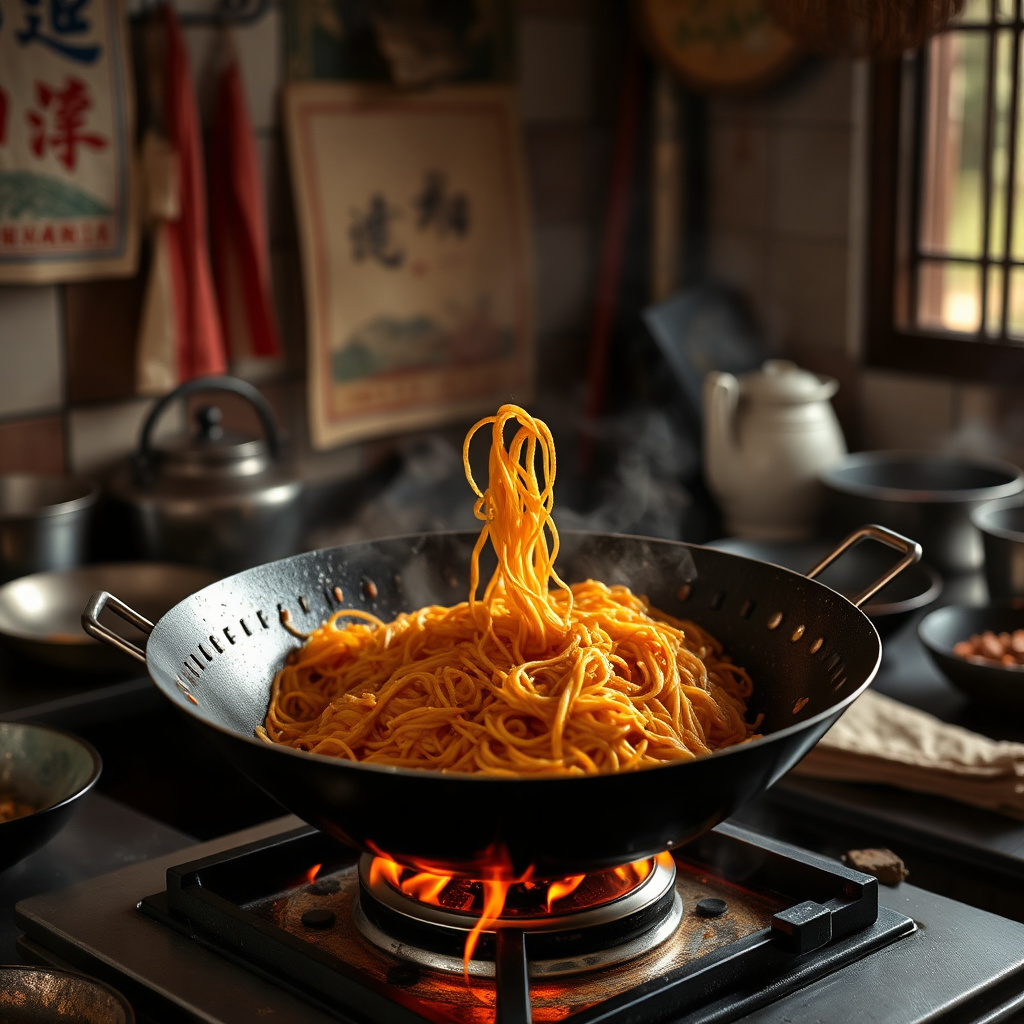
Chow mein originates from northern China where wheat-based noodles are the staple. The term "chow mein" means 'stir-fried noodles' in Cantonese, reflecting the cooking method rather than a specific recipe.
Historically, this dish evolved as an easy and quick meal, often prepared street-side with seasonal vegetables and affordable protein options like pork or chicken.
Global Adaptations and Variations
As Chinese immigrants moved worldwide, chow mein underwent numerous modifications, resulting in countless regional versions such as American-style crispy chow mein and softer Hong Kong-style stir-fry.
These adaptations include variations in noodle type, cooking technique, and ingredient combinations, reflecting availability and local preferences.
Ingredients That Define Chow Mein
Noodles: The Backbone of Chow Mein
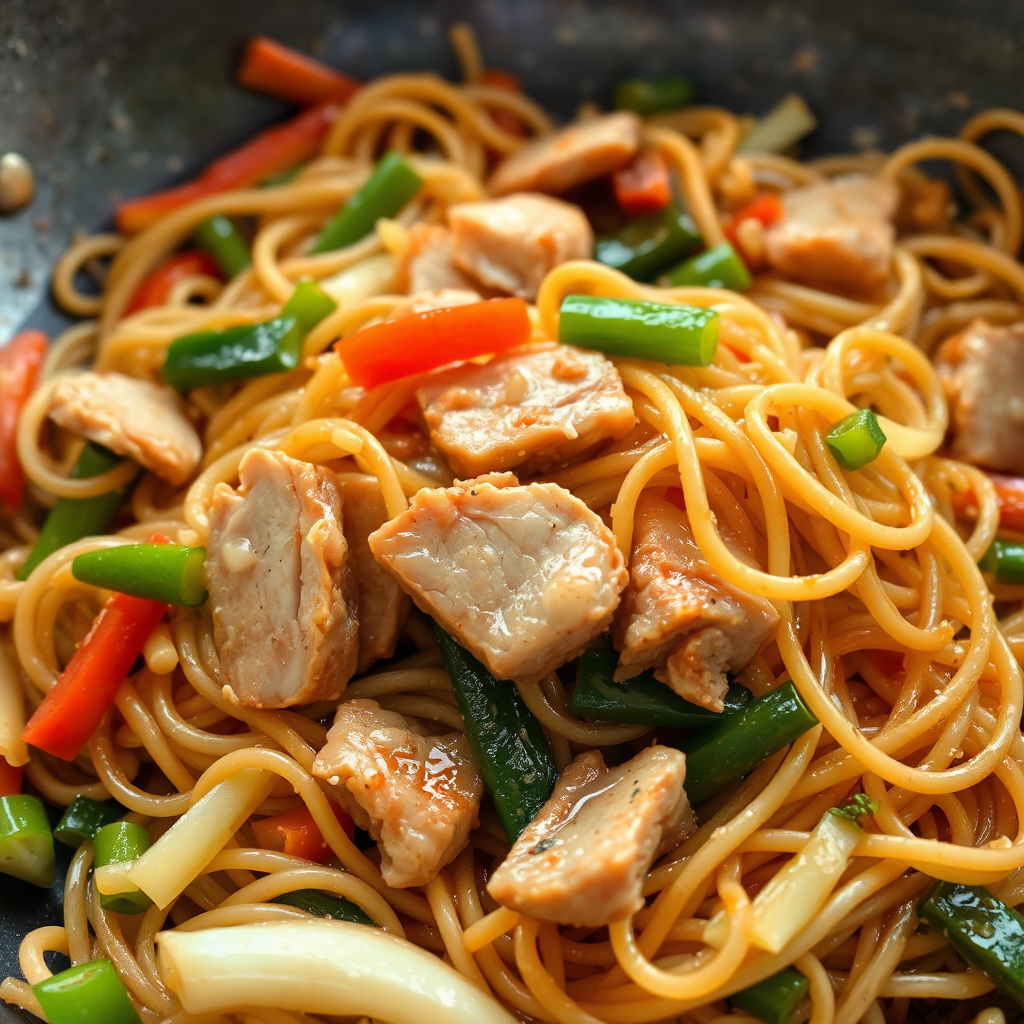
Chow mein typically uses thin, egg-based noodles made from wheat flour; however, thickness and texture vary by style. Some recipes call for boiling noodles until tender, then quickly stir-frying, while others use parboiled noodles crisped in oil.
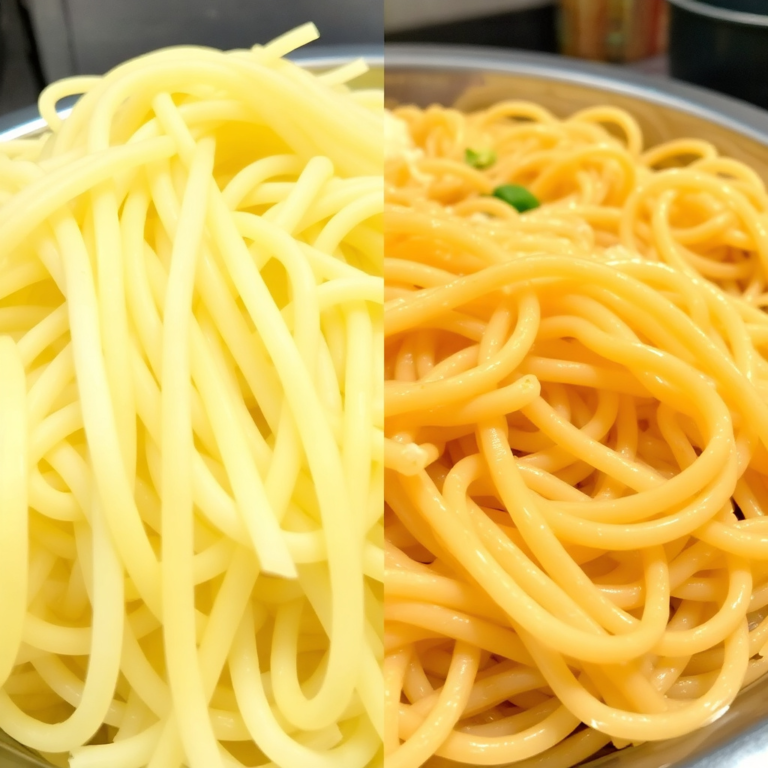
Choosing the right noodle affects texture significantly — soft versions rely on tender noodles, while crispy chow mein uses noodles fried until golden brown, bringing a contrasting crunch.
- Thin or thick wheat noodles
- Egg-based for elasticity
- Pre-boiled or parboiled before stir-fry
Vegetables and Proteins
Common vegetables include cabbage, bean sprouts, carrots, and green onions, all contributing crunch and freshness. Proteins like chicken, beef, shrimp, or tofu add substance and flavor.
Sauces, primarily soy sauce mixed with oyster sauce or hoisin, balance the dish with salty and slightly sweet flavors, often accented by garlic and ginger for aroma.
- Cabbage, carrots, bean sprouts
- Chicken, beef, shrimp, or tofu
- Soy sauce and oyster sauce
Cooking Techniques for Chow Mein
Soft Chow Mein Preparation
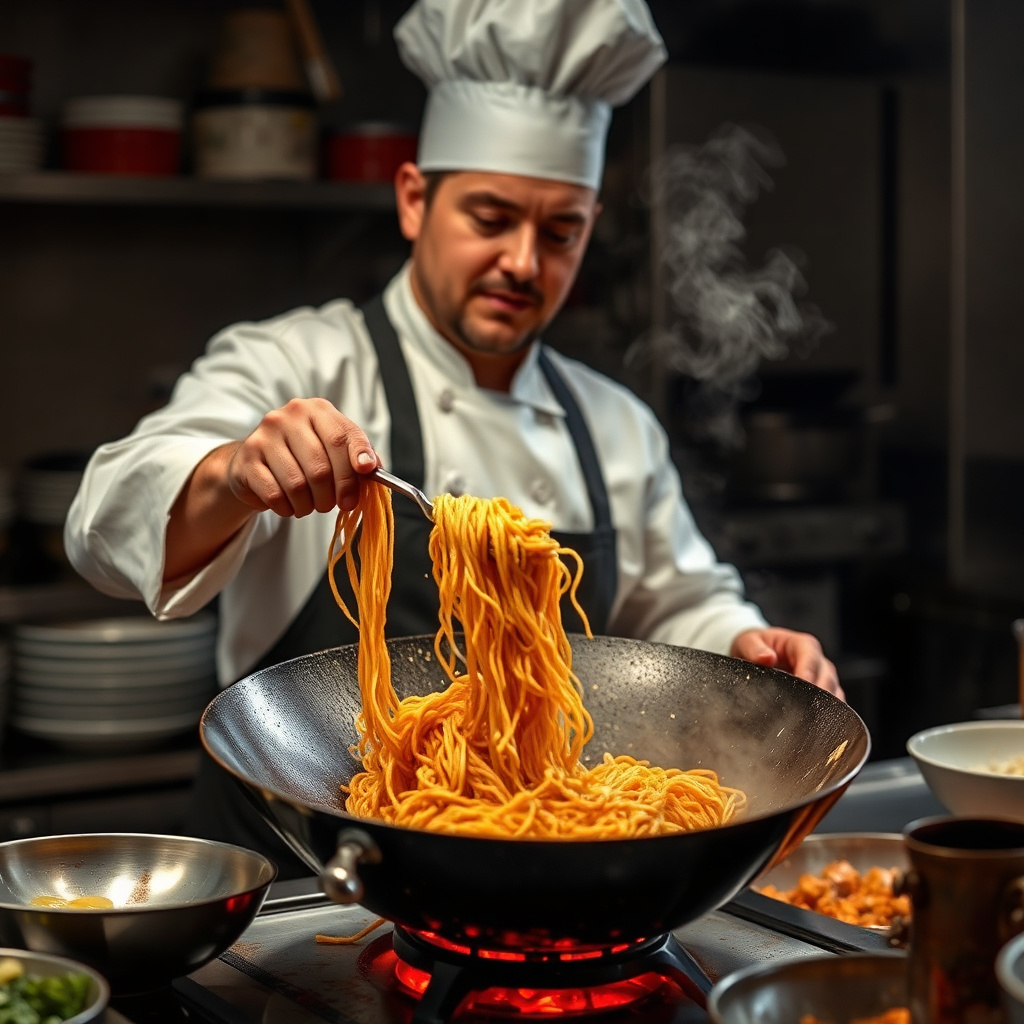
For soft chow mein, noodles are boiled then quickly stir-fried with ingredients on high heat just long enough to blend flavors while maintaining noodle tenderness.
The technique requires rapid movement and heat control to prevent overcooking, ensuring the noodles remain pliable and mix well with the sauce and other components.
For more on this, see our related guide: What Is Lo Mein? A Complete Guide to This Classic Chinese Noodle Dish.
Crispy Chow Mein Preparation
Crispy chow mein involves frying partially cooked noodles in oil until they form a crunchy base. Ingredients and sauce are served over or mixed with this crisp noodle layer.
This method creates textural contrast that is characteristic in many Western adaptations, appealing to those who enjoy a crunch in every bite.
Chow Mein vs. Other Chinese Noodle Dishes

Chow Mein Compared to Lo Mein
While both use wheat-based noodles and stir-frying, chow mein typically has noodles that are either crisped or stir-fried for texture, whereas lo mein noodles are boiled and then tossed with sauce, resulting in softer consistency.
Lo mein dishes often have a wetter sauce coating, contrasting chow mein’s drier, more textured noodle presentation.
Differences with Other Stir-Fried Noodles
Other stir-fried noodle dishes, like Singapore noodles or chow fun, use different types of noodles such as rice noodles, and often incorporate curry spices or different sauces.
Understanding these differences helps diners appreciate chow mein's unique place in Chinese cuisine as a wheat noodle stir-fry with characteristic seasonings and textures.
How to Make Chow Mein at Home

Step-by-Step Soft Chow Mein
Start by boiling thin wheat noodles until just tender before draining and rinsing to stop cooking. Heat oil in a wok on high, stir-fry minced garlic and ginger, add vegetables and protein, then toss in noodles.
Add soy sauce and oyster sauce, stir quickly to coat, and serve immediately to keep noodles tender and ingredients vibrant.
- Boil noodles till al dente
- High heat stir-fry with veggies and protein
- Sauce with soy and oyster sauce
For more on this, see our related guide: What Is Sweet and Sour Pork? A Flavorful Chinese Classic Explained.
Tips for Crispy Chow Mein
Parboil noodles then drain thoroughly. Heat oil in wok or pan and fry the noodles without stirring for several minutes until they crisp on one side, then flip to crisp the other.
Prepare vegetables and sauce separately to add on top or mix briefly after crisping noodles for full flavor and texture.
- Parboil and drain noodles well
- Fry noodles undisturbed until crisp
- Add cooked sauce and toppings last
Serving Suggestions and Pairings

Traditional Side Options
Chow mein pairs well with light sides such as steamed dumplings, hot and sour soup, or egg rolls, balancing the noodle dish's savory and sometimes oily elements.
A simple garnish of sliced green onions or sesame seeds can enhance presentation and flavor without overpowering chow mein.
To learn more about the history and cultural significance of chow mein, see the comprehensive Chow Mein history on Wikipedia. Chow mein history on Wikipedia.
Beverages to Complement Chow Mein
Green tea or jasmine tea are classic drink choices that cleanse the palate and complement the soy-based sauces in chow mein.
In Western settings, light beer or crisp white wine can also pair nicely, bringing subtle acidity and refreshing contrast.
Chow Mein Styles Category Comparison
This comparison highlights features of popular chow mein styles to help you identify the best fit for your taste.
| Style | Noodle Texture | Common Ingredients | Cooking Method | Origin |
|---|---|---|---|---|
| Soft Chow Mein | Tender, stir-fried | Wheat noodles, veggies, chicken/beef | Boiled then stir-fried | Northern China |
| Crispy Chow Mein | Crunchy, fried | Parboiled noodles, veggies, pork/shrimp | Fried until crisp | Chinese American |
| Hong Kong Style | Soft, slightly chewy | Egg noodles, mixed veggies, soy sauce | Stir-fried with sauce | Hong Kong |
| American Chow Mein | Crispy or soft | Wheat noodles, cabbage, celery, chicken/beef | Stir-fried or pan-fried noodles | USA |
| Singapore-Style (similar dish) | Soft, thin rice noodles | Rice noodles, curry spices, shrimp | Stir-fried with curry | Singapore |
Frequently Asked Questions
Is chow mein a healthy meal option?
Chow mein can be healthy depending on ingredients and portion size. Using lean proteins, lots of vegetables, and moderate oil keeps it nutritious without excess calories.
What type of noodles should I buy for chow mein?
Look for fresh or dried egg noodles labeled 'chow mein noodles' or 'thin egg noodles' made from wheat. Avoid rice noodles for authentic chow mein texture.
Can chow mein be made vegetarian or vegan?
Yes, chow mein can easily be made vegetarian or vegan by replacing meat with tofu or extra vegetables, and using vegetarian sauces without oyster sauce.
How is chow mein different from lo mein?
Chow mein noodles are usually stir-fried to be crispy or just lightly cooked, whereas lo mein noodles are boiled and mixed softly with sauce and ingredients.
What sauces are typically used in chow mein?
Soy sauce and oyster sauce are typical, sometimes with hoisin sauce or sesame oil added to create a balanced savory flavor.
Key Takeaways
- Chow mein is a Chinese stir-fried noodle dish with soft or crispy textures.
- Wheat-based egg noodles and soy-based sauces define its flavor profile.
- There are many regional and global variations reflecting local tastes.
- Making chow mein at home requires attention to noodle texture and quick stir-frying.
Conclusion
Evaluating what chow mein truly is involves understanding its roots as a versatile stir-fried noodle dish originating from northern China. This dish balances distinct noodle textures, fresh vegetables, and savory sauces, making it adaptable. Choosing between styles, such as soft versus crispy noodles, hinges on personal preference and cooking methods. The main keyword 'what is chow mein' highlights the diverse yet coherent nature of this dish within Chinese cuisine and its international presence.
For those interested in exploring chow mein, soft versions offer a tender, mixable noodle experience ideal for casual meals, while crispy chow mein delivers textural contrast popular in Western adaptations. Regional styles like Hong Kong and American chow mein showcase variations in ingredients and preparation that suit different tastes. For a reliable cooking experience, selecting proper noodles and mastering the stir-fry technique ensures restaurant-quality results at home.
If you're ready to try making chow mein yourself, begin with soft wheat noodles for easier handling, fresh vegetables like cabbage and carrots, and a simple sauce of soy and oyster sauce. Remember to cook quickly on high heat to keep flavors bright and noodles with the right bite. For more cultural and culinary background, visiting educational resources will enrich your appreciation for this classic noodle dish.


3 Comments