How Many Calories Are in Sesame Chicken: A Detailed Calorie Guide
Sesame chicken typically contains around 300 to 600 calories per serving, depending largely on the preparation method and portion size. The calorie count can vary due to factors such as batter thickness, cooking oil, and sauce quantity. On average, a standard restaurant serving weighs about 1 cup and falls near 400 calories.
This information matters because sesame chicken is a popular takeout dish, and understanding its calorie content helps with making healthier dietary decisions. Many versions are deep-fried and coated with a sweet sauce, which significantly increases calorie content compared to homemade or baked options.
In this article, we will explore how different cooking methods, serving sizes, and ingredients influence the calories in sesame chicken. We will break down nutrition facts and also compare sesame chicken to similar dishes, helping you decide how it fits into your overall diet.
Understanding Sesame Chicken Calories and Ingredients

Primary Components Contributing to Calories
Sesame chicken’s calorie count mainly comes from chicken, batter, oil used in frying, and the sweet sauce. Each of these components adds distinct calorie contributions. For example, batter and deep frying dramatically increase fat content, while the sugary sauce adds carbohydrates.
Standard batter often contains flour and cornstarch which, combined with oil absorption during frying, increases calorie density. Meanwhile, the sauce usually contains sugar and sesame oil, both calorically dense, enhancing flavor and texture but also raising calorie content.
- Chicken: Protein source with moderate calories
- Batter: Adds carbohydrates and calories
- Frying oil: Significant source of fat
- Sauce: Contributes sugar and fats
Variations That Affect Calorie Content
Some recipes use baked or air-fried chicken to reduce calories and fat. Others may vary sauce recipes with less sugar or alternative sweeteners. Portions vary broadly which impacts total calorie intake per serving.
Homemade sesame chicken typically has fewer calories due to less batter and control over sauce ingredients. Conversely, restaurant and takeout versions tend to have higher sugar and oil content, increasing total calories significantly.
- Baked vs. fried preparation
- Sauce sweetness level
- Portion size differences
- Use of oil and batter thickness
Breaking Down Sesame Chicken Nutrition Facts

Calorie Breakdown per Serving Size
A typical 1-cup serving of sesame chicken provides around 400 calories, comprising about 25 grams of fat, 30 grams of carbohydrates, and 20 grams of protein. Adjusting portion size naturally alters calorie and macronutrient values.
Small servings (half cup) can cut calories to 200–300, while large portions may push calorie intake above 600, especially in restaurants known for heavier sauces and batter.
- Calories: ~400 per cup
- Fat: 20-30 grams
- Carbohydrates: 25-35 grams
- Protein: ~20 grams
Other Important Nutritional Considerations
Besides calories, sesame chicken might contain high sodium levels and sugars from the sauce, which contribute to negative health impacts if consumed frequently. It’s also a source of iron and some vitamins from chicken, but benefits may be offset by added fats and sugars.
Choosing versions with reduced sodium sauces or serving alongside vegetables can improve nutritional balance. Sesame seeds add fiber and healthy fats, but in small amounts relative to the dish’s caloric load.
- High sodium content
- Added sugars in sauce
- Protein from chicken
- Trace vitamins and minerals
How Cooking Methods Influence Sesame Chicken Calories

Deep Frying vs. Air Frying
Deep frying sesame chicken dramatically increases calorie content due to oil absorption. A fried portion can have twice the fat as an air-fried or baked alternative. Air frying uses less oil and maintains crispiness, lowering fat by about 50% or more.
Switching to air frying also reduces the risk of consuming trans fats that can form during deep frying, making the meal healthier while preserving much of the flavor and texture.
- Deep frying adds significant fat
- Air frying uses minimal oil
- Air frying cuts calories by ~50%
- Texture remains crispy when air fried
For more on this, see our related guide: Is Orange Chicken Healthy? A Nutritional Breakdown and Health Guide.
Baking and Stir-Frying Options
Baking sesame chicken with minimal oil is another way to cut calories substantially compared to traditional methods. Stir-frying chicken with sauce but without batter reduces carbohydrates and fats.
These methods offer leaner alternatives ideal for those watching calories or fat intake. Bake or stir-fry with minimal added sugar sauces for better control over calorie sources.
- Baking reduces fat and calories
- Stir-frying skips batter carbs
- Both methods lower overall calories
- Healthier sauce choices benefit nutrition
Comparing Sesame Chicken to Similar Dishes

Sesame Chicken vs. Orange Chicken
Both dishes are breaded and fried with sweet sauces, but sesame chicken usually contains slightly fewer calories primarily due to less sugar in the sauce. Orange chicken tends to have a tangier, sweeter sauce with more sugar and slightly higher carb content.
Choosing sesame chicken over orange chicken can save about 50 to 100 calories per serving, but portions and restaurant recipes vary, so the difference may not be drastic.
- Sesame chicken has less sugar
- Orange chicken is typically sweeter
- Calories per serving vary by recipe
- Portion sizes impact total intake
Sesame Chicken vs. General Tso’s Chicken
General Tso’s chicken often contains spicier sauce with more sugar and oil content, raising calorie counts above those of sesame chicken by 10-20%. The preparation techniques are similar, but flavor profiles lead to different sauce compositions and calorie impacts.
For those counting calories, sesame chicken can be a slightly lighter choice, but both should be consumed in moderation due to frying and sugary sauces.
- General Tso’s is spicier and sweeter
- Slightly higher calories than sesame chicken
- Similar preparation styles
- Choose portion sizes carefully
Nutrition Tips for Lower-Calorie Sesame Chicken
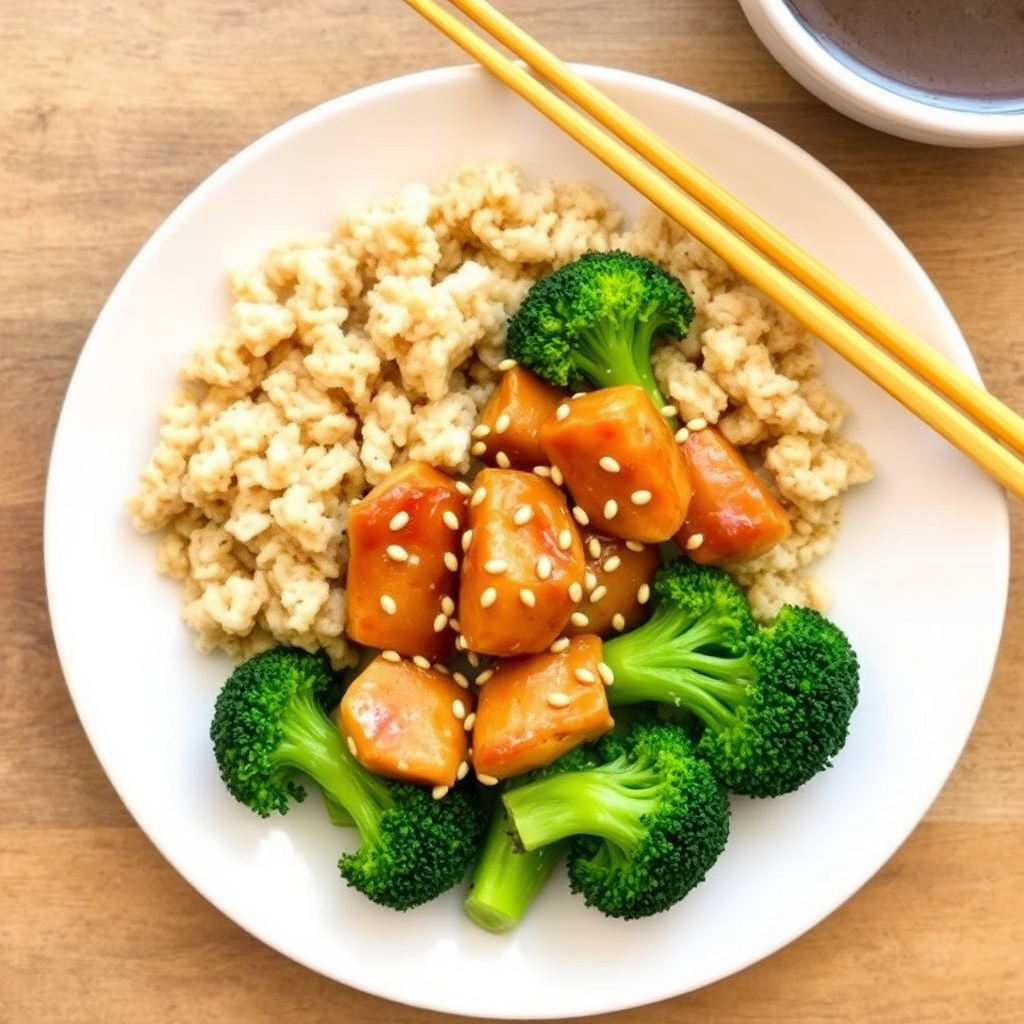
Making Healthier Sesame Chicken at Home
Homemade sesame chicken lets you control ingredients like batter thickness, amount of oil used, and sugar in the sauce. Baking or air frying chicken is a great way to cut calories while retaining flavor.
Use low-sodium soy sauce and reduce sugar in the sesame sauce to lower sodium and sugar content. Add steamed vegetables on the side to increase fiber and create a balanced meal.
- Use air fryer or oven baking
- Thin batter or no batter
- Low-sodium, low-sugar sauce
- Include vegetables for balance
For more on this, see our related guide: What Is General Tso Chicken? A Complete Guide to This Popular Chinese-American Dish.
Smart Restaurant Ordering Strategies
Ordering smaller portions or sharing a sesame chicken dish can reduce calorie intake when dining out. Ask for sauce on the side to control how much you consume, and select steamed rice instead of fried rice as a side.
Look for restaurants offering lighter cooking options or dishes marked as healthier. Avoid extra batter or thick sauces when possible to minimize calorie load.
- Share portions with others
- Request sauce on the side
- Choose steamed over fried sides
- Pick restaurants with healthier options
Calorie Counting and Tracking Tips for Sesame Chicken

Estimating Calories Accurately
Measuring portion sizes at home or estimating restaurant servings helps track calories more accurately when eating sesame chicken. Using nutrition apps with database entries for common dishes aids precise tracking.
Pay attention to sauce quantity and type, along with cooking method notes—these details significantly affect calorie counts and should be included for accuracy.
- Use digital food scales
- Track ingredients individually
- Include sauce calories
- Adjust for cooking method
For more detailed information on sesame chicken, you can explore the sesame chicken nutrition facts on Wikipedia. Sesame chicken nutrition facts.
Incorporating Sesame Chicken in a Balanced Diet
Sesame chicken can fit into a calorie-conscious diet if balanced with lower-calorie meals throughout the day. Combine with high-fiber vegetables and moderate portion sizes to enjoy the dish without overconsuming calories.
Tracking meals around sesame chicken allows maintaining overall calorie goals and reduces risks of weight gain when consuming fried and sauced foods.
- Balance with low-calorie foods
- Monitor daily calorie intake
- Pair with fiber-rich vegetables
- Practice portion control
Sesame Chicken vs. Similar Asian Chicken Dishes: Calorie Comparison
This table compares the average calorie content and macronutrients of common Asian chicken dishes to understand how sesame chicken stacks up.
| Dish | Calories (per cup) | Fat (g) | Carbohydrates (g) | Protein (g) |
|---|---|---|---|---|
| Sesame Chicken | 400 | 25 | 30 | 20 |
| Orange Chicken | 450 | 27 | 35 | 18 |
| General Tso's Chicken | 480 | 28 | 35 | 19 |
| Teriyaki Chicken | 320 | 12 | 20 | 25 |
| Kung Pao Chicken | 350 | 20 | 18 | 22 |
Frequently Asked Questions
Does homemade sesame chicken have fewer calories than restaurant versions?
Yes, homemade sesame chicken often has fewer calories because you can control batter thickness, oil use, and sauce sugar levels.
Is sesame chicken a high-protein meal?
Sesame chicken provides a moderate protein amount, usually around 20 grams per serving, due to the chicken meat content.
Can air frying reduce the calories in sesame chicken?
Air frying reduces calories by using less oil, cutting fat content roughly by half compared to deep frying.
How does the sauce affect calorie content in sesame chicken?
The sauce typically contains sugar and oil, significantly increasing carbohydrates and fat, which raises the total calorie count.
Is sesame chicken suitable for low-carb diets?
Because of its batter and sugary sauce, sesame chicken is relatively high in carbohydrates, so it’s less suitable for strict low-carb diets.
Key Takeaways
- Sesame chicken calories vary mainly due to frying and sauce ingredients
- Air frying or baking reduce fat and calories significantly
- Portion size and sauce sugar content greatly impact calorie totals
- Homemade versions allow better control over calorie and nutrition content
Conclusion
Determining how many calories are in sesame chicken hinges on factors like cooking method, sauce recipe, and portion size. Understanding the components that contribute calories—batter, oil, sugary sauce—can help you make informed meal choices. Careful attention to how the dish is prepared reduces excessive calorie intake while still enjoying its savory flavor.
For those seeking lower calorie options, homemade versions prepared with air frying or baking methods offer a healthier alternative without sacrificing taste. Choosing smaller portions or ordering sauces on the side at restaurants also helps manage calories. When comparing other dishes like orange chicken or General Tso’s, sesame chicken generally has slightly fewer calories but shares many nutritional similarities.
If you want to enjoy sesame chicken without overshooting your calorie goals, consider making it at home or selecting lighter preparation methods. Tracking serving sizes and sauce amounts is key for accurate calorie awareness. Incorporate sesame chicken thoughtfully into your diet alongside vegetables and controlled portions for a satisfying, balanced meal experience.