How to Make Maki Roll: A Step-by-Step Guide to Perfect Sushi Rolls
Making a maki roll, a classic type of sushi, begins with assembling bamboo mat, nori seaweed, sushi rice, and your choice of fillings like fish, vegetables, or avocado. Spread the rice evenly on the nori, add fillings, then roll tightly to shape the sushi.
Maki rolls combine simplicity with creativity, offering endless filling options that suit different tastes. Mastering the basic technique enhances your ability to make fresh, restaurant-quality sushi at home, adding authentic Japanese flavors to your meals.
This article will guide you through each step of making maki rolls, including preparation of ingredients, proper rolling techniques, tips for slicing, and serving suggestions to help you make delicious sushi rolls easily.
Preparing Ingredients for Maki Roll
Selecting and Preparing Sushi Rice
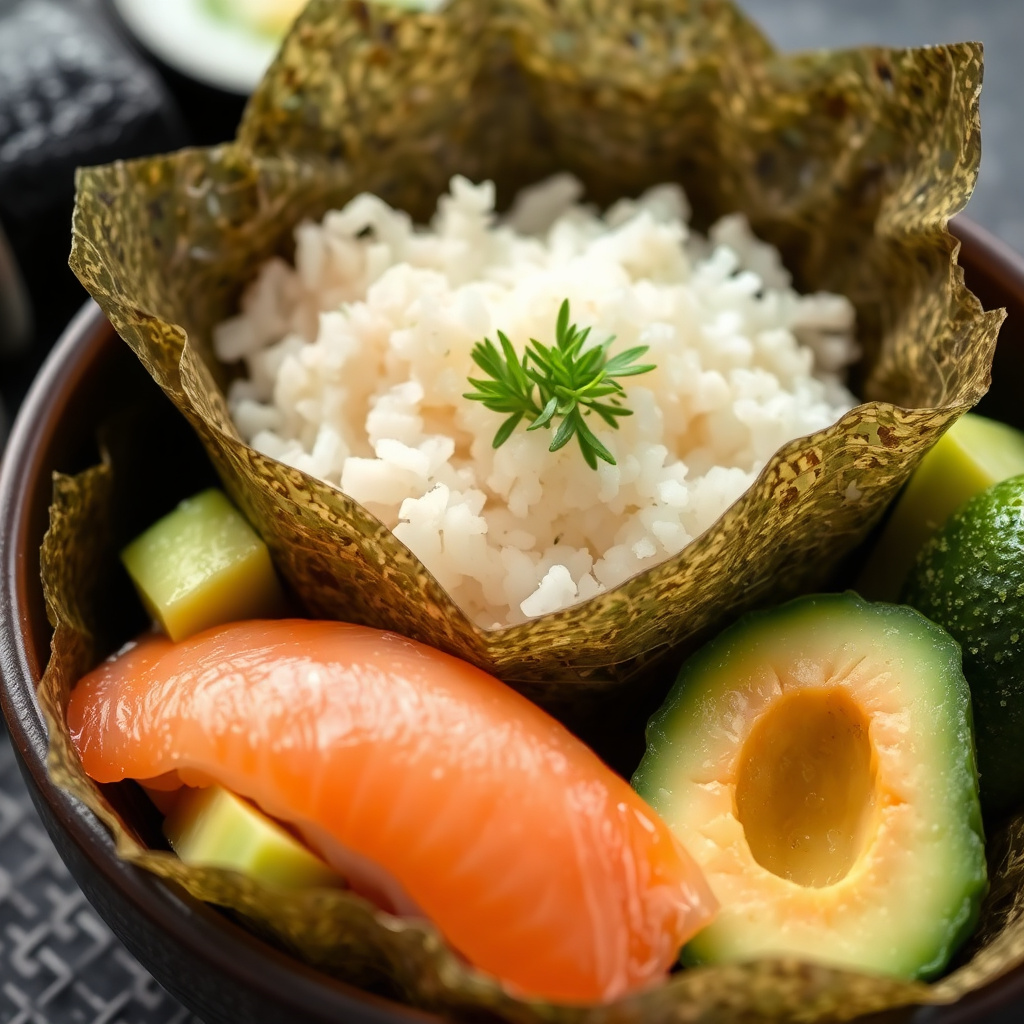
Choosing the right sushi rice is essential for making good maki rolls. Use short-grain Japanese rice for its sticky texture when cooked. Rinse the rice thoroughly until water runs clear to remove excess starch, then cook it with the correct water ratio. Once cooked, season the rice with a mix of rice vinegar, sugar, and salt to get that characteristic tangy flavor and shiny appearance.
Properly cooled rice is easier to handle and prevents nori from becoming soggy. Spread it evenly on the nori sheet without pressing too hard to maintain the rice’s fluffiness.
Choosing Fillings and Nori Sheets
Freshness is critical when selecting fillings like fish or vegetables. Popular choices include raw tuna, salmon, cucumber, and avocado. Vegetables should be cut into thin, uniform strips for easy rolling. Nori sheets should be dark green and crisp; keep them in a dry place and only expose them when ready to assemble the roll.
Balance flavors and textures when combining fillings—creamy avocado complements firm fish, while crunchy cucumber adds freshness. Avoid overfilling, as this makes rolling difficult and can cause the roll to fall apart.
- Fresh fish or seafood
- Fresh vegetables
- High-quality nori sheets
Step-by-Step Maki Roll Technique

Spreading Rice and Adding Fillings
Place a sheet of nori on the bamboo rolling mat with the shiny side down. Wet your hands to prevent rice from sticking, then spread a thin, even layer of sushi rice over the nori, leaving about 1 inch uncovered at the top edge for sealing the roll.
Arrange your fillings in a line about one inch from the bottom edge of the rice-covered nori. Be careful not to overload the roll, making rolling easier and results neater.
- Wet hands to handle rice
- Leave a border on the nori
- Even rice layer
For more on this, see our related guide: How to Make Sashimi at Home: A Step-by-Step Guide.
Rolling and Sealing the Maki Roll
Using the bamboo mat, gently lift the edge closest to you and fold over the fillings, applying gentle pressure to begin the roll. Pull the mat as you roll forward, keeping consistent pressure to form a tight cylinder.
Once rolled, wet the bare nori edge to help seal the roll. Let the roll rest for a moment to hold its shape before slicing.
- Use bamboo mat evenly
- Seal with water
- Apply consistent rolling pressure
Cutting and Serving Your Maki Roll

Knife Choice and Cutting Technique
Use a very sharp, wet knife to cut the roll into even pieces cleanly. Clean the blade between cuts to prevent sticking and squashing the roll. A dull knife can crush the roll and ruin its appearance.
To make neat slices, press gently down and slightly pull the knife toward you in a single smooth motion without sawing back and forth.
- Use a sharp, wet knife
- Clean between cuts
Serving Suggestions and Presentation
Arrange maki rolls on a serving plate with pickled ginger, wasabi, and soy sauce on the side. Garnish with sesame seeds or thinly sliced green onions for extra flavor and visual appeal.
Serve immediately to enjoy the rice texture and freshness of ingredients at their best. Maki rolls pair well with light soups or green tea.
Common Mistakes to Avoid When Making Maki Roll

Overfilling and Uneven Rice Spreading
Placing too many fillings can cause the roll to break or be difficult to slice, resulting in messy sushi. Similarly, uneven rice spreading leads to imbalanced rolls where some bites have no filling or dense patches of rice.
It’s better to start with minimal fillings and uniform rice layers to maintain structure and taste balance.
For more on this, see our related guide: How to Make Rainbow Roll: A Step-by-Step Sushi Guide.
Rolling Too Tightly or Too Loosely
Rolling too tightly can squeeze out fillings and compress rice, making the roll dense and hard to eat. Rolling too loosely results in a loose, falling-apart roll that won’t hold its shape.
Aim for firm but gentle pressure with the bamboo mat, enough to keep ingredients compact without deformation.
Advanced Tips for Perfect Maki Roll
Using Plastic Wrap Over Bamboo Mat
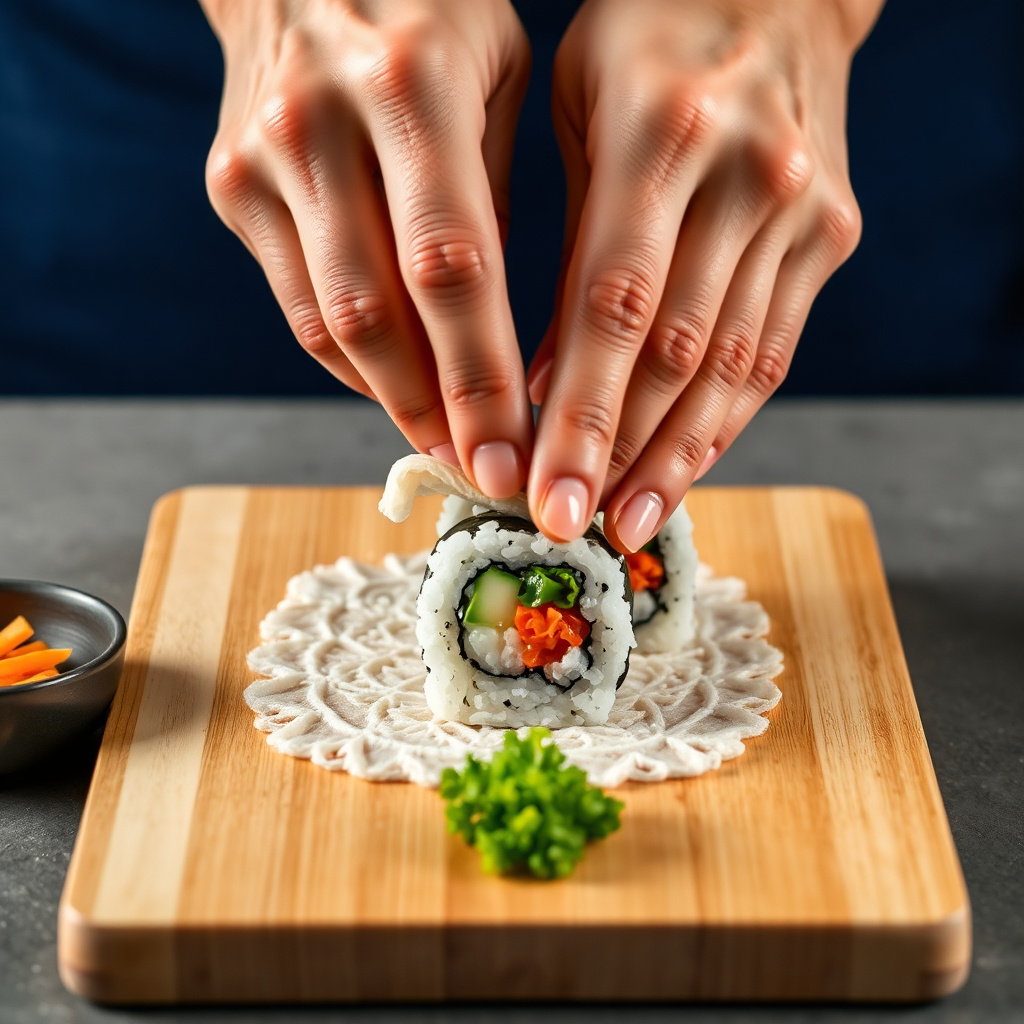
Covering the bamboo mat with plastic wrap before spreading the nori and rice prevents sticking and makes cleaning easier. It also helps maintain smooth rolling and reduces risk of damaging the nori.
This simple step is favored by sushi chefs to speed up preparation when making multiple rolls.
For more detailed cultural and historical background, see the maki sushi details on Wikipedia. Maki sushi details on Wikipedia.
Experimenting with Inside-Out and Specialty Rolls
Once comfortable with basic maki rolls, try inside-out rolls (uramaki) with rice on the outside for a different texture. Specialty rolls can include multiple fillings, sauces, or toppings like tempura flakes.
Mastering the best sushi rolling techniques lets you expand your sushi repertoire beyond traditional rolls.
Maki Roll Types Category Comparison
Here is a comparison of popular maki roll types to help you decide which style fits your taste and skill level.
| Roll Type | Rice Position | Common Fillings | Difficulty Level |
|---|---|---|---|
| Hosomaki | Rice inside | Single filling like cucumber or tuna | Easy |
| Futomaki | Rice inside | Multiple fillings including vegetables and fish | Medium |
| Uramaki (Inside-out) | Rice outside | Mix of fillings, sometimes with toppings | Medium to Hard |
| Temaki (Hand Roll) | Rice inside, cone shape | Varied fillings with a handheld shape | Easy |
Frequently Asked Questions
What type of rice is best for making maki roll?
Short-grain Japanese sushi rice is best because of its sticky texture which helps the roll hold together. Avoid long-grain rice as it is too dry and loose.
Can I make maki roll without a bamboo mat?
While a bamboo mat helps roll evenly and tightly, you can use plastic wrap or your hands to shape the roll. However, mats provide the easiest and most consistent results.
How do I prevent the nori from getting soggy?
Use cool, properly seasoned rice and spread it evenly without pressing hard. Assemble and serve maki rolls promptly to keep nori crisp.
Is raw fish necessary for making maki roll?
No, maki rolls can be made with cooked seafood, vegetables, or vegetarian ingredients to suit dietary preferences.
How should I store leftover maki rolls?
Wrap leftovers tightly in plastic wrap and refrigerate for up to 24 hours. Sushi texture changes over time and tastes best fresh.
Key Takeaways
- Use short-grain sushi rice properly seasoned for authentic flavor and texture.
- Wet hands and an even rice layer help prevent sticking and tearing.
- Apply moderate pressure when rolling with a bamboo mat to form tight, neat rolls.
- Sharp, wet knife cuts prevent crushing maki rolls and preserve their appearance.
Conclusion
Making maki roll at home is rewarding and enjoyable once you understand the fundamental steps and ingredients. Choosing quality sushi rice and fresh fillings lays a solid foundation, while mastering the rolling technique shapes your ingredients into delicious, visually appealing rolls. Patience and practice transform these simple ingredients into sushi that rivals restaurant quality.
If you prefer simple sushi, starting with hosomaki or temaki is a great choice due to their straightforward preparation. For those ready to highlight a variety of textures and flavors, futomaki or inside-out uramaki rolls offer exciting options but need slightly more skill. Learning the best sushi rolling techniques unlocks customization possibilities, enabling creativity with fillings and presentation style.
The next step is to gather your ingredients and tools, try your hand at the basic maki roll technique outlined here, then explore more intricate variations once you feel confident. Experimentation enhances your skills and personal enjoyment in crafting sushi tailored to your tastes.




One Comment