Types of Chinese Noodles: A Detailed Guide to Popular Varieties
Chinese noodles come in a wide range of types distinguished by ingredients, thickness, and preparation methods. Some of the most popular varieties include wheat-based noodles like lo mein and chow mein, rice noodles such as mi fen, and chewy, hand-pulled noodles called lamian. Understanding the different types helps you pick the right noodle for specific recipes and cooking styles.
Noodles play a central role in Chinese cuisine, with recipes varying dramatically between regions. Each noodle type has distinct characteristics like texture, thickness, and flavor absorption, influencing their ideal cooking techniques and dish pairings. Whether stir-fried, boiled, or served in soups, these noodles shape the culinary experience.
This article explores the most common types of Chinese noodles, their unique qualities, traditional uses, and practical tips for cooking. You’ll also find comparisons on texture and ingredient base to help select the best Chinese noodles for cooking various meals.
Wheat-Based Chinese Noodles

Lo Mein Noodles
Lo mein noodles are soft, boiled wheat noodles typically served tossed with vegetables and meat in a savory sauce. These noodles have a tender texture that absorbs flavors well without breaking apart easily, making them ideal for stir-fry dishes.
They are usually made from high-gluten wheat flour to achieve elasticity and chewiness, and often cut into thin, flat strips. Lo mein noodles are not fried, distinguishing them from chow mein varieties.
Chow Mein Noodles
Chow mein noodles are similar in composition to lo mein but are thinner and often par-cooked before being stir-fried to a crisp texture. This preparation creates a contrast between a crunchy noodle and tender toppings.
These noodles are fried in oil until slightly browned and crispy on the edges, commonly served with vegetables and diced meats or seafood for a hearty dish.
Rice-Based Chinese Noodles

Mi Fen (Rice Vermicelli)
Mi fen are thin, translucent rice noodles popular in southern China. They cook quickly and absorb dressings and broths effectively, making them suitable for soups and salads.
Often made from finely milled rice flour and water, these noodles have a delicate texture and mildly sweet flavor, lending themselves well to light sauces and stir-fries.
He Fen (Rice Flat Noodles)
He fen are wide, flat rice noodles prevalent in Cantonese dishes like chow fun. Their broader surface allows for greater sauce coating and a satisfying chewiness when properly cooked.
These noodles are typically stir-fried or served in flavorful broths, offering versatility and an appealing texture contrast within a meal.
Hand-Pulled and Specialty Noodles

Lamian (Hand-Pulled Noodles)
Lamian is a specialty wheat noodle made by repeatedly stretching and folding dough until thin strands form. The hand-pulling technique creates noodles with a distinct chewy texture prized in northern Chinese cuisine.
These noodles are versatile, commonly served in rich beef or lamb broths or stir-fried. Their freshness and texture make them stand out compared to machine-cut counterparts.
For more on this, see our related guide: Exploring the Most Popular Types of Chinese Food Across Regions.
Knife-Cut Noodles (Dao Xiao Mian)
Knife-cut noodles are thick wheat noodles sliced directly into boiling water from a dough block. This method yields irregularly shaped, tender strands with greater bite and texture.
Popular in Shanxi cuisine, these noodles are hearty and typically paired with savory broths or spicy sauces, highlighting their robust character.
Egg Noodles and Their Uses

Egg Lo Mein Noodles
Egg noodles incorporate egg into the wheat flour dough, lending a richer flavor and vibrant yellow color. In lo mein preparations, these noodles are boiled then stir-fried with assorted ingredients.
The presence of egg slightly changes the noodle’s structure, making it softer but retaining enough firmness to hold onto sauces effectively.
Thin Egg Noodles
Thin egg noodles are frequently used in soups and light stir-fries. These noodles cook quickly and offer a delicate mouthfeel while providing a subtle egg aroma.
They often serve as a base for classic dishes like wonton noodle soup or light broth bowls, providing texture without overpowering other flavors.
Texture and Thickness Differences

Impact of Thickness on Cooking
Thicker noodles generally require longer boiling or cooking times but maintain chewiness better during stir-frying or boiling. Thin noodles cook quickly but can easily become mushy if overcooked.
Choosing noodle thickness depends on the dish’s sauce or broth and whether it’s baked, fried, or boiled. Each thickness offers unique mouthfeel suited for various recipes.
- Thick noodles hold up well in hearty stews
- Thin noodles are ideal for soupy dishes
- Medium thickness works for versatile stir-fry uses
For more on this, see our related guide: How Long Can Chinese Food Sit Out Safely at Room Temperature?.
Texture Variations Among Types
Different preparation techniques and ingredients lead to diverse textures — from soft and slippery rice noodles to firm and elastic hand-pulled wheat noodles.
Consider texture when choosing noodles for a dish, since softer ones blend smoothly in soups, while chewier types add satisfying bite in dry or stir-fried meals.
- Rice noodles: tender and slippery
- Wheat noodles: firm and elastic
- Hand-pulled: chewy and springy
Regional Variations in Chinese Noodles
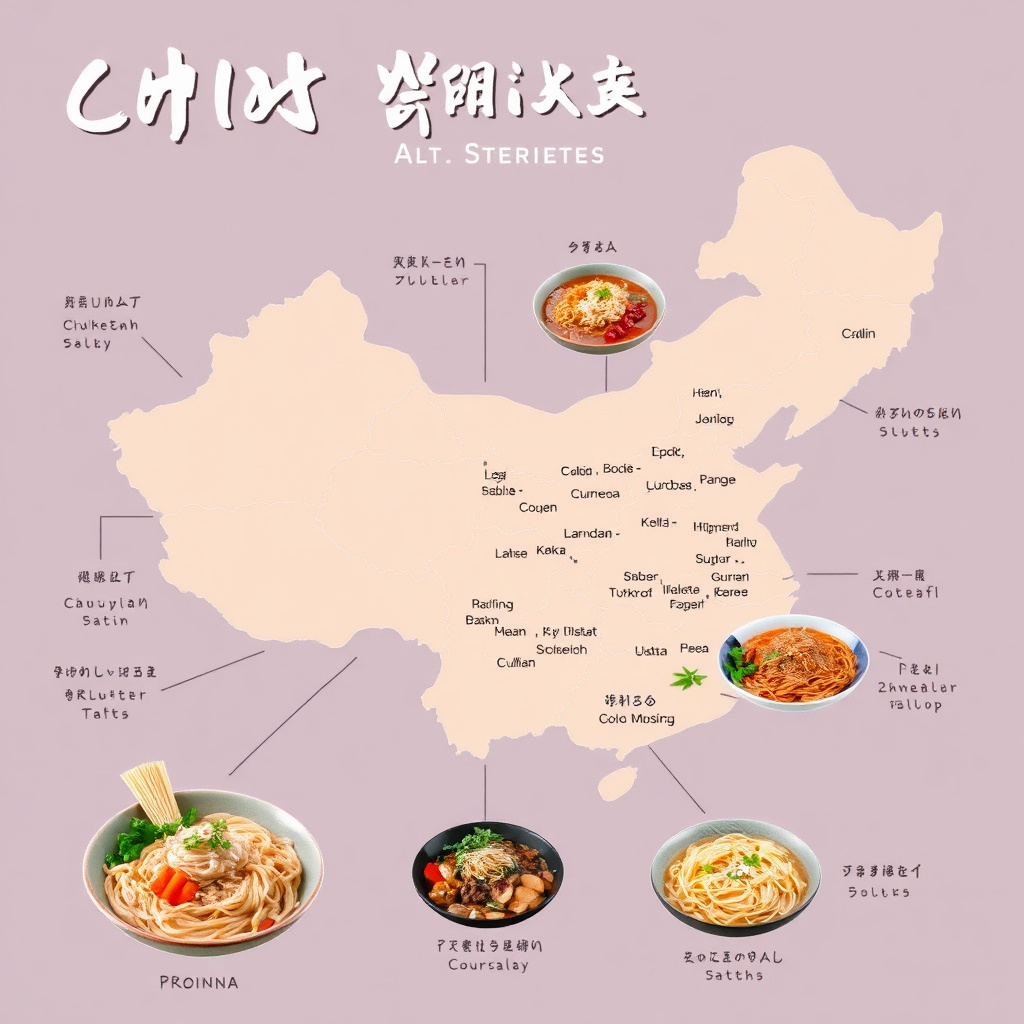
Northern Chinese Noodle Traditions
Northern China features robust wheat noodles like lamian and knife-cut types, often served in thick broths or dry stir-fry dishes. These regions favor chewy textures to complement rich meat and vegetable sauces.
Staple dishes include beef noodle soup in Lanzhou and Shanxi’s knife-cut noodle specialties, showcasing hearty flavors suited for colder climates.
For further reading on Chinese noodle types and history, consult the comprehensive Chinese noodles overview on Wikipedia. Chinese noodles overview on Wikipedia.
Southern Chinese Rice Noodle Dishes
In contrast, southern China prefers lighter rice noodle varieties such as he fen and mi fen. These noodles form the base of popular dishes like Cantonese chow fun and Pho-inspired recipes.
Their softer, delicate texture pairs well with lighter sauces, seafood, and fresh vegetable toppings often used in southern coastal areas.
Comparison of Popular Chinese Noodles
The table below summarizes key features of different Chinese noodle types to simplify your selection.
| Noodle Type | Main Ingredient | Typical Thickness | Common Uses | Texture |
|---|---|---|---|---|
| Lo Mein | Wheat flour | Medium flat | Stir-fry, tossed dishes | Soft, elastic |
| Chow Mein | Wheat flour | Thin round | Crispy stir-fry | Crispy and chewy |
| Mi Fen (Rice Vermicelli) | Rice flour | Very thin | Soups, salads | Tender, slippery |
| He Fen (Rice Flat Noodles) | Rice flour | Wide flat | Stir-fry, soups | Soft, slightly chewy |
| Lamian | Wheat flour | Varies, hand-pulled | Soups, stir-fry | Chewy, springy |
| Knife-Cut Noodles | Wheat flour | Thick irregular | Soups, spicy dishes | Tender with bite |
Frequently Asked Questions
What is the main difference between lo mein and chow mein noodles?
Lo mein noodles are boiled and soft, typically tossed with sauce, while chow mein noodles are thinner and often fried until crisp for a contrasting texture.
Are rice noodles gluten-free?
Yes, rice noodles are naturally gluten-free since they are made from rice flour, making them suitable for gluten-sensitive diets.
How do hand-pulled noodles differ in texture from machine-made noodles?
Hand-pulled noodles have a chewier, more elastic texture due to the stretching technique, which develops gluten differently than machine cutting.
Which Chinese noodle is best for soup dishes?
Rice vermicelli (mi fen) and egg noodles are popular choices for soups due to their ability to absorb broth flavor while maintaining a tender texture.
Can I substitute one type of Chinese noodle for another in recipes?
While substitutions are possible, different noodle types have unique cooking times and textures, so results may vary slightly depending on the dish.
Key Takeaways
- Chinese noodles vary by ingredient, thickness, and texture.
- Wheat noodles like lo mein and chow mein suit stir-fries.
- Rice noodles are ideal for soups and lighter dishes.
- Hand-pulled and knife-cut noodles offer unique chewy textures.
Conclusion
Choosing among the types of Chinese noodles depends largely on the dish’s style and desired texture. Wheat-based noodles like lo mein and chow mein provide soft or crispy options ideal for stir-fried meals, while rice noodles are preferred for lighter, broth-based dishes. Considering noodle thickness and flexibility is important for cooking success and flavor matching.
For hearty, flavor-packed dishes, Northern Chinese hand-pulled lamian or knife-cut noodles bring satisfying chew and texture complementing rich broths and spicy sauces. Conversely, southern styles favor soft, tender rice flat noodles or thin vermicelli to highlight fresh seafood and mild seasonings. Egg noodles bridge both worlds with moderate texture and rich taste, fitting many recipes.
Before cooking, identifying the noodle type helps prevent over- or undercooking and enhances your meal’s authenticity. If you want versatility, lo mein or rice vermicelli are excellent starting points for experimenting. Ultimately, trying multiple varieties in different regional dishes will deepen your familiarity and appreciation for the wide world of Chinese noodles.