Exploring the Different Types of Dumplings Around the World
Dumplings come in many forms, ranging from dough pockets filled with meat, vegetables, or sweets, to simple dough balls cooked in various ways. The most common types include Asian dumplings like Chinese jiaozi and Japanese gyoza, European styles such as Polish pierogi and Italian ravioli, and many regional specialties worldwide. Each has unique ingredients, preparation methods, and cultural backgrounds.
Understanding types of dumplings matters because they offer a glimpse into different culinary traditions and can vary widely in taste, texture, and cooking techniques. Whether steamed, fried, boiled, or baked, dumplings provide versatile meal options adapted to local ingredients and preferences. Knowing these varieties allows you to explore new flavors and try recipes that expand your cooking repertoire.
This article breaks down major dumpling categories, covering their origins, fillings, cooking techniques, and special features. It will guide you through popular dumpling recipes, including some lesser-known varieties, to help you appreciate the broad scope of dumpling dishes available globally.
Asian Dumplings: A Spectrum of Flavors and Techniques

Chinese Dumplings: From Jiaozi to Xiao Long Bao
Chinese dumplings are among the most recognized types of dumplings worldwide. Jiaozi are typically crescent-shaped and filled with pork, cabbage, or shrimp, steamed or pan-fried. Xiaolongbao, also known as soup dumplings, contain savory broth inside along with the filling and require delicate steaming techniques.
These dumplings are integral to Chinese celebrations and daily meals alike. Their thin dough wrappers and juicy contents set a standard for textural contrast. Mastery of folding techniques to secure the fillings is crucial in making authentic Chinese dumplings.
- Jiaozi commonly boiled or pan-fried
- Xiaolongbao steamed to keep soup intact
- Fillings include pork, shrimp, vegetables
Japanese and Korean Dumplings: Gyoza and Mandu
Japanese gyoza evolved from Chinese jiaozi but often feature thinner wrappers and a garlic-heavy pork and cabbage filling. Fried on one side and steamed on the other, gyoza offers a crispy yet tender texture. Korean mandu includes similar fillings but also incorporates tofu or kimchi, broadening the flavor range.
Both gyoza and mandu are popular street foods and home dishes, enjoyed with dipping sauces rich in soy, vinegar, and sesame oil. Their preparation methods aim to balance textures—crispy exteriors with juicy interiors.
- Gyoza pan-fried for crispiness
- Mandu fillings may include kimchi
- Dipped in soy and vinegar sauces
European Dumplings: Hearty and Diverse

Eastern European Pierogi and Vareniki
Pierogi are Polish dumplings made with unleavened dough pockets stuffed with fillings like potatoes, cheese, sauerkraut, or meat. Vareniki, similar Ukrainian dumplings, often feature sweet fillings such as cherries or berries. Both are boiled and sometimes pan-fried afterward.
These dumplings are staples in Eastern European cuisine and represent comfort food traditions. The dough is usually thicker than Asian varieties, contributing to a chewy, satisfying bite.
- Savory and sweet fillings
- Boiled and sometimes pan-fried
- Thicker dough leads to chewy texture
For more on this, see our related guide: Exploring the Most Popular Types of Chinese Food Across Regions.
Italian Ravioli and Gnocchi Varieties
Ravioli are square or circular pasta dumplings stuffed with cheese, meat, or vegetables, usually boiled and served with sauce. Gnocchi, though technically pasta, are small potato-based dumplings that are boiled or sautéed. Both are central to Italian cuisine with regional variation in fillings and sauces.
Ravioli dough is made from flour and eggs, rolled thin, whereas gnocchi dough includes potatoes and sometimes ricotta, reflecting Italy's diverse culinary heritage.
- Ravioli usually enjoyed with tomato or cream sauces
- Gnocchi texture is soft and pillowy
- Fillings range from meat to cheese and herbs
Cooking Methods for Dumplings
Steaming and Boiling Techniques
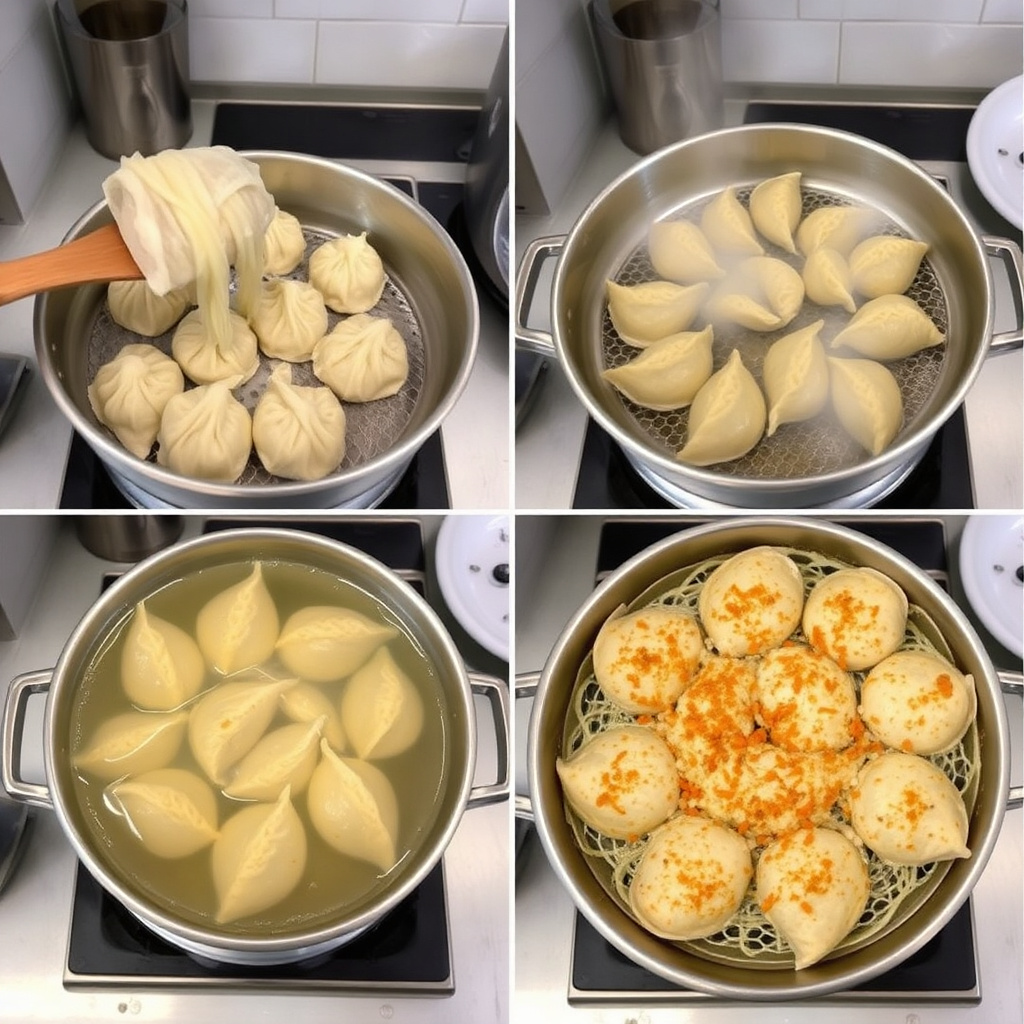
Steaming preserves the delicate texture and moisture in dumplings, especially those with thin wrappers like xiaolongbao or Chinese jiaozi. Bamboo steamers are common tools that allow gentle heat circulation. Boiling dumplings, common in European varieties such as pierogi, cooks the dough thoroughly and yields a soft, tender result.
Successful steaming requires monitoring water levels and ensuring even heat while boiling demands careful timing to avoid overcooking or dumplings breaking apart.
- Steam maintains moisture and softness
- Boiling suits thicker dough dumplings
- Avoid overcrowding cooking vessels
Frying and Baking for Texture Enhancement
Pan-frying dumplings after boiling or steaming creates crisp exteriors contrasting with tender insides, popular in Asian dumplings like gyoza and potstickers. Baking is less common but used for some European varieties, offering a drier, firmer texture with a golden crust.
Choosing frying or baking often depends on the desired textural outcome and regional food customs.
- Pan-frying adds crispness without drying filling
- Baking produces a firm crust
- Proper oil temperature critical for frying
Common Dumpling Fillings and Flavor Profiles
Savory Fillings: Meat, Vegetables, and Cheese
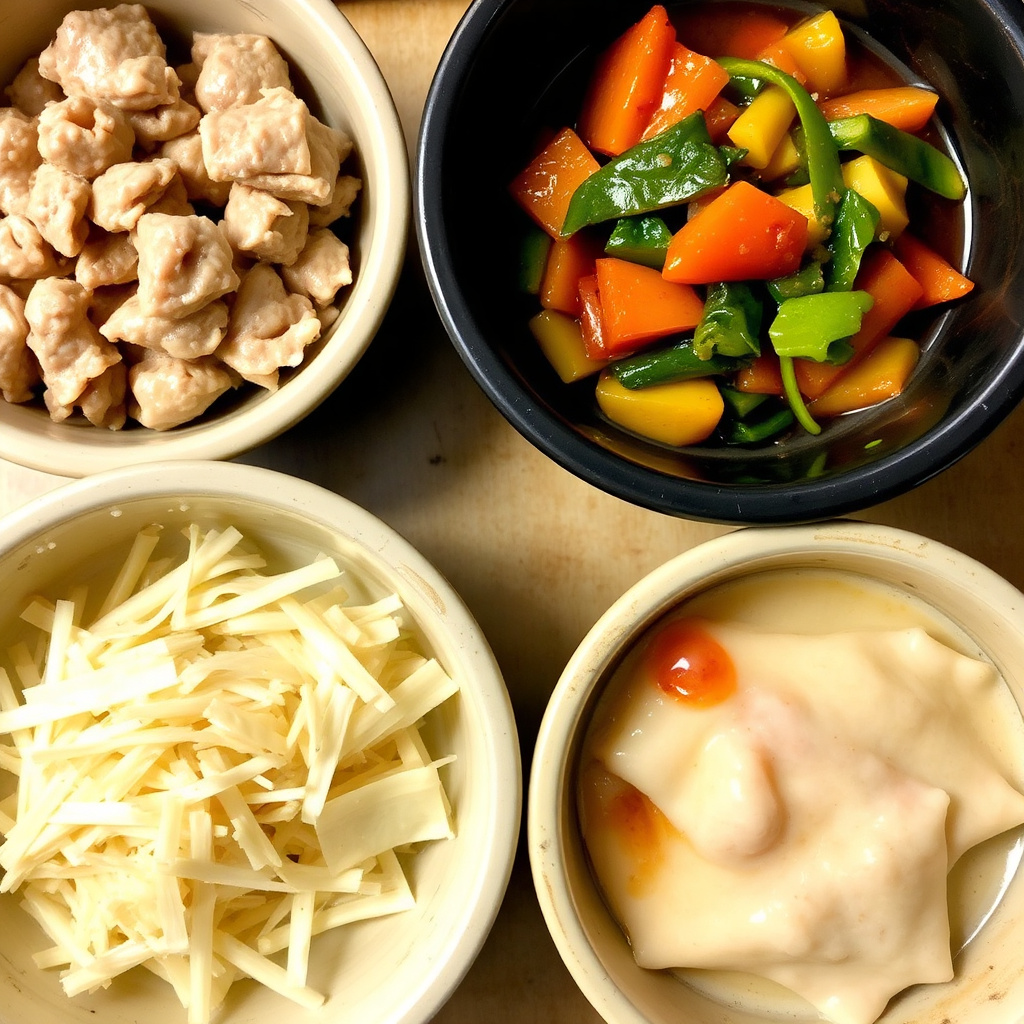
Meat fillings often use pork, chicken, or beef, seasoned with herbs, spices, and aromatics like garlic or ginger. Vegetable fillings might include cabbage, mushrooms, or spinach. Cheese, especially ricotta or farmer’s cheese, is prominent in many European dumplings.
Savory fillings aim to balance protein, texture, and moisture, often combined with complementary herbs or tangy elements.
- Pork with cabbage common in Asian dumplings
- Cheese blends often feature in pierogi and ravioli
- Vegetarian options use mushrooms or greens
For more on this, see our related guide: Pot Stickers vs Dumplings: Key Differences and How to Choose.
Sweet Dumplings: Fruits and Sugars as Fillings
Sweet fillings range from fresh or preserved fruits like cherries, blueberries, or plums to sweetened cheese or custard. These dumplings appear especially in Eastern European cuisines where they serve as desserts or snacks. Sweet dumplings are often boiled and finished with sugar, cream, or melted butter.
The dough for sweet dumplings tends to be slightly thicker, providing sturdiness to contain juicy or soft fillings without breaking.
- Cherry and berry fillings popular in Eastern Europe
- Sweet cheese a common dessert dumpling filling
- Often served with cream or powdered sugar
Regional Dumpling Varieties Outside Asia and Europe
Latin American Dumplings: Empanadas and Pastelitos
Latin American dumplings like empanadas are stuffed pastries baked or fried with varied fillings, including meat, cheese, or vegetables. Pastelitos are smaller, often deep-fried, enjoyed as snacks. These dumplings emphasize flaky or crispy dough textures unlike boiled or steamed types.
Empanadas show culinary influences from Spain and indigenous cooking, making them a staple across many countries with regional twists in fillings and spices.
- Empanada dough often flaky and buttery
- Fillings can range from beef to sweet pumpkin
- Cooking methods include baking and frying
For an extensive overview of dumpling types and history, see the dumpling article on Wikipedia. Dumpling article on Wikipedia.
African Dumplings: Fufu and Meat-Filled Varieties
Many African cuisines feature dumplings, often made from starchy vegetables or grains. Fufu is a dough-like staple made from cassava or yams, sometimes shaped into balls and paired with stews. Some regions have meat-stuffed fried or steamed dumplings reflecting local ingredients and spices.
These dumplings serve as a carbohydrate base and carry cultural significance in communal meals and celebrations.
- Fufu made from cassava, yams, or plantains
- Meat-filled dumplings often fried or steamed
- Integral to communal dining
Comparison of Popular Dumpling Categories
This table compares key aspects of several popular types of dumplings from different culinary traditions for easy reference.
| Category | Common Fillings | Typical Cooking Method | Texture | Region |
|---|---|---|---|---|
| Chinese Jiaozi | Pork, cabbage, shrimp | Boiled or pan-fried | Tender with crispy edges | China |
| Polish Pierogi | Potato, cheese, sauerkraut | Boiled, sometimes fried | Chewy, soft dough | Poland |
| Japanese Gyoza | Pork, garlic, cabbage | Pan-fried then steamed | Crispy bottom, soft top | Japan |
| Italian Ravioli | Cheese, spinach, meat | Boiled | Soft and delicate | Italy |
| Latin American Empanada | Beef, cheese, pumpkin | Baked or fried | Flaky or crispy crust | Latin America |
Frequently Asked Questions
What is the main difference between Chinese jiaozi and Japanese gyoza?
Chinese jiaozi have thicker wrappers and are commonly boiled or pan-fried, while Japanese gyoza have thinner skins, often pan-fried on one side and steamed on the other, resulting in a crispier texture.
Can dumplings be made without meat fillings?
Yes, many dumplings use vegetarian fillings like mushrooms, cabbage, cheese, or sweet fruits, making them suitable for various dietary preferences.
Are dumplings typically steamed or boiled?
Dumplings can be steamed, boiled, fried, or baked depending on the type and regional tradition; for example, Chinese xiaolongbao are steamed, while Polish pierogi are usually boiled.
What are some common dipping sauces for dumplings?
Common sauces include soy sauce mixed with vinegar and ginger, chili oil, garlic sauce, and sometimes sweet chili or sour cream, depending on the dumplings' origins.
How can I make dumpling wrappers at home?
Dumpling wrappers are typically made from flour and water, sometimes with egg, rolled thinly. The dough needs to be elastic but not sticky, allowing for easy folding around the filling.
Key Takeaways
- Dumplings vary widely in shape, ingredients, and cooking methods across cultures.
- Asian dumplings commonly use thin wrappers and filling combinations like pork and cabbage.
- European dumplings often have thicker dough and include savory and sweet versions.
- Cooking techniques like steaming, boiling, frying, and baking influence dumpling texture.
Conclusion
Choosing among the many types of dumplings involves understanding their dough thickness, fillings, and cooking styles, which reflect distinct cultural and culinary backgrounds. Whether you prefer delicate, soup-filled Chinese xiaolongbao or hearty Polish pierogi, each dumpling type offers a unique experience. Recognizing textural differences—such as crispy pan-fried edges versus soft boiled dough—helps narrow down your preference and cooking approach.
For those seeking a simple introduction, Asian dumplings like jiaozi or gyoza provide accessible fillings with straightforward techniques, perfect for home cooks interested in fresh, flavorful meals. If your taste leans to heartier or sweeter options, European varieties like pierogi with potato or cheese fillings or sweet vareniki give a satisfying, comfort-food profile. Latin American empanadas offer a different experience with flaky, sometimes fried dough and savory fillings, ideal for snack-style servings.
To start experimenting, pick a dumpling category that matches your ingredient availability and cooking skills. Try popular dumpling recipes within that category, adjusting fillings to your liking. Mastering one type builds dough-handling confidence, which you can later expand into other varieties. Exploring dumplings is both a cultural journey and a rewarding kitchen adventure, opening doors to many delicious meals.


One Comment