How Many Calories Are in Pot Stickers? A Nutritional Breakdown
Pot stickers typically contain between 35 and 60 calories each, depending on their size, fillings, and cooking method. On average, a standard pork or vegetable pot sticker weighs around 20 to 25 grams and contains approximately 50 calories, making it a moderately calorie-dense appetizer or snack.
Understanding the calorie content of pot stickers is helpful, especially if you are tracking your daily intake or trying to make healthier choices at restaurants or when cooking at home. Variations in ingredients like meat type, the addition of oils during frying, or portion sizes influence the final calorie count significantly.
This article will explore the factors that determine how many calories are in pot stickers, including differences by filling and cooking style. We'll also cover their nutritional profile, how to choose or prepare lower-calorie options, and answer common questions about pot stickers nutrition.
Ingredients Impact on Pot Stickers Calories

Common Fillings and Their Calorie Contributions
Pot sticker calorie counts vary mainly due to the type of filling used. Pork and beef fillings tend to have higher calories due to fat content, averaging roughly 50-60 calories per piece. Chicken and vegetable fillings are generally leaner, averaging closer to 35-45 calories per pot sticker.
Shrimp-filled versions often fall between poultry and pork in calories, as shrimp is leaner but sometimes combined with fatty sauces or oils. Additionally, fillings with added sugars or starches, such as some sweet marinades, can increase calorie content subtly.
- Pork: 50-60 calories each
- Chicken: 35-45 calories each
- Vegetable: 30-40 calories each
- Shrimp: 40-50 calories each
Dough and Wrapping Effects On Calories
The dough used to wrap pot stickers adds carbohydrates and calories. Most wrappers are thin wheat flour-based sheets with about 10-15 calories per wrapper. Thicker or homemade dough wrappers might contribute more calories compared to commercially made thin wrappers.
The size of the wrapper also matters—larger pot stickers use more dough, thereby increasing total calories. Some recipes add oil or water to the dough, which could slightly alter calorie values.
Cooking Methods and Their Influence on Calories

Steaming and Boiling: Low-Calorie Methods
Steaming and boiling pot stickers do not add extra calories since no oil or fat is used in these cooking methods. As a result, the calorie count mainly reflects the filling and dough alone, making these the leanest way to enjoy pot stickers.
While these methods retain the natural moisture and texture of the filling and dough, they tend to produce softer pot stickers without the crispy finish found in fried versions.
- No added fats or oils
- Calorie count includes only ingredients
- Retains moisture and tenderness
Pan-Frying and Deep-Frying: When Calories Increase
Pan-frying pot stickers typically involves cooking them in a small amount of oil, which can add 20 to 50 extra calories depending on how much oil is absorbed. The crispy browned exterior is popular but more calorie-dense than steamed or boiled versions.
Deep-frying pot stickers results in the highest calorie counts, as they soak up significant amounts of oil, potentially adding 100 or more calories per piece. This method produces a crunchy, flavorful exterior but greatly increases fat content.
- Pan-fried adds 20-50 calories
- Deep-fried can add 100+ calories
- Crunchier texture but more fat
Nutritional Profile Beyond Calories

Macronutrients in Typical Pot Stickers
Pot stickers contain a balanced mix of carbohydrates (from dough), protein (primarily from meat or seafood fillings), and fat. A single pork pot sticker might contain approximately 5 grams of protein, 4-6 grams of carbohydrates, and 2-4 grams of fat.
Vegetable pot stickers typically have less protein and fat but still provide energy and fiber from vegetable fillings and dough. The overall macronutrient ratio varies depending on ingredients used.
Micronutrients and Health Benefits
Depending on the filling, pot stickers can provide vitamins and minerals like vitamin B12, iron, zinc, and vitamin C from vegetables. For example, chicken or pork fillings offer significant iron and zinc, while vegetables contribute antioxidants and fiber.
However, pot stickers can be high in sodium, especially in restaurant or frozen varieties, so those monitoring salt intake should be mindful of portion and sauce choices.
Choosing or Preparing Lower-Calorie Pot Stickers
Selecting Options at Stores or Restaurants
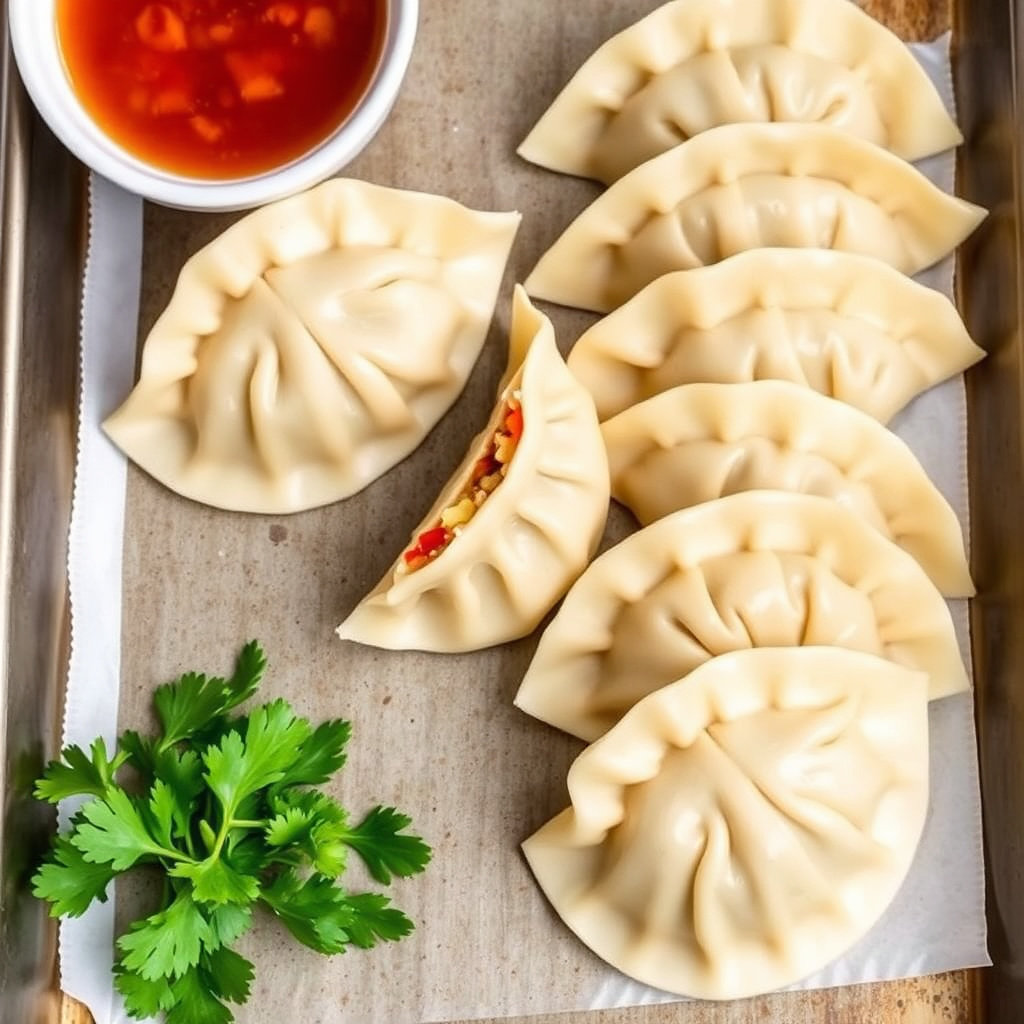
Look for steamed or boiled pot stickers rather than fried to reduce added fats and calories. Vegetable or chicken fillings usually have fewer calories than pork or beef options. Checking nutrition labels on frozen pot stickers can help identify lower-calorie brands.
Avoid pot stickers with cream-based or sugar-heavy sauces and opt for lighter soy sauce or vinegar-based dips to keep caloric intake minimal.
- Choose steamed or boiled varieties
- Pick vegetable or chicken fillings
- Read nutrition labels carefully
- Select light dipping sauces
Cooking at Home to Control Calories
Making pot stickers at home allows you to control ingredients and cooking methods. Using lean meats, fresh vegetables, and thin dough wrappers can reduce calories. Steaming or boiling at home avoids added oil, keeping calorie counts lower than fried versions.
Experimenting with herbs and spices instead of high-sodium sauces can enhance flavor without extra calories.
Portion Sizes and Meal Planning

How Many Pot Stickers to Eat for a Balanced Meal
Portion control is key since pot stickers are calorie-dense snacks or appetizers. Eating 4 to 6 moderate-sized steamed pot stickers provides roughly 200-300 calories, which can fit well into meal plans when paired with vegetables or salad.
For weight-conscious individuals, tracking serving size and accompanying dishes can help avoid unintended calorie overconsumption.
- 4-6 pieces for 200-300 calories
- Pair with vegetables or salad
- Monitor overall daily calorie intake
Incorporating Pot Stickers into Diets
Pot stickers can be part of a balanced diet when eaten in moderation. They offer variety and protein but may not provide enough vegetables or fiber alone, so complementing them with nutrient-rich sides is beneficial.
For low-carb or low-fat diets, be mindful of dough and oil content, adjusting portions accordingly.
Understanding Pot Stickers in Cultural and Culinary Context
Origins and Traditional Preparation
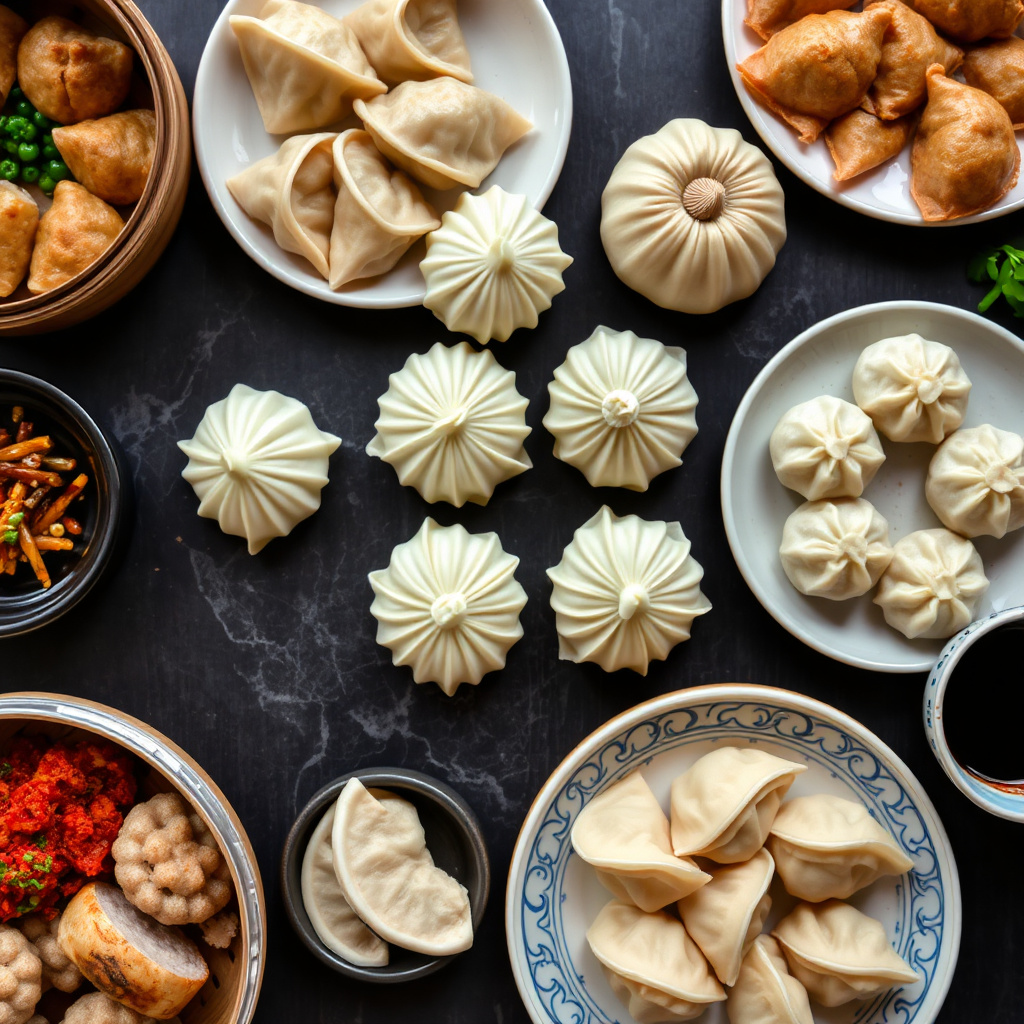
Pot stickers, known as 'jiaozi' in Chinese cuisine, have a history dating back over 1,800 years. Traditionally, they are boiled or steamed and sometimes pan-fried for crispy texture. Classic fillings include pork, cabbage, and chives.
The method and ingredients reflect regional tastes. Northern Chinese varieties tend to have thicker wrappers and heartier fillings, which influence calorie content as well.
For more detailed background on pot stickers and their ingredients, check out this pot sticker nutritional information resource. Pot sticker nutritional information.
Global Variations and Dietary Adaptations
Around the world, pot stickers have been adapted with fillings like seafood, chicken, or vegan-friendly options. Each variation subtly changes calories and nutrients. Western versions may incorporate cheese or heavier sauces that increase calorie density.
Understanding these cultural nuances can help consumers make informed choices based on tradition or dietary needs.
Pot Sticker Types Calorie Comparison
Below is a comparison of different pot sticker fillings and cooking methods to highlight their typical calorie ranges and fat content.
| Type | Calories per Piece | Fat (grams) | Typical Serving Size |
|---|---|---|---|
| Pork, steamed | 50-60 | 3-4 | 4-6 pieces |
| Chicken, boiled | 35-45 | 1-2 | 4-6 pieces |
| Vegetable, steamed | 30-40 | 1-2 | 4-6 pieces |
| Shrimp, pan-fried | 50-70 | 4-6 | 4-6 pieces |
| Pork, deep-fried | 90-120 | 7-10 | 3-5 pieces |
Frequently Asked Questions
Are frozen pot stickers higher in calories than fresh ones?
Frozen pot stickers often have similar calorie counts per piece as fresh ones when steamed or boiled, but some frozen versions contain added oils or fillers that can increase calories.
How does dipping sauce affect the calorie content of pot stickers?
Dipping sauces like soy or vinegar add minimal calories, but creamy or sugary sauces can significantly increase total calorie intake.
Is it healthier to eat steamed or fried pot stickers?
Steamed pot stickers have fewer calories and less fat than fried versions, making them the healthier choice for weight management.
Can pot stickers fit into a balanced diet?
Yes, when eaten in moderation and combined with vegetables or protein-rich sides, pot stickers can be part of a balanced diet.
Do homemade pot stickers have fewer calories than store-bought ones?
Homemade pot stickers allow for control over ingredients and cooking methods, often resulting in lower calories especially if steamed and using lean fillings.
Key Takeaways
- Pot stickers generally contain 35-60 calories each depending on filling and size.
- Cooking methods like frying significantly raise calorie and fat content.
- Steamed or boiled pot stickers are lower calorie options.
- Serving size and dipping sauces greatly impact overall calorie consumption.
Conclusion
When deciding how many calories are in pot stickers, consider the type of filling, dough thickness, and how they’re cooked. Pork and deep-fried options typically have the highest calories, while vegetable or chicken varieties steamed or boiled remain relatively low in calories. Understanding these variables helps you manage your intake effectively while enjoying this snack.
For those tracking calories or aiming for healthier choices, steamed vegetable or chicken pot stickers offer a light yet satisfying option. Fried pot stickers can be reserved for occasional treats due to their higher fat and caloric content. Familiarizing yourself with store labels or preparing pot stickers at home provides greater control over nutritive values and portion sizes.
Ultimately, pot stickers can fit into many eating plans if portion sizes and cooking methods are chosen with care. Pair them with nutrient-rich sides like steamed greens or salads to create balanced meals. Experiment with controlling ingredients to enjoy healthier versions—this is the next good step if you want to enjoy pot stickers regularly without unwanted calories.