Is Mongolian Beef Healthy? Nutritional Insights and Health Considerations
Mongolian beef, a popular dish known for its savory and slightly sweet flavor, can be considered moderately healthy depending on how it is prepared and consumed. The dish typically consists of thinly sliced beef, soy sauce, sugar, garlic, and green onions, commonly stir-fried with oil. While it offers a good amount of protein from the beef, concerns often arise related to its sugar and sodium content that might impact its healthiness.
For anyone focused on balanced eating, understanding the nutritional content of Mongolian beef is essential. The beef provides key nutrients like iron and B vitamins, but the traditional use of sugar and soy sauce can add calories and salt, potentially making it less suitable for those watching sugar intake or blood pressure levels. How the dish is cooked, including the amount and type of oil used, also affects its overall health profile.
This article explores the healthfulness of Mongolian beef by breaking down its ingredients, looking at calorie and nutrient counts, and comparing variations. You'll also find suggestions for healthier versions and advice on how to enjoy this dish while keeping your diet in check.
Nutritional Breakdown of Mongolian Beef

Calories and Macronutrients
A typical serving of Mongolian beef (about 1 cup) contains roughly 300 to 400 calories. The dish is rich in protein, providing around 25 to 30 grams per serving, which supports muscle maintenance and repair. Carbohydrates mainly come from added sugars and vegetables, generally totaling about 15 to 25 grams. The fat content varies based on the cut of beef and oil used, with 10 to 15 grams being common.
Because it features red meat, the beef also contributes saturated fat, which should be consumed in moderation. Opting for leaner cuts or trimming excess fat can reduce calorie density while retaining protein benefits.
- Provides 25-30g protein per serving
- Contains 15-25g carbohydrates mostly from sugars
- Fat content varies between 10-15g
Vitamins, Minerals, and Sodium Content
Beef is a strong source of essential nutrients such as iron, zinc, and vitamin B12, which support energy metabolism and immune function. However, Mongolian beef frequently includes soy sauce, which contributes a significant amount of sodium—sometimes over 800mg per serving, close to half the recommended daily intake.
High sodium intake can elevate blood pressure and strain cardiovascular health over time. Therefore, those with hypertension or heart concerns should be cautious about consuming this dish often or seek lower-sodium alternatives.
- Iron and B12 support metabolism
- Sodium can exceed 800mg per serving
- Monitor intake if sensitive to salt
How Preparation Affects Mongolian Beef’s Healthiness

Traditional Cooking Methods
The classic recipe involves stir-frying beef in vegetable oil along with garlic, ginger, soy sauce, and brown sugar. This method can introduce extra calories from oil and sugar. The type of oil used matters; vegetable oils with unhealthy trans fats, though rare nowadays, should be avoided, while oils like canola or olive offer better fat profiles.
Additionally, the amount of sugar added often ranges from 1 to 3 tablespoons per recipe, significantly increasing carbohydrate and calorie content. Cooking at high heat quickly helps preserve nutrient content but can also cause the sugar to caramelize, adding flavor and calories.
- Use healthy oils like olive or canola
- Limit added sugars to reduce calories
- High-heat stir-frying retains nutrients
Healthier Home-Cooked Variations
Modifying traditional recipes can make Mongolian beef more diet-friendly. Using lean cuts such as sirloin or flank steak lowers saturated fat. Reducing or substituting sugar with a natural sweetener like stevia lessens sugar content without losing sweetness.
Incorporating more vegetables such as bell peppers, broccoli, or snap peas adds fiber and vitamins, balancing the meal. Also, using low-sodium soy sauce alternatives controls sodium intake while maintaining flavor.
- Choose lean beef cuts
- Swap sugar for natural sweeteners
- Add vegetables for fiber and nutrients
- Use low-sodium soy sauce
Comparing Mongolian Beef to Other Beef Dishes

Similarity with Stir-Fries and Teriyaki Beef
Mongolian beef shares characteristics with dishes like teriyaki beef and general stir-fries, particularly in the use of soy sauce and sugar. However, Mongolian beef tends to be sweeter and often has a thicker sauce. Teriyaki uses mirin, which adds a different sugar profile and flavor.
Compared to other stir-fried beef dishes, Mongolian beef may have higher sugar content but similar protein and fat levels. Nutritional differences often hinge on sauce ingredients and serving size.
- Both use soy sauce bases
- Mongolian beef typically sweeter
- Similar protein and fat levels
For more on this, see our related guide: How to Make Beef and Broccoli: A Simple Homemade Recipe.
How Mongolian Beef Stacks Up Against Grilled or Roasted Beef
Grilled or roasted beef generally contains fewer added sugars and less sodium because they don’t rely on savory sauces. These cooking methods focus on the natural flavor and fat content of the meat, making them lower in calories from extras.
Mongolian beef, with its sauce and stir-fry technique, often contains more sugar and sodium, potentially reducing its overall health benefits compared to simpler grilled options.
- Grilled beef lower in sodium and sugar
- Roasted beef highlights natural flavors
- Mongolian beef has added calories from sauce
Health Benefits of Mongolian Beef Ingredients
Nutritional Advantages of Beef
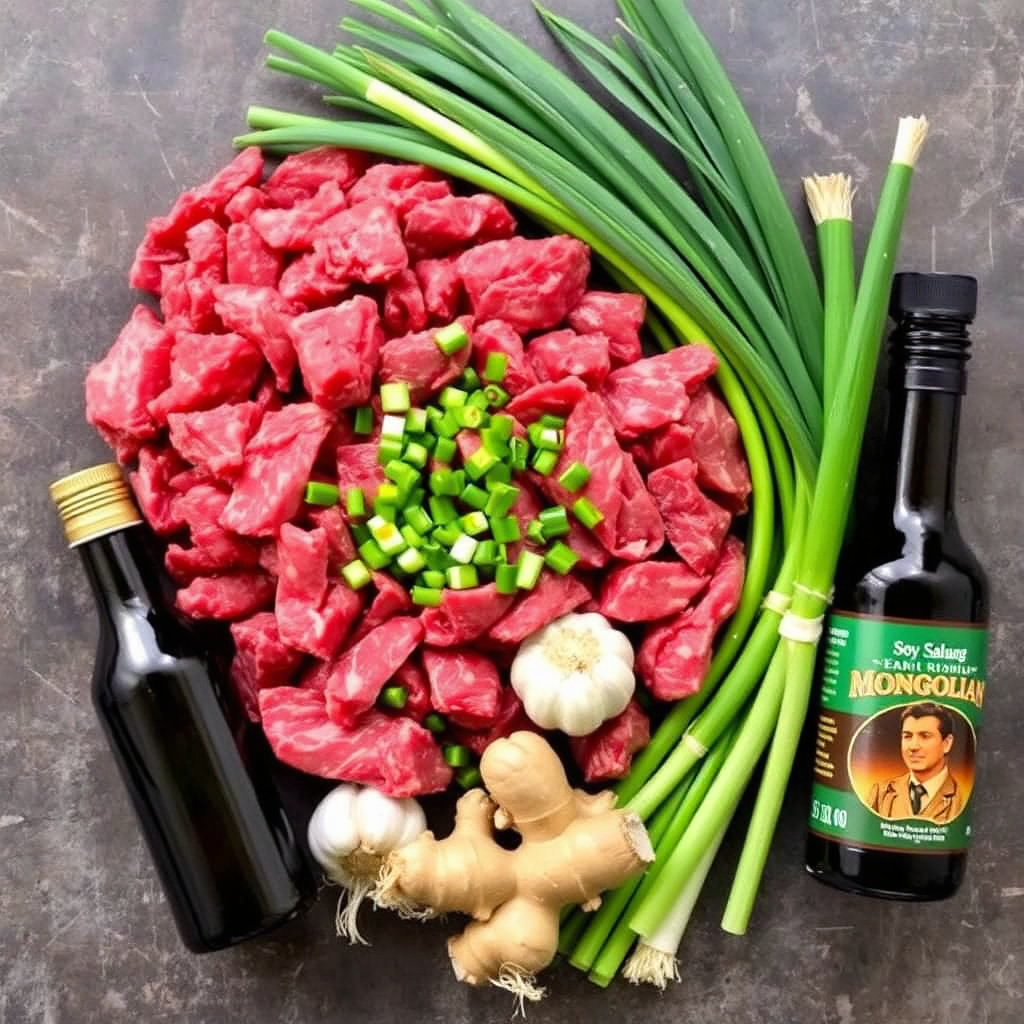
Beef is a nutrient-dense protein source rich in heme iron, which is easily absorbed by the body. It also contains zinc, essential for immune system function, and B vitamins that help convert food into energy. These nutrients make beef a valuable part of a healthy diet when eaten in moderation.
The presence of creatine and other amino acids in beef supports muscle strength and recovery, especially important for active individuals.
- High-quality protein source
- Rich in heme iron and zinc
- Supports muscle repair
Role of Garlic, Ginger, and Green Onions
Garlic and ginger provide antioxidants and anti-inflammatory compounds that may boost immune health. Green onions add fiber and vitamins A and C. Together, these ingredients not only enhance flavor but also contribute healthful plant compounds.
These aromatics can aid digestion and have mild antimicrobial effects, complementing the nutritional value of the beef.
- Contains antioxidants from garlic and ginger
- Adds vitamins and fiber from green onions
- Supports digestion and immune health
Considerations for Dietary Restrictions and Health Goals

Suitability for Low-Carb and Keto Diets
Mongolian beef can fit into low-carb or ketogenic diets if prepared without sugar or with sugar substitutes. Using low-carb vegetables and lean beef reduces carbohydrate intake, making it compatible with these diets.
Care should be taken to avoid soy sauce varieties with added sugars. Homemade sauces allow better control of ingredients, promoting adherence to specific dietary needs.
- Eliminate or substitute sugars
- Use low-carb veggies
- Choose sugar-free soy sauce alternatives
Recommendations for Heart Health and Weight Management
For those managing heart health or weight, limiting sodium and sugar is key. Choosing lean cuts, minimizing oil use, and boosting vegetable portions can make Mongolian beef more supportive of these goals.
Regular consumption should be balanced with other meals low in saturated fat and sodium to avoid negative impacts on blood pressure and cholesterol.
- Limit sodium and sugar intake
- Prioritize lean beef cuts
- Increase vegetable servings for fiber
Tips for Ordering and Making Mongolian Beef Healthier

Choosing Healthier Options at Restaurants
When dining out, ask for Mongolian beef with less sauce or sauce on the side to control sugar and sodium consumption. Request lean meat options and extra vegetables if possible.
Some restaurants offer steamed or lightly stir-fried vegetables alongside the beef, which can increase fiber content and help balance the meal.
- Request sauce on the side
- Ask for leaner cuts of beef
- Add extra vegetables if available
For detailed nutritional information about beef, including its benefits and calorie breakdown, visit this resource on the nutritional profile of beef. nutritional profile of beef.
Cooking Mongolian Beef at Home for Better Nutrition
Preparing Mongolian beef at home allows full control over ingredients. Use fresh garlic and ginger, reduced sodium soy sauce, and minimal oil. Incorporate a variety of colorful vegetables to add nutrients and fiber.
Experimenting with natural sweeteners or reducing sugar quantity preserves flavor without excess carbs. This approach makes the meal more aligned with health goals.
- Use fresh aromatics
- Use low-sodium soy sauce
- Add diverse vegetables
- Limit sugar or use substitutes
Mongolian Beef Category Comparison
Here is a comparison of different Mongolian beef styles and similar beef dishes focusing on calories, sugar, and sodium content to help choose the healthiest option.
| Dish Type | Calories per Serving | Sugar (g) | Sodium (mg) | Protein (g) |
|---|---|---|---|---|
| Traditional Mongolian Beef | 350 | 15 | 850 | 30 |
| Low-Sugar Mongolian Beef (homemade) | 320 | 5 | 600 | 30 |
| Teriyaki Beef Stir-Fry | 400 | 12 | 900 | 28 |
| Grilled Sirloin Steak (no sauce) | 250 | 0 | 60 | 40 |
| Beef and Vegetable Stir-Fry (soy-based, no sugar) | 280 | 2 | 700 | 32 |
Frequently Asked Questions
Is Mongolian beef high in calories?
A standard serving of Mongolian beef typically contains 300 to 400 calories, mainly from protein, fats, and added sugars, making it moderately high in calories depending on portion size.
Can Mongolian beef fit into a low-sodium diet?
Traditional Mongolian beef is high in sodium due to soy sauce, but using low-sodium soy sauce substitutes and limiting sauce amounts can make it suitable for low-sodium diets.
What makes Mongolian beef less healthy for some people?
The sugar and sodium content in the dish’s sauce can be excessive, potentially impacting blood pressure and blood sugar levels, especially for sensitive individuals.
Are there healthier ways to prepare Mongolian beef at home?
Yes, by selecting lean beef cuts, reducing or replacing sugar, using low-sodium soy sauce, cooking with minimal oil, and adding more vegetables, the dish can be much healthier.
Does Mongolian beef provide essential nutrients?
Definitely. Mongolian beef supplies high-quality protein, iron, vitamin B12, and zinc, which are important for energy, immunity, and muscle health.
Key Takeaways
- Mongolian beef provides ample protein and important nutrients like iron and B12.
- Traditional recipes are high in sugar and sodium, which can affect health negatively.
- Healthier versions use lean cuts, less sugar, low-sodium sauces, and more vegetables.
- Portion control and cooking methods greatly impact the dish’s overall healthfulness.
Conclusion
When deciding whether Mongolian beef is healthy, consider both its rich protein content and the potential drawbacks from added sugar and sodium. The balance of these factors depends heavily on preparation style and portion size. Understanding the nutritional nuances of the dish enables making informed choices suited to one’s health goals and dietary needs.
For those wanting to enjoy Mongolian beef while maintaining a healthy diet, homemade versions using lean cuts, minimal sugar, and low-sodium soy sauce are excellent options. Adding vegetables can increase fiber and vitamins, balancing out the meal. Alternatively, low-sugar restaurant options or grilled beef dishes may better fit specific dietary plans, particularly for low-sodium or weight management needs.
To enjoy Mongolian beef healthfully, start by experimenting with healthier recipe modifications or request customization when dining out. By controlling ingredients and incorporating complementary vegetables, you can indulge in this flavorful dish without compromising nutrition. Next time you crave Mongolian beef, consider these tips to align it with your wellness goals.