How to Eat Edamame: A Simple Guide for Beginners
Edamame is eaten by popping the beans out of their pods and into your mouth. The best way to eat edamame is to hold the pod between your fingers, gently squeeze or bite the beans out, and enjoy the slightly salty, nutty flavor. Remember, the pods themselves are not edible.
This snack is popular not just for its taste but also for its high protein and fiber content, making it a healthy choice. Many people wonder how to eat edamame because the pods look unusual compared to other beans. Understanding the simple method takes the mystery out of this delicious treat.
In this article, you will learn about the step-by-step process to eat edamame, tips on preparation and seasoning, common serving methods, and the health advantages of including edamame in your diet.
Preparing Edamame Pods for Eating

Cooking Methods for Edamame
Edamame can be prepared by boiling, steaming, or microwaving the pods until tender but still slightly firm. Boiling takes about 3-5 minutes, while steaming takes slightly longer. Avoid overcooking so the beans don’t become mushy.
Adding salt to the boiling water enhances the flavor of the edamame. After cooking, draining and cooling the pods briefly makes them easier to handle and eat.
- Boil in salted water for 3-5 minutes
- Steam for about 5-7 minutes
- Microwave in a covered dish for 2-3 minutes
Seasoning Edamame for Extra Flavor
A light sprinkle of sea salt after cooking is the classic seasoning. For a twist, you can toss the pods in chili flakes, garlic powder, or a drizzle of soy sauce before serving.
Avoid heavy dressings as they can mask the natural nutty taste of the soybeans inside.
- Sea salt for the traditional taste
- Chili flakes or paprika for heat
- Soy sauce or sesame oil for an Asian flavor profile
How to Eat Edamame the Right Way

Popping Edamame Beans from the Pod
Hold the pod firmly between your thumb and forefinger, then bite or squeeze the beans out directly into your mouth. The pod itself is tough and fibrous, so it is not meant to be eaten.
Some prefer to use their fingers to push the beans out onto a dish or plate before eating to avoid messy fingers.
- Hold the pod firmly
- Pop each bean out with your teeth or fingers
- Discard the inedible pod
For more on this, see our related guide: What Is Edamame? Your Complete Guide to This Nutritious Snack.
Common Mistakes When Eating Edamame
A frequent error is trying to eat the pod. It’s chewy and bitter, so avoid eating beyond the beans inside. Another mistake is undercooking, which results in a tough texture.
Over-seasoning can overwhelm the delicate flavor, so start with small amounts of seasoning and adjust according to your preference.
- Do not eat the pods
- Cook until tender but not mushy
- Season lightly for best taste
Serving Suggestions for Edamame

As a Healthy Snack or Appetizer
Edamame is often served warm or cold as a nutritious snack or appetizer at Asian restaurants. It pairs well with beverages and can be seasoned simply with salt or spices.
It’s great for sharing and a popular choice for a light bite before a main meal.
In Salads and Stir-Fries
Shelled edamame beans add texture and protein to salads and stir-fry dishes. They can be tossed raw or lightly cooked depending on the recipe.
Because they retain a firm texture, they complement vegetables and grains nicely.
Edamame Nutritional Benefits and Health Impact

High Protein and Fiber Content
Edamame beans offer a rich source of plant protein and dietary fiber, supporting muscle repair and digestive health. This makes them a popular choice for vegetarians and vegans.
Along with other nutrients, they provide steady energy and can aid in appetite control.
For more on this, see our related guide: How to Make a Poke Bowl at Home: A Simple Step-by-Step Guide.
Vitamins, Minerals, and Antioxidants
Rich in folate, vitamin K, iron, and calcium, edamame supports overall wellness. Antioxidants in the beans contribute to reducing inflammation and may have cardiovascular benefits.
Regular consumption can be a simple way to add these essential nutrients to your diet.
Storage Tips for Fresh and Frozen Edamame
Storing Fresh Edamame Pods
Keep fresh edamame pods in the refrigerator inside a perforated plastic bag. Use within 2-3 days to maintain flavor and texture.
Avoid washing before storage as moisture can accelerate spoilage.
- Refrigerate in perforated bag
- Consume within a few days
- Wash only before cooking
For more detailed information about edamame, you can visit the edamame information on Wikipedia. edamame information on Wikipedia.
Freezing and Thawing Edamame
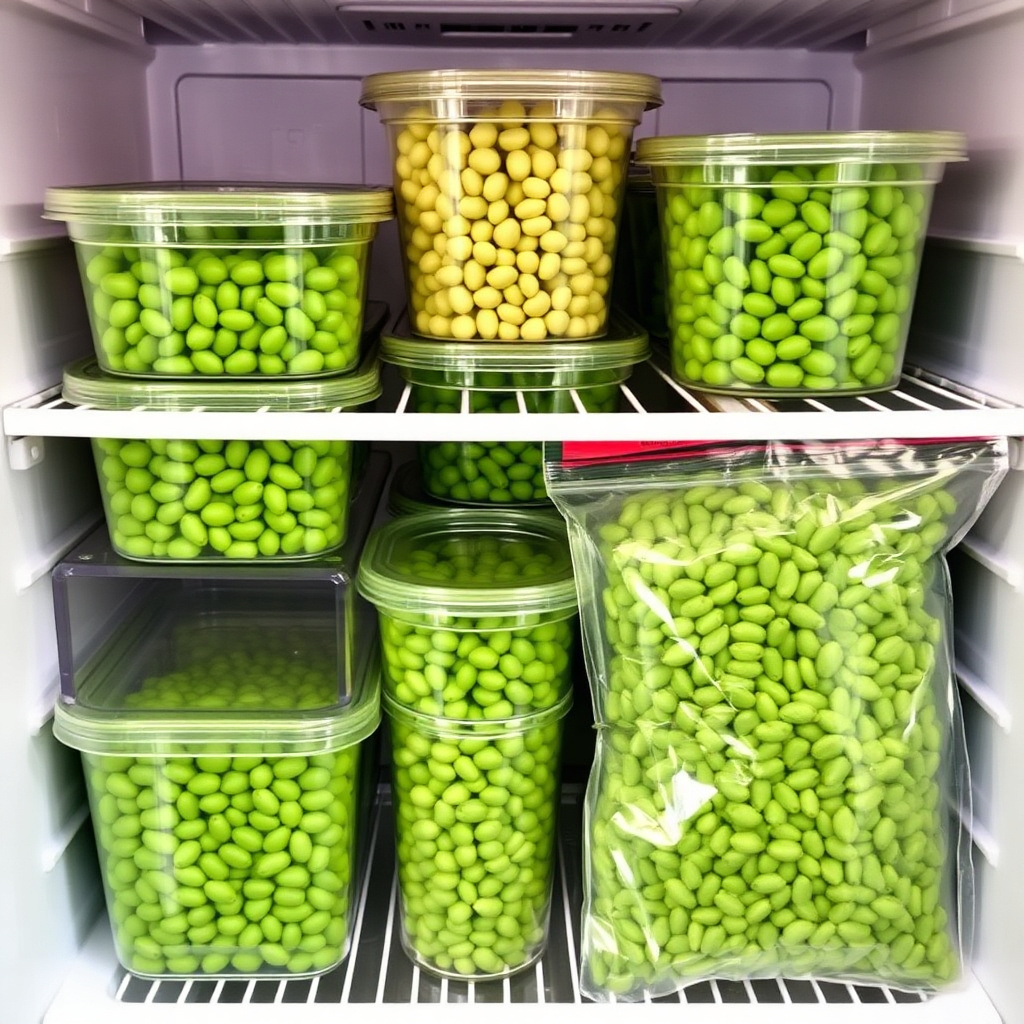
Frozen edamame is widely available and can be kept for several months. Cook directly from frozen without thawing to retain texture and freshness.
Once cooked, store leftovers in airtight containers in the fridge for up to 3 days.
- Buy frozen for long storage
- Cook from frozen to preserve quality
- Refrigerate leftovers properly
Edamame Snack Options Comparison
Here’s a quick comparison of different ways you can enjoy edamame as a snack.
| Type | Preparation Time | Flavor Profile | Ease of Eating |
|---|---|---|---|
| Boiled in pod | 5 minutes | Salty, nutty | Easy though slightly messy |
| Steamed pods with seasoning | 7 minutes | Mild with seasoning notes | Moderate, requires manual popping |
| Shelled edamame beans | 2 minutes (ready to eat) | Neutral, versatile | Very easy, no pod removal |
| Roasted edamame snacks | 15-20 minutes | Crunchy, savory | Very easy to eat like nuts |
Frequently Asked Questions
Can you eat edamame pods?
No, edamame pods are tough and fibrous and not intended for eating. Only the beans inside the pods should be consumed.
How long do you cook edamame pods?
Typically, edamame pods are boiled or steamed for 3 to 5 minutes until tender but still firm enough to pop out the beans.
Is edamame healthy to eat regularly?
Yes, edamame is rich in protein, fiber, and essential nutrients, making it a healthy option for regular snacking or meal additions.
How do you season edamame for best taste?
A light sprinkle of sea salt is classic, but you can also add chili flakes, garlic powder, or a splash of soy sauce for extra flavor.
Can children eat edamame safely?
Yes, edamame is safe for children as long as it is properly cooked and beans are removed carefully to avoid choking hazards.
Key Takeaways
- Only eat the beans inside edamame pods; discard the pods.
- Cook edamame by boiling or steaming for 3-7 minutes until tender.
- Season lightly with salt or spices to enhance flavor.
- Edamame is nutritious, high in protein, fiber, and vitamins.
Conclusion
Eating edamame is a simple process once you know how to pop the beans out of their pods properly. Focusing on proper cooking methods and minimal seasoning helps you enjoy the natural flavors and benefits this snack offers. Considering texture and temperature adds to the overall eating experience.
For those interested in healthful snacks, boiled pods with a light seasoning of sea salt provide a classic taste and easy method. Shelled edamame beans can be added to meals like salads and stir-fries to boost protein without handling pods. Roasted edamame offers a crunchy alternative for those wanting a nutty-flavored snack.
The best next step is to try preparing fresh or frozen edamame at home following these straightforward instructions. With minimal effort, you can enjoy this nutrient-rich snack regularly, expanding your dietary variety and satisfaction.