What is Mongolian Beef Sauce Made Of? Ingredients and Flavor Profile Explained
Mongolian beef sauce is made primarily from soy sauce, hoisin sauce, brown sugar, garlic, and ginger, creating a balance of salty, sweet, and aromatic flavors. The sauce typically includes cornstarch to thicken and give it a glossy finish, making it cling perfectly to tender slices of beef.
This sauce plays a critical role in defining the dish’s taste and texture, combining umami notes from soy and hoisin with the caramelized sweetness of brown sugar. Aromatic ingredients like garlic and ginger introduce depth and warmth, enhancing the overall appeal of Mongolian beef.
In this article, we'll explore the essential ingredients of Mongolian beef sauce, detail how each component contributes to the flavor, and offer tips on preparing and customizing the sauce at home to replicate the classic dish with authenticity.
Core Ingredients of Mongolian Beef Sauce

Soy Sauce and Hoisin Sauce
Soy sauce is the seasoning backbone of Mongolian beef sauce, contributing salty and umami flavors that define the dish’s savory profile. It also adds a dark hue and slightly fermented depth to the sauce.
Hoisin sauce complements the soy with its sweetness and complex blend of spices and fermented beans. Together, these two sauces create a multi-dimensional flavor base essential for the characteristic taste.
- Soy sauce adds saltiness and umami
- Hoisin sauce provides sweetness and complexity
- Both contribute to sauce color and texture
Brown Sugar and Aromatics
Brown sugar offers the distinctive sugary undertone that balances the saltiness of the soy sauce. It caramelizes slightly during cooking, contributing to the rich glaze typical of Mongolian beef.
Fresh garlic and ginger give aromatic warmth and subtle spice. These ingredients are typically minced or grated to release oils that elevate the sauce’s fragrance and flavor.
- Brown sugar adds sweetness and caramel notes
- Garlic provides sharp, pungent aroma
- Ginger adds spicy warmth and freshness
Additional Sauce Components and Their Roles
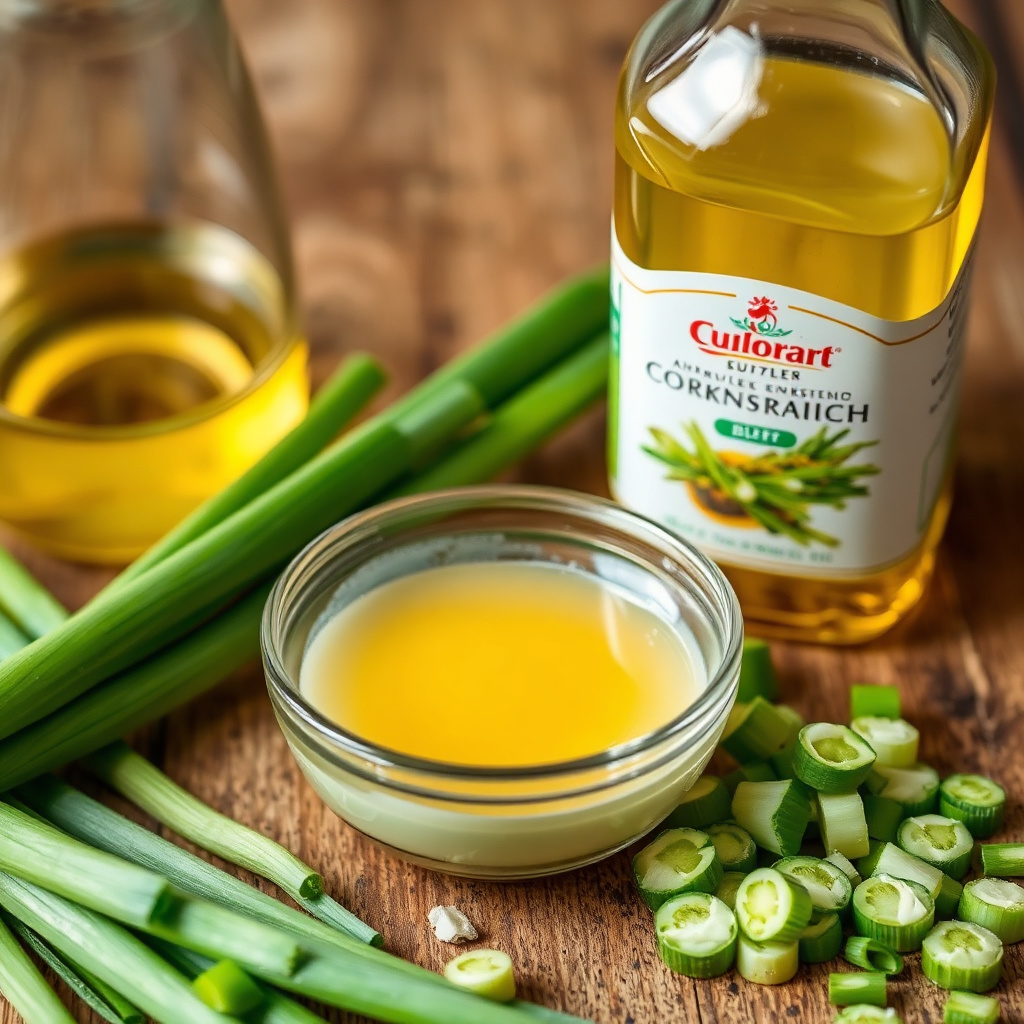
Cornstarch for Thickening
Cornstarch is mixed with water to form a slurry that thickens the sauce when heated. This gives Mongolian beef sauce its signature glossy, clingy texture that coats the beef evenly without being runny or watery.
The thickened sauce enhances the mouthfeel and helps the flavors stick together, creating each bite’s satisfying coating.
- Creates glossy, thick texture
- Helps sauce adhere to beef slices
- Prevents the sauce from becoming watery
Optional Additions for Flavor Boost
Some recipes include rice wine or Shaoxing wine to add subtle acidity and enhance overall flavor complexity. Others add scallions at the end for freshness and slight sharpness.
Sesame oil is occasionally drizzled for a nutty aroma, enriching the sauce’s profile without overpowering the core ingredients.
- Rice wine adds mild acidity and depth
- Scallions provide fresh brightness
- Sesame oil contributes nutty aroma
How Mongolian Beef Sauce Creates the Dish’s Unique Flavor

Balancing Sweet and Savory Notes
The interplay between salty soy sauce and sweet brown sugar is central to Mongolian beef sauce’s flavor harmony. This contrast makes the sauce rich but never cloying.
Hoisin sauce layers additional sweetness and a mild tang, rounding out the taste so the beef remains flavorful but balanced.
For more on this, see our related guide: What Is Mongolian Beef? A Complete Guide to This Flavorful Dish.
The Role of Aromatics and Cooking Technique
Garlic and ginger are often stir-fried briefly to release their flavors without bitterness, infusing the sauce with distinctive warmth.
High-heat cooking caramelizes the sugars, intensifying sweetness and developing a slight smoky note that complements the beef’s texture.
Variations and Customizations for Mongolian Beef Sauce

Adjusting Sweetness and Salt Levels
You can adjust the balance of brown sugar and soy sauce to suit personal preferences. More sugar enhances sweetness and glaze, while additional soy deepens saltiness and umami.
Low-sodium soy sauce is an option to reduce saltiness without sacrificing flavor complexity.
Alternative Flavor Enhancers
Some cooks add chili flakes or fresh peppers for a spicy kick that contrasts the sweetness. Others might include star anise or five-spice powder to introduce mild aromatic complexity.
Experimenting with garlic intensity or swapping hoisin sauce with oyster sauce can also create interesting variations while keeping the essence intact.
Making Mongolian Beef Sauce at Home
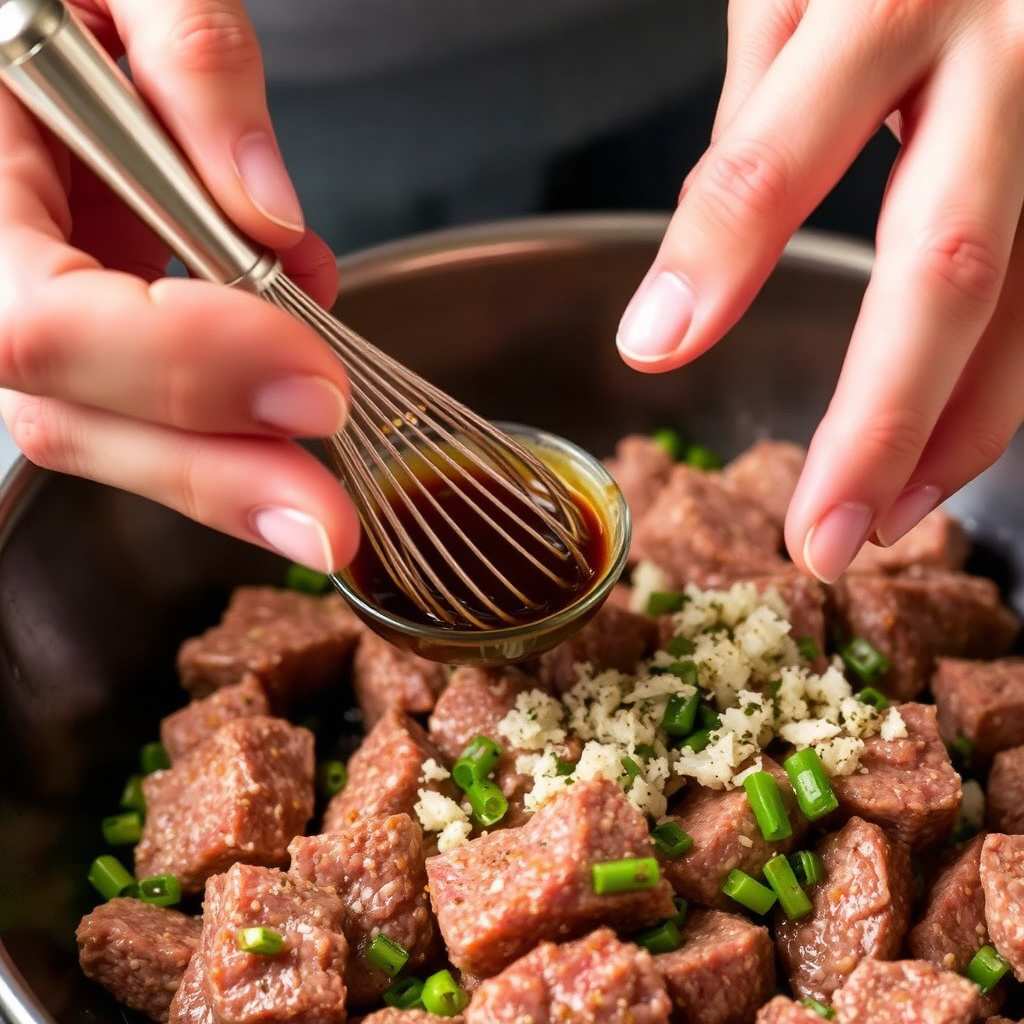
Step-by-Step Sauce Preparation
Begin by combining soy sauce, hoisin sauce, and brown sugar in a bowl. Stir until the sugar dissolves completely for a smooth base.
Mince garlic and ginger finely, then add them to the mixture. In a separate cup, mix cornstarch with cold water to prepare the thickening slurry.
- Combine soy sauce, hoisin, and brown sugar
- Add minced garlic and ginger
- Prepare cornstarch slurry separately
Incorporating Sauce into Cooking
Cook beef strips in a hot wok or skillet until nearly done, then pour in the prepared sauce mixture. Stir constantly while adding cornstarch slurry slowly to achieve desired thickness.
Once the sauce thickens and coats the beef evenly, remove from heat and garnish with sliced green onions for extra freshness.
- Stir-fry beef until almost cooked
- Add sauce and cornstarch slurry gradually
- Cook until sauce thickens and coats beef
Pairing Mongolian Beef Sauce with Ingredients

Common Ingredients Paired with the Sauce
Mongolian beef sauce is ideal with thinly sliced flank steak or sirloin, which absorb the sauce flavors well. Green onions and bell peppers are popular vegetable accompaniments.
Serving the dish over steamed white rice or fried rice allows the sauce to blend with the grains, providing a satisfying and hearty meal.
- Flank steak or sirloin beef slices
- Green onions and bell peppers
- Steamed white rice or fried rice
For more details on the origin and variations of Mongolian beef, visit the Mongolian beef Wikipedia page. Mongolian beef Wikipedia page.
Alternative Pairing Options
Some people enjoy Mongolian beef with noodles instead of rice, which works well because the sauce clings nicely to strands of lo mein or egg noodles.
Vegetables like broccoli or snap peas can be added to increase nutrition and provide textural contrast within the dish.
- Lo mein or egg noodles
- Broccoli and snap peas
- Stir-fried vegetable medleys
Mongolian Beef Sauce Variants Comparison
Below is a comparison of common Mongolian beef sauce variants highlighting key differences in flavor balance and ingredient use.
| Sauce Variant | Main Sweetener | Thickness | Additional Flavors |
|---|---|---|---|
| Classic | Brown sugar | Medium thick with cornstarch | Hoisin, garlic, ginger |
| Spicy | Brown sugar | Medium thick | Chili flakes, garlic, ginger |
| Low Sodium | Brown sugar | Medium thick | Low-sodium soy sauce, garlic |
| Light | Honey or lighter sugar | Thinner | Garlic, ginger, less hoisin |
| Robust | Brown sugar and oyster sauce | Thicker | Five-spice, garlic, scallions |
Frequently Asked Questions
Can I make Mongolian beef sauce without hoisin sauce?
Yes, you can substitute hoisin sauce with oyster sauce or a blend of soy sauce and a bit of sugar to mimic sweetness, though the flavor will be slightly different from the traditional sauce.
Is Mongolian beef sauce typically spicy?
Traditional Mongolian beef sauce is not typically spicy, but you can add chili flakes or fresh peppers if you prefer a spicier version.
What thickens Mongolian beef sauce?
Cornstarch slurry mixed with water is used to thicken Mongolian beef sauce, giving it a glossy, clingy texture that coats the meat well.
Can I prepare Mongolian beef sauce in advance?
Yes, you can prepare the sauce ahead of time and store it in the refrigerator for a day or two before cooking to save time.
Does Mongolian beef sauce contain meat stock or broth?
Traditional Mongolian beef sauce recipes usually do not include meat stock; the flavor mainly comes from the soy sauce, hoisin, and aromatics.
Key Takeaways
- Mongolian beef sauce combines soy sauce, hoisin, brown sugar, garlic, and ginger for a balanced savory-sweet flavor.
- Cornstarch thickens the sauce, giving it a glossy texture that coats beef slices evenly.
- Optional ingredients like rice wine, scallions, and sesame oil add complexity and freshness.
- You can customize sweetness, saltiness, and spiciness to suit personal taste preferences.
Conclusion
Understanding what Mongolian beef sauce is made of allows you to appreciate the interplay of salty, sweet, and aromatic flavors that define this popular dish. With a foundation of soy sauce, hoisin, brown sugar, garlic, and ginger, the sauce delivers a rich umami taste balanced by sweetness and warmth. Cornstarch’s function in thickening creates the ideal texture that clings to beef, making each bite flavorful and satisfying. By recognizing the purpose of each ingredient, you can better replicate or adapt the sauce at home based on your preferences.
For those looking to make Mongolian beef from scratch, classic sauce recipes provide a reliable template that you can customize by adjusting sweetness levels or incorporating optional ingredients like chili flakes or sesame oil. For example, if you prefer a less salty sauce, low-sodium soy sauce works well, or adding fresh scallions at the end can brighten flavors. The balance between sweet and savory is key, so try small adjustments until the flavor suits you. Whether paired with rice or noodles, the right sauce transforms simple beef into a rich and memorable meal.
Next time you seek to recreate the distinctive flavor of Mongolian beef, start by preparing the sauce carefully according to the main ingredient roles explained here. Combining the right balance of soy sauce, hoisin, brown sugar, garlic, and ginger with cornstarch thickening leads to authentic results. Experiment with the optional ingredients to make the dish your own. By breaking down the sauce’s components and their functions, you gain the confidence to cook restaurant-style Mongolian beef at home or innovate with new twists.


One Comment