How to Pick Sushi Grade Fish: A Practical Guide for Fresh and Safe Selection
Choosing sushi grade fish means selecting seafood that is safe to eat raw and has the highest quality for taste and texture. You can identify sushi safe fish by looking for clear eyes, firm flesh, a fresh ocean smell, and proper freezing practices that kill parasites. Buying from reputable vendors who specialize in sushi-grade products is essential to avoid risks.
Sushi grade fish is more than just fresh fish; it undergoes specific handling and freezing processes designed to eliminate harmful parasites and bacteria. This level of care affects both safety and flavor, which is why retail fish labeled as sushi grade reflects a higher standard. Understanding these details helps you avoid foodborne illness and ensures a satisfying sushi experience.
This article covers the key indicators to look for when picking sushi grade fish, how different types of fish must be handled, storage tips, and where to source trustworthy fish. Whether you’re making sushi at home or shopping in person, knowing these factors guides you to the best choices for a delicious meal.
Understanding What Makes Fish Sushi Grade

Definition and Safety Standards of Sushi Grade Fish
Sushi grade fish refers to seafood that is safe to consume raw due to strict handling protocols. Fish intended for raw consumption must be frozen at very low temperatures to kill parasites that can cause illness. The FDA recommends freezing fish at -4°F (-20°C) for seven days or blast freezing at -31°F (-35°C) until solid then storing at the same temperature for 15 hours.
These safety standards are critical because not all fresh fish is suitable for raw eating. Fish labeled sushi grade generally meets these requirements, although there is no official legal standard defining 'sushi grade' in many regions. Buyers rely on reputable suppliers who guarantee this level of care.
Types of Fish Commonly Used for Sushi
Certain fish species are preferred for sushi due to their texture, flavor, and lower parasite risk. Tuna, salmon, yellowtail, snapper, and halibut are among the favorites. Tuna and salmon are popular, but both must be handled carefully because of parasite concerns.
Some fish like farmed salmon tend to have fewer parasites, while wild-caught fish require freezing protocols. Understanding these species-specific risks helps in picking sushi grade fish with confidence.
Visual and Sensory Cues to Identify Fresh Sushi Grade Fish

Examining Eyes, Gills, and Skin for Freshness
Fresh sushi grade fish has bright, clear, bulging eyes rather than cloudy or sunken ones. The gills should be moist and bright red or pink, without excessive slime. Skin looks shiny and metallic, indicating a short time since catch.
Avoid fish with dull skin, discoloration, or dry spots, as these suggest age or improper storage, reducing the quality necessary for raw consumption.
- Clear, bright eyes
- Moist, bright gills
- Shiny, metallic skin
- No discoloration or dry patches
Smell and Texture Indicators
Sushi grade fish should smell clean and like the ocean, never fishy or ammonia-like. The flesh must be firm to the touch, springing back when pressed gently. Soft or mushy texture indicates aging.
A fresh fish’s smell and feel are reliable signs beyond labelling, helping you judge quality first-hand, especially when selecting from a fishmonger or market.
- Clean ocean aroma
- Firm, resilient flesh
- No off-putting or sour smells
Handling and Storage Practices for Sushi Grade Fish
Proper Freezing Techniques to Ensure Safety
Sushi grade fish must be frozen correctly to kill parasites. Blast freezing is the preferred method for commercial suppliers, rapidly bringing the temperature down to -31°F (-35°C) or below. Home freezing rarely reaches these temperatures, so buying from trusted sources is safer.
Some fish can be freeze-thawed repeatedly, but this affects texture and taste. Once thawed, consume sushi grade fish within a short time to maintain freshness.
- Blast freezing at -31°F (-35°C)
- FDA freezing guidelines
- Avoid multiple freeze-thaw cycles
For more on this, see our related guide: How to Order Sushi: A Simple Guide for Beginners.
Proper Storage and Thawing at Home
Store sushi grade fish on ice in the coldest part of your refrigerator if you plan to use it within a day. For longer storage, keep it in the freezer at proper temperatures discussed above.
Thaw fish slowly in the refrigerator or sealed in cold water for best texture and safety. Do not thaw at room temperature as bacteria multiply more rapidly.
- Keep fish cold on ice or refrigerated
- Thaw slowly in refrigerator
- Avoid room temperature thawing
Where to Source Reliable Sushi Grade Fish
Choosing Stores and Fishmongers with Sushi Expertise
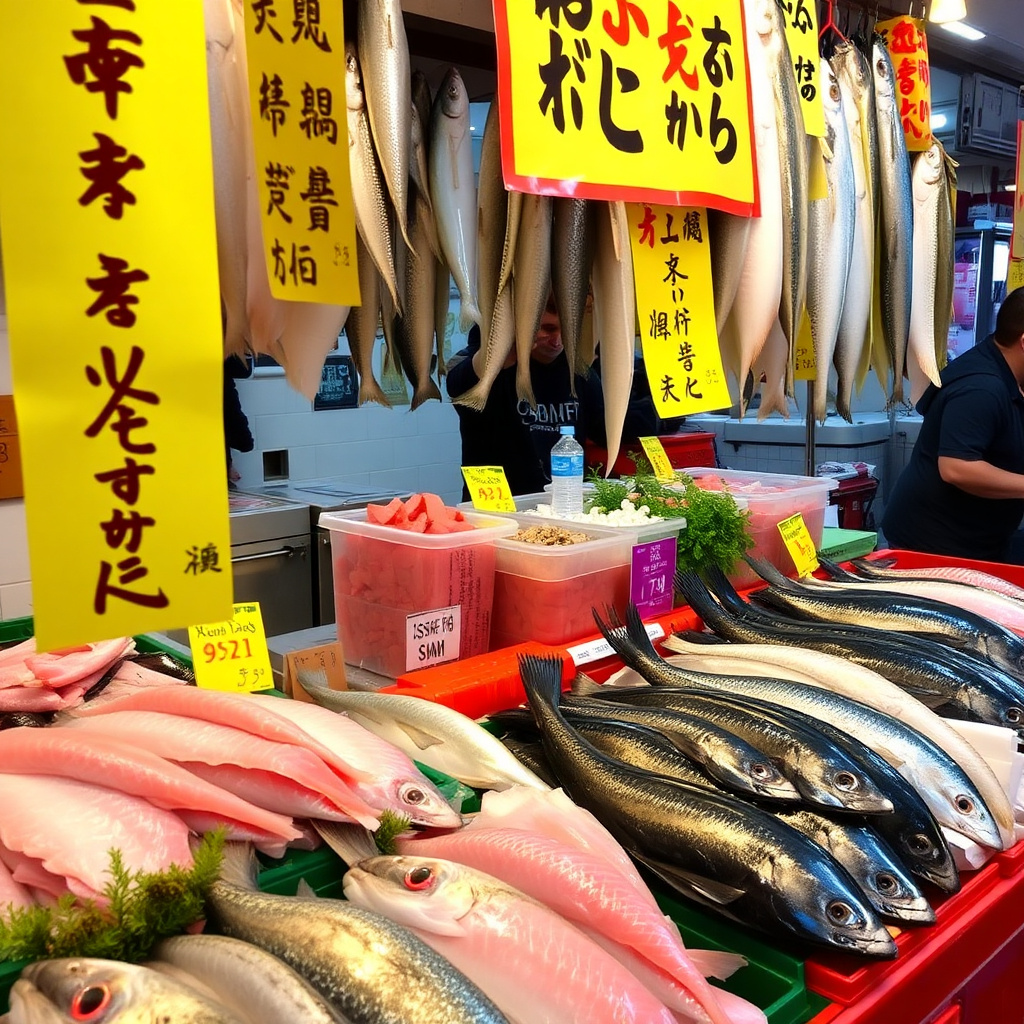
Buying sushi grade fish is best done from specialized fishmongers or markets known for seafood quality. Staff knowledgeable about sushi grade standards provide valuable guidance, and vendors maintain proper storage and handling.
Ask about the fish origin, freezing process, and when it arrived. Established sushi restaurants often source their fish from suppliers who cater to raw fish customers, which can also be a good lead.
Online Suppliers and Delivery Considerations
Many online vendors offer sushi grade fish shipped frozen with cold packs. Check for detailed product descriptions, freezing information, and customer reviews to evaluate safety and freshness.
Timing of delivery matters since prolonged transit can affect quality. Prefer overnight shipping and consume quickly after arrival to retain best texture.
Common Mistakes to Avoid When Picking Sushi Grade Fish

Relying Solely on Labels Without Visual Inspection
Some fish sold as sushi grade may not meet safety standards or have degraded in quality. Labels alone aren’t enough—visual and sensory checks are crucial. Cloudy eyes, off smells, or slimy texture signal poor quality even if labeled sushi grade.
Experience and attention to detail help prevent food safety risks and avoid wasting money on subpar fish.
For more on this, see our related guide: How to Store Sushi Properly for Freshness and Safety.
Ignoring Proper Storage and Handling After Purchase
Sushi grade fish loses quality quickly if mishandled after purchase. Leaving fish out too long or improper thawing can cause bacterial growth and texture loss. Always refrigerate or keep on ice immediately and thaw carefully.
Proper post-purchase care complements your initial choice and preserves the sushi grade standards essential for raw consumption.
Fish Varieties and Their Suitability as Sushi Grade Options

Popular Choices: Tuna and Salmon
Tuna is prized for sushi due to its rich flavor and firm texture. Varieties like Bluefin, Yellowfin, and Bigeye are common. Tuna must be frozen according to safety guidelines since it can carry parasites.
Salmon, especially farmed Atlantic salmon, is favored for its buttery taste but carries some parasite risk, so proper freezing or sourcing is essential for sushi grade status.
For authoritative details on safety practices, see the FDA guidelines on fish and fishery products hazards. FDA guidelines on fish and fishery products hazards.
Other Sushi Fish and Their Handling Requirements
White fish like snapper, flounder, and halibut are delicately flavored but require strict freezing. Shellfish like scallops or shrimp have different standards but usually need freezing or cooking to be safe.
Understanding each species’ typical parasite risk and preparation needs will help you choose the best sushi grade fish for your menu.
Comparison of Popular Sushi Grade Fish Categories
This table highlights key differences in popular sushi fish types based on taste, texture, safety needs, and typical price ranges.
| Fish Category | Flavor Profile | Parasite Risk | Freezing Requirement | Price Range |
|---|---|---|---|---|
| Tuna | Rich, meaty | Moderate to high | Blast freezing recommended | $20–$40 per lb |
| Salmon | Buttery, mild | Moderate | Frozen or farmed preferred | $15–$30 per lb |
| White Fish (Snapper, Halibut) | Delicate, mild | Moderate | Frozen required | $10–$25 per lb |
| Shellfish (Scallops, Shrimp) | Sweet, tender | Varies | Often frozen or cooked | $15–$35 per lb |
| Farmed vs Wild Fish | Varies | Farmed lower | Typically frozen less | Farmed cheaper than wild |
Frequently Asked Questions
What does sushi grade mean on a fish label?
Sushi grade indicates the fish was handled and frozen to standards that make it safe to eat raw, though there is no formal legal definition in many cases.
Can I freeze regular fish to make it sushi grade?
Freezing at home may not reach the temperatures required to kill parasites reliably, so purchasing fish already processed as sushi grade is safer.
How can I tell if sushi fish has gone bad?
Signs include sour or ammonia smells, cloudy eyes, slimy texture, and discoloration. Fresh fish should smell clean and have firm flesh.
Is farmed salmon safer than wild salmon for sushi?
Farmed salmon generally has fewer parasites due to controlled environments, making it safer for raw eating but freshness and freezing still matter.
Where is the best place to buy sushi grade fish?
Specialty fish markets, reputable fishmongers, or trusted online suppliers known for sushi grade products offer the most reliable options.
Key Takeaways
- Sushi grade fish requires specific freezing to kill parasites.
- Freshness indicators include clear eyes, firm flesh, and a clean ocean smell.
- Buy from specialized vendors with transparency about freezing and sourcing.
- Proper storage and thawing maintain the safety and quality of sushi fish.
Conclusion
Selecting sushi grade fish involves balancing safety with freshness and flavor. Since the term lacks a strict legal definition, relying on reputable suppliers who follow FDA freezing guidelines and handle fish carefully is necessary. Visual and sensory cues like bright eyes, firm texture, and clean smell give immediate quality indicators beyond labels. Understanding the specific handling needs of different fish species also guides informed choices for safe raw consumption.
For those preparing sushi at home, tuna and salmon remain popular options when sourced as sushi grade due to their distinctive taste and texture. However, species like snapper or halibut can provide delightful alternatives if properly frozen. Knowing common mistakes such as trusting labels blindly or neglecting proper thawing can prevent food safety issues. Shopping at specialized fish markets or trusted online sellers who clearly state freezing protocols ensures access to the best fish for sushi.
The next step after picking sushi grade fish is to handle and store it correctly — maintain cold temperatures, thaw gradually, and consume shortly after purchase to preserve quality. By combining careful selection with attentive handling, you can enjoy delicious and safe sushi experiences at home with confidence.


One Comment