How to Make Mongolian Beef: A Simple and Delicious Recipe
Making Mongolian beef at home is straightforward and rewarding. The dish features thinly sliced beef cooked quickly in a flavorful sauce of soy, garlic, and ginger, creating a balance of savory and slightly sweet flavors. With just a handful of ingredients and minimal prep, you can recreate this restaurant favorite in your own kitchen.
This dish stands out because of its tender beef and glossy sauce that clings perfectly to each bite. Mongolian beef is often served over steamed rice, making for a satisfying meal. Beyond taste, it's a quick option for busy evenings when you want something hearty yet uncomplicated.
This guide will walk you through the necessary ingredients, preparation methods, and cooking tips. Along the way, you'll learn about choosing the right cut of beef, making the sauce, and suggested variations to tailor the dish to your preferences.
Choosing the Right Beef for Mongolian Beef

Best Cuts of Beef for Tender Mongolian Beef
Flank steak is the most common cut used in Mongolian beef due to its lean profile and ability to absorb flavors well. It’s affordable and holds up nicely when sliced thin against the grain, which makes the beef tender after a quick stir-fry.
Other suitable cuts include skirt steak and sirloin, which are also flavorful and tender when prepared correctly. Avoid tougher cuts like chuck or round, as they require longer cooking times and won’t stay tender.
- Flank steak: best for flavor and texture
- Skirt steak: an alternative with similar qualities
- Sirloin: lean and tender with quick cooking
How to Prepare Beef for Stir-Frying
To achieve that tender, melt-in-your-mouth texture, slice the beef thinly against the grain. This breaks down muscle fibers and makes chewing easier. Partially freezing the beef for 20-30 minutes before slicing can help you cut even, thin strips.
Marinating beef briefly in soy sauce and cornstarch can add flavor and help seal in moisture during stir-frying. This coating also contributes to a slightly crisp texture when cooked over high heat.
- Freeze beef for 20-30 minutes before slicing
- Slice thinly against the grain
- Marinate in soy sauce and cornstarch for 10-15 minutes
Crafting the Classic Mongolian Beef Sauce

Key Ingredients for the Sauce
The signature Mongolian beef sauce combines soy sauce, brown sugar, ginger, and garlic to create a balance of savory richness and gentle sweetness. Soy sauce provides saltiness and umami, while brown sugar adds depth and caramel notes.
Fresh minced garlic and ginger offer aromatic complexity, brightening the taste. Some recipes include hoisin sauce or oyster sauce for added complexity, but traditional versions keep it simple with just a few ingredients.
- Soy sauce: salty and umami base
- Brown sugar: sweetness and caramel flavor
- Garlic and ginger: aromatic freshness
- Optional: hoisin or oyster sauce for complexity
For more on this, see our related guide: What is Mongolian Beef Sauce Made Of? Ingredients and Flavor Profile Explained.
Preparing and Thickening the Sauce
To prepare the sauce, mix soy sauce and brown sugar in a small bowl until the sugar dissolves. Then add minced garlic and ginger. When heated, this mixture becomes fragrant and glossy.
A slurry of cornstarch and water is added near the end of cooking to thicken the sauce, helping it cling to the beef strips. The cornstarch also gives the sauce a smooth, slightly sticky texture, which is key for authentic Mongolian beef.
- Dissolve brown sugar in soy sauce
- Add minced garlic and ginger
- Thicken with cornstarch slurry at the end
Techniques for Stir-Frying Mongolian Beef

Preparing Your Cooking Equipment
Use a wok or large skillet to stir-fry Mongolian beef quickly over high heat. A well-seasoned wok or heavy-bottomed pan ensures even heat distribution, which is essential for searing the beef without steaming it.
Make sure all sauce ingredients and cornstarch slurry are ready before starting to cook, as the stir-fry process moves fast. Keep beef and vegetables within easy reach to maintain a continuous cooking flow.
- Use a wok or large skillet
- Preheat pan until very hot
- Have all ingredients ready beforehand
Cooking the Beef to Perfection
Add oil with a high smoke point like vegetable or peanut oil to the hot pan. Stir-fry the beef strips in small batches to avoid overcrowding, which can cause steaming rather than searing.
Cook each batch quickly for about 2 minutes until the beef browns but remains tender. Remove cooked beef from the pan before adding sauce and return it after thickening the sauce to coat evenly.
- Use high smoke point oil
- Cook beef in small batches
- Avoid overcooking to keep beef tender
Serving Mongolian Beef for the Best Experience

Traditional Accompaniments and Garnishes
The classic way to serve Mongolian beef is over steamed white rice, which soaks up the flavorful sauce. Thinly sliced green onions often top the beef, adding color and a mild sharpness.
Some also add steamed or stir-fried vegetables like broccoli or snap peas to create a more balanced meal. A sprinkle of sesame seeds can provide additional texture and a nutty note.
- Steamed white rice base
- Green onion garnish
- Optional: steamed broccoli or snap peas
- Sesame seeds for texture
For more on this, see our related guide: What Is Mongolian Beef? A Complete Guide to This Flavorful Dish.
Storing and Reheating Leftovers
Mongolian beef stores well in an airtight container in the refrigerator for up to 3 days. When reheating, use a skillet over medium heat to prevent the beef from drying out, adding a splash of water or beef broth if needed to loosen the sauce.
Avoid microwaving if possible, as it can make the beef tougher. Reheat just until warmed through to keep the beef tender and the sauce glossy.
- Store in airtight container up to 3 days
- Reheat in skillet on medium heat
- Add water or broth to loosen sauce if needed
Variations and Tips for Customizing Mongolian Beef
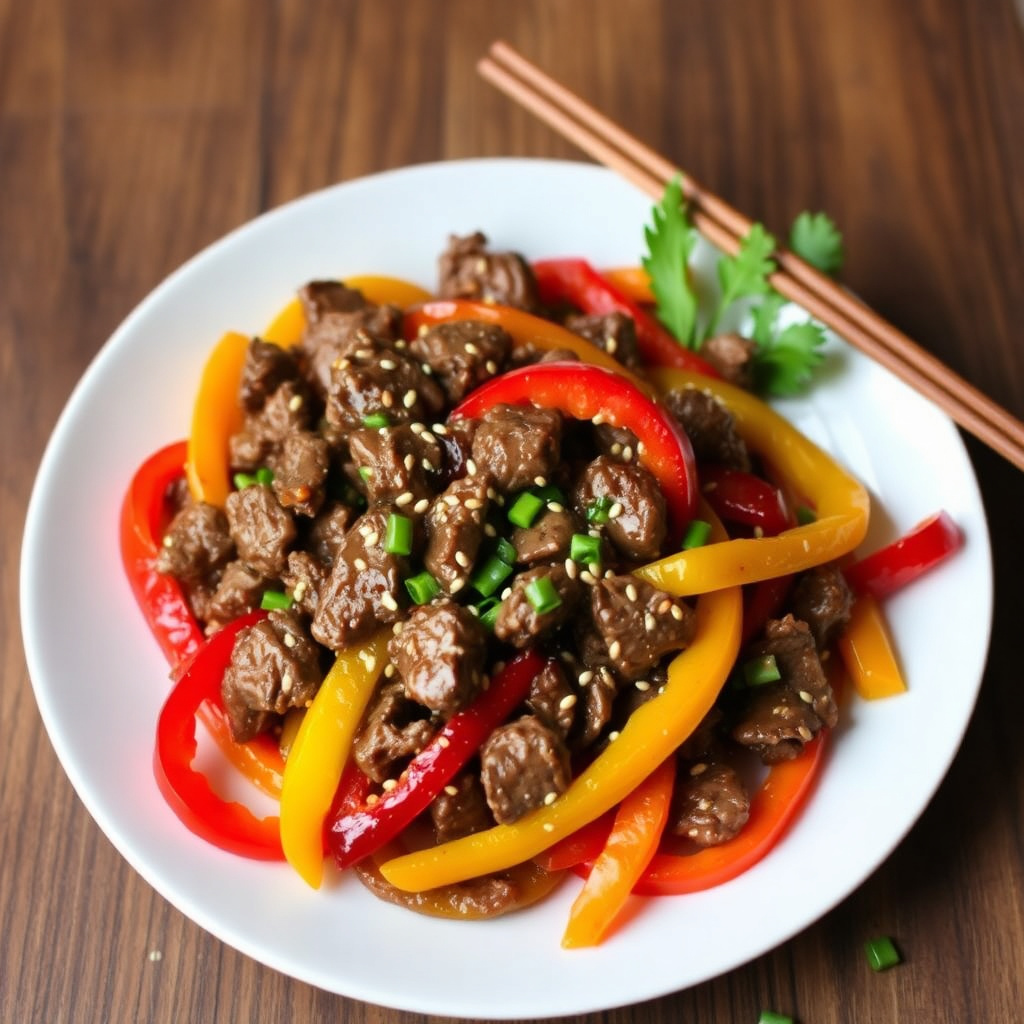
Adding Vegetables and Flavor Twists
Incorporating vegetables like bell peppers, carrots, or snap peas can add freshness and color to Mongolian beef. These veggies should be added during the stir-fry to retain some crunchiness.
For extra flavor, consider a splash of rice vinegar, chili flakes, or fresh herbs like cilantro. Adjust the brown sugar to balance sweetness with heat or acidity according to your taste.
- Bell peppers and snap peas add color and texture
- Rice vinegar or chili flakes add brightness and heat
- Balance sweetness with flavor adjustments
For more background on Mongolian beef and its origins, see the Mongolian beef Wikipedia page. Mongolian beef Wikipedia.
Making a Healthier Mongolian Beef
Choose lean cuts of beef and reduce sugar to create a lighter version. Using low-sodium soy sauce cuts down on salt intake, while adding plenty of veggies boosts fiber and nutrients.
Serving over brown rice or cauliflower rice increases fiber content and makes the meal more filling. Avoid deep-frying the beef by stir-frying or pan-cooking for a healthier preparation.
- Use lean beef and low-sodium soy sauce
- Add more vegetables for nutrition
- Choose brown rice or cauliflower rice
- Stir-fry instead of deep-fry beef
Comparison of Mongolian Beef Cooking Methods
This table compares common cooking methods for Mongolian beef, highlighting key differences in texture, flavor, and ease.
| Method | Texture | Flavor | Ease of Preparation |
|---|---|---|---|
| Stir-fry | Tender with slight crisp edges | Balanced sauce absorption | Fast and straightforward |
| Deep-fry then stir-fry | Crispy exterior, tender interior | More intense flavor with caramelization | More time and oil required |
| Slow cooker | Very tender but lacks crispness | Deep flavor development | Hands-off but longer cook time |
| Grilling | Smoky with charred edges | Less sauce coating | Requires more attention and prep |
Frequently Asked Questions
Can I use ground beef for Mongolian beef?
Ground beef is not ideal for authentic Mongolian beef because the dish relies on thinly sliced pieces to absorb the sauce and cook quickly. Using sliced flank or sirloin steak delivers better texture and flavor.
What can I substitute for brown sugar in the sauce?
You can use coconut sugar, maple syrup, or honey as substitutes for brown sugar. Keep in mind these may slightly alter the flavor and sweetness balance, so adjust quantities to taste.
Is Mongolian beef spicy?
Traditional Mongolian beef is mildly sweet and savory without spiciness. However, some recipes add chili flakes or fresh chili peppers to introduce heat if desired.
Can I make Mongolian beef gluten-free?
Yes, use tamari or gluten-free soy sauce instead of regular soy sauce. Also, double-check any additional sauces or ingredients to ensure they don’t contain gluten.
How long does Mongolian beef take to cook?
Once prepped, the stir-fry itself takes about 5-7 minutes. Most time is spent slicing the beef and preparing the sauce, making it a quick meal overall.
Key Takeaways
- Use flank or skirt steak, thinly sliced for tender beef
- Soy sauce and brown sugar create the classic savory-sweet sauce
- Stir-fry quickly over high heat to preserve texture
- Serve over steamed rice and garnish with green onions
Conclusion
Preparing Mongolian beef at home is an accessible way to enjoy a restaurant-style dish with balanced flavors and tender beef. The key lies in selecting the right cut — typically flank steak sliced thinly — and crafting a sauce with soy and brown sugar that complements the beef’s richness. Paying close attention to cooking over high heat ensures a satisfying bite without toughness. This method emphasizes fresh ingredients and simple steps, making it suitable for everyday meals that don’t sacrifice taste.
For those aiming for authenticity and ease, sticking to the classic stir-fry method combined with a straightforward sauce is ideal. Alternatively, adding bell peppers or snap peas enhances nutritional value and color, while using low-sodium soy and brown rice can make the dish healthier. If you prefer more texture contrast, the deep-fry plus stir-fry approach gives crisp edges but requires more effort. Choosing a slow cooker tends to soften the beef and change the classic texture, so reserve that option for when time is the priority.
Whatever variation you choose, making Mongolian beef at home offers flexibility and delicious results with minimal fuss. Gather your ingredients, slice beef thinly, prepare the sauce, and follow the step-by-step instructions for a quick meal that brings Chinese-American flavors to your table. Once comfortable with the basics, feel free to customize with vegetables or spices. The next step is to try cooking with these tips and enjoy the rich taste of homemade Mongolian beef.


