What Is Mongolian Beef? A Complete Guide to This Flavorful Dish
Mongolian beef is a savory Chinese-American stir-fry dish made with thin slices of beef cooked in a slightly sweet and savory brown sauce, commonly featuring soy sauce, garlic, ginger, and scallions. Despite its name, it has no direct connection to Mongolian cuisine but has become popular in Western Chinese restaurants for its bold flavors.
The appeal of Mongolian beef lies in its perfect balance of tender meat, caramelized sauce, and aromatic spices that complement simple white rice or noodles. It caters to those who enjoy rich yet approachable savory dishes that combine umami and mild sweetness in a quick-cooked style.
This article explores what Mongolian beef truly is, its origins, typical ingredients, cooking methods, and tips on how to make it at home. You’ll also find information on how it compares with similar dishes and answers to common questions about this flavorful entree.
Origin and History of Mongolian Beef

Where Mongolian Beef Comes From
Mongolian beef, despite its name, does not hail from Mongolia but is a creation of Chinese-American cuisine likely dating back to the 1970s or 1980s. It was introduced in Chinese restaurants outside China to suit Western tastes with a sweeter, richer sauce than authentic Chinese dishes.
The name might be attributed to marketing tactics that evoke exotic appeal or reference Mongolian barbecue, but the dish itself blends Cantonese-style stir-fry techniques with American flavor preferences, creating a unique fusion that has become a staple in the U.S.
How the Dish Evolved Over Time
Originally influenced by simple soy-ginger dishes, Mongolian beef was developed to be quick, easy, and satisfying for restaurant diners seeking bold flavors without overwhelming spices. It evolved by incorporating brown sugar for sweetness and scallions for freshness.
Today, many variations exist across Chinese-American eateries, differing slightly in ingredients or thickness of sauce but maintaining the core elements: thin beef slices, sweet and savory glaze, and aromatic vegetables.
Key Ingredients in Mongolian Beef
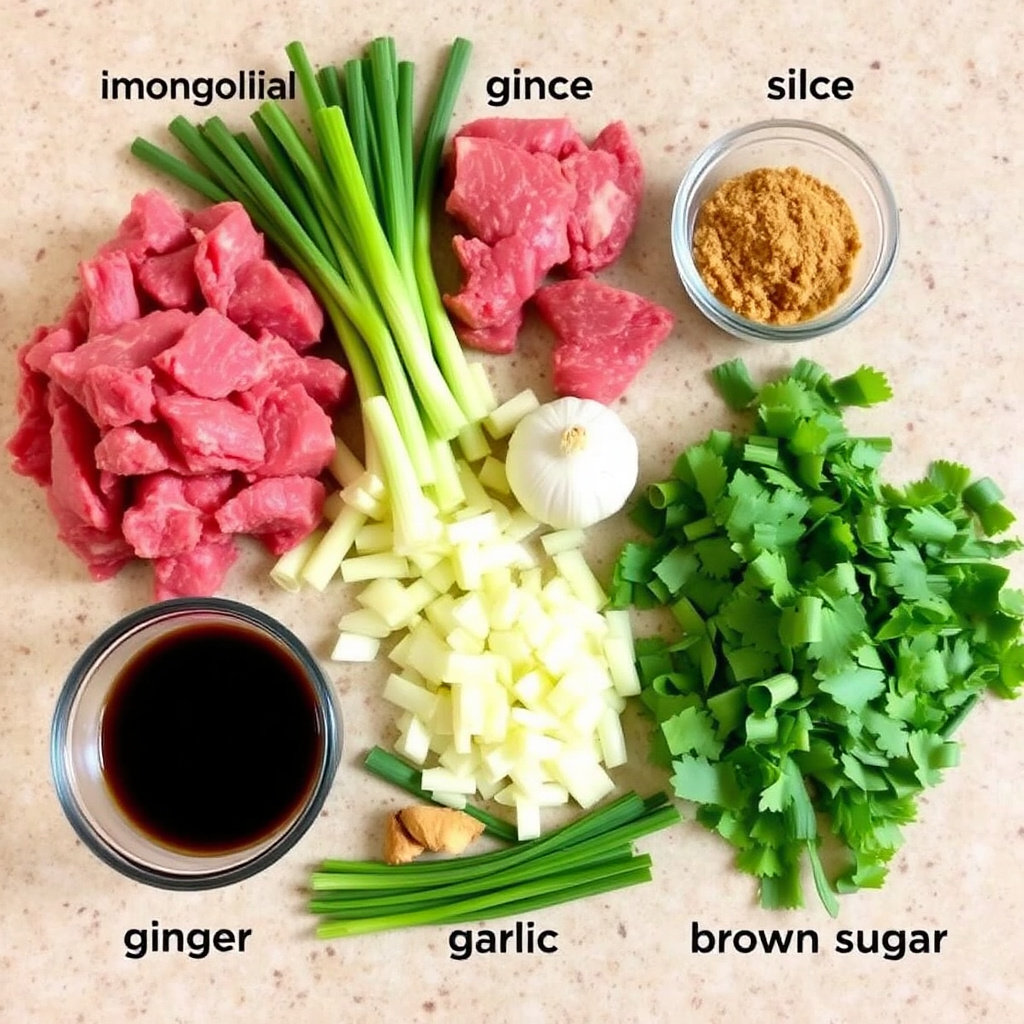
Primary Components
The main ingredient is usually flank steak or sirloin, thinly sliced across the grain for tenderness. The strips are quickly stir-fried, enabling them to retain juiciness while absorbing the sauce flavors.
Scallions (green onions) are essential, added both during cooking and as garnish, contributing fresh, sharp notes that cut through the rich sauce.
- Flank steak or sirloin
- Scallions
- Garlic and fresh ginger
- Soy sauce
- Brown sugar or hoisin sauce
Sauce Ingredients and Their Roles
The distinct flavor of Mongolian beef comes from its sauce made primarily of soy sauce and brown sugar, which creates a sweet and savory balance. Garlic and ginger provide spiciness and warmth, while sometimes hoisin sauce or oyster sauce is added for complexity.
Cornstarch slurry often thickens the sauce, giving it that glossy coating that clings to the beef strips perfectly.
- Soy sauce for saltiness
- Brown sugar for sweetness
- Garlic and ginger for aromatics
- Cornstarch slurry for thickness
How Mongolian Beef Is Made

Preparation and Cooking Techniques
Slicing the beef thin and against the grain is critical to ensure tenderness. The meat is often marinated briefly with soy sauce and cornstarch to help tenderize and protect it during high-heat cooking.
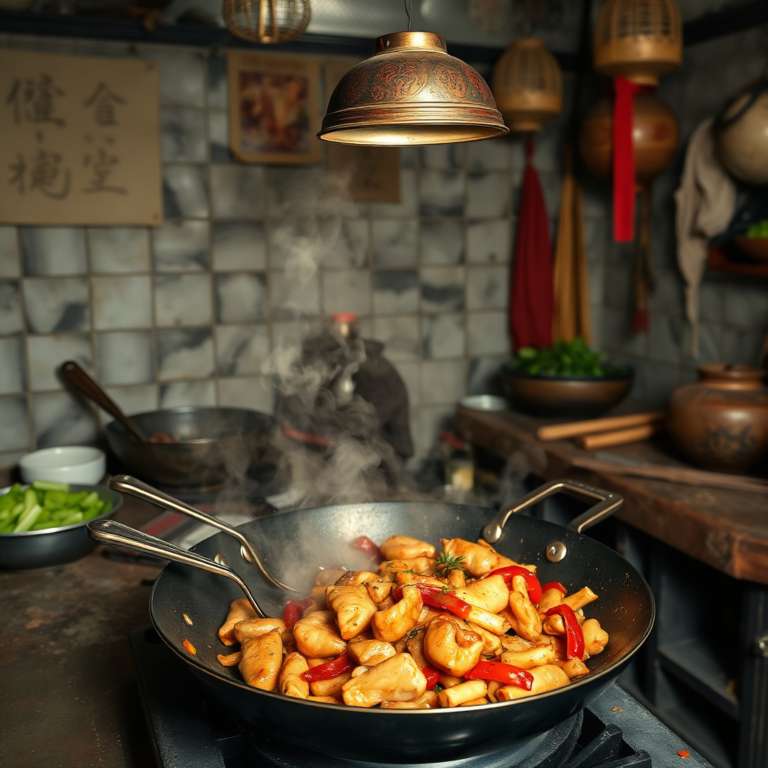
Stir-frying over high heat is the typical cooking method, which quickly seals in juices and allows the sauce to caramelize slightly, creating the characteristic flavor and texture.
- Thinly slice beef
- Marinate with soy sauce and cornstarch
- Stir-fry over high heat
Finishing the Dish
After the beef cooks, the sauce is added and thickened with a cornstarch slurry. Finally, scallions are tossed in to add freshness and slight crunch before serving hot over rice or noodles.
Timing is important to avoid overcooking the beef, which can become tough, and to maintain the vibrant texture of the scallions.
- Add sauce and thicken with cornstarch
- Toss in scallions last
- Serve immediately with rice or noodles
Variations of Mongolian Beef

Vegetable Additions
Some versions include vegetables such as bell peppers, broccoli, or carrots to add texture, color, and nutrition. These are typically stir-fried lightly alongside or after the beef.
Adding vegetables can modify the dish from purely meat-focused to a more balanced entree, though purists may prefer the traditional style with just scallions.
Alternative Protein Options
Chicken and pork are sometimes substituted for beef, adapting the sauce and cooking times accordingly. Tofu versions exist as well, catering to vegetarian diners, but beef remains the classic choice.
Each protein offers a slightly different taste and mouthfeel, but the signature sauce ties them all into the familiar Mongolian beef flavor profile.
Serving and Pairing Mongolian Beef

Traditional and Modern Serving Styles
Mongolian beef is commonly served over steamed white rice, which balances the rich, savory sauce. Sometimes it accompanies fried rice or noodles in modern adaptations.
Garnishes like sesame seeds or extra scallions enhance the visual appeal and add subtle texture.
Side Dishes and Beverages to Consider
Light, crisp sides such as cucumber salad or steamed greens complement the hearty flavors of Mongolian beef. A mild soup like egg drop or hot and sour soup pairs well too.
For beverages, lightly sweetened tea or lager-style beers work well without overwhelming the dish's balance.
Common Mistakes When Making Mongolian Beef

Overcooking the Beef
Beef that’s sliced too thick or cooked too long becomes tough and chewy, a common problem when attempting Mongolian beef at home. Using thinner slices and quick stir-frying prevents this issue.
Resting the sliced beef briefly before cooking can help maintain tenderness.
For more detailed background, the Wikipedia page on Mongolian beef provides useful information about the dish’s history and variations. Mongolian beef on Wikipedia.
Sauce Consistency Errors
Sauce that is too watery fails to coat the beef well, while overly thick sauce can feel gloopy and heavy. Measuring cornstarch slurry carefully and cooking just until glossy is key.
Balancing sweetness and saltiness carefully affects the final flavor—adjust brown sugar and soy sauce amounts to taste.
Mongolian Beef Variations Category Comparison
This comparison table outlines different variations of Mongolian beef based on protein choice, sauce thickness, and typical vegetables used.
| Variation | Protein Type | Sauce Sweetness Level | Common Vegetables | Cooking Time |
|---|---|---|---|---|
| Classic Mongolian Beef | Beef (flank or sirloin) | Medium | Scallions only | 10 minutes |
| Mongolian Chicken | Chicken breast or thigh | Medium | Bell peppers, scallions | 12 minutes |
| Vegetarian Mongolian Tofu | Firm tofu | Medium-low | Broccoli, carrots | 8 minutes |
| Mongolian Pork Stir-fry | Pork tenderloin | High | Onions, scallions | 10 minutes |
Frequently Asked Questions
Is Mongolian beef an authentic Mongolian dish?
No, Mongolian beef is a Chinese-American creation and does not originate from traditional Mongolian cuisine. The name is more of a marketing label than a reflection of its true origins.
What cut of beef is best for Mongolian beef?
Flank steak or sirloin sliced thin across the grain is preferred for a tender texture that cooks quickly and soaks up the flavorful sauce effectively.
Can Mongolian beef be made spicy?
Yes, you can add chili flakes, fresh chilies, or hot sauces to customize the spice level while maintaining the classic sweet-salty flavor profile.
How should Mongolian beef be served?
It is traditionally served over steamed white rice, but it also pairs well with fried rice or noodles, along with simple vegetable sides or soup.
Is Mongolian beef gluten-free?
Traditional recipes use soy sauce which often contains gluten. For gluten-free versions, use tamari or other gluten-free soy sauces to maintain the flavor safely.
Key Takeaways
- Mongolian beef is a Chinese-American dish featuring tender beef in a sweet-savory soy-based sauce.
- The dish is named for marketing appeal and not connected to Mongolian cuisine.
- Proper beef slicing and quick stir-frying are vital to tender results.
- Classic recipes focus on beef and scallions but variations include different proteins and vegetables.
Conclusion
Understanding what Mongolian beef is involves recognizing it as a product of Chinese-American culinary innovation, blending stir-fry techniques with a palate-friendly sweet and savory sauce. Deciding whether to make it at home or order it out means balancing how much effort you want to invest in slicing meat thinly and mastering the sauce consistency, both critical to capturing the dish’s defining tender texture and flavor.
For those wishing to cook Mongolian beef, starting with the classic beef and scallion version provides a reliable base. From there, you might explore alternatives like Mongolian chicken or tofu recipes if you prefer lighter or vegetarian options without sacrificing essential savory notes. These variations retain the character of the dish through that distinctive brown sugar and soy sauce blend.
If you’re new to cooking this dish, begin by focusing on high-quality flank steak sliced thinly, a well-balanced sweet and salty sauce, and a quick, hot stir-fry method. Serve over steamed rice and add simple sides to round out the meal. Trying a Mongolian beef recipe that matches your taste preferences and skill level is a great next step toward enjoying this flavorful dish right at home.



One Comment