Ultimate Cooked Sushi Rolls List: Delicious Options Beyond Raw Fish
Cooked sushi rolls offer a tasty alternative to traditional raw sushi, making them ideal for those who prefer their seafood or ingredients fully cooked. These rolls combine various cooked proteins like shrimp tempura, eel, or crab with fresh vegetables and sauces, creating vibrant flavors without any raw fish involved.
This matters because many people are hesitant to try sushi due to concerns about raw ingredients, allergies, or dietary preferences. Cooked sushi rolls provide approachable options that still honor the art and taste of sushi but with familiar cooked elements that appeal widely.
In this article, we’ll present a comprehensive cooked sushi rolls list, breaking down popular types, ingredients, preparation styles, and helpful tips for selecting and enjoying these varieties at home or when dining out.
Popular Cooked Sushi Rolls to Try

Shrimp Tempura Rolls
Shrimp tempura rolls feature crispy, deep-fried shrimp wrapped in sushi rice and seaweed, often topped with spicy mayo or eel sauce. The crunch contrasts beautifully with the soft rice and seaweed, making them a favorite among cooked sushi enthusiasts.
These rolls usually include cucumber or avocado to add fresh texture, balancing the rich fried shrimp. Preparation involves lightly battering shrimp and frying until golden, then rolling with seasoned sushi rice.
- Crunchy texture from fried shrimp
- Commonly paired with spicy mayo or eel sauce
- Includes fresh vegetables like cucumber
California Rolls
The California roll is a classic cooked sushi roll made with imitation crab (surimi), avocado, and cucumber. This roll popularized sushi in the United States due to its approachable cooked ingredients and mild flavors.
Its inside-out style (rice on the outside) is typically coated with toasted sesame seeds or fish roe for added flavor and visual appeal. It’s a beginner-friendly roll due to the absence of raw fish.
- Uses cooked imitation crab meat
- Inside-out roll style with sesame seeds
- Contains creamy avocado and crunchy cucumber
Ingredients Commonly Used in Cooked Sushi Rolls

Cooked Seafood Options
Cooked sushi rolls rely on seafood like shrimp tempura, grilled eel (unagi), crab sticks, and steamed scallops. These proteins are fully cooked before being rolled, making them safe for those avoiding raw items.
Grilled eel is sweetly glazed with a soy-based sauce and adds a rich umami flavor, while shrimp provides a crunchy texture when fried, enhancing the sensory delight of the roll.
- Shrimp tempura for crunch
- Grilled eel with eel sauce
- Steamed or boiled crab sticks
Vegetables and Condiments
Vegetable ingredients such as cucumber, avocado, and carrots bring fresh crunch and creaminess, essential to cooked sushi rolls’ balance. Condiments like spicy mayo, eel sauce, and tobiko elevate flavors and presentation.
Seaweed sheets (nori) hold ingredients together and add a distinct savory layer, while sushi rice seasoned with vinegar and sugar ties the flavors harmoniously.
- Fresh cucumber and avocado
- Spicy mayo and eel sauce toppings
- Seaweed sheet for wrapping
Techniques for Making Cooked Sushi Rolls at Home
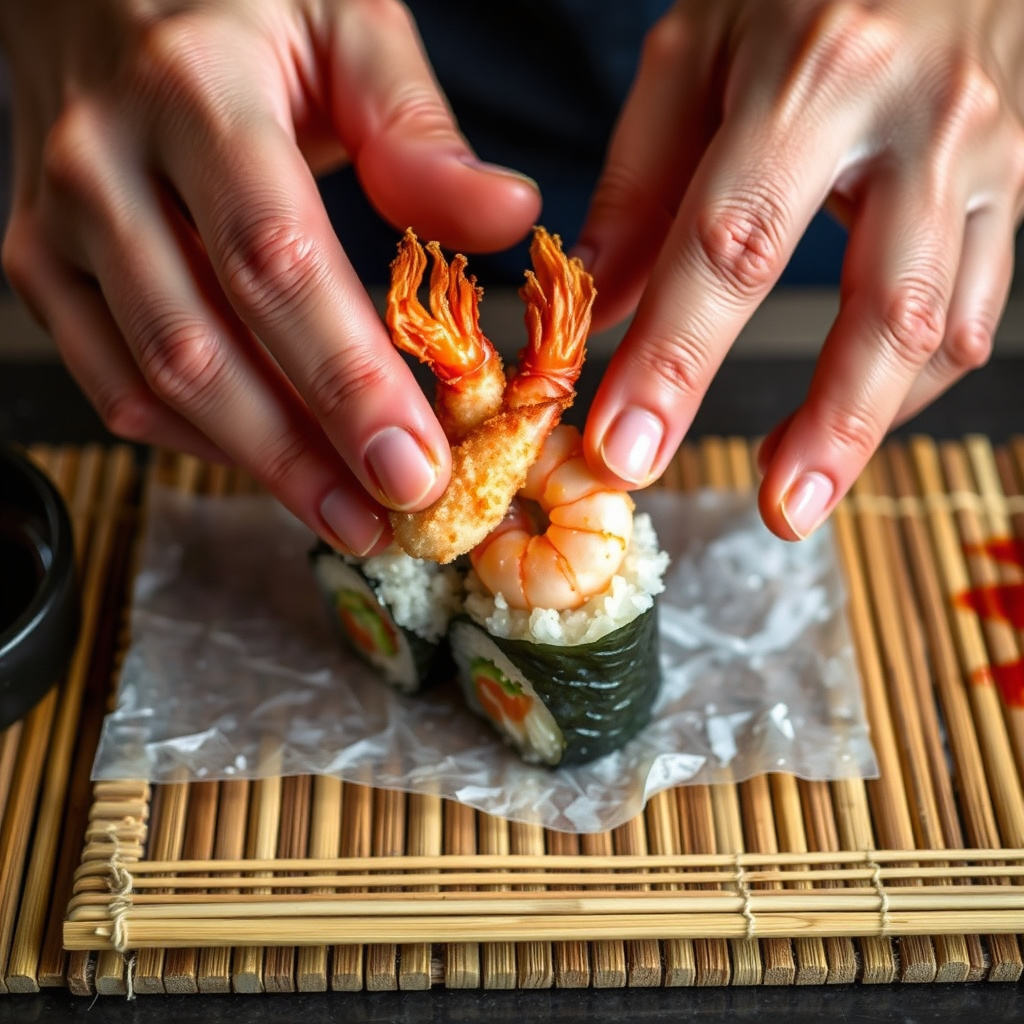
Preparing the Sushi Rice
Preparing sushi rice correctly is foundational. Rinse short-grain rice until water runs clear, then cook with the right water-to-rice ratio. Once cooked, season it while hot with a mix of rice vinegar, sugar, and salt, then cool to room temperature.
This seasoning imparts the subtle tang that balances the other roll ingredients and gives sushi rice its signature taste and texture.
- Use short-grain sushi rice
- Season with rice vinegar, sugar, and salt
- Cool rice to room temperature before rolling
For more on this, see our related guide: Best Sushi for People Who Don’t Like Raw Fish: A Flavorful Guide.
Rolling the Sushi Properly
Using a bamboo mat, spread an even layer of sushi rice over nori, then add fillings such as cooked shrimp or crab with vegetables. Roll tightly to ensure the roll holds shape and slice with a sharp knife to clean cuts.
Practicing these steps helps maintain roll integrity and presentation, key for delicious and visually appealing cooked sushi rolls.
- Use a bamboo sushi mat
- Roll tightly for firm shape
- Slice with sharp knife to avoid squishing
Health Benefits and Considerations of Cooked Sushi Rolls
Nutritional Advantages
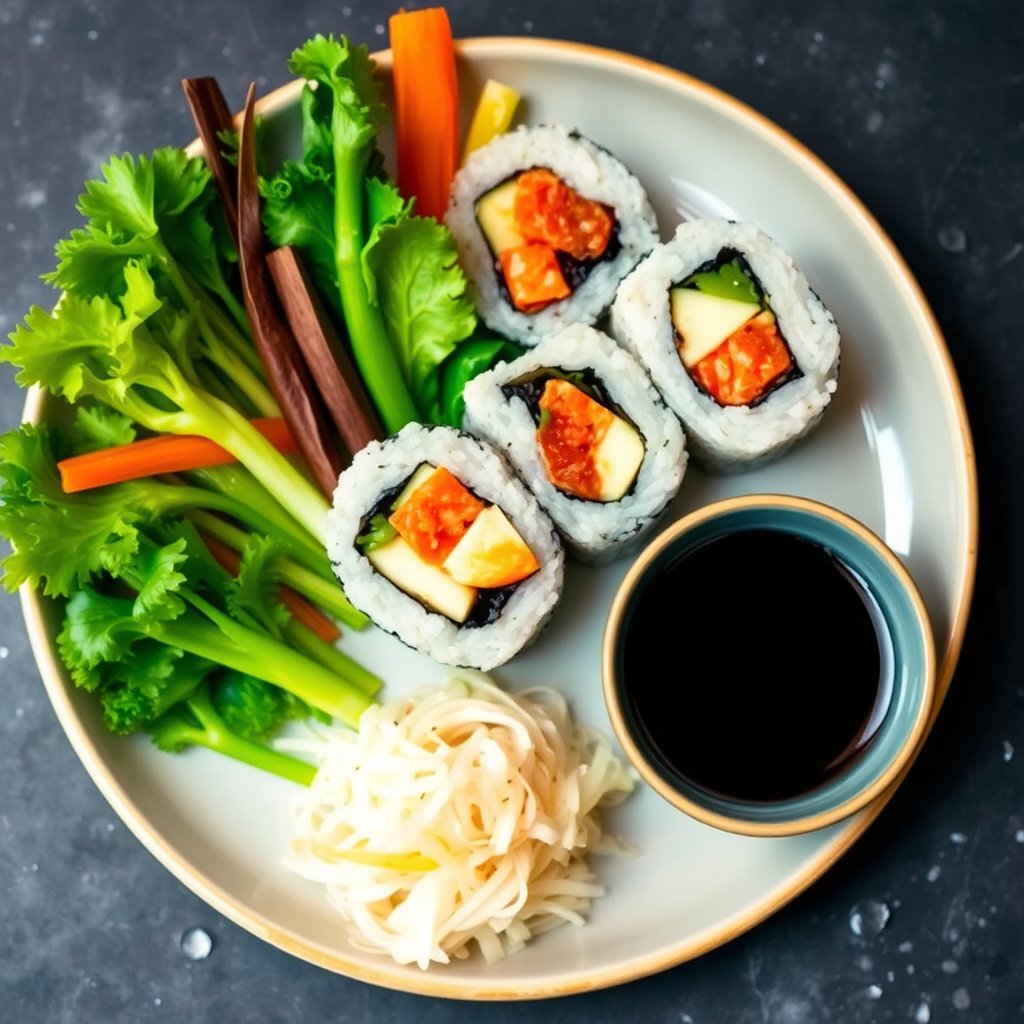
Cooked sushi rolls offer omega-3 fatty acids from seafood like shrimp and eel, along with vitamins and fiber from vegetables like avocado and cucumber. Using cooked ingredients can reduce risk of foodborne illness often linked with raw fish.
They are generally lower in mercury than some raw fish options and can be tailored for calorie-conscious diets by controlling sauces and rice amounts.
- Source of omega-3 fatty acids
- Lower risk of raw fish contamination
- Includes fiber-rich vegetables
Allergy and Dietary Notes
People with shellfish allergies should avoid shrimp-based rolls but may opt for vegetarian versions. Additionally, some rolls use mayonnaise-based sauces, which may contain eggs, important for people with allergies to note.
Gluten may appear in sauces like eel sauce, so gluten-free alternatives or homemade sauces can make cooked sushi rolls more accessible for sensitive individuals.
- Watch for shellfish allergens
- Check sauces for eggs or gluten
- Vegetarian cooked sushi options available
Where to Find the Best Cooked Sushi Rolls
Dining at Sushi Restaurants
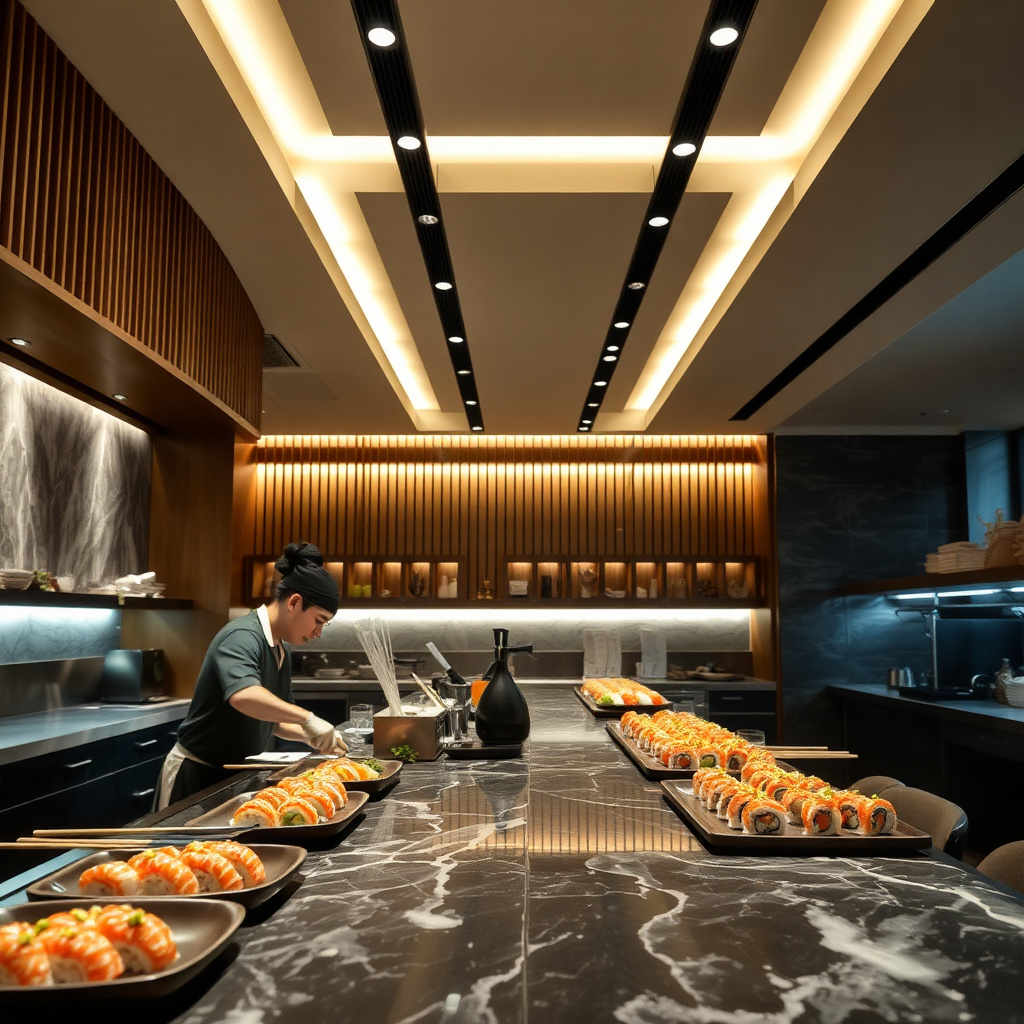
Most sushi restaurants feature cooked sushi rolls such as California rolls or shrimp tempura, making it easy to explore a range of options. Look for places that emphasize fresh ingredients and authentic preparation techniques.
Some restaurants also serve creative fusion rolls using cooked proteins and unique sauces, great for adventurous eaters wanting cooked sushi rolls with a twist.
- Common cooked rolls: California, Shrimp Tempura
- Check for freshly made rolls
- Try Japanese fusion-style restaurants
For more on this, see our related guide: Best Sushi Rolls for Beginners: A Guide to Mild and Delicious Choices.
Buying Cooked Sushi Rolls at Grocery Stores
Many grocery stores sell prepackaged cooked sushi rolls in refrigerated sections. These offer convenience but check expiration dates and ingredient lists to verify freshness and quality.
For a healthier option, some stores provide made-to-order sushi counters where cooked sushi rolls can be customized or freshly made.
- Look for refrigerated prepackaged options
- Check freshness and ingredients
- Consider made-to-order counters
Enhancing Cooked Sushi Rolls with Sauces and Sides

Sauce Pairings
Sauces like eel sauce, spicy mayo, and traditional soy sauce complement cooked sushi rolls by adding sweetness, heat, or saltiness that builds flavor layers. Adjust sauce amounts carefully to balance without overwhelming the roll’s natural textures.
Experimenting with combinations such as mixing spicy mayo with eel sauce can create appealing flavor contrasts enhancing cooked sushi rolls experience.
- Eel sauce for sweetness
- Spicy mayo for heat
- Soy sauce for umami and saltiness
For background on sushi varieties including cooked options, see the comprehensive overview on Sushi. Sushi.
Side Dishes to Accompany Rolls
Pickled ginger cleanses the palate between bites, while wasabi adds a sharp spice contrast. Miso soup or seaweed salad are common sides that pair well, rounding out a satisfying cooked sushi meal.
Balancing warm and cold sides with rolls makes the meal filling and varied, improving overall enjoyment.
- Pickled ginger for palate cleansing
- Wasabi for spicy kick
- Miso soup or seaweed salad as sides
Cooked Sushi Rolls Category Comparison
This comparison highlights various cooked sushi roll categories by key features such as primary ingredients, texture, and suitability for dietary preferences.
| Category | Primary Ingredients | Texture | Best For | Typical Sauces |
|---|---|---|---|---|
| Shrimp Tempura Roll | Fried shrimp, cucumber, rice | Crunchy, soft | Fans of fried foods, mild spice lovers | Spicy mayo, eel sauce |
| California Roll | Imitation crab, avocado, cucumber | Creamy, crunchy | Sushi beginners, seafood avoiders | Soy sauce, sometimes mayo |
| Eel (Unagi) Roll | Grilled eel, cucumber, rice | Tender, moist | Lovers of rich umami flavors | Eel sauce |
| Vegetarian Cooked Roll | Avocado, cucumber, carrot | Creamy, crisp | Vegetarians, allergy-conscious eaters | Soy sauce, spicy mayo optional |
| Crab Stick Roll | Cooked crab sticks, cucumber, rice | Firm, fresh | Seafood lovers wanting cooked options | Spicy mayo, soy sauce |
Frequently Asked Questions
Are cooked sushi rolls healthier than raw sushi?
Cooked sushi rolls reduce the risk of foodborne illnesses linked to raw fish and offer similar nutritional benefits like omega-3s, especially if using shrimp or eel. They also include fresh vegetables, making them a balanced choice.
Can I make cooked sushi rolls at home without experience?
Yes, you can start with simple rolls like California or shrimp tempura with ready-cooked ingredients. Practice rolling skills and sushi rice preparation help improve results over time.
What sauces pair best with cooked sushi rolls?
Eel sauce provides sweetness, spicy mayo adds heat, and soy sauce offers umami and saltiness. Combining these in moderation enhances flavor without overpowering the roll’s core ingredients.
Are there vegetarian cooked sushi rolls?
Absolutely. Vegetarian cooked sushi rolls often combine cooked or steamed vegetables like tempura sweet potato or asparagus with avocado and cucumber, perfect for those avoiding seafood.
Where can I find cooked sushi rolls if I don’t want to make them myself?
Most sushi restaurants offer popular cooked rolls such as California and shrimp tempura rolls. Grocery stores often carry pre-packaged options as well, ideal for convenience.
Key Takeaways
- Cooked sushi rolls use fully cooked seafood and vegetables for safe, flavorful options.
- Popular cooked rolls include shrimp tempura, California, and eel rolls.
- Preparation focuses on seasoned sushi rice and careful rolling.
- Sauces like eel sauce and spicy mayo enhance cooked sushi flavor.
Conclusion
Selecting cooked sushi rolls involves balancing textures and flavors from cooked proteins, fresh vegetables, and seasonings. Understanding the characteristics of each roll type helps matching personal taste preferences while avoiding raw ingredients. This approach simplifies choices at restaurants or while making sushi at home, encouraging a satisfying experience for all eaters.
If you prefer crunchy textures with a bit of spice, shrimp tempura rolls provide a delicious option. For a milder, creamy flavor, the classic California roll with imitation crab and avocado remains a reliable choice. Those drawn to rich umami should try unagi rolls with sweet eel sauce. Vegetarians can enjoy cooked rolls that highlight fresh vegetables, offering both nutrition and taste without seafood.
To explore cooked sushi rolls further, try visiting local sushi spots known for fresh preparation or experiment with homemade versions using basic ingredients and a bamboo rolling mat. Building skills gradually and tasting different combinations is the best way to find your favorites in the cooked sushi rolls list.





One Comment