What is Bok Choy? A Complete Guide to This Popular Asian Vegetable
Bok choy is a type of leafy green vegetable belonging to the cabbage family, commonly used in Asian cooking. Recognizable by its crisp white stalks and dark green leaves, it adds a fresh, mild flavor to soups, stir-fries, and salads. The main keyword 'bok choy' features early to provide a direct answer to what it is.
This vegetable is rich in vitamins A, C, and K, as well as minerals like calcium and potassium, making it a nutritious choice for boosting health. Beyond nutrition, its versatility in the kitchen makes bok choy essential for many traditional dishes, from simple stir-fries to complex broths.
In this article, you'll learn about bok choy’s varieties, nutritional benefits, ways to prepare and cook it, storage tips, and common culinary uses. Whether you’re curious about adding it to your meals or want to deepen your understanding, this guide covers all key points.
Understanding Bok Choy Varieties and Characteristics

Types of Bok Choy
Bok choy comes in two main varieties: baby bok choy and regular bok choy. Baby bok choy is smaller with tender leaves and stalks, ideal for quick cooking or raw salads, while regular bok choy has thicker stalks and larger leaves, offering more crunch and depth in cooked dishes.
There’s also Shanghai bok choy, which is similar to the regular type but features paler, thinner stalks. Each variety delivers a slightly different texture and flavor profile, allowing cooks to choose the best fit for their recipe.
- Baby bok choy: smaller, tender, good for stir-fries and salads
- Regular bok choy: larger, crunchy stalks, hearty texture
- Shanghai bok choy: pale stalks, mild flavor
Identifying Fresh Bok Choy
Fresh bok choy should have bright green leaves and crisp white stalks. Avoid any bunches with wilting leaves, brown spots, or slimy textures. The stalks should be firm and free from cracks or bruises to ensure freshness and longer shelf life.
A subtle fresh scent is another indicator of quality. Heavier bunches usually mean higher water content, contributing to crunchiness when cooked or eaten raw.
- Bright green leaves without yellowing
- Firm, white stalks without blemishes
- Fresh, mildly sweet aroma
Nutritional Benefits of Bok Choy

Vitamins and Minerals in Bok Choy
Bok choy supplies significant amounts of vitamin A, vitamin C, and vitamin K, which support immunity, skin health, and blood clotting. It’s also a good source of calcium, potassium, and magnesium—minerals essential for bone strength and cardiovascular function.
Low in calories and high in fiber, this vegetable aids digestion and can be a great addition to weight management diets. Its antioxidants also help reduce inflammation and protect cells from damage.
- Vitamin A for vision and immunity
- Vitamin C as an antioxidant
- Calcium for bones
- Potassium for heart health
Health Impacts of Including Bok Choy
Regular consumption of bok choy is linked to reduced risk of chronic diseases such as heart disease and certain cancers, thanks to its antioxidants and phytonutrients. The vegetable’s fiber content promotes gut health by supporting regular bowel movements and feeding beneficial gut bacteria.
Moreover, bok choy’s diversity of nutrients contributes to better hydration and skin health, making it an excellent green to include daily.
- Supports heart health
- May reduce cancer risks
- Improves digestion
- Promotes healthy skin
How to Prepare and Cook Bok Choy

Cleaning and Preparing Bok Choy
Wash bok choy thoroughly under cold running water, especially between the stalks where dirt can hide. Trim the base and separate the leaves if they are very large. For baby bok choy, you may leave them whole or halved depending on your recipe’s needs.
Peeling away any tough or yellowing outer leaves improves texture and taste. After cleaning, dry the bok choy to avoid excess water diluting your dish during cooking.
- Rinse thoroughly between stalks
- Trim and separate large leaves
- Remove yellow or damaged leaves
- Dry before cooking
For more on this, see our related guide: What Is Wonton Soup? A Complete Guide to This Classic Chinese Dish.
Common Cooking Techniques with Bok Choy
Bok choy lends itself well to quick cooking methods like stir-frying and sautéing, which keep its crunch and vibrant color intact. It can also be steamed or braised, resulting in a softer texture that absorbs sauces well.
Adding bok choy to soups or broths enriches flavor and nutrition without overpowering a dish. It cooks rapidly, generally in just a few minutes, so add it near the end of cooking to maintain freshness and nutrients.
- Stir-fry for crisp texture
- Steam for tenderness
- Add late to soups
- Sauté with garlic or ginger
Storage Tips to Keep Bok Choy Fresh

Best Practices for Storing Raw Bok Choy
To keep bok choy fresh, wrap the unwashed vegetable in a damp paper towel and place it inside a perforated plastic bag in the fridge’s vegetable drawer. This method retains moisture while allowing airflow, which helps prevent wilting and spoilage.
Avoid washing bok choy before storing because excess moisture speeds up decay. Stored this way, bok choy stays crisp for up to a week.
- Wrap in damp paper towel
- Use a perforated plastic bag
- Store in vegetable drawer
- Do not wash until ready to use
Freezing Bok Choy for Longer Storage
Bok choy can be frozen to extend shelf life but must be blanched first to preserve color and texture. Blanch leaves and stalks separately in boiling water for about 30 seconds, cool immediately in ice water, drain, then pack into airtight freezer bags.
Frozen bok choy is best used in cooked dishes such as soups or stews because the texture softens after freezing and thawing.
- Blanch before freezing
- Separate leaves and stalks
- Cool quickly in ice water
- Use in cooked recipes post-thaw
Bok Choy in Culinary Traditions and Recipes
Popular Dishes Featuring Bok Choy
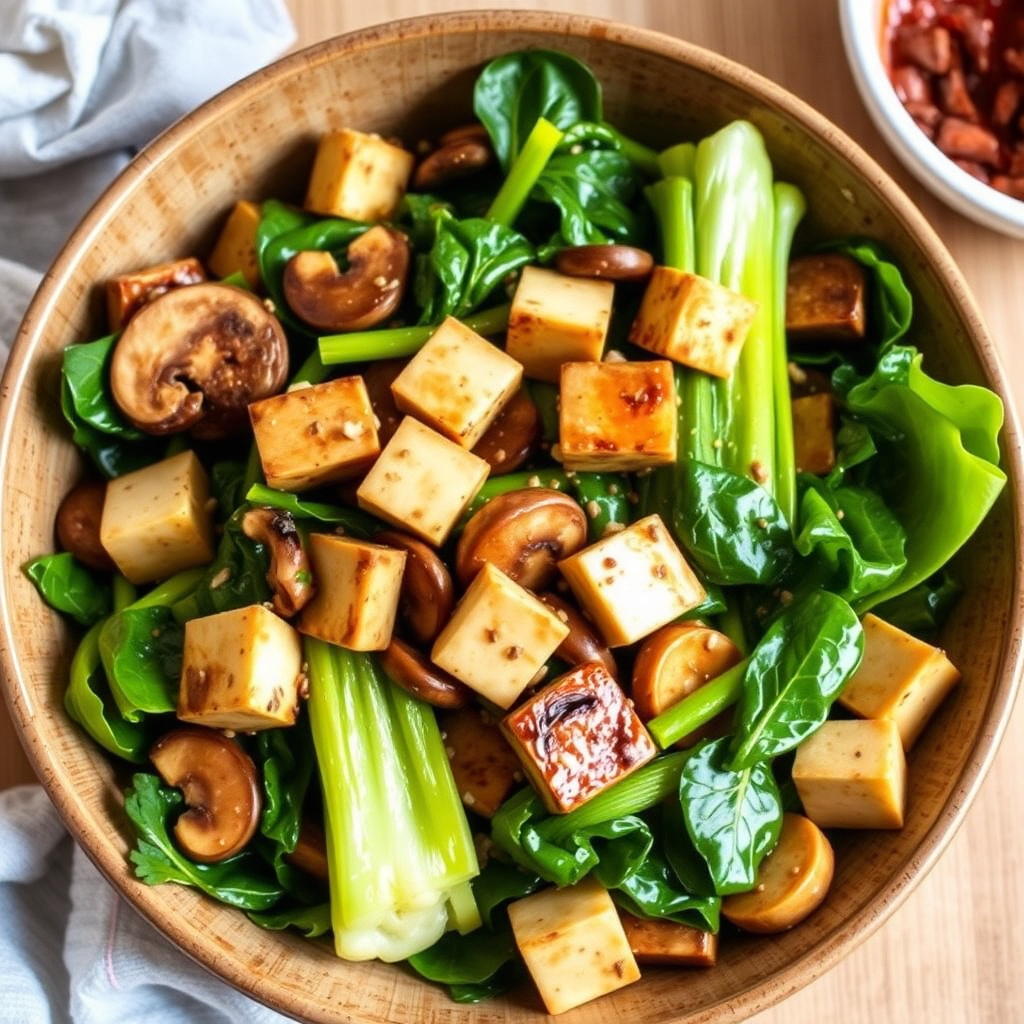
Bok choy appears in a wide range of Asian dishes like Chinese stir-fries, Korean stews, and Vietnamese noodle soups. It pairs well with garlic, ginger, soy sauce, and sesame oil, making it a flavorful, nutritious addition.
Classic recipes include garlic stir-fried bok choy, bok choy in hot pot, and steamed bok choy with oyster sauce. Its mild taste balances rich, spicy, or savory ingredients without overpowering the dish.
- Garlic stir-fried bok choy
- Bok choy hot pot
- Steamed with oyster sauce
- Added to noodle soups
For more on this, see our related guide: What is Chow Fun? A Complete Guide to This Classic Chinese Noodle Dish.
Incorporating Bok Choy into Everyday Meals
Beyond traditional recipes, bok choy can be incorporated into salads, smoothies, and even sandwiches for added texture and nutrition. Its tender stalks can be thinly sliced raw or lightly pickled to add crunch.
Experimenting with bok choy in dishes like fried rice, vegetable wraps, or even casseroles can enhance daily menus with its subtle sweetness and pleasing crunch.
- Add raw to salads or wraps
- Include in vegetable smoothies
- Use in fried rice or casseroles
- Lightly pickle for crunch
Bok Choy and the Main Keyword: How to Choose the Right Bok Choy

Selecting Bok Choy Based on Recipe Needs
When shopping for bok choy, consider how you plan to use it. Baby bok choy suits recipes requiring quick cooking or raw applications like salads, while regular bok choy adds substance to hearty stir-fries and braised dishes.
The fresh green color and firmness of stalks indicate quality, especially if the main keyword 'bok choy' features here to reinforce the topic. Also, factor in cooking time, as baby bok choy cooks faster.
- Baby bok choy for salads and fast cooking
- Regular bok choy for braises and stir-fries
- Check for crisp stalks and vibrant leaves
- Match size to recipe timing
For a detailed botanical and culinary overview, visit the Bok choy information on Wikipedia. Bok choy information on Wikipedia.
Using the Secondary Keyword 'bok choy cooking tips'
Following bok choy cooking tips will help you get the best texture and flavor. For instance, stir-frying bok choy over high heat for just a few minutes preserves its crunch and nutrients. Avoid overcooking to prevent wilted leaves and soggy stalks.
When steaming, timing is key—usually no more than 3-5 minutes. Adding aromatics like ginger or garlic enhances flavor without masking the vegetable’s natural freshness.
- Cook quickly to maintain crunch
- Add aromatics for flavor
- Use high heat in stir-fries
- Steam 3-5 minutes max
Bok Choy Varieties Category Comparison
This table compares common bok choy varieties based on size, cooking time, texture, and best uses to guide your selection.
| Variety | Size | Cooking Time | Texture | Best Uses |
|---|---|---|---|---|
| Baby Bok Choy | Small | 2-3 minutes | Tender and crisp | Salads, quick stir-fries |
| Regular Bok Choy | Medium to large | 4-6 minutes | Crunchy stalks, leafy tops | Hearty stir-fries, braising |
| Shanghai Bok Choy | Medium | 3-5 minutes | Delicate stalks, mild flavor | Soups, steaming |
| Chinese White Bok Choy | Large | 5-7 minutes | Thick stalks, sturdy leaves | Stews, slow cooking |
Frequently Asked Questions
Is bok choy the same as Chinese cabbage?
Bok choy is often called Chinese cabbage but it differs from napa cabbage. Bok choy has white stalks with green leaves, while napa cabbage is more tightly packed with crinkly pale green leaves.
How should bok choy be stored to stay fresh?
Store unwashed bok choy in the fridge wrapped with a damp paper towel inside a perforated plastic bag. Keep it in the vegetable drawer to maintain crispness for up to a week.
Can bok choy be eaten raw?
Yes, baby bok choy is often eaten raw in salads or slaws. Regular bok choy’s thicker stalks can also be thinly sliced raw for texture but are more commonly cooked.
What are the health benefits of bok choy?
Bok choy is rich in vitamins A, C, and K, calcium, and antioxidants that support immune function, bone health, and reduce inflammation.
Does bok choy shrink much when cooked?
Bok choy reduces slightly in volume when cooked, especially the leaves. However, the stalks remain relatively firm and retain some crunch if not overcooked.
Key Takeaways
- Bok choy is a nutrient-rich leafy vegetable common in Asian cuisine.
- Different varieties offer varied textures for diverse recipes.
- Quick cooking methods preserve its crispness and nutritional value.
- Proper storage extends shelf life and maintains freshness.
Conclusion
Understanding what bok choy is and its culinary versatility helps you decide how best to include it in your meals. Focus on freshness and variety selection depending on recipe requirements. Incorporate the main keyword naturally as you cook and enjoy this vegetable's benefits without overloading dishes with its flavor.
For dishes needing delicate texture, baby bok choy works wonderfully in salads and quick stir-fries. If you want a heartier crunch, regular or Shanghai bok choy suits longer cooking or braising well. As a nutrient-dense green, bok choy adds vitamins and minerals that make everyday meals healthier.
To start cooking with bok choy, follow simple bok choy cooking tips like washing carefully, cooking quickly, and pairing with aromatics to highlight its natural flavor. Try it in soups, stir-fries, or steamed dishes for a fresh, nutritious boost to your diet.