How to Make and Choose Vegetarian Sushi Rolls for Every Taste
Vegetarian sushi rolls are sushi varieties made entirely without fish or meat, using vegetables, fruits, and sometimes tofu or egg as the main fillings. They provide a fresh and flavorful option for those avoiding animal products without sacrificing the classic sushi experience. From cucumber and avocado rolls to those including pickled veggies and mushrooms, vegetarian sushi rolls come in many tasty forms.
These plant-based rolls matter because they cater to vegetarians, vegans, and anyone seeking healthier, lighter meals that still embrace Japanese culinary tradition. Without relying on raw fish, these options often highlight seasonal produce and use creative combinations of textures and flavors to satisfy sushi lovers and newcomers alike.
In this guide, you will explore various vegetarian sushi roll types, tips for making them at home, key ingredients to use, and how to pick them when ordering out. By the end, you'll have the knowledge to enjoy or create vegetarian sushi rolls that suit your flavor preferences and dietary needs.
Popular Types of Vegetarian Sushi Rolls

Classic Vegetable Rolls
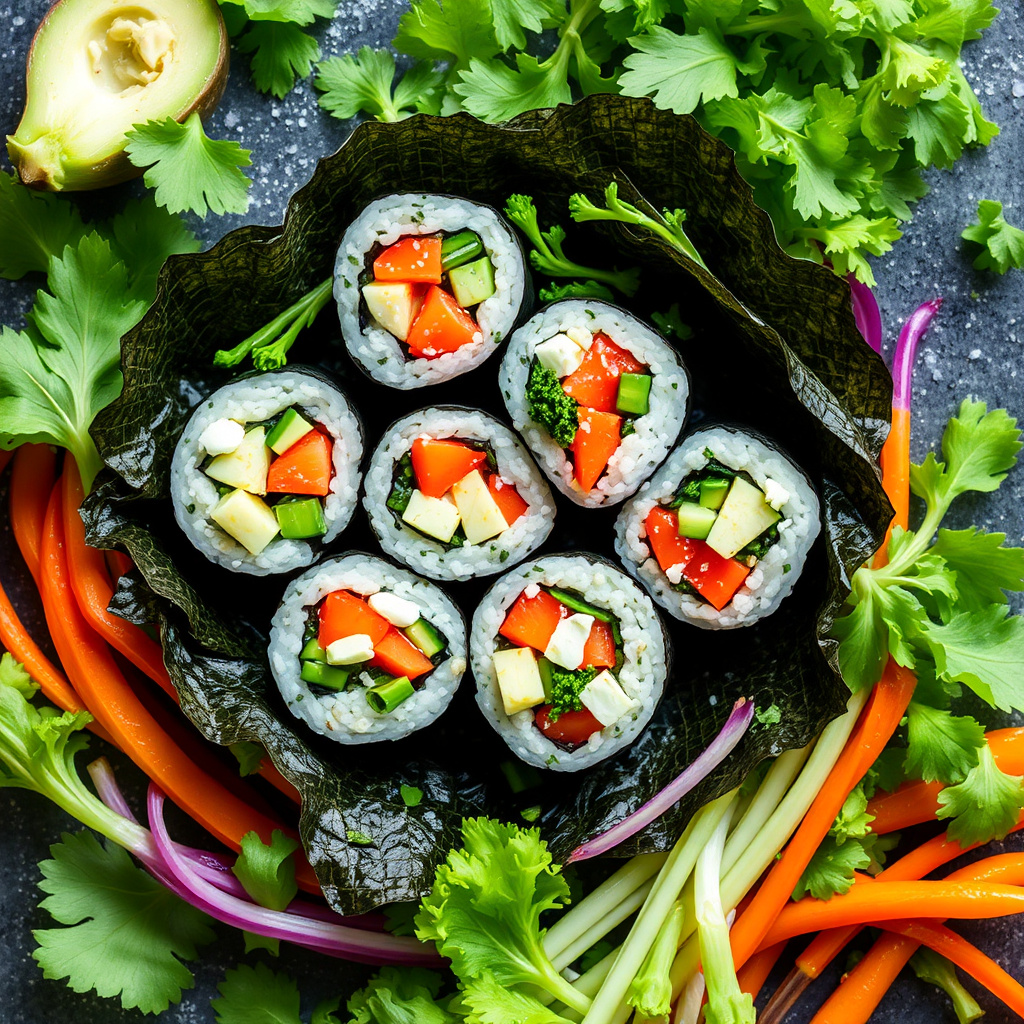
Classic vegetable rolls typically include simple, fresh ingredients like cucumber, avocado, and carrot wrapped in sushi rice and nori. They offer a crunchy and creamy texture profile that resembles traditional sushi but without any seafood.
These rolls are widely available at most sushi restaurants and are perfect for those trying vegetarian sushi for the first time due to their familiar, mild flavors.
- Cucumber roll (Kappa Maki)
- Avocado roll
- Carrot roll
Creative and Specialty Vegetarian Rolls
Beyond the classics, creative vegetarian sushi rolls can include grilled or pickled vegetables, tofu, and even fruits like mango or pineapple. Ingredients like shiitake mushrooms and tempura vegetables add umami and crunch.
These specialty rolls tend to combine multiple textures and flavors, giving a more gourmet and exotic twist to the vegetarian sushi experience.
- Tempura sweet potato roll
- Grilled shiitake mushroom roll
- Mango and avocado roll
Essential Ingredients for Vegetarian Sushi Rolls

Vegetables and Fruits
Fresh vegetables like cucumber, avocado, radish, and carrots form the core of vegetarian sushi rolls. Seasonal vegetables such as asparagus or bell peppers can add variety. Fruits like mango and pineapple also introduce a sweet contrast.
Choosing high-quality, crisp produce enhances the sushi’s texture and flavor integrity, important since there is no fish to mask or complement the ingredients.
- Cucumber
- Avocado
- Carrot
- Pickled radish
- Mango
Additional Fillings and Seasonings
To complement vegetables, tofu (firm or fried), tamago (Japanese egg omelet), and seasoned mushrooms provide protein and rich umami notes. Seasonings like sesame seeds and soy sauce are essential for authentic flavor.
Wasabi and pickled ginger offer traditional sushi accompaniments that enhance the meal’s balance and cleanse the palate between bites.
- Firm tofu
- Tamago
- Shiitake mushrooms
- Sesame seeds
- Soy sauce
Techniques for Making Vegetarian Sushi Rolls at Home

Preparing Sushi Rice Properly
Sushi rice preparation is critical; it must be sticky yet fluffy. Use short-grain rice, rinse thoroughly before cooking, and season it with a mixture of rice vinegar, sugar, and salt.
Allow the rice to cool to room temperature before rolling to get the best texture and avoid tearing the nori sheets.
- Use short-grain sushi rice
- Season with rice vinegar mixture
- Cool rice before use
For more on this, see our related guide: Ultimate Cooked Sushi Rolls List: Delicious Options Beyond Raw Fish.
Rolling and Cutting the Sushi
Place a nori sheet on a bamboo rolling mat, spread rice evenly, add fillings in a line near one edge, then use the mat to roll tightly. Applying gentle, even pressure is key to avoiding loose rolls.
Use a sharp, wet knife to slice the roll into equal pieces to keep the shape intact and prevent sticking.
- Use bamboo mat for rolling
- Apply even pressure
- Use wet sharp knife for slicing
Choosing Vegetarian Sushi Rolls When Dining Out

Identifying Vegetarian Options on Menus
Not all sushi menus clearly label vegetarian rolls, so look out for those marked vegan or vegetarian. Inquire about ingredients like dashi (fish broth) in rice preparation or hidden seafood in sauces.
Many sushi restaurants offer standard vegetarian sushi rolls, but asking about house specialties can reveal unique options.
- Look for vegetarian/vegan labels
- Ask about fish-based ingredients
- Request customized vegetable rolls
Pairing Vegetarian Rolls with Sides and Drinks
Complement vegetarian sushi with sides such as seaweed salad, edamame, or miso soup to complete the meal. Light, crisp beverages like green tea or sake enhance the fresh flavors without overwhelming them.
Avoid heavy or overpowering sides that mask the delicate tastes of the fresh vegetables and rice.
- Seaweed salad
- Edamame
- Miso soup
- Green tea
- Sake
Health Benefits of Vegetarian Sushi Rolls
Low Calorie and Nutrient-Dense
Vegetarian sushi rolls are generally lower in calories and saturated fats than their fish-based counterparts, making them a great option for light meals or weight-conscious diets.
They also provide fiber, vitamins, and antioxidants from the fresh vegetables and seaweed, contributing to overall health and digestion.
- Low in saturated fat
- Rich in vitamins
- Good fiber source
For more on this, see our related guide: Best Sushi for People Who Don’t Like Raw Fish: A Flavorful Guide.
Suitable for Various Dietary Restrictions
Vegetarian rolls cater well to vegetarians and vegans if made without eggs or dairy. They can also be gluten-free if soy sauce alternatives are chosen, offering options for people with multiple dietary needs.
This flexibility makes vegetarian sushi a smart choice for shared meals among guests with diverse preferences or allergies.
- Vegetarian and vegan friendly
- Can be gluten-free
- Free from seafood allergens
Storing and Reheating Vegetarian Sushi Rolls

Best Practices for Storage
Vegetarian sushi rolls are best eaten fresh but can be stored in a refrigerator for up to 24 hours. Use airtight containers to prevent the rice from drying out and to keep the vegetables crisp.
Avoid freezing sushi rolls as it alters the texture of the rice and vegetables, leading to a less enjoyable experience upon thawing.
- Refrigerate in airtight containers
- Consume within 24 hours
- Do not freeze sushi rolls
For a broader understanding, the vegetarian sushi information on Wikipedia offers useful historical and cultural context. vegetarian sushi information on Wikipedia.
Safe Reheating Tips
If needed, reheat vegetarian sushi rolls briefly at room temperature or in a microwave for a few seconds to take the chill off, but avoid prolonged heating which can make rice tough and vegetables soggy.
Consider separating thick vegetable fillings to reheat slightly or enjoy rolls cold for best texture and taste.
- Reheat briefly if necessary
- Avoid overheating
- Enjoy cold if possible
Vegetarian Sushi Rolls Category Comparison
Here is a comparison of common vegetarian sushi roll categories based on ingredients, texture, and flavor complexity to help you choose your favorite.
| Category | Main Ingredients | Texture | Flavor Profile | Ideal For |
|---|---|---|---|---|
| Classic Vegetable Rolls | Cucumber, avocado, carrot | Crunchy, creamy | Mild and fresh | Beginners and light eaters |
| Tempura Vegetable Rolls | Tempura sweet potato, avocado | Crunchy exterior, soft inside | Savory with slight sweetness | Fans of richer textures |
| Fruit-Based Rolls | Mango, avocado, cucumber | Soft and juicy | Sweet and refreshing | Those preferring sweeter sushi |
| Mushroom and Tofu Rolls | Grilled shiitake, firm tofu | Chewy and firm | Umami-rich and savory | Lovers of hearty flavors |
| Pickled Vegetable Rolls | Pickled radish, carrot, cucumber | Crunchy and tangy | Sour-savory with zest | People liking bold tastes |
Frequently Asked Questions
Are vegetarian sushi rolls always vegan?
Not always. Some vegetarian sushi rolls include eggs (tamago) or mayonnaise-based sauces, which are not vegan. Check ingredients or ask the chef to confirm vegan suitability.
Can I make vegetarian sushi rolls without a bamboo mat?
Yes, you can roll sushi by using plastic wrap and your hands to shape the roll tightly. A bamboo mat makes rolling easier but is not mandatory.
What are good protein sources in vegetarian sushi rolls?
Firm tofu, tamago (egg), and certain mushrooms like shiitake add protein and umami flavors, balancing the dish nutritionally and taste-wise.
How long do vegetarian sushi rolls stay fresh?
They stay best within 24 hours when refrigerated properly in airtight containers, as the rice and vegetables tend to lose texture and freshness beyond that.
Is sushi rice gluten-free for vegetarians with allergies?
Sushi rice itself is gluten-free, but watch for soy sauce or other additives containing gluten. Use gluten-free tamari if you need to avoid gluten completely.
Key Takeaways
- Vegetarian sushi rolls offer diverse fresh and flavorful options without fish.
- Choosing quality vegetables and additional fillings like tofu enhances taste and nutrition.
- Making sushi rice correctly and rolling firmly are essential for homemade rolls.
- Vegetarian sushi is adaptable to many dietary needs and suits varied taste preferences.
Conclusion
Selecting or preparing vegetarian sushi rolls involves balancing freshness, texture, and flavor while respecting dietary choices and culinary traditions. Knowing the types of rolls and their ingredients helps in making decisions that satisfy personal taste and nutritional goals. Whether enjoying simple cucumber rolls or more elaborate tempura vegetable variants, the key lies in ingredient quality and technique.
For those new to vegetarian sushi, classic vegetable rolls like cucumber or avocado provide an accessible and light introduction. Adventurous eaters might explore fruit-filled or mushroom and tofu rolls for bolder flavors. When dining out, inquire about hidden non-vegetarian elements to ensure the roll fits your dietary preference. At home, mastering sushi rice and rolling technique will greatly enhance the outcome.
Ultimately, the best way to enjoy vegetarian sushi rolls is to experiment with different fillings and preparations until you find your favorites. Start by trying simple recipes or restaurant options, then gradually integrate more complex ingredients and rolls. This approach ensures a satisfying and enjoyable experience with vegetarian sushi whether for a quick snack or a full meal.