How to Make Egg Rolls: A Step-by-Step Homemade Recipe Guide
Making egg rolls from scratch involves preparing a flavorful filling, wrapping it neatly in thin dough, and frying until golden and crispy. The process includes selecting the right ingredients for the filling, properly assembling the rolls, and frying them at the right temperature for a crunchy texture.
Egg rolls are a popular appetizer known for their crispy exterior and savory interior. Knowing how to make egg rolls allows you to customize fillings, control ingredients, and enjoy fresh, homemade versions without preservatives or additives found in store-bought ones.
This guide will walk you through each step of making egg rolls, covering how to prepare the filling, choose or make wrappers, wrap the rolls efficiently, and fry them to perfection. Additionally, it will include tips for variations and serving suggestions to make your homemade egg rolls stand out.
Choosing the Right Ingredients for Your Egg Roll Filling

Selecting Vegetables and Proteins
Common vegetables for egg roll filling include shredded cabbage, carrots, and bean sprouts, which add crunch and sweetness. Proteins such as ground pork, shrimp, or tofu provide heartiness and depth of flavor. Freshness of ingredients directly impacts the taste and texture.
Balancing the ratio of vegetables to protein is key; too much filling can cause the wrapper to tear, while too little may lead to dry egg rolls. Preparing the vegetables by finely shredding or julienning helps them cook evenly inside the roll.
- Shredded green cabbage
- Julienned carrots
- Bean sprouts
- Ground pork or shrimp
- Firm tofu for a vegetarian option
Seasoning and Mixing the Filling
Seasonings like soy sauce, garlic, ginger, and sesame oil create a savory, balanced flavor. Cooking the protein first before combining with vegetables ensures proper doneness and texture. Mixing all ingredients thoroughly helps flavors meld and the filling cook uniformly.
Some recipes call for cornstarch or flour to bind the mixture and reduce leakage during frying. Avoid overseasoning to keep the filling light and complement the wrapper’s crispness.
- Soy sauce
- Minced garlic and ginger
- Sesame oil
- Optional binding agents (cornstarch)
- Black pepper or white pepper
Understanding and Preparing Egg Roll Wrappers

Store-Bought vs. Homemade Wrappers
Egg roll wrappers can be purchased pre-made, which saves time and guarantees uniformity. These are typically thicker and chewier compared to spring roll wrappers. Homemade wrappers involve simple dough made from flour and water, providing a personalized thickness and texture.
While homemade wrappers require practice to roll thinly without tearing, they add authenticity and freshness. Store-bought wrappers are convenient and reliable but double check packaging as thickness and size may vary.
- Commercially available egg roll wrappers
- Basic flour and water dough for homemade wrappers
- Thickness differences between egg roll and spring roll wrappers
- Wrapper size considerations
For more on this, see our related guide: How to Make Egg Drop Soup: A Simple and Delicious Recipe.
Tips for Handling and Sealing Wrappers
Keep wrappers covered with a damp cloth to prevent drying out, which makes them brittle and prone to cracking. When wrapping, brush the edges with water or beaten egg to seal properly. Avoid overfilling the wrapper to reduce bursting during frying.
Folding techniques typically involve a triangular fold to secure the filling tightly, minimizing air pockets. Practicing a consistent folding method improves the appearance and cooking outcome of egg rolls.
- Use a damp cloth to cover wrappers
- Brush edges with water or egg wash
- Avoid overfilling
- Practice consistent triangular folding
Wrapping and Rolling Egg Rolls Efficiently

Step-by-Step Wrapping Technique
Place the wrapper flat with one corner pointed toward you, add the filling just below the center. Fold the bottom corner over the filling snugly, then fold in the sides to encase the filling. Roll tightly toward the top corner and seal with water or egg wash.
Avoid leaving air pockets as they can expand and cause splattering during frying. Leaving the top corner dry helps keep the seal intact and prevents the wrapper from unrolling.
- Place filling near bottom corner
- Fold bottom corner over filling
- Fold in left and right sides
- Roll upward tightly
- Seal top corner with moisture
Common Wrapping Mistakes to Avoid
Overstuffing the wrapper leads to breaks or openings during frying. Wrapping too loosely allows the filling to shift and fall out. Using dry wrappers or letting them dry out makes them brittle and harder to seal properly.
Keeping the workspace organized and wrapping quickly but carefully keeps the wrappers pliable and results consistent. If wrappers tear, use smaller amounts of filling or try another wrapper.
- Do not overfill
- Avoid loose wrapping
- Keep wrappers moist
- Wrap promptly to prevent drying
Mastering the Frying Process for Crispy Egg Rolls
Choosing the Right Oil and Temperature
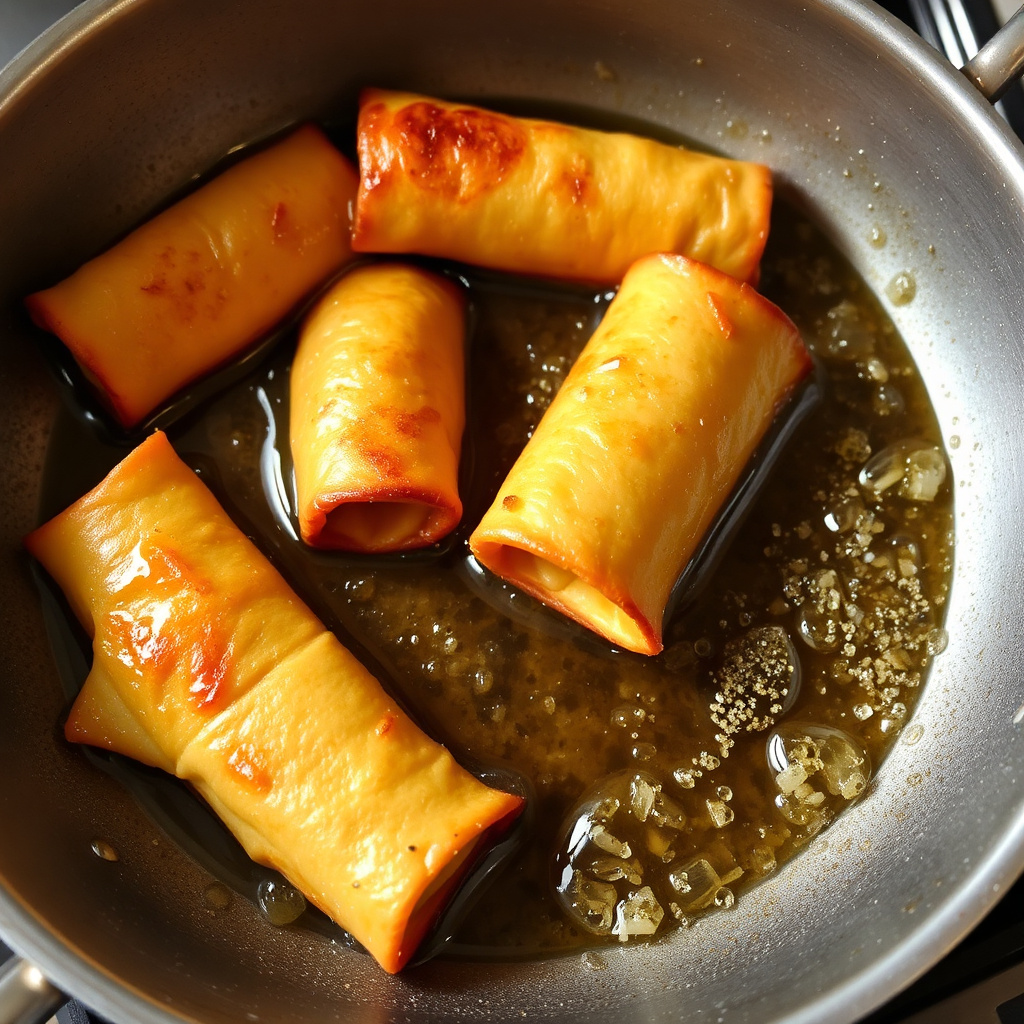
Use oils with high smoke points like peanut, canola, or vegetable oil for frying. Maintain an oil temperature between 350°F and 375°F (175°C and 190°C) to ensure quick cooking without burning. A kitchen thermometer is helpful to monitor temperature.
Too low a temperature causes greasy, soggy rolls, while too high can burn wrappers before filling cooks. Fry in small batches to avoid oil temperature drops and overcrowding.
- Peanut, canola, or vegetable oil
- Maintain 350°F–375°F temperature
- Use a deep-fry thermometer
- Fry in small batches
For more on this, see our related guide: How to Make Orange Chicken: A Simple Homemade Recipe.
Frying Time and Draining Techniques
Fry egg rolls for about 3 to 5 minutes until they turn golden brown. Turn them occasionally for even color. Once cooked, remove and drain on paper towels or a wire rack to prevent sogginess.
Avoid stacking freshly fried egg rolls directly together, as steam buildup will soften the wrappers. Proper draining keeps the exterior crisp for serving.
- Fry 3–5 minutes until golden brown
- Turn for even frying
- Drain on paper towels or wire rack
- Do not stack immediately after frying
Exploring Variations and Serving Suggestions for Egg Rolls

Filling Variations to Try
Besides classic pork and vegetable fillings, alternatives include chicken, beef, or seafood such as shrimp. Vegetarian options with mushrooms, glass noodles, or tofu are popular. Spice up fillings with chili flakes or add fresh herbs for unique flavors.
Experimenting with different regional spices or adding cheeses can create fusion-style egg rolls that appeal to diverse tastes and occasions.
- Chicken, beef, or shrimp fillings
- Vegetarian: mushrooms, tofu, glass noodles
- Adding spices like chili flakes or curry powder
- Incorporating fresh herbs or cheese
For more detailed history and variations, visit the Egg roll Wikipedia entry. Egg roll Wikipedia entry.
Dips and Accompaniments
Egg rolls pair well with sweet and sour sauce, soy sauce-based dips, or spicy chili sauces. Peanut sauce and hoisin sauce are also common accompaniments. Serving with fresh lime wedges or pickled vegetables adds brightness.
Offering a variety of dipping options enriches the experience and lets guests customize their flavor. Warm sauces enhance the egg roll's texture by contrast.
- Sweet and sour sauce
- Soy sauce or tamari
- Spicy chili sauce
- Peanut or hoisin sauce
- Fresh lime wedges and pickled veggies
Egg Roll Wrapper Types Comparison
This table compares popular egg roll wrapper options highlighting their texture, ease of use, and ideal uses.
| Wrapper Type | Texture | Ease of Use | Best For |
|---|---|---|---|
| Store-bought Egg Roll Wrappers | Thick and chewy | Very easy | Traditional egg rolls |
| Spring Roll Wrappers | Thin and crispy | Moderate | Light, delicate rolls |
| Homemade Flour Wrappers | Customizable thickness | Requires practice | Authentic homemade egg rolls |
| Rice Paper Wrappers | Soft and translucent | Flexible but delicate | Fresh rolls and frying with care |
Frequently Asked Questions
Can I bake egg rolls instead of frying?
Yes, egg rolls can be baked for a healthier alternative. Brush them with oil and bake at 400°F for about 15-20 minutes, turning halfway until crispy and golden.
How do I prevent egg rolls from bursting while frying?
Avoid overfilling, seal edges properly with water or egg wash, and maintain consistent oil temperature to prevent bursting or leaking during frying.
What can I use if I don't have an egg roll wrapper?
Spring roll wrappers or homemade flour wrappers can substitute egg roll wrappers, though texture and thickness vary. Rice paper can be used but requires different handling.
Can I prepare egg rolls in advance and freeze them?
Yes, you can wrap egg rolls and freeze them uncooked. Place them on a baking sheet until firm, then store in an airtight container. Fry or bake directly from frozen.
What dipping sauce goes best with egg rolls?
Classic options include sweet and sour sauce, soy-based dipping sauces, spicy chili sauce, and peanut or hoisin sauces. Choose based on your preferred flavor profile.
Key Takeaways
- Proper ingredient balance is essential for flavorful, well-textured egg roll filling
- Handling wrappers correctly prevents drying and ensures secure sealing
- Fry egg rolls at the right oil temperature for crispy, golden results
- Experimenting with fillings and sauces customizes your egg roll experience
Conclusion
Making egg rolls at home involves a blend of selecting fresh, well-balanced ingredients and using the right techniques for wrapping and frying. Emphasizing a mix of shredded vegetables and protein creates a filling that cooks evenly while maintaining appealing texture. Knowing how to work with wrappers, whether store-bought or homemade, ensures the rolls maintain their structure during cooking. Maintaining oil temperature in the range of 350°F to 375°F is key to achieving that ideal crispy, golden outer layer without absorbing excess oil. Paying attention to these factors simplifies the process and yields consistently delicious results.
For those seeking an efficient approach, using store-bought egg roll wrappers paired with a classic pork and vegetable filling offers a reliable and traditional method. If you prefer lighter, crispier egg rolls with a thinner wrap, spring roll wrappers can be used, though careful handling is necessary. Vegetarians may explore tofu or mushroom fillings, while adventurous cooks can try seafood or fusion-inspired additions like spices and cheese. Baking is a suitable alternative for healthier preparation and works well with thinner wrappers. This variety makes egg rolls adaptable for different tastes and dietary needs.
Starting with assembling your ingredients and preparing the filling is an excellent practical step. Follow up by mastering the wrapping technique with some practice to gain confidence. When ready, frying small batches at correct temperatures will give you the best texture. Don’t hesitate to try different sauces and fillings, and consider freezing extras for convenience. Homemade egg rolls offer satisfying flavors and crispness that elevate your cooking and entertaining. With patience and attention to detail, your egg rolls can become a favorite homemade treat.