How Many Calories Are in Chow Mein? A Detailed Calorie Guide
A typical serving of chow mein usually contains between 200 and 400 calories, but the exact amount depends heavily on the recipe and portion size. Chow mein is a dish made from stir-fried noodles, vegetables, and often some type of protein like chicken, pork, or shrimp.
Understanding the calorie content is important because chow mein can vary widely in terms of ingredients and cooking methods. For example, chow mein prepared with more oil or extra sauce can increase the calorie count, while vegetable-heavy versions tend to have fewer calories. Knowing what goes into your chow mein helps you manage your daily caloric intake more effectively.
This article explores the factors that influence the calorie count of chow mein, compares different protein versions, and provides tips for selecting or making chow mein that fits your dietary goals.
Ingredients Impacting Calories in Chow Mein

Noodles and Their Caloric Content
The primary calorie contributor in chow mein is the noodles, typically made from wheat flour. A typical cup of cooked chow mein noodles contains around 190 calories. The noodle type and portion size significantly affect the calorie total as some recipes use thicker noodles or serve larger portions.
In addition, fried noodles absorb more oil during cooking, increasing their calorie density compared to steamed or boiled noodles. Choosing baked or stir-fried with minimal oil reduces overall calories.
- Wheat-based chow mein noodles: ~190 calories per cup cooked
- Fried noodles increase calorie content
- Steamed noodles have fewer calories
Vegetables and Their Role in Calorie Count
Vegetables like cabbage, bean sprouts, carrots, and bell peppers are common in chow mein and generally add minimal calories while enhancing nutrition and volume. Most vegetables used contain between 20-50 calories per cup cooked, making them a low-calorie way to bulk up the dish.
The way vegetables are cooked matters—stir-frying in oil adds calories, whereas steaming or boiling them prior to adding reduces some fat content. Vegetables also add fiber which helps with satiety without boosting calories significantly.
- Cabbage: ~25 calories per cup cooked
- Bean sprouts: ~31 calories per cup cooked
- Carrots: ~50 calories per cup cooked
Protein Choices and Their Calorie Impact

Chicken and Pork Variations
Chicken breast is a lean protein often used in chow mein, typically adding about 150 calories per 3-ounce portion. Pork tends to have more fat, increasing its calorie contribution to around 210 calories per similar portion size.
The cooking method affects calories: grilling or stir-frying with less oil lowers the count, while deep-frying or using fatty cuts elevates it. Choosing lean cuts and moderate oil use keeps chow mein healthier.
- Chicken breast (3 oz): ~150 calories
- Pork (3 oz, fatty cuts): ~210 calories
- Lean cooking methods reduce calories
Seafood and Vegetarian Options
Shrimp is another popular choice, providing about 85 calories per 3-ounce serving, making it a lower-calorie option compared to meat. Vegetarian proteins like tofu add around 70 calories per 3-ounce portion and are a good plant-based alternative.
Substituting shrimp or tofu for meat reduces total calories and can increase fiber and nutrient variety, matching well with vegetables in chow mein dishes.
- Shrimp (3 oz): ~85 calories
- Tofu (3 oz): ~70 calories
- Plant-based proteins can lower calorie intake
Sauces and Oils: Hidden Calories in Chow Mein

Common Sauces and Their Calorie Contributions
Sauces like soy sauce, oyster sauce, and hoisin sauce add flavor but can contribute between 10 to 50 calories per serving. Some sauces contain sugar or oil which increase calorie content more than their savory taste suggests.
Portion control is vital because large amounts of sugary or oily sauces can add hundreds of calories. Opting for lighter sauces or using reduced-sodium versions helps keep chow mein calories in check.
- Soy sauce: ~10 calories per tablespoon
- Oyster sauce: ~45 calories per tablespoon
- Hoisin sauce: ~35 calories per tablespoon
For more on this, see our related guide: How Many Calories Are in Lo Mein? A Nutritional Breakdown.
Oil Use in Cooking
Stir-frying chow mein usually involves oil for cooking, which is calorie-dense at about 120 calories per tablespoon. The amount and type of oil used directly impact the overall calorie total of the dish.
Using oils with healthy fats like olive or canola oil in moderation can improve nutritional quality, but minimizing oil quantities or using non-stick pans helps reduce excess calories.
- Vegetable oil: ~120 calories per tablespoon
- Non-stick pans reduce oil need
- Moderation in oil use controls calories
Serving Size and Dining Out Considerations
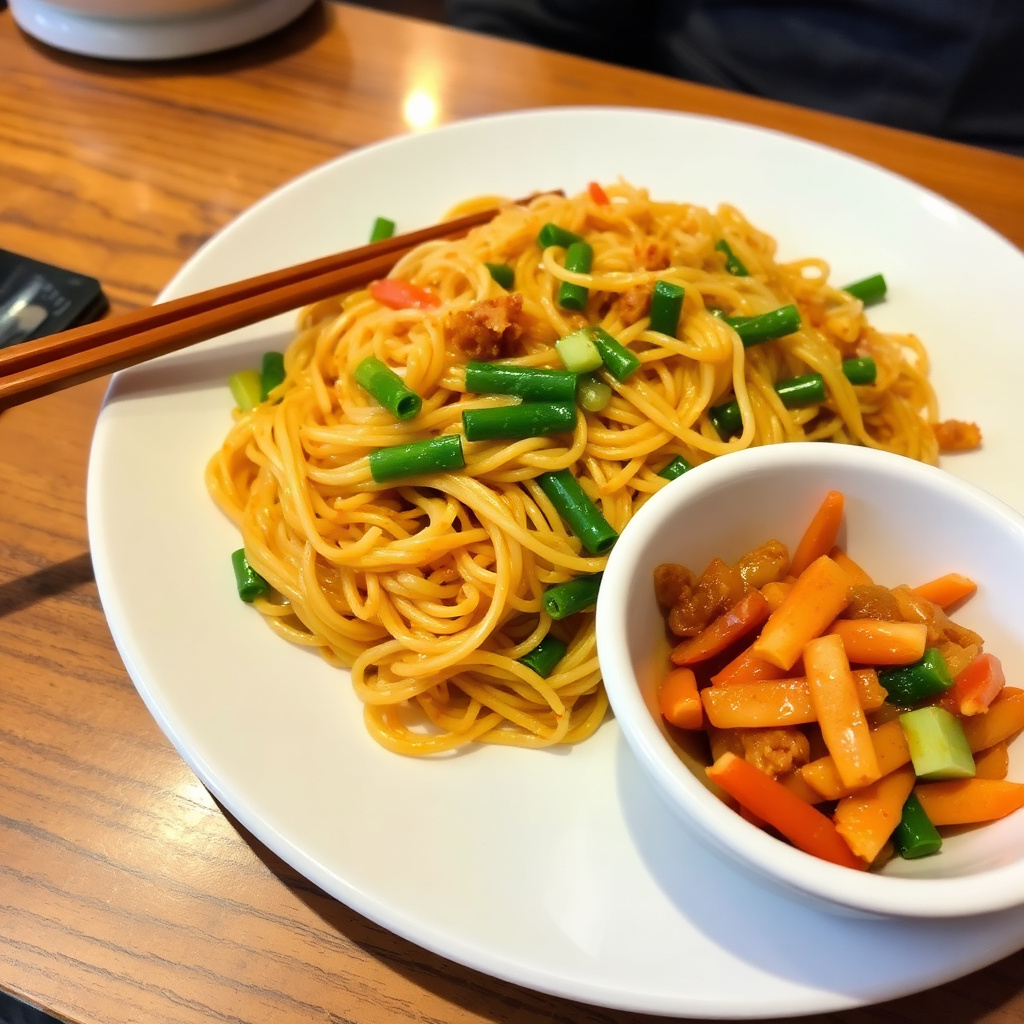
Typical Serving Sizes and Their Effect
Chow mein portion sizes can vary from 1 cup to 3 cups or more when dining out or ordering takeout. Larger servings increase calorie totals proportionally, often unknowingly leading to higher caloric intake if multiple servings are consumed.
Measuring portions or sharing dishes can help control calorie intake when chow mein is served in oversized restaurant portions.
- 1 cup chow mein: 200-400 calories
- Restaurant portions often >2 cups
- Portion control reduces excess calories
How Restaurant Preparation Differs
Restaurant chow mein often contains more oil and sauce, which inflates calorie content compared to homemade versions. Additionally, buffet-style settings or specials might add hidden fats and sugars.
Asking for less sauce or oil, or selecting steamed rather than fried noodles, significantly lowers calorie intake in restaurant chow mein.
- More oil and sauce in restaurants
- Customizing order cuts calories
- Homemade versions offer control
Healthier Alternatives for Lower-Calorie Chow Mein

Using Vegetable Noodles or Whole Grains
Swapping traditional wheat noodles with zucchini noodles or shirataki noodles can greatly reduce calorie content while maintaining volume. Whole grain noodles also add fiber which aids digestion and provides longer satiety.
These alternatives often require different cooking techniques but offer a refreshing twist with fewer calories for chow mein lovers wanting lighter meals.
- Zucchini or spiralized vegetable noodles: very low calories
- Shirataki noodles: ~10 calories per serving
- Whole grain noodles add fiber
For more on this, see our related guide: Is Chow Mein Healthy? A Nutrition Breakdown and Health Guide.
Reducing Oil and Sauce Without Losing Flavor
Using spray oils instead of pouring, increasing aromatics like garlic and ginger, and substituting some soy sauce with low-sodium options maintain flavor with fewer calories.
Incorporating fresh herbs and chili flakes reinforces taste, allowing for reduced oil and sugar in sauces while keeping chow mein satisfying.
- Spray oil reduces fat used
- Fresh aromatics boost flavor
- Low-sodium, low-sugar sauces
Nutrition Summary of Chow Mein Variants
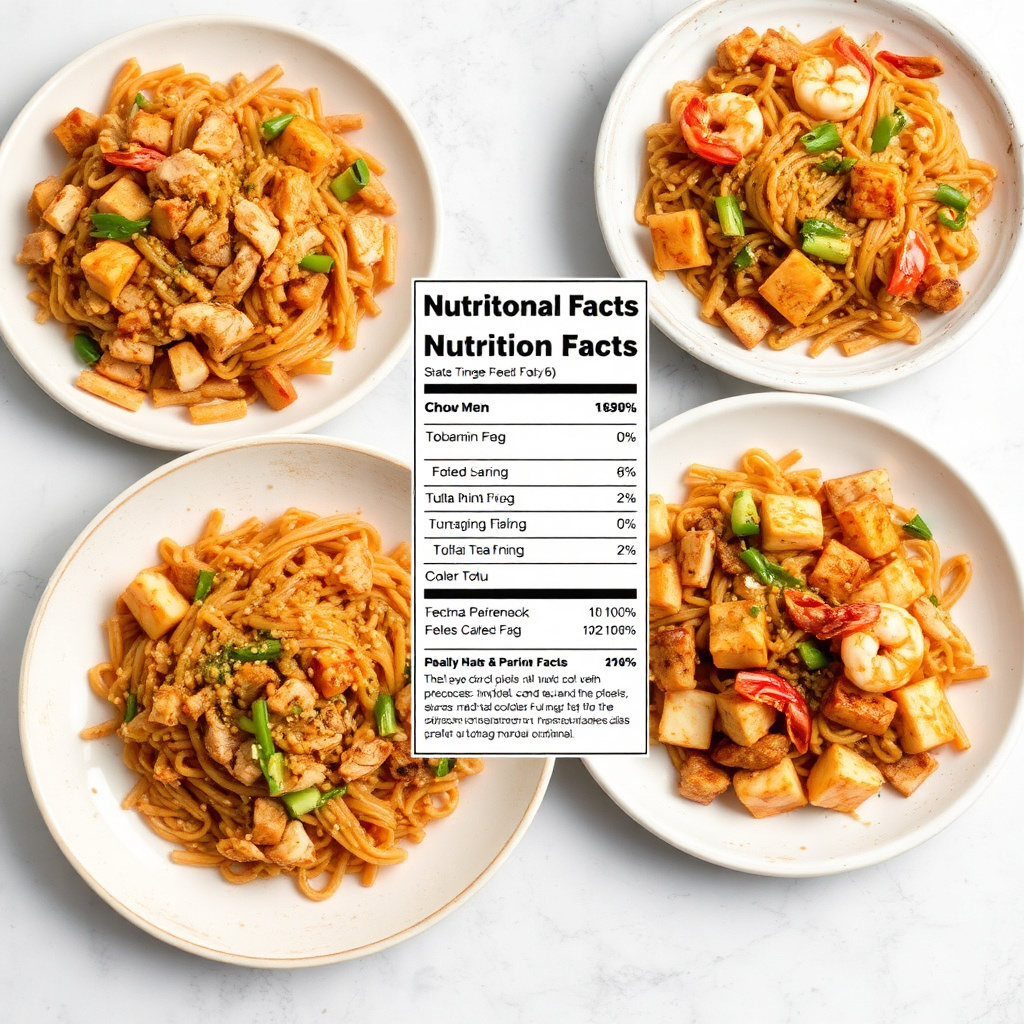
Calorie Range Across Popular Types
Chicken chow mein generally ranges from 300 to 400 calories per serving, while shrimp-based versions often fall between 250 and 350 calories. Vegetarian versions with tofu or extra vegetables can be as low as 200 calories per serving.
Recognition of these ranges aids mindful choices depending on individual calorie goals or dietary preferences.
- Chicken chow mein: 300-400 calories
- Shrimp chow mein: 250-350 calories
- Vegetarian chow mein: 200-300 calories
For additional details and history about chow mein, refer to this comprehensive resource on chow mein nutritional information. Chow Mein nutritional information.
Macronutrient Breakdown
Chow mein provides carbohydrates predominantly from noodles, moderate protein from meat or tofu, and variable fat depending on cooking oil and sauces. Typical macros are roughly 40-50g carbs, 15-25g protein, and 7-15g fat per serving.
Adjusting ingredients can shift this balance to suit dietary needs, such as increasing protein for muscle building or reducing fat for weight management.
Chow Mein Calorie Comparison by Protein Type
A quick look at how different protein options influence the calorie content in chow mein servings.
| Protein Type | Calories per 3 oz Protein | Typical Serving Calories | Common Fat Content |
|---|---|---|---|
| Chicken | 150 | 350-400 | 7-10g |
| Pork | 210 | 400-450 | 12-15g |
| Shrimp | 85 | 250-350 | 4-6g |
| Tofu | 70 | 200-300 | 5-8g |
Frequently Asked Questions
Is chow mein high in calories?
Chow mein can be moderate to high in calories depending on ingredients and portion size. Homemade or vegetable-heavy versions tend to be lower in calories compared to restaurant or meat-heavy preparations.
How can I lower calories in chow mein?
Use less oil, choose lean proteins like chicken or shrimp, add more vegetables, and reduce sugary sauces to lower chow mein calories effectively.
Does the type of noodle affect chow mein calories?
Yes, fried noodles have more calories due to oil absorption. Using steamed noodles or vegetable-based noodles significantly reduces the calorie content.
Is vegetarian chow mein a lower-calorie option?
Typically, yes. Vegetarian chow mein usually contains fewer calories due to the absence of high-fat meats and more vegetables, making it a lighter choice.
Are restaurant chow mein dishes higher in calories than homemade versions?
Restaurant chow mein often contains more oil and sauces which increase calories compared to homemade versions where you can control ingredient amounts.
Key Takeaways
- Calorie content in chow mein varies widely by ingredients and portion size.
- Proteins like shrimp and tofu generally offer lower-calorie options compared to pork or chicken.
- Sauces and cooking oils add significant hidden calories.
- Controlling portions and choosing vegetable-heavy recipes reduce overall calorie intake.
Conclusion
Determining how many calories are in chow mein depends mostly on its ingredients, cooking methods, and serving sizes. The main calorie sources are the noodles, proteins, oils, and sauces. To make smarter choices, assessing these factors helps you balance taste and nutrition without exceeding your energy needs. Understanding standard calorie ranges equips you to decide when chow mein fits into your diet or needs adjustment.
If you want lower-calorie chow mein, opting for shrimp or tofu as protein with a generous portion of vegetables can keep calories on the lower side. Alternatively, choosing lean chicken breast and minimizing oil intake provides a moderate-calorie yet filling meal. When dining out, asking for sauce on the side and controlling portion sizes aids calorie awareness. Homemade chow mein offers maximum flexibility to tailor calories to your goals.
As a practical step, track your typical chow mein servings and ingredients initially, then experiment with the healthier alternatives discussed. Whether you enjoy classic chicken chow mein occasionally or prefer a lighter vegetarian dish regularly, adjusting the recipe and cooking method allows you to enjoy chow mein deliciously within your calorie targets.


