Is Chow Mein Healthy? A Nutrition Breakdown and Health Guide
Chow mein can be a healthy meal option depending on how it's prepared and the ingredients used. At its core, chow mein features stir-fried noodles with vegetables and protein, offering a mix of carbohydrates, fiber, and protein. However, the nutritional value can vary widely based on portion size, sauces, and cooking methods.
Understanding the health aspects of chow mein is important because many restaurant or takeout versions tend to be high in calories, sodium, and unhealthy fats due to added oils and sugary sauces. Choosing or making chow mein with fresh vegetables, lean protein, and moderate sauce can make it part of a balanced diet.
This article will examine the nutritional components of chow mein, explore the health benefits and drawbacks, and provide actionable tips for choosing or preparing chow mein that aligns with healthy eating habits.
Nutritional Components of Chow Mein
Macronutrients in Chow Mein
Chow mein typically contains carbohydrates from noodles, protein from meat or tofu, and fats from cooking oils. A standard serving can deliver between 300-600 calories depending on portion size. The carbohydrate content ranges from 40-70 grams, primarily from wheat or egg noodles, providing energy for the body.
Protein content varies depending on the protein source; chicken, beef, shrimp, or tofu are common. On average, a serving has about 15-25 grams of protein which supports muscle health. The fat content largely depends on the type and amount of oil used in stir-frying.
Vitamins, Minerals, and Fiber
Vegetables added to chow mein, such as cabbage, carrots, and bean sprouts, contribute vitamins A, C, and K, along with minerals like potassium and magnesium. These nutrients promote immune health, bone strength, and proper muscle function.
Dietary fiber from vegetables and whole-grain noodles helps with digestion and satiety. However, many chow mein recipes use refined white noodles, which offer less fiber, reducing some health benefits.
Health Benefits of Eating Chow Mein
Balanced Macronutrient Profile
When prepared with a good mix of vegetables and lean proteins, chow mein can provide a balanced meal with essential macronutrients in reasonable proportions. This balance helps maintain energy levels and supports bodily functions throughout the day.
The presence of fresh vegetables adds nutrients without excessive calories, aiding weight management and overall health when consumed in moderate portions.
Potential Antioxidants and Phytochemicals
Vegetables used in chow mein supply antioxidants and phytochemicals that have been linked to reduced inflammation and lower risks of chronic diseases such as heart disease and certain cancers.
Including diverse vegetables like bell peppers, broccoli, or bok choy increases the variety of beneficial compounds, enhancing the healthfulness of the dish.
Common Health Concerns with Chow Mein
Excess Sodium and Sugars
Restaurant or takeout chow mein can be loaded with high sodium due to soy sauce and other seasonings, contributing to elevated blood pressure if consumed frequently or in large portions.
Some recipes add sugary sauces that increase calorie content without adding nutritional value, which can negatively impact blood sugar control and weight management.
For more on this, see our related guide: Is Lo Mein Healthy? A Detailed Look at Its Nutritional Value.
Calorie Density and Portion Sizes
Large portions and generous use of oils can make chow mein calorie-dense, potentially leading to weight gain if eaten regularly without balancing physical activity.
Refined noodles add calories without significant fiber, which may cause quicker hunger return and overeating in later meals.
Tips for Making Chow Mein Healthier
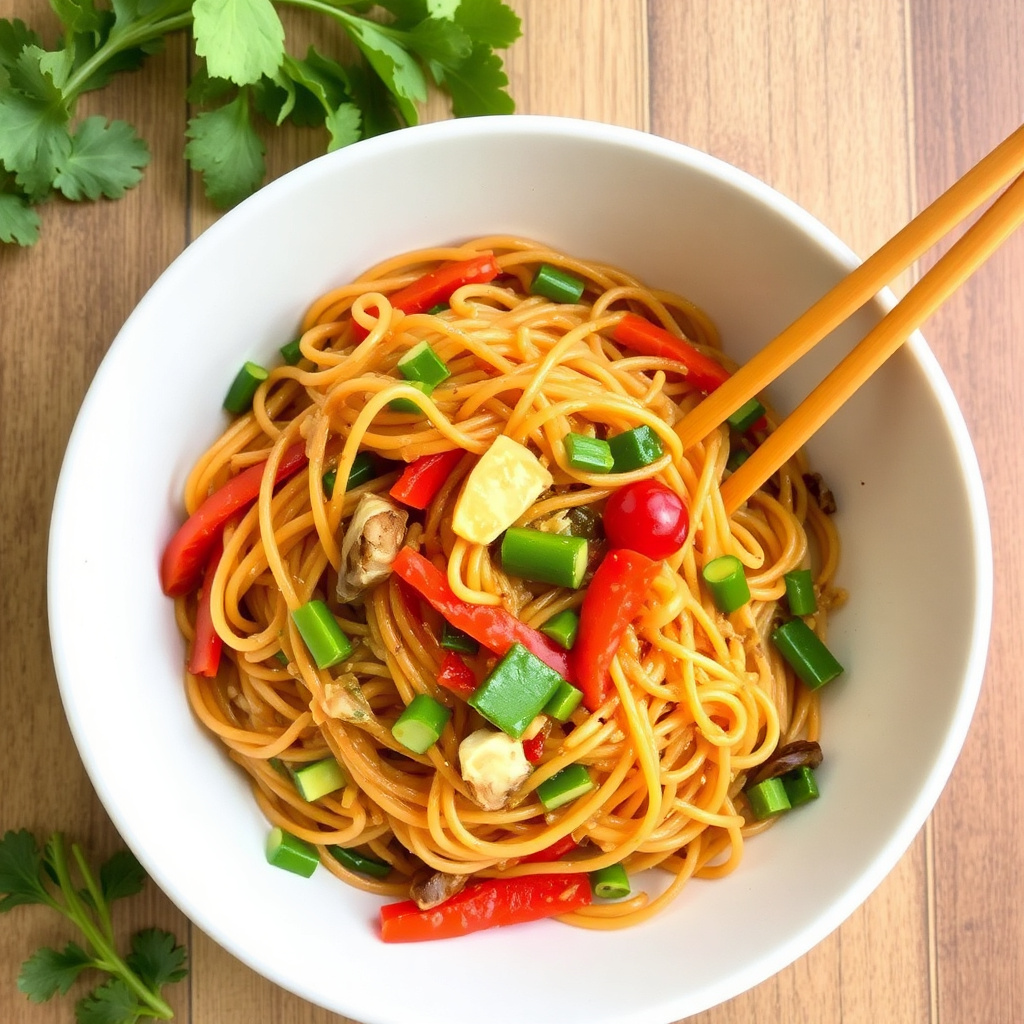
Ingredient Selection
Opt for whole-grain or vegetable-based noodles instead of refined white noodles to increase fiber. Use lean proteins like chicken breast, tofu, or shrimp to reduce saturated fat intake.
Load up on fresh or frozen vegetables such as broccoli, snap peas, and carrots for added nutrients and fiber.
- Choose low-sodium soy sauce or tamari
- Use minimal oil, preferably olive or avocado oil
- Avoid sugary sauces or make your own with natural sweeteners
Cooking Techniques
Stir-fry ingredients quickly over high heat to retain texture and nutrient content while minimizing oil absorption.
Paired with portion control, cooking at home lets you manage salt, sugar, and fat levels more effectively than restaurant versions.
Eating Chow Mein as Part of a Balanced Diet

Pairing with Other Healthy Foods
Complement chow mein with a side of fresh salad or steamed greens to increase fiber and micronutrient intake for the meal.
Drinking water or unsweetened tea helps regulate appetite and manages sodium impact.
For more on this, see our related guide: How to Eat Healthy at a Chinese Restaurant Without Sacrificing Flavor.
Frequency and Portion Control
Enjoy chow mein occasionally rather than daily to avoid excessive sodium and calorie intake. Keeping portion sizes moderate helps maintain energy balance without overconsumption.
Balancing chow mein meals with physical activity supports weight management and overall health.
Healthy Chinese Food Options Compared to Chow Mein

Steamed Dishes
Steamed fish or dumplings offer low-fat, nutrient-rich alternatives with minimal added oils or sauces, reducing calorie and sodium intake compared to chow mein.
These dishes prioritize natural flavors and retain vitamins better due to gentle cooking.
For more detail on the nutritional aspects of traditional Chinese dishes including chow mein, see this Chinese cuisine nutrition overview. Chinese cuisine nutrition overview.
Stir-Fried Vegetables and Rice
Stir-fried vegetable dishes with moderate oil and brown rice provide fiber and antioxidants with controlled calorie levels, fitting well in a healthy Chinese food regimen.
Choosing lighter sauces enhances nutritional value while maintaining taste.
Chow Mein Category Comparison
Compare various chow mein options by calories, protein, sodium, and suitability for a healthy diet.
| Chow Mein Type | Calories (per serving) | Protein (g) | Sodium (mg) | Fiber (g) |
|---|---|---|---|---|
| Vegetable Chow Mein (homemade) | 350 | 15 | 600 | 5 |
| Chicken Chow Mein (restaurant) | 550 | 25 | 1200 | 3 |
| Shrimp Chow Mein (takeout) | 480 | 22 | 1300 | 2 |
| Tofu Chow Mein (homemade, low-sodium sauce) | 320 | 18 | 400 | 6 |
| Beef Chow Mein (restaurant) | 600 | 30 | 1400 | 2 |
Frequently Asked Questions
Is chow mein high in sodium?
Many chow mein dishes, especially from restaurants, contain a high amount of sodium due to soy sauce and other seasonings. Opting for low-sodium soy sauce or homemade versions can reduce sodium content significantly.
Can chow mein be part of a weight loss diet?
Yes, chow mein can fit within a weight loss plan if made with lean proteins, plenty of vegetables, whole-grain noodles, and moderate oil and sauce portions to control calories.
Are the noodles in chow mein healthy?
Traditional chow mein noodles are usually refined wheat noodles, which offer less fiber and nutrients than whole-grain alternatives. Choosing whole-grain or vegetable-based noodles improves nutritional value.
How can I make chow mein healthier at home?
Use fresh vegetables, lean protein sources, whole-grain noodles, minimal oil, and low-sodium sauces. Stir-frying quickly at high heat retains nutrients while limiting calorie-dense oil absorption.
Is chow mein gluten-free?
Most chow mein noodles contain wheat gluten, so traditional chow mein is not gluten-free. However, alternatives made with rice or other gluten-free noodles are available for those with gluten sensitivities.
Key Takeaways
- Chow mein's healthiness depends on ingredients and preparation methods.
- Homemade chow mein with vegetables and lean protein is more nutritious.
- Restaurant chow mein can be high in calories, sodium, and fats.
- Choosing whole-grain noodles and low-sodium sauces improves health benefits.
Conclusion
Determining whether chow mein is healthy comes down to understanding its nutritional makeup and how it fits into your overall diet. It can provide a balanced mix of carbohydrates, protein, and vegetables, contributing valuable nutrients and energy. However, store-bought or restaurant versions often emphasize taste and convenience over nutrition, resulting in excess calories, fats, and sodium. Awareness of ingredient choices and cooking methods is key to making chow mein a beneficial meal rather than a calorie-dense indulgence.
For those seeking nutritious meals that suit various dietary goals, homemade chow mein with whole-grain noodles, abundant vegetables, and lean protein works best. Alternatively, consider options like vegetable-focused stir-fries or steamed dishes when eating out, which tend to be lighter. Pay attention to sauces by using low-sodium soy and avoiding sweetened or thickened versions to lower sugar and salt load. Moderation and portion control complement these choices to maintain a healthy relationship with this flavorful Chinese dish.
To enjoy chow mein healthily, start by experimenting with recipes at home, adjusting ingredients to suit your preferences while boosting nutritional value. If ordering takeout, request lighter sauce options, add extra vegetables, or pair chow mein with simple side salads. With mindful decisions, chow mein can be an enjoyable part of balanced, healthy Chinese food options that nourish your body without compromising flavor.


One Comment