How Many Calories Are in Lo Mein? A Nutritional Breakdown
A typical serving of lo mein contains roughly 350 to 450 calories per cup, depending largely on ingredients and preparation style. This calorie count can vary widely based on the type of noodles, the amount of oil, and the quantity of protein and vegetables added to the dish.
Lo mein is a popular Chinese-American dish consisting mainly of wheat noodles stir-fried with vegetables, meats, and a savory sauce. Understanding the calorie content is important for those who track their daily intake or have specific dietary goals. Some lo mein dishes are richer and more calorie-dense due to heavier sauces or larger portions of fatty meats like pork or beef.
This article will explain what drives the calories in lo mein, compare different lo mein types, and provide insights into healthier versions. You'll also find comparisons of popular lo mein options and answers to frequently asked questions about lo mein calories and nutrition.
Factors Influencing Lo Mein Calorie Content

Role of Noodles and Sauce
Lo mein noodles are primarily made from wheat flour and water, providing carbohydrates that contribute significantly to the calorie total. A standard 1-cup serving of cooked lo mein noodles alone can have around 200 calories.
The sauce, often made from soy sauce, oil, sugar, and sometimes oyster sauce or hoisin sauce, can add between 50 to 150 calories depending on the amount used. Oil is typically the main source of calories within the sauce.
- Wheat noodles: ~200 calories per cup
- Soy sauce: low calorie but high sodium
- Oils in sauce: 40-120 calories depending on quantity
- Added sugars increase calories
Impact of Proteins and Vegetables
Adding proteins such as chicken, beef, shrimp, or tofu can increase lo mein’s calorie count by 100 to 200 calories per serving. Lean proteins tend to add fewer calories compared to fattier cuts.
Vegetables like bell peppers, cabbage, and broccoli add bulk and nutrition with minimal calories, typically less than 50 calories per serving, making them an excellent choice to keep calorie counts moderate.
- Chicken breast: ~130 calories per 3 oz
- Shrimp: ~84 calories per 3 oz
- Tofu: ~70-80 calories per 3 oz
- Most veggies add <50 calories per serving
Types of Lo Mein and Their Calorie Differences

Vegetable Lo Mein
Vegetable lo mein tends to be the lowest in calories as it uses minimal oil and no meat. A typical serving averages around 350 calories, largely coming from noodles and sauce.
This option is often favored by those on a lighter diet or vegetarians who want to enjoy authentic flavors with fewer calories.
Chicken and Beef Lo Mein
Chicken lo mein adds lean protein, increasing calories to roughly 400-450 depending on portion size and preparation. Beef lo mein usually has slightly more calories due to higher fat content, with servings commonly ranging from 450 to 550 calories.
These protein-rich options offer more satiety and nutrients but can contribute to a higher calorie intake.
How Portion Sizes Affect Lo Mein Calories

Standard Serving Size
Most calorie counts for lo mein are based on a 1-cup serving size, which is about 200 to 250 grams. This standard portion can fit easily into a balanced meal plan, especially when paired with other dishes.
Restaurant portions often exceed this size, sometimes doubling or tripling the calories when eaten as a single entree.
- 1 cup cooked = ~350-450 calories
- Restaurant serving = 2-3 cups, 700-1350 calories
For more on this, see our related guide: Is Tofu Good for Weight Loss? Exploring Its Benefits and Impact.
Managing Calories with Portion Control
Controlling portion sizes is one of the simplest ways to manage lo mein calories. Sharing a dish or saving half for later can cut calorie intake dramatically without losing flavor enjoyment.
Adding a side of steamed vegetables or a light broth soup can help increase fullness while keeping total calories in check.
- Split portions to reduce calorie load
- Combine with low-calorie sides
- Avoid free refills of high-calorie components
Healthier Variations of Lo Mein

Using Whole Wheat or Veggie-Based Noodles
Whole wheat noodles offer more fiber and nutrients than traditional lo mein noodles and tend to have slightly fewer net calories due to slower digestion.
Alternatives such as shirataki or zucchini noodles drastically reduce calorie content for lo mein lovers seeking lighter meals.
- Whole wheat noodles: more fiber, ~180 calories per cup
- Zucchini noodles: ~20-30 calories per cup
- Shirataki noodles: nearly zero calories
Reducing Oil and Sugar in Sauce
Modifying the traditional sauce by using minimal oil and cutting out added sugars can reduce the calorie content by over 50 calories per serving.
Low-sodium soy sauce and natural sweeteners like stevia or honey in small amounts can keep flavor balanced and calories lower.
- Use spray oil to reduce total fat
- Substitute sweeteners to reduce sugar calories
- Limit heavy sauces like oyster or hoisin
Calorie Comparison of Popular Lo Mein Add-ins
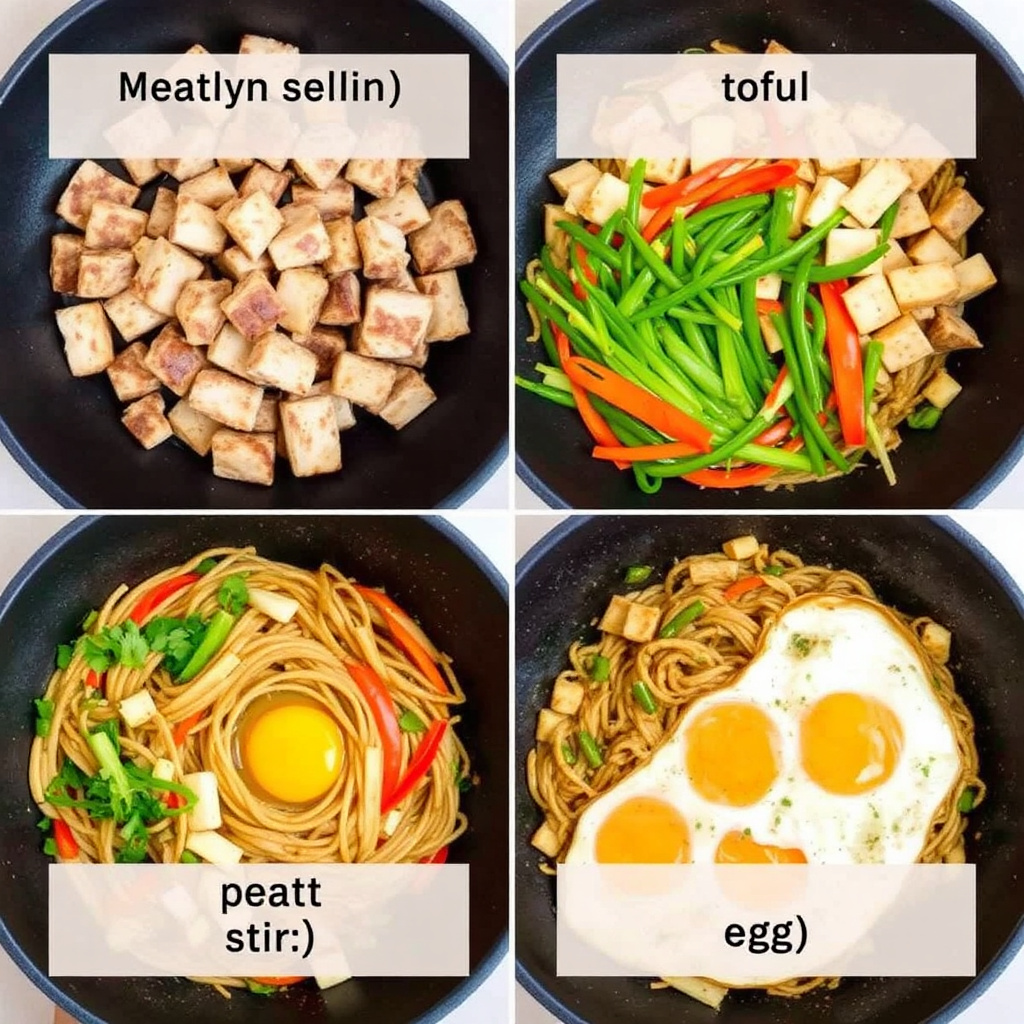
Meat vs. Vegetarian Add-ins
Typical meats increase calories more than vegetarian proteins. For example, pork lo mein generally has 500+ calories per serving because of fattier cuts and oils used.
Tofu and mixed veggies add flavor with fewer calories, making the dish lighter but nutritionally ample.
- Pork lo mein: ~500-600 calories
- Tofu lo mein: ~350-400 calories
- Mixed vegetable lo mein: ~350 calories
For more on this, see our related guide: Is Chow Mein Healthy? A Nutrition Breakdown and Health Guide.
Egg and Seafood Add-ins
Including eggs adds protein and about 70 calories per large egg, which can balance energy input without excessive calories.
Seafood like shrimp adds lean protein with approximately 80-100 calories per serving, making it a lighter but flavorful alternative.
- Egg: ~70 calories each
- Shrimp: ~80-100 calories per 3 oz
- Calamari or squid: ~90 calories per 3 oz
Calorie Counting Tips When Ordering Lo Mein

Asking Questions About Preparation
When dining out, asking if the dish uses extra oil or sugar can provide insight into calorie content. Many restaurants will customize to reduce calories if requested.
Opting for steamed vegetables instead of fried or heavy meat options can cut unnecessary calorie additions.
For more detailed background and nutrition facts about lo mein, visit the lo mein Wikipedia page. Lo mein nutritional information.
Using Nutrition Tools and Apps
Nutrition calculators and restaurant menus with calorie information are valuable to estimate exact intake before ordering.
Apps like MyFitnessPal have extensive databases for lo mein varieties, allowing better day-to-day tracking.
Lo Mein Types and Their Calorie Comparison
Here is a quick comparison of popular lo mein varieties to help you understand their calorie differences.
| Lo Mein Type | Calories per 1-cup Serving | Typical Protein Content | Common Ingredients |
|---|---|---|---|
| Vegetable Lo Mein | 350 | None | Noodles, mixed vegetables, soy sauce, minimal oil |
| Chicken Lo Mein | 400-450 | Chicken breast | Noodles, chicken, vegetables, soy sauce, oil |
| Beef Lo Mein | 450-550 | Beef | Noodles, beef, vegetables, soy sauce, oil |
| Shrimp Lo Mein | 400-450 | Shrimp | Noodles, shrimp, vegetables, soy sauce, oil |
| Tofu Lo Mein | 350-400 | Tofu | Noodles, tofu, vegetables, soy sauce, oil |
Frequently Asked Questions
How many calories are in a standard serving of lo mein?
A typical one-cup serving of lo mein contains between 350 and 450 calories, depending on ingredients like protein and oil used during cooking.
Does adding meat to lo mein significantly increase calories?
Yes, adding meats such as beef or pork can increase the calorie amount by 100 to 200 calories per serving due to fat content and preparation methods.
Are vegetable-based lo mein options lower in calories?
Vegetable lo mein usually has fewer calories because it excludes meat and often uses less oil, averaging around 350 calories per serving.
Can I reduce the calorie content of lo mein by controlling portion size?
Absolutely. Since restaurant portions are often large, eating half or sharing can reduce calorie intake significantly while still enjoying the dish.
Is whole wheat noodle lo mein a lower-calorie option?
Whole wheat noodles have slightly fewer calories and more fiber than traditional lo mein noodles, making them a healthier, moderately lower calorie choice.
Key Takeaways
- Lo mein calories vary widely, averaging 350-450 per cup.
- Protein and oil are the main calorie contributors in lo mein.
- Vegetable lo mein is generally the lower-calorie option.
- Portion control greatly affects total calorie consumption.
Conclusion
Understanding how many calories are in lo mein begins with recognizing the role of its core ingredients: noodles, sauce, proteins, and vegetables. The main factors impacting calorie content include the type and amount of oil and sugars in the sauce, the lean or fatty nature of added proteins, and how large the serving size is. By breaking down these elements, you can make more informed choices about enjoying lo mein while managing your calorie intake.
For those seeking lower-calorie meals, vegetable lo mein offers a flavorful, satisfying option with fewer calories, thanks to minimal use of oils and absence of meat. If you prefer protein, chicken and shrimp lo mein provide a balance of nutrients with moderate calories. Beef and pork variations tend to be higher in calories due to fattier cuts and additional oils. Selecting whole wheat noodles or vegetable-based noodle alternatives can also help reduce calories without sacrificing taste.
Next time you order or prepare lo mein, consider customizing your dish by choosing lean proteins, requesting less oil, or controlling portion sizes to align with your dietary goals. Using calorie tracking tools or restaurant nutrition facts can guide your choices further. Ultimately, being aware of the varied calorie content allows you to fully enjoy lo mein as part of a balanced diet.


2 Comments