Singapore Noodles vs Lo Mein: Key Differences and How to Choose
Singapore noodles and lo mein are two popular Asian noodle dishes, but they differ significantly in flavor, ingredients, and preparation. Singapore noodles typically feature thin rice vermicelli stir-fried with curry powder, shrimp, pork, and vegetables, while lo mein uses thicker wheat noodles tossed with soy sauce, vegetables, and protein in a more savory style. Understanding these distinctions helps you choose the noodle dish that suits your taste preferences.
These dishes highlight different regional influences and cooking techniques within Asian cuisine. Singapore noodles have a spicy, aromatic curry base that sets them apart from the milder, soy-based sauce of lo mein. Both are noodle staples but appeal to different flavor profiles and textures, from the lightness of vermicelli to the chewiness of wheat noodles.
This article will explain the ingredients, cooking methods, taste differences, and cultural backgrounds of Singapore noodles and lo mein. Additionally, we’ll explore tips on when to order or cook each dish and compare their nutritional values to help you decide which noodle dish to enjoy.
Origins and Cultural Background

History of Singapore Noodles
Singapore noodles, despite the name, originated in Hong Kong and are not a traditional Singaporean dish. They became popular as a takeout staple due to their flavorful use of curry powder combined with rice vermicelli. The dish blends influences from Cantonese cooking with South Asian spices, reflecting a fusion style popular in many Western-Chinese restaurants.
The dish’s bright yellow color comes from turmeric or curry powder, giving it a distinctive look and taste that stands apart from other stir-fried noodles. It became an emblem of fusion cuisine and has spread in popularity far beyond the original context.
Background of Lo Mein
Lo mein is a classic Chinese noodle dish originating from Northern China, traditionally made with wheat-based egg noodles. The term lo mein means 'tossed noodles,' referring to the technique of mixing cooked noodles with a savory sauce and toppings.
Lo mein has been adopted worldwide with regional variations, typically served soft and chewy with a variety of vegetables, meats, and sauces. Its preparation focuses on a comforting, balanced flavor profile emphasizing soy sauce and sesame oil.
Ingredients and Noodle Types
Noodles Used in Singapore Noodles
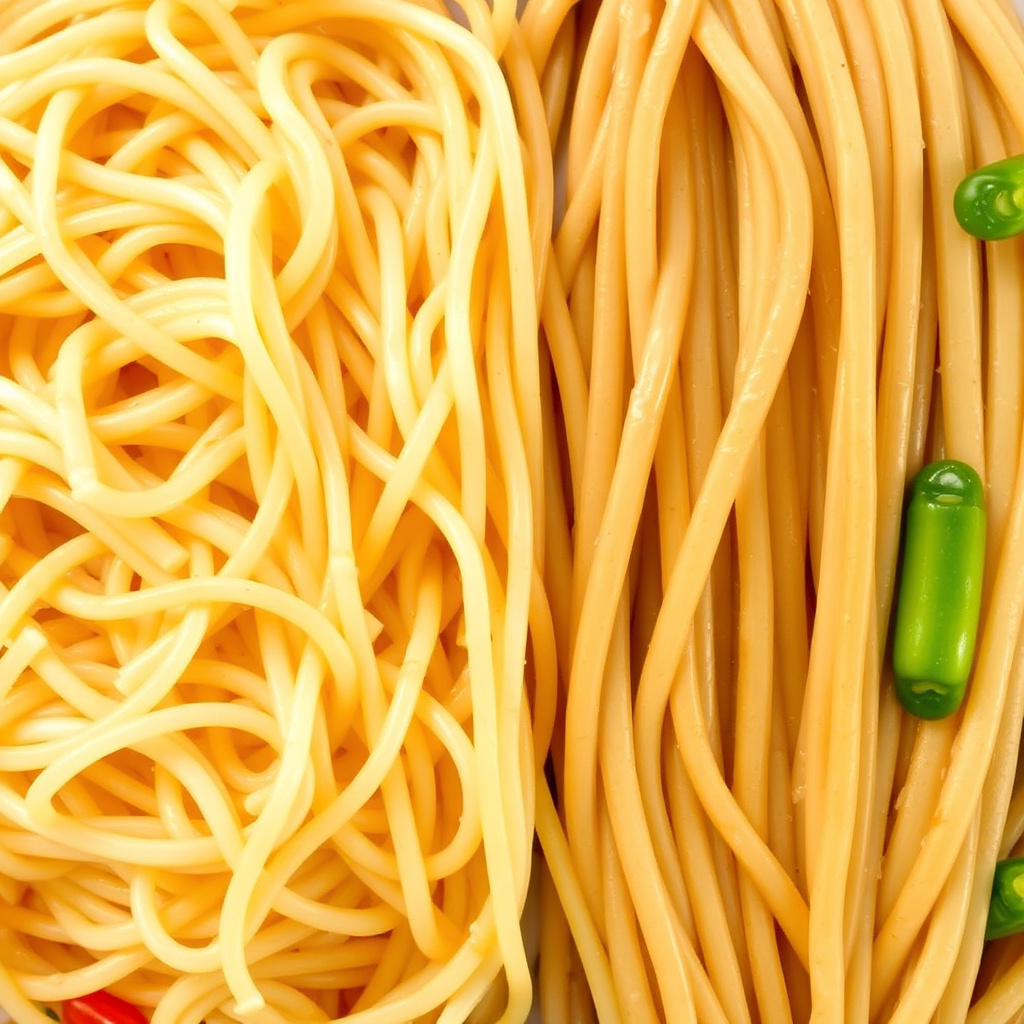
Singapore noodles use thin rice vermicelli noodles that cook quickly and have a delicate texture. These noodles absorb flavors from curry powder, soy sauce, and stir-fried proteins, delivering a light, slightly chewy bite.
The primary proteins in Singapore noodles include shrimp, barbecued pork, or chicken, paired with julienned bell peppers, onions, and scallions. Curry powder or turmeric gives the dish a signature yellow tint while adding warm spices.
- Thin rice vermicelli noodles
- Curry powder or turmeric for color and spice
- Shrimp, pork, or chicken
- Bell peppers, onions, scallions
For more on this, see our related guide: What Is Chow Mein? A Complete Guide to the Popular Chinese Noodle Dish.
Noodles and Ingredients for Lo Mein
Lo mein utilizes thicker, wheat-based egg noodles that are soft and slightly chewy. They’re boiled then tossed with a soy-based sauce along with stir-fried vegetables such as bok choy, mushrooms, carrots, and sometimes bean sprouts.
Proteins vary widely, from chicken and beef to shrimp or tofu, complementing the savory sauce made from soy sauce, oyster sauce, and sesame oil. The noodles' firmness allows them to carry a heavier sauce compared to Singapore noodles.
- Thick wheat egg noodles
- Soy sauce, oyster sauce, sesame oil
- Mixed vegetables like bok choy, mushrooms, carrots
- Varied proteins such as beef, chicken, shrimp, or tofu
Flavor Profiles and Cooking Methods
Taste and Preparation of Singapore Noodles
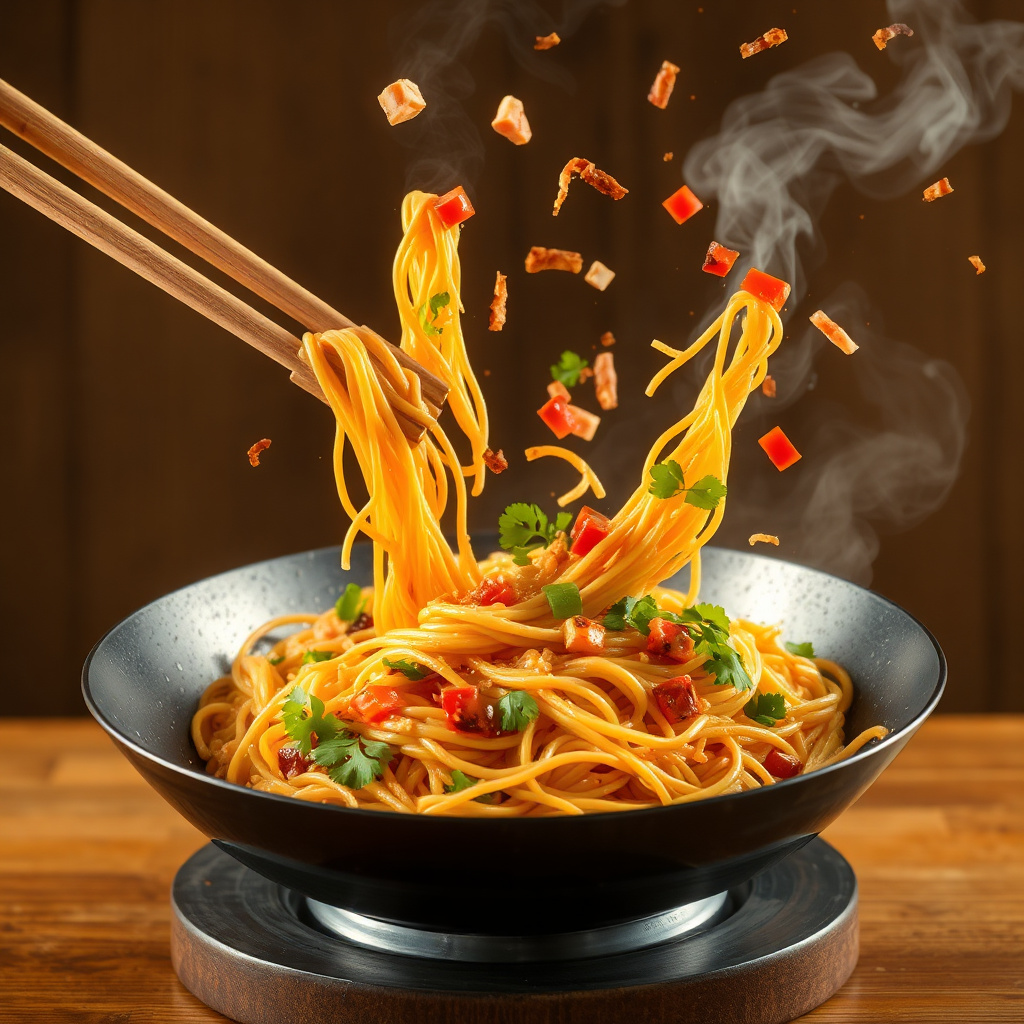
Singapore noodles feature a bright, spicy flavor from curry powder that infuses the dish during stir-frying. The cooking method involves quickly tossing rice vermicelli with marinated proteins and vegetables to preserve a light texture with a hint of aromatic spice.
The dish is often served relatively dry, with each strand of noodle coated lightly in the curry seasoning. The balance between mild heat and savory notes makes Singapore noodles distinct and vibrant.
Lo Mein’s Flavor and Cooking Style
Lo mein delivers a savory, slightly sweet profile from the soy-based sauces and sesame oil. The noodles are boiled separately, then combined with sautéed vegetables and proteins, ensuring they retain a chewy texture.
The sauce coats the noodles more generously than in Singapore noodles, creating a rich mouthfeel. The cooking emphasizes tenderness and umami depth, making lo mein hearty and satisfying.
Nutritional Differences and Health Considerations

Nutrition in Singapore Noodles
Due to the use of rice vermicelli and lean proteins like shrimp, Singapore noodles tend to be lower in calories and fat, especially when cooked with minimal oil. The addition of curry powder also adds antioxidants and anti-inflammatory properties.
However, some versions can be high in sodium depending on sauce additions, so checking ingredients or making it at home can support better health outcomes.
Lo Mein Nutritional Profile
Lo mein usually contains more calories and carbohydrates because of the thicker wheat noodles and heavier sauces. The inclusion of various vegetables offers fiber and vitamins, but the sauces can increase sodium and sugar content.
Portion control and selecting lean protein options can make lo mein a balanced meal, but it is generally richer than Singapore noodles.
Choosing Between Singapore Noodles and Lo Mein

When to Pick Singapore Noodles
Opt for Singapore noodles if you enjoy curry’s aromatic spice and prefer a lighter, less saucy noodle dish. It pairs well with seafood lovers and those looking for a gluten-free option since rice vermicelli contains no wheat.
Singapore noodles also make an excellent choice for a quick stir-fried meal with bold flavors but fewer calories and a bright, colorful presentation.
For more detailed information about lo mein noodles and their cultural history, see the Wikipedia article on Lo Mein. Wikipedia article on Lo Mein.
When to Choose Lo Mein
Lo mein is ideal if you crave a comforting, saucier noodle option with a chewy texture and deeper umami notes. It suits those who prefer wheat noodles and diverse vegetable combinations in their meal.
It’s a common pick when you want a filling dish that balances savory and slightly sweet flavors, often adaptable with various proteins and vegetable add-ins.
Singapore Noodles vs Lo Mein Category Comparison
This table summarizes key differences between Singapore noodles and lo mein to help you decide which dish suits your preferences.
| Aspect | Singapore Noodles | Lo Mein |
|---|---|---|
| Noodle Type | Thin rice vermicelli | Thick wheat egg noodles |
| Primary Flavor | Spicy curry powder | Savory soy-based sauce |
| Texture | Light and slightly chewy | Soft and chewy |
| Common Proteins | Shrimp, pork, chicken | Chicken, beef, shrimp, tofu |
| Sauce Style | Lightly coated, dry | Generously sauced |
| Sodium Level | Moderate | Often higher |
| Origin | Hong Kong fusion dish | Traditional Northern Chinese |
Frequently Asked Questions
Are Singapore noodles really from Singapore?
Despite the name, Singapore noodles originated in Hong Kong and are not a traditional dish in Singapore. The name was likely given to suggest an exotic, curry-flavored noodle dish.
Is lo mein gluten-free?
No, lo mein noodles are made from wheat flour and egg, so they contain gluten and are not suitable for gluten-free diets.
Can I make Singapore noodles without curry powder?
While curry powder defines Singapore noodles, you can omit it, but the dish will lose its characteristic flavor and color. Using turmeric alone offers milder seasoning.
Which dish is healthier: Singapore noodles or lo mein?
Singapore noodles are often lower in calories and fat due to thinner rice noodles and less sauce, making them a lighter option compared to lo mein, which uses thicker wheat noodles and richer sauce.
What proteins work best in lo mein?
Common protein choices include chicken, beef, shrimp, and tofu, all of which complement lo mein’s savory soy-based sauce and hearty texture.
Key Takeaways
- Singapore noodles use thin rice vermicelli with curry powder, offering a light, spicy flavor.
- Lo mein features thicker wheat noodles with savory soy-based sauce and varied vegetables.
- Nutritionally, Singapore noodles tend to be lighter with fewer calories and less fat.
- Choosing depends on your preference for spice and noodle texture—curry-spiced light vs saucy and chewy.
Conclusion
Understanding the differences between Singapore noodles and lo mein boils down to noodle type, flavor profile, and preparation method. Singapore noodles shine with their curry-infused brightness and thin rice vermicelli, ideal for those who appreciate a spiced but lighter dish. Lo mein caters to those who prefer thicker, chewy egg noodles soaked in a rich, umami-forward soy sauce. Both dishes represent distinct parts of Asian culinary traditions and offer satisfying options for noodle lovers.
If your palate craves a less heavy meal with a dash of vibrant curry, Singapore noodles are your go-to, especially if you enjoy seafood or want a gluten-free choice. On the other hand, if you seek comfort food with a savory, saucier character and enjoy a variety of vegetables and proteins, lo mein is the better pick. Restaurants and home cooks alike can tweak both recipes to fit dietary needs and taste preferences, creating endless tasty variations.
For your next meal decision, consider what appeals most to your taste buds and dietary preferences. Trying both dishes in different settings can help you appreciate their unique qualities. Whether picking up takeout or cooking at home, these insights about Singapore noodles versus lo mein will help you select the noodle dish that satisfies your craving and matches your appetite better.